
50 Mesh Brucite Grinding Mill: Efficient Powder Processing Solutions for Industrial Applications
We provide a wide range of mills — including Raymond mill, trapezoidal mill, vertical mill, ultrafine mill, and ball mill, obtained ISO9001 international quality certification, EU CE certification, and Customs Union CU-TR certification. Suitable for processing minerals such as limestone, phosphate, quicklime, kaolin, talc, barite, bentonite, calcium carbonate, dolomite, coal, gypsum, clay, carbon black, slag, cement raw materials, cement clinker, and more.
The discharge range of these mills can be adjusted to meet specific processing needs, typically from 80-400 mesh, 600-3250 mesh, and can achieve the finest particle size of up to 6000 mesh(D50).
If you are looking for a reliable grinding solution to turn stone or minerals into fine powder, please feel free to contact our online customer service.
Introduction to Brucite Grinding and 50 Mesh Processing
Brucite, a magnesium hydroxide mineral, has gained significant traction in industrial applications ranging from flame retardants to wastewater treatment. Achieving a precise 50 mesh grind—where particles pass through a 50-mesh sieve (approximately 297 microns)—requires milling equipment that balances throughput, consistency, and energy efficiency. Engineers across the mining and chemical sectors often face the challenge of selecting a mill that can handle brucite’s fibrous structure while maintaining high hourly output without excessive wear.
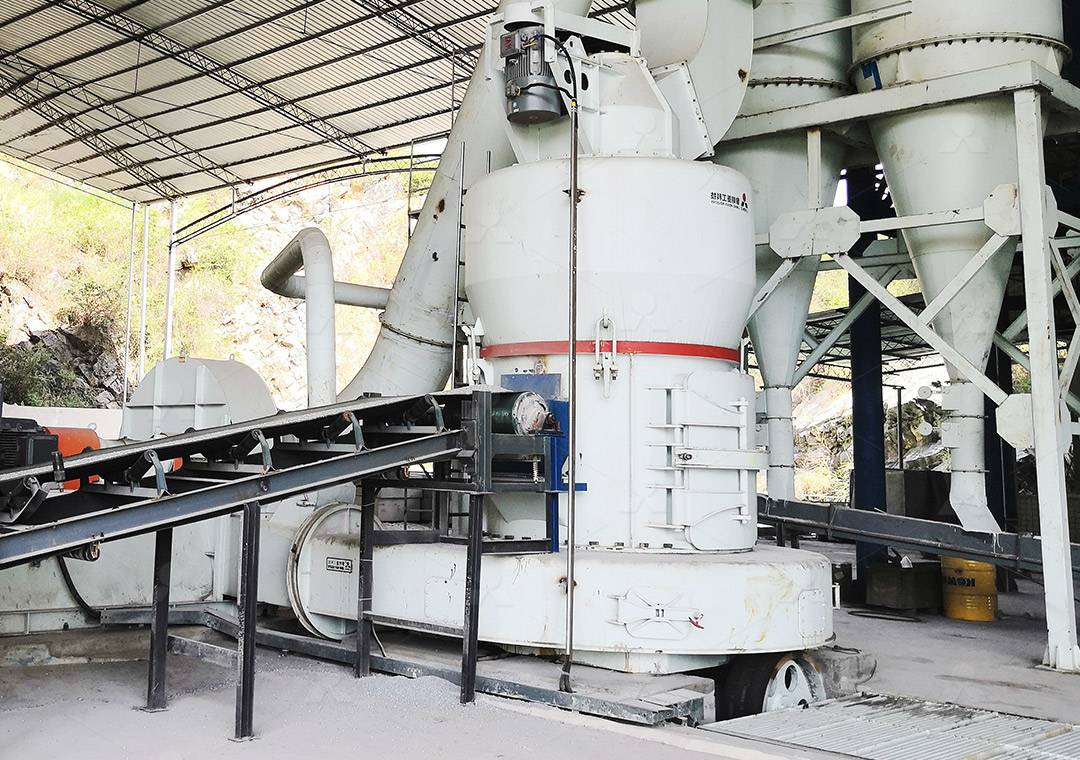
LIMING Heavy Industry has developed several grinding solutions tailored to such tasks. Among them, the MW Ultrafine Grinding Mill and the LUM Ultrafine Vertical Grinding Mill are particularly effective for producing 50 mesh brucite powder. These machines incorporate advanced grinding mechanisms, efficient classification systems, and robust dust collection to meet both production targets and environmental regulations.
Key Considerations for 50 Mesh Brucite Milling
When processing brucite to 50 mesh, several factors influence final product quality and operational costs:
- Moisture content: Brucite can retain moisture, which affects flowability and grinding efficiency. Mills with integrated drying capability, such as the LUM vertical mill, handle this more effectively.
- Abrasiveness: While softer than quartz, brucite still causes gradual wear on grinding elements. LIMING’s wear-resistant alloy rollers and rings extend service life significantly.
- Fineness control: A 50 mesh target is relatively coarse for ultrafine mills, but the ability to adjust classifier speed ensures consistent particle size distribution without over-grinding.
- Throughput needs: Operations requiring 5 to 25 tons per hour will find the MW and LUM series well-suited, with capacities that can be scaled via parameter adjustments.
MW Ultrafine Grinding Mill for 50 Mesh Brucite
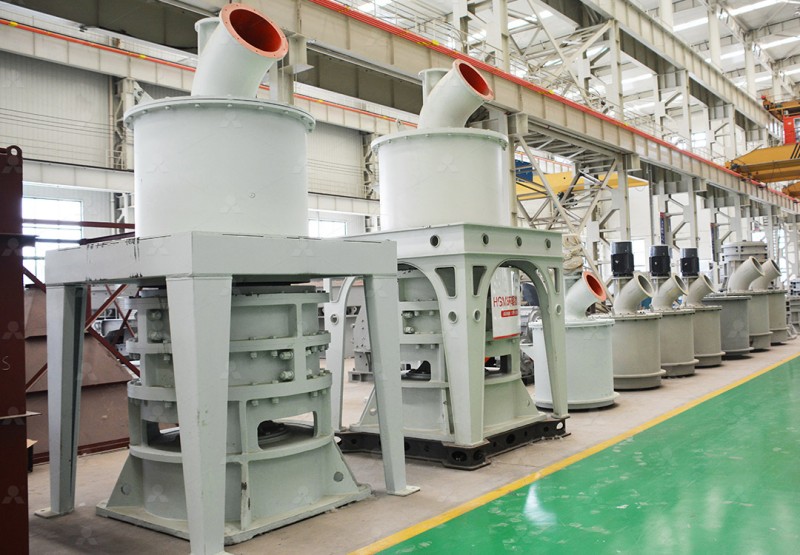
The MW Ultrafine Grinding Mill stands out for applications where fineness adjustability is critical. Although designed for ultra-fine grinding down to 2500 mesh, it performs admirably at coarser settings like 50 mesh. Key benefits include:
- No rolling bearings or screws in the grinding chamber: This eliminates common failure points, allowing continuous 24-hour operation without shutdowns for bearing replacement.
- German-derived cage-type powder selector: Provides precise separation, ensuring that 50 mesh product is free of oversize particles while minimizing fines generation.
- Pulse dust collector and muffler: The entire system operates without dust leakage and with reduced noise levels, meeting strict environmental standards.
- Energy efficiency: Compared to jet mills, the MW mill consumes only 30% of the energy for equivalent output, making it cost-effective for medium-scale production.
Recommended product: For brucite milling operations seeking a balance between fine-tuning capability and robust construction, we recommend the MW Ultrafine Grinding Mill. Its 0-20 mm feed size and 0.5-25 tph capacity cover a wide range of industrial requirements. Learn more about specific configurations by contacting our technical sales team.
LUM Ultrafine Vertical Grinding Mill: Higher Throughput for Brucite
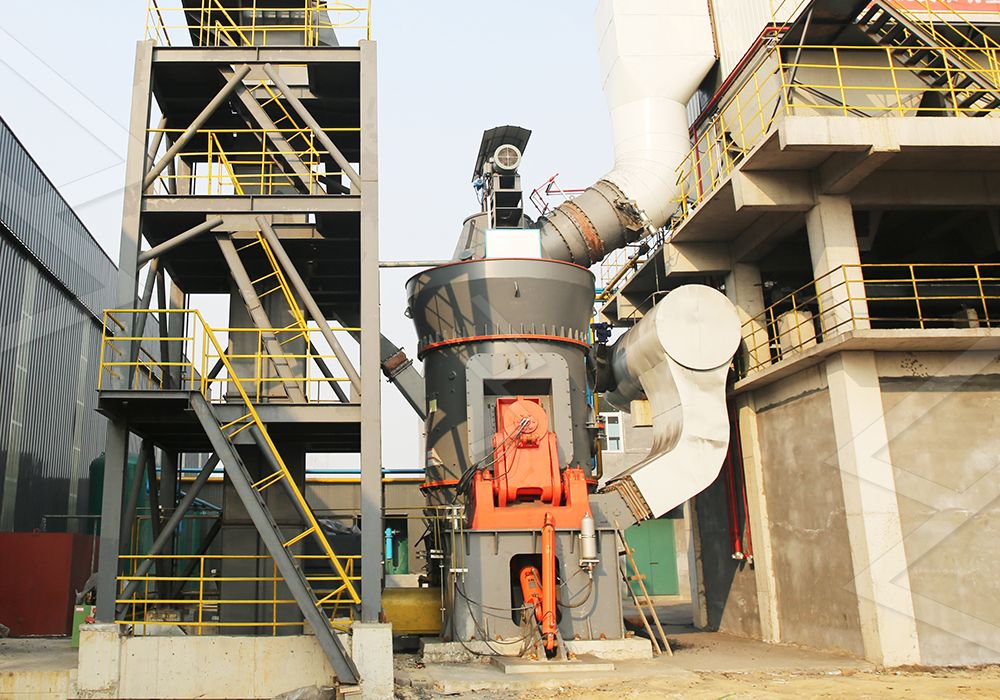
For operations where throughput takes precedence over ultra-fine capability, the LUM Ultrafine Vertical Grinding Mill delivers. With a capacity range of 5-18 tph and an input size of 0-10 mm, this mill is ideal for pre-crushed brucite. Its vertical design offers several advantages:
- Reversible roller structure: Maintenance downtime is minimized because rollers can be swung out of the body for inspection and replacement without heavy disassembly.
- Double position-limiting technology: Prevents destructive impact between rollers and millstone during startup or material surges, ensuring stable operation even when feed characteristics vary.
- Multi-head powder separator: PLC-controlled, allowing operators to switch between production targets (e.g., 50 mesh for one batch, 100 mesh for another) with minimal recalibration.
- Lower iron contamination: The grinding roller and millstone do not contact directly, reducing metal-to-metal wear and preserving brucite purity, which is critical for flame retardant applications.
Second recommendation: For large-scale brucite processing plants, the LUM Ultrafine Vertical Grinding Mill offers higher single-unit capacity and superior reliability. Its energy consumption is 30-50% lower than conventional mills, translating to substantial annual savings.
Operational Best Practices for Brucite Grinding
To maximize efficiency when grinding brucite to 50 mesh, consider the following operational guidelines:
- Feed preparation: Crush brucite to below 10 mm for LUM or 20 mm for MW before feeding. Consistent feed size prevents mill surges and maintains classifier efficiency.
- Airflow tuning: Adjust the blower speed and damper settings to maintain negative pressure in the system. Proper airflow ensures that ground brucite is carried to the classifier without settling in ducts.
- Classifier speed: For 50 mesh (approx. 297 microns), set the rotor speed lower than for ultra-fine grades. Start with the manufacturer-recommended baseline and fine-tune based on sieve analysis results.
- Moisture management: If brucite contains more than 3% moisture, consider using hot air in the mill. Both MW and LUM systems can accommodate heated air intake for drying during grinding.
- Regular inspections: Check roller shell and grinding ring wear every 500 operating hours. Worn parts reduce grinding efficiency and increase power consumption.
Why Choose LIMING for Your Brucite Grinding Needs
LIMING Heavy Industry brings decades of experience in manufacturing grinding mills for minerals. Every machine benefits from digitalized processing—CNC-controlled cutting, bending, and machining ensure that core components meet tight tolerances. This level of precision translates to consistent product quality and longer equipment life.
Additionally, our commitment to after-sales support means that spare parts are stocked and available for rapid shipment. Technical service teams can assist with installation, commissioning, and optimization of grinding parameters. We take full responsibility for the machines we produce, giving operators peace of mind.
Conclusion
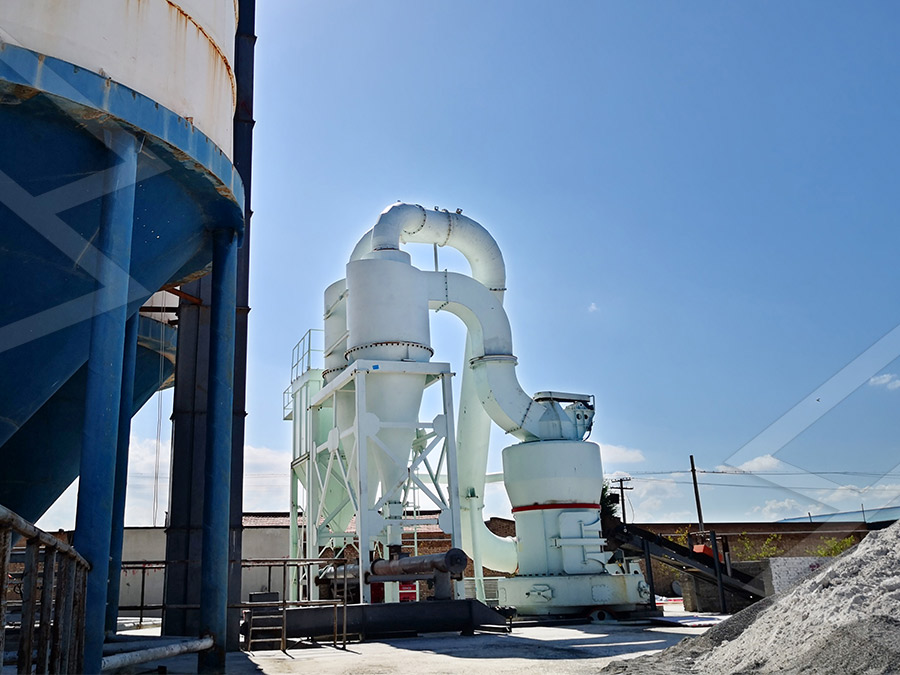
Achieving efficient 50 mesh brucite grinding requires a mill that combines robust construction, precise classification, and low operational costs. The MW Ultrafine Grinding Mill and LUM Ultrafine Vertical Grinding Mill from LIMING both meet these criteria, with distinct advantages depending on throughput and maintenance preferences. By investing in either of these systems, industrial operators can produce high-quality brucite powder while minimizing energy consumption and environmental impact.
For a detailed proposal tailored to your specific brucite processing requirements, including capacity needs, power availability, and site conditions, contact our engineering team. We can recommend the optimal mill configuration and provide technical specifications for your review.
Frequently Asked Questions (FAQ)
Q1: Can the MW Ultrafine Grinding Mill produce 50 mesh brucite consistently?
Yes, the MW mill is capable of producing 50 mesh powder with consistent particle size distribution. By adjusting the cage-type powder selector speed, operators can achieve a d97 of around 297 microns. The mill’s design minimizes over-grinding, making it suitable for both coarse and fine applications within its adjustable range of 325-2500 mesh.
Q2: What is the difference in energy consumption between MW and LUM mills for brucite grinding?
The LUM Ultrafine Vertical Grinding Mill generally consumes 30-50% less energy than conventional grinding mills for similar throughput. The MW mill, while also energy-efficient, uses about 30% of the energy of a jet mill for the same fineness. For 50 mesh brucite, the LUM mill may offer slightly better energy efficiency in higher capacity operations (above 10 tph), while the MW mill is excellent for lower tonnage with higher fineness flexibility.
Q3: How often do grinding rollers need replacement when grinding brucite?
With LIMING’s wear-resistant alloy rollers, service life typically ranges from 1,500 to 3,000 hours depending on brucite purity, moisture, and feed size. The MW mill’s rollers are easier to inspect due to the absence of bearings in the grinding chamber, while the LUM mill’s reversible design allows one side to be used before flipping, effectively doubling the wear life between replacements.
Q4: Can these mills handle wet brucite, or must the material be dried first?
Both mills can handle brucite with incidental moisture, but for high moisture content (above 5%), we recommend using a hot air source. The LUM mill’s vertical design allows easier integration of a hot gas generator, enabling simultaneous drying and grinding. For the MW mill, pre-drying via a rotary dryer is sometimes more practical, though the mill can accommodate heated air through its air intake.
Q5: What is the typical investment cost for a 50 mesh brucite grinding line using LIMING equipment?
Investment varies based on capacity, automation level, and auxiliary equipment (crusher, elevator, silos, etc.). As a ballpark, a complete MW Ultrafine Grinding Mill system for 5 tph of 50 mesh brucite might cost between $80,000 and $150,000. A LUM Vertical Mill system for 15 tph could range from $150,000 to $300,000. We provide detailed quotations after reviewing your site specifics and power supply.
Q6: Are there environmental concerns with brucite grinding, and how does LIMING address them?
Brucite dust is mildly alkaline and can irritate respiratory systems. LIMING mills are equipped with efficient pulse-jet dust collectors that capture over 99% of particulate matter. The entire grinding system operates under negative pressure, preventing fugitive emissions. Additionally, mufflers are installed to keep noise levels within OSHA-compliant thresholds. Our systems are designed to meet stringent environmental standards, including those for Chinese and European markets.