
Stone Quarry Grinding Mill Supporting Equipment: Maximizing Efficiency and Environmental Compliance
We provide a wide range of mills — including Raymond mill, trapezoidal mill, vertical mill, ultrafine mill, and ball mill, obtained ISO9001 international quality certification, EU CE certification, and Customs Union CU-TR certification. Suitable for processing minerals such as limestone, phosphate, quicklime, kaolin, talc, barite, bentonite, calcium carbonate, dolomite, coal, gypsum, clay, carbon black, slag, cement raw materials, cement clinker, and more.
The discharge range of these mills can be adjusted to meet specific processing needs, typically from 80-400 mesh, 600-3250 mesh, and can achieve the finest particle size of up to 6000 mesh(D50).
If you are looking for a reliable grinding solution to turn stone or minerals into fine powder, please feel free to contact our online customer service.
Introduction to Modern Stone Quarry Grinding Mill Systems
Stone quarry grinding operations have evolved significantly over the past decade. Today, operators demand not only high throughput but also strict adherence to environmental standards and lower energy consumption. The supporting equipment surrounding a grinding mill often determines the overall success of a quarry plant. From feeders and crushers to dust collectors and separators, every component must work in harmony. Liming Heavy Industry has engineered a comprehensive lineup of grinding mills and supporting machinery to meet these challenges. In this article, we will explore the critical role of supporting equipment in stone quarry grinding, with a focus on two advanced mills: the MW Ultrafine Grinding Mill and the LUM Ultrafine Vertical Grinding Mill.
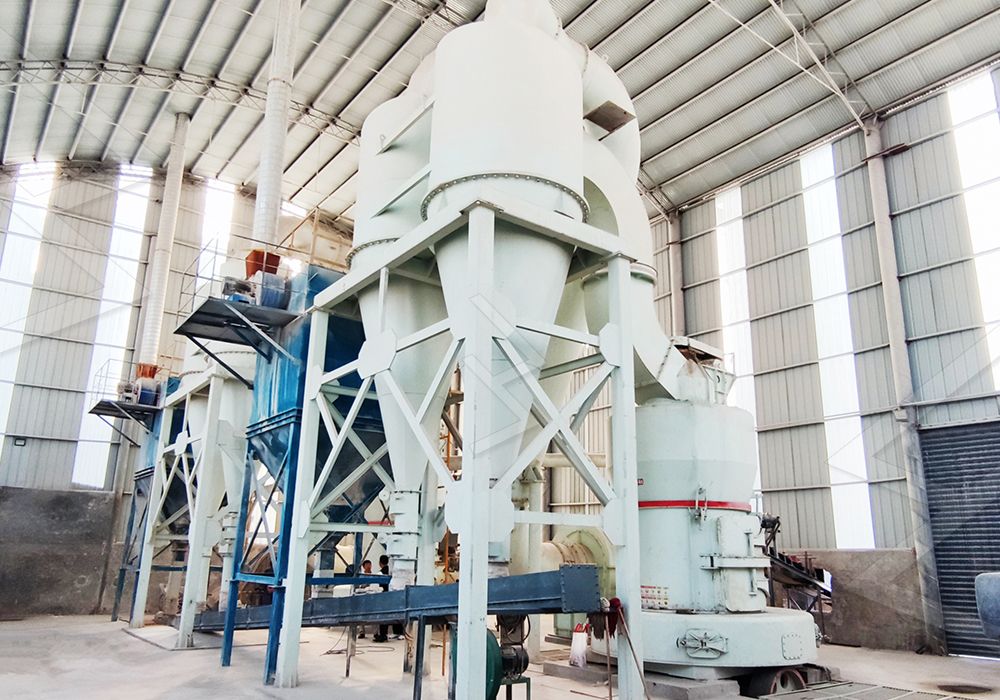
The Backbone: Feeding and Crushing Systems
Before any grinding takes place, raw material must be reduced to a manageable size. Jaw crushers and hammer crushers serve as the first stage. For the MW Ultrafine Grinding Mill, which accepts input sizes up to 20 mm, a pre-crushing step is essential to ensure consistent feed. Vibrating feeders then deliver the material evenly to the mill’s hopper. This precise feeding prevents overloading and ensures uniform grinding. The LUM Ultrafine Vertical Grinding Mill accepts material up to 10 mm and uses a screw feeder to drop material onto the center of the millstone. A well-designed feeder reduces wear on grinding rollers and extends equipment life.
Dust Control and Noise Reduction: Mandatory for Modern Operations
Environmental regulations are tightening globally. Stone quarry operators must invest in effective dust collection and noise suppression. Both the MW and LUM mills are equipped with efficient pulse dust collectors. These systems capture fine particles at the source, preventing airborne dust from escaping the plant. Additionally, mufflers and noise elimination rooms are integrated to keep sound levels within acceptable limits. The MW Ultrafine Grinding Mill, for example, uses a pulse collector that enables operation without any dust pollution. This is not just about compliance; it also improves worker safety and community relations. Operators running plants near residential areas find these features invaluable.
Grinding Mill Selection: MW vs. LUM for Ultrafine Production
Choosing between the MW and LUM mills depends on your target fineness and capacity. The MW Ultrafine Grinding Mill excels in producing powders between 325 and 2500 meshes, with a capacity of 0.5 to 25 tph. Its unique grinding roller curves enhance efficiency by 40%% compared to jet mills. For higher capacity demands, the LUM Ultrafine Vertical Grinding Mill offers 5 to 18 tph with similar fineness ranges. It features Taiwan grinding roller technology and German powder separation, delivering high whiteness and purity. Both mills incorporate digitalized machining for core parts, ensuring precision and durability.
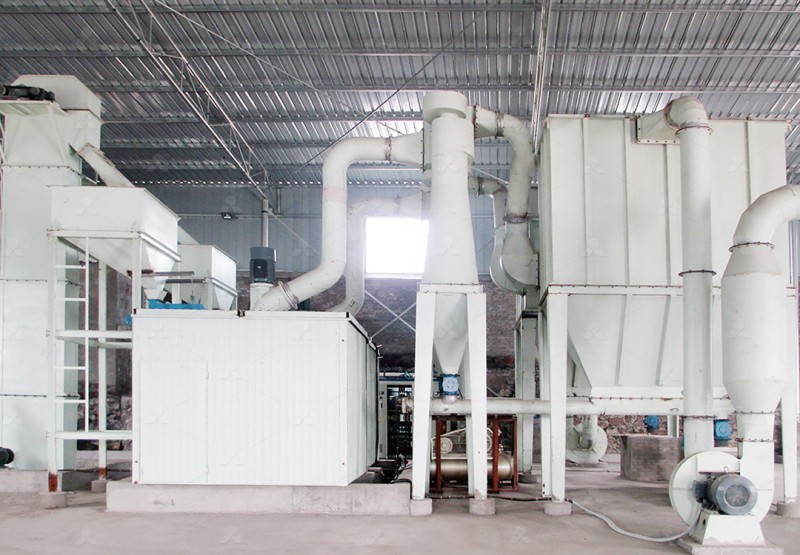
Powder Separation and Classification Technology
After grinding, the material must be classified to achieve the desired fineness. The MW mill uses a cage-type powder selector derived from German technology, allowing multi-head configurations for yield and fineness adjustments. The LUM mill employs PLC-controlled multi-head powder separating technology, reducing energy consumption by 30-50%% over conventional mills. These separators ensure that only particles meeting the target mesh size pass through to the cyclone collector. Coarse particles are returned for regrinding, optimizing the overall efficiency. This closed-loop system minimizes waste and maximizes output quality.
Maintenance and Spare Parts: Keeping the Line Running
Downtime is the enemy of productivity. Liming has designed both mills with maintenance in mind. The MW mill has no rolling bearings or screws in the grinding chamber, eliminating common failure points. Its external lubrication system allows 24-hour operation without stoppage. The LUM mill features a reversible structure that lets operators swing out the grinding roller for quick inspection and replacement of wear parts. Both mills benefit from Liming’s sufficient supply of original spare parts, ensuring worry-free operation. Regular checks of the liner plates and roller shells are simplified, reducing shutdown losses significantly.
Automation and Digital Control
Modern stone quarry grinding lines rely on automation for consistency. Liming’s mills come with advanced control systems. The LUM mill, for instance, uses a fully automatic control system that can switch between remote and local operation. Parameters like grinding pressure and separator speed are adjusted in real-time from a central panel. This digitalized approach also extends to manufacturing: tens of CNC machines produce core components with high precision. Operators benefit from reduced labor costs and improved product uniformity. For large-scale operations, automation is no longer a luxury—it is a necessity.
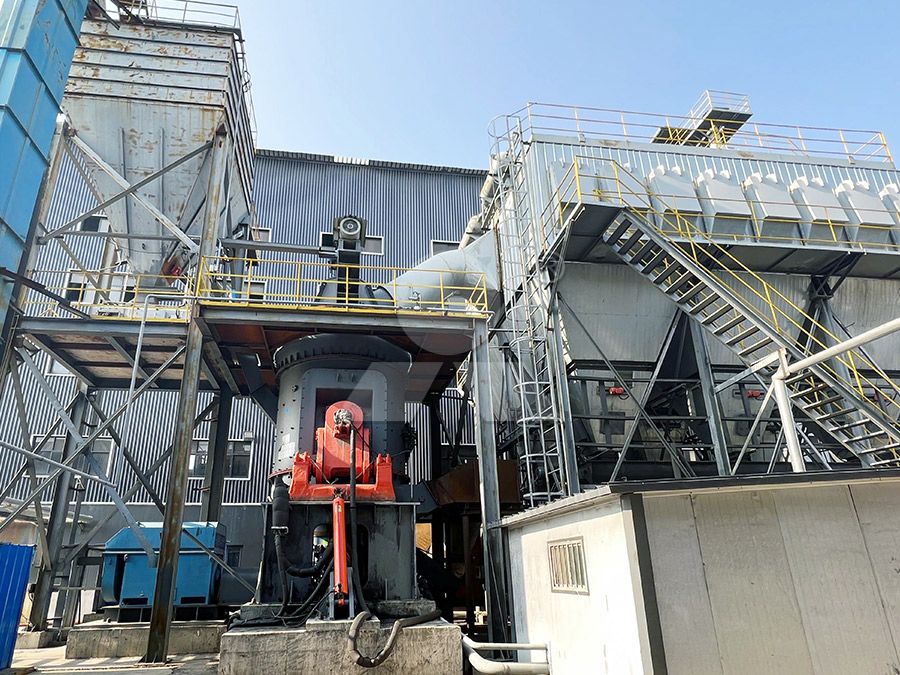
Energy Efficiency and Environmental Impact
Energy costs represent a significant portion of operating expenses in stone quarry grinding. The MW Ultrafine Grinding Mill consumes only 30%% of the energy required by jet mills for the same output. The LUM mill saves 30-50%% energy compared to traditional ball mills. These savings come from optimized grinding curves, improved material bed formation, and efficient powder separation. Furthermore, both systems operate under negative pressure, preventing dust leakage. The combination of lower energy use and reduced emissions aligns with global sustainability goals. Operators can market their products as eco-friendly, a growing advantage in competitive markets.
Conclusion: Building a Reliable Grinding Plant
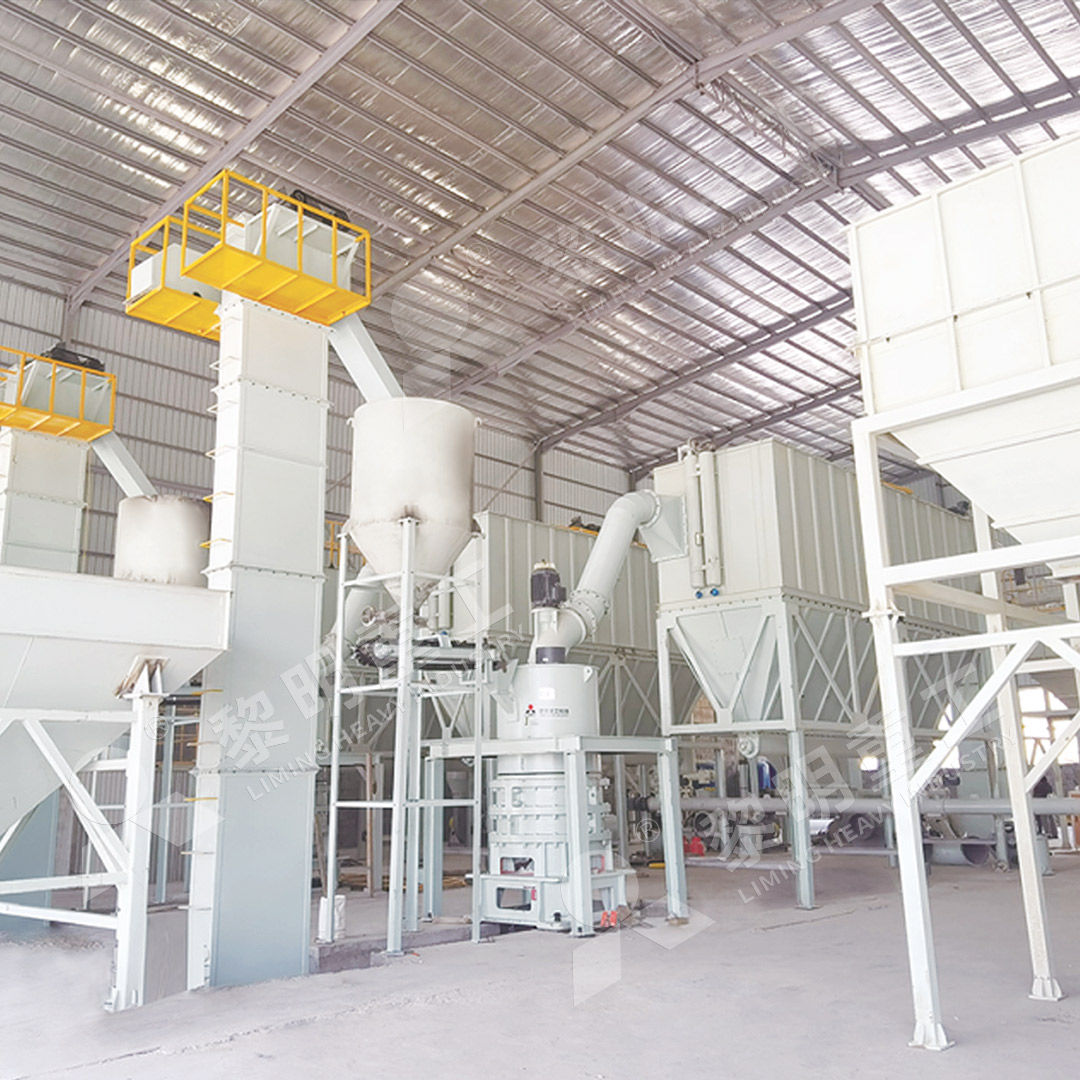
Stone quarry grinding mill supporting equipment is not just about standalone machines; it is about integration. From the primary crusher to the final product silo, every piece must work together. Liming’s MW Ultrafine Grinding Mill and LUM Ultrafine Vertical Grinding Mill offer proven solutions for ultrafine powder production. Their supporting systems—feeders, dust collectors, separators, and automation—create a seamless workflow. When planning your next grinding plant, consider the total cost of ownership, including maintenance, energy, and environmental compliance. With the right equipment, you can achieve higher yields, better quality, and peace of mind.
Frequently Asked Questions
- What is the difference between MW Ultrafine Grinding Mill and LUM Ultrafine Vertical Grinding Mill?
The MW mill is a horizontal ring-roller type with capacities from 0.5-25 tph and fineness up to 2500 mesh. The LUM mill is a vertical mill with 5-18 tph capacity, featuring a more compact design and greater energy savings (30-50%%) compared to ball mills. Both produce ultra-fine powder, but LUM is better for higher capacity and automated operations. - How do I control dust in a stone quarry grinding plant?
Both MW and LUM mills are equipped with efficient pulse dust collectors. The entire system operates under negative pressure to prevent dust escape. Additional measures include proper sealing of conveyors and using mufflers to reduce noise. - What maintenance is required for the MW Ultrafine Grinding Mill?
The MW mill has no rolling bearings or screws in the grinding chamber, so maintenance focuses on checking grinding roller shells and ring wear. Lubrication is done externally without stopping the machine. Spare parts are readily available from Liming. - Can I adjust the fineness of the finished product?
Yes. Both mills allow fineness adjustment. The MW mill uses a cage-type powder selector to adjust between 325-2500 mesh. The LUM mill adjusts via rotor speed changes in the separator. Screen rates can reach d97≤5μm. - What materials can be processed with these mills?
Both mills are suitable for non-metallic minerals like limestone, calcite, dolomite, barite, marble, talc, gypsum, and coal powder. They are also used in chemical, paint, cosmetics, and food additive industries for ultra-fine dry powder. - What is the input size requirement for the LUM mill?
The LUM Ultrafine Vertical Grinding Mill accepts input sizes up to 10 mm. Materials larger than this must be crushed first using a hammer crusher or jaw crusher before feeding into the mill. - How does the reversible structure of LUM mill help maintenance?
The reversible structure allows the grinding roller to be swung out of the mill body without disassembling major components. This enables quick inspection and replacement of roller shells and liner plates, reducing downtime significantly.