
1500 Mesh Marble Grinding Mill for Ultra-Fine Powder Processing
We provide a wide range of mills — including Raymond mill, trapezoidal mill, vertical mill, ultrafine mill, and ball mill, obtained ISO9001 international quality certification, EU CE certification, and Customs Union CU-TR certification. Suitable for processing minerals such as limestone, phosphate, quicklime, kaolin, talc, barite, bentonite, calcium carbonate, dolomite, coal, gypsum, clay, carbon black, slag, cement raw materials, cement clinker, and more.
The discharge range of these mills can be adjusted to meet specific processing needs, typically from 80-400 mesh, 600-3250 mesh, and can achieve the finest particle size of up to 6000 mesh(D50).
If you are looking for a reliable grinding solution to turn stone or minerals into fine powder, please feel free to contact our online customer service.
Introduction: The Demand for Ultra-Fine Marble Powder
Marble, a metamorphic rock composed primarily of calcite, has long been a staple in construction, sculpture, and decorative arts. However, the modern industrial landscape demands more than just bulk stone. The true value of marble today lies in its ultra-fine powder form, processed to a fineness of 1500 mesh ( approximately 10 microns) or even finer. This powder is a critical ingredient in a vast array of products, from high-gloss paints and environmentally friendly plastics to premium cosmetics, paper coatings, and pharmaceutical fillers. Achieving this level of fineness consistently and efficiently requires specialized milling technology. Standard grinding mills often fall short, struggling with high energy consumption, excessive wear, and inconsistent particle size distribution. This article delves into the specific technological solutions required for 1500 mesh marble grinding, exploring the machinery that makes this demanding task economically viable and operationally reliable. We will focus on the critical factors: energy efficiency, precision classification, and system durability, all of which are paramount for a successful ultra-fine powder processing operation.
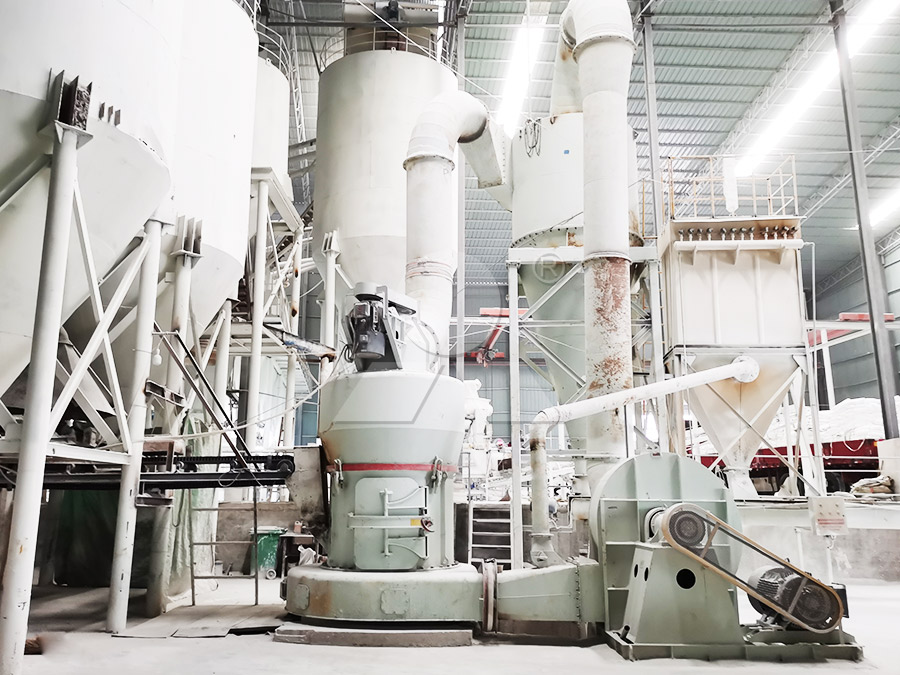
The Challenge of Grinding Marble to 1500 Mesh
Marble, while softer than quartz or granite (Mohs hardness of 3-4), presents a unique set of challenges in ultra-fine grinding. The goal of reaching 1500 mesh (d97 ≈ 10 μm) means that the grinding mill must generate a significant amount of surface area and break down particles to a size where inter-particle forces become dominant. Traditional ball mills, for instance, are notorious for high energy consumption and long grinding times when targeting such fine sizes. The ‘energy trap’ of creating superfine particles where impact energy is lost to heat and sound is a major hurdle. Furthermore, the grinding chamber must be designed to prevent contamination. Iron contamination from mechanical wear is a serious concern for high-value applications like cosmetics and food additives. The equipment must, therefore, not only be efficient but also engineered to minimize ferrous contamination. This is where advanced roller mill technology, such as that found in the MW Ultrafine Grinding Mill, offers a distinct advantage. Its design eliminates rolling bearings and screws within the grinding chamber, a major source of potential metallic contamination in conventional mills.
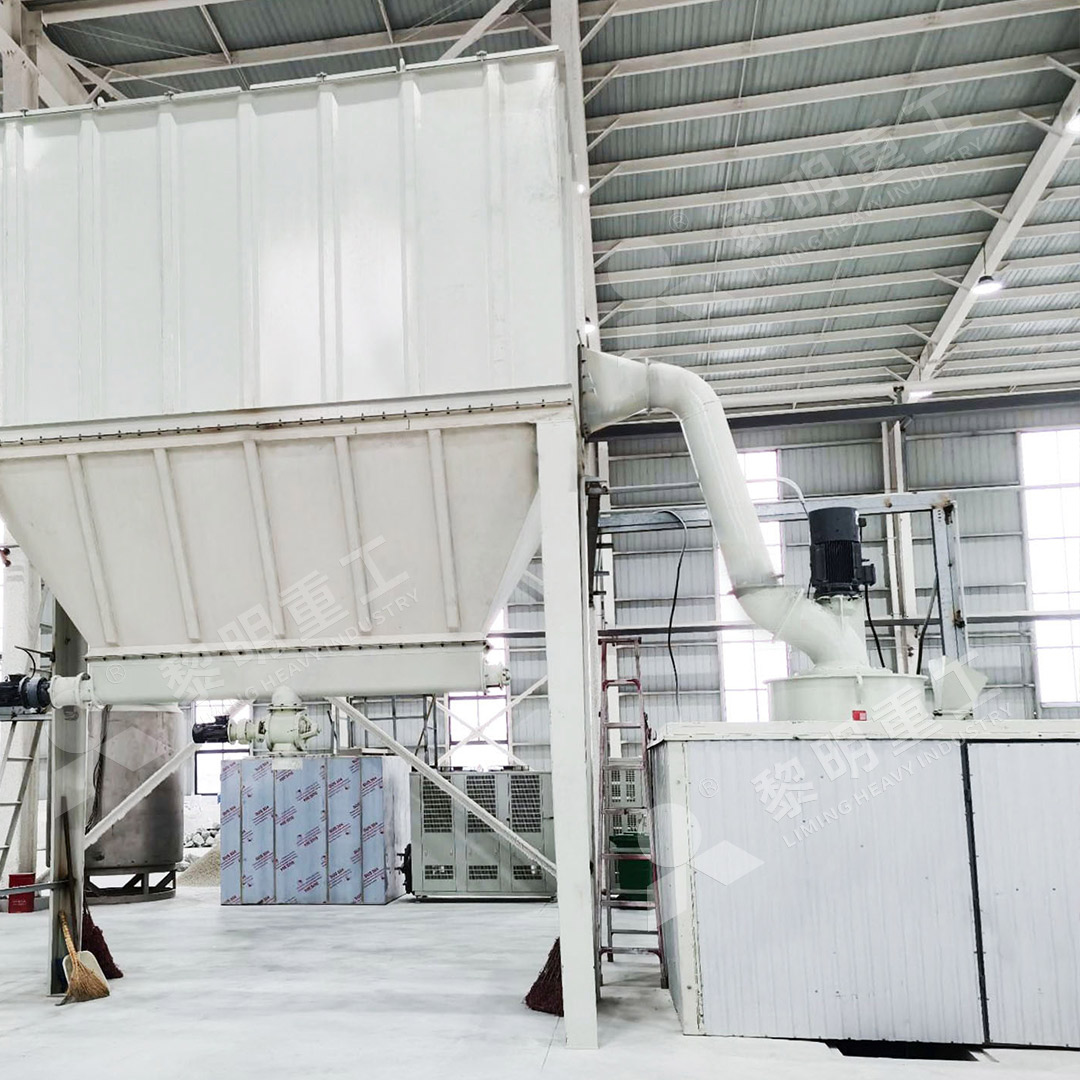
Key Technologies for Achieving 1500 Mesh Fineness
To consistently produce 1500 mesh powder, a grinding mill must integrate three core technologies: high-efficiency grinding, precise classification, and effective powder collection. The grinding mechanism itself must be optimized for inter-particle attrition rather than just impact. The MW Ultrafine Grinding Mill, for example, features newly designed grinding curves on its rollers and rings. This innovative geometry increases grinding efficiency by over 40% compared to jet mills and stirred mills, and yields double the output of ball mills for the same fineness and power input. However, efficient grinding alone is insufficient. The classifier is the true ‘gatekeeper’ of product quality. The cage-type powder selector, utilizing German technology, is crucial for achieving a steep particle size distribution. It ensures that particles larger than the target 1500 mesh are rejected and returned for further grinding, while the fine fraction passes through. This prevents ‘oversize’ particles from contaminating the final product, a common problem with inferior classifiers. The fineness can be precisely adjusted between 325 and 2500 mesh, providing operational flexibility. A multi-head cage-type selector can be configured for even greater precision and throughput.
Operational Excellence: Eco-Friendly and Continuous Production
Ultra-fine powder processing is often associated with dust and noise. A modern, responsible operation must mitigate these environmental impacts. A key feature of advanced mills is the integration of a high-efficiency pulse dust collector. This system captures virtually all airborne particles, ensuring zero dust pollution during operation. This is not just about regulatory compliance; it is about creating a safe and pleasant working environment. The entire milling system, from the feeder to the product discharge, operates under negative pressure, preventing any dust from escaping. Furthermore, noise pollution is addressed through the use of mufflers and acoustic enclosures on the blower and mill body. The ability to run a ‘green’ plant is a competitive advantage. Another critical operational factor is uptime. In the demands of continuous production, a mill that requires frequent shutdowns for maintenance is a liability. The MW Ultrafine Grinding Mill is engineered for 24-hour continuous operation. Its external lubrication system allows for oiling without stopping the main shaft, eliminating downtime for routine lubrication. The absence of rolling bearings and screws in the grinding chamber removes the most common failure points, ensuring reliable, long-term operation. This ‘worry-free’ operation is backed by a complete supply of original spare parts from the manufacturer.
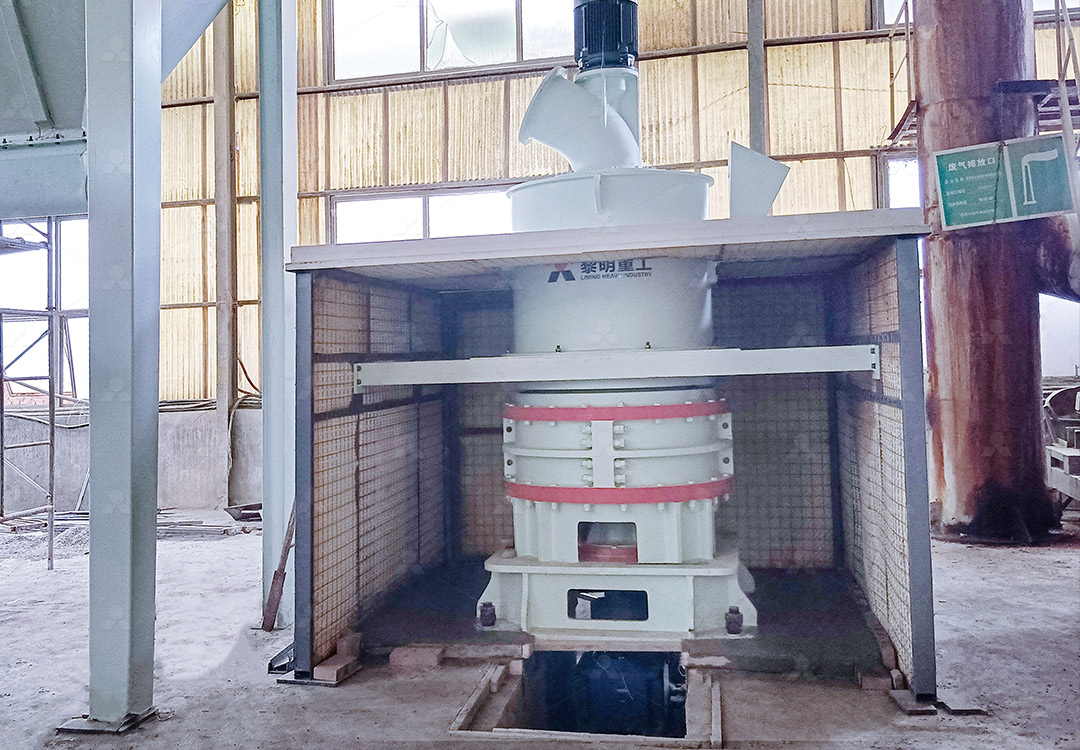
Comparative Analysis: MW Mill vs. LUM Mill for Ultra-Fine Marble
While the MW Ultrafine Grinding Mill is a stellar example of a horizontal ring-roller mill, another powerful option exists for those seeking vertical technology: the LUM Ultrafine Vertical Grinding Mill. Both machines are capable of achieving the 1500 mesh target for marble, but they suit different operational scales and plant layouts. The MW Mill (Input Size: 0-20 mm, Capacity: 0.5-25 tph) is exceptionally versatile for medium-capacity applications where space is less of a constraint and the simplicity of the horizontal design is preferred. Its ‘no bearing’ chamber is a unique selling point for minimizing contamination. On the other hand, the LUM Ultrafine Vertical Grinding Mill (Input Size: 0-10 mm, Capacity: 5-18 tph) integrates grinding, grading, and drying in a single compact vertical shell. Its design utilizes a material bed grinding principle, which can be gentler on the material and further reduces the risk of over-grinding. The LUM mill also features a double position-limiting technology to protect the millstone from destructive impacts, enhancing its stability for larger-scale production. The choice between them often comes down to: the required tonnage, the available headroom for installation, and whether drying is required. For a project requiring a high-yielding, low-contamination vertical solution, the LUM Mill is an excellent choice.
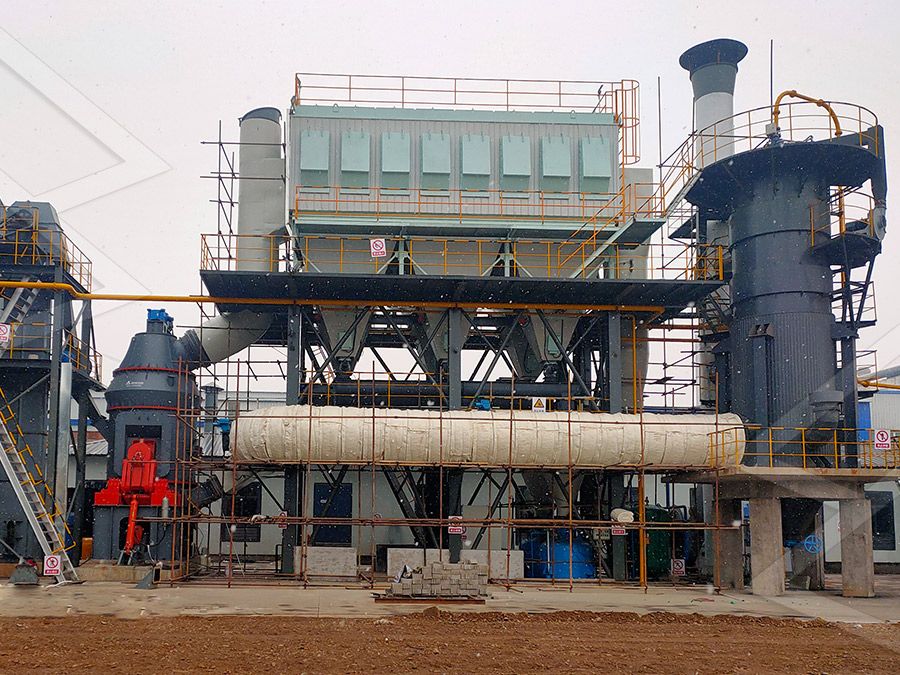
Conclusion: Selecting the Right 1500 Mesh Grinding Mill
Producing a consistent 1500 mesh marble powder is a complex engineering task that demands specialized equipment. The days of simple hammer mills or inefficient ball mills are long gone for this application. The modern processor requires a system that is energy-efficient, precise, reliable, and environmentally compliant. The machine must be built to withstand the rigors of continuous operation while maintaining a low cost per ton. The MW Ultrafine Grinding Mill excels in this arena, offering up to 40% higher capacity than jet mills with only 30% of the energy consumption, all while ensuring a clean product free from bearing or screw-related contamination. Its adjustable fineness and robust design make it a workhorse for the ultra-fine powder market. Similarly, the LUM Ultrafine Vertical Grinding Mill provides a compact, high-capacity alternative with its own set of innovative stability and maintenance features. Ultimately, the selection should be guided by a detailed analysis of the specific raw material, the desired throughput, and the final product’s quality requirements. Partnering with a manufacturer that offers both types of technology and a comprehensive support system, including original spare parts and digitalized processing for higher precision, is the key to a successful and profitable ultra-fine marble grinding operation.
Frequently Asked Questions (FAQ)
- Can the MW Ultrafine Grinding Mill really achieve a d97 of 5μm for marble?
Yes, the mill is designed with a high-precision cage-type powder selector. For specific marble grades and conditions, the screening rate can achieve d97 ≤ 5μm in a single pass. For 1500 mesh (≈10 μm, d97), it is well within the mill’s standard operational range of 325-2500 mesh. - What is the typical power consumption for grinding marble to 1500 mesh?
This is highly variable based on feed size and hardness, but the MW Mill’s system energy consumption is approximately 30% of a jet mill for the same task. This translates to significantly lower operating costs compared to less efficient technologies. - How does the ‘no rolling bearing and screw’ feature prevent contamination?
In traditional mills, the lubricating grease or wear from bearings and screws can mix with the powder. The MW Mill’s chamber has none of these parts, so the only contact is between the material and the wear-resistant rollers and ring, minimizing the risk of metallic or grease contamination. - What is the typical maintenance schedule for the MW Ultrafine Grinding Mill?
The mill is designed for low maintenance. The external oil lubrication system allows for maintenance while running. The grinding rollers and rings, made of high-chrome alloy, have a long service life. A general inspection of the classifier and wearing parts is recommended after approximately 1000-2000 hours of operation, depending on the material’s abrasiveness. - Can the LUM Ultrafine Vertical Grinding Mill process other materials besides marble?
Absolutely. Like the MW mill, the LUM mill is versatile and can process a wide range of non-metallic minerals such as calcite, limestone, dolomite, barite, talc, and coal powder. It is an excellent solution for any ultra-fine dry powder processing requirement. - What is the maximum input moisture content for these mills?
For dry grinding mills, the feed material should generally have a moisture content of less than 5-6%. If the marble is wetter, a drying system can be integrated into the milling circuit. The LUM mill has strong drying capabilities as it is an air-swept design. - How long does it take to switch from grinding one mesh size to another (e.g., from 800 to 1500 mesh)?
The switch is quite fast. The fineness is adjusted by changing the rotational speed of the classifier rotor. This can typically be done within minutes through the PLC control system, without any mechanical disassembly, allowing for quick product changes.