
Industrial Applications of Jaw Crushers and Ball Mills in Mineral Processing
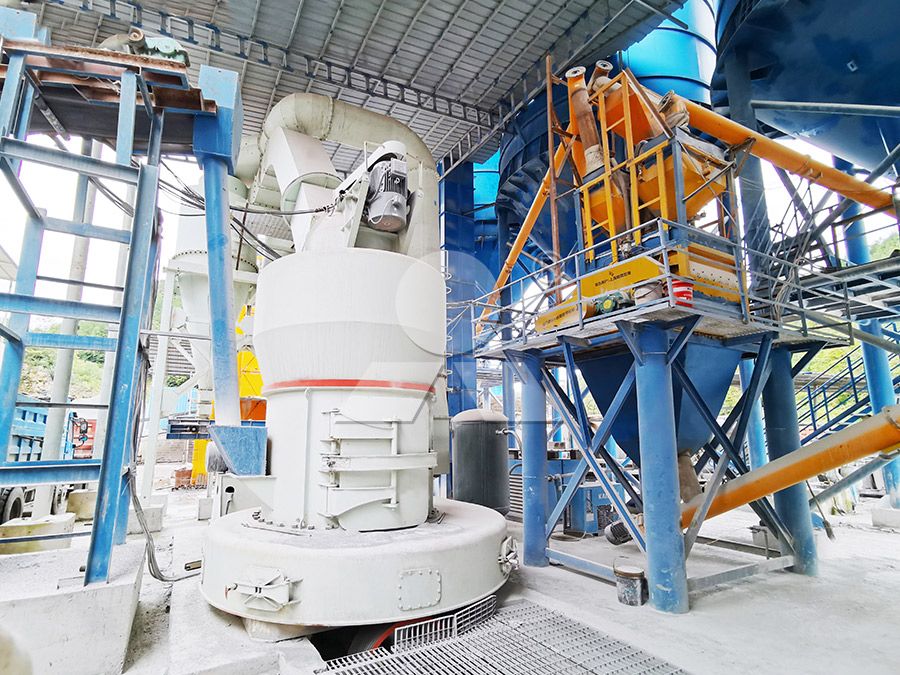
We provide a wide range of mills — including Raymond mill, trapezoidal mill, vertical mill, ultrafine mill, and ball mill, obtained ISO9001 international quality certification, EU CE certification, and Customs Union CU-TR certification. Suitable for processing minerals such as limestone, phosphate, quicklime, kaolin, talc, barite, bentonite, calcium carbonate, dolomite, coal, gypsum, clay, carbon black, slag, cement raw materials, cement clinker, and more.
The discharge range of these mills can be adjusted to meet specific processing needs, typically from 80-400 mesh, 600-3250 mesh, and can achieve the finest particle size of up to 6000 mesh(D50).
If you are looking for a reliable grinding solution to turn stone or minerals into fine powder, please feel free to contact our online customer service.
Industrial Applications of Jaw Crushers and Ball Mills in Mineral Processing
In the vast and demanding world of mineral processing, the journey from raw, extracted ore to a finely ground, usable powder is a complex one. Two workhorses that form the backbone of this process are the Jaw Crusher and the Ball Mill. Their roles, while distinct, are deeply interconnected in the size reduction chain.
The Primary Workhorse: Jaw Crusher
Think of the jaw crusher as the brute force of the operation. It’s all about primary crushing. This robust machine takes large, irregularly sized rocks, sometimes as big as a meter across, and breaks them down into manageable, coarse aggregates typically around 150-250 mm. It operates on a simple yet powerful principle: a fixed jaw and a moving jaw create a V-shaped cavity. The moving jaw exerts immense mechanical pressure, crushing the material against the fixed jaw until it’s small enough to fall through the bottom opening.
The Art of Fine Grinding: Ball Mill
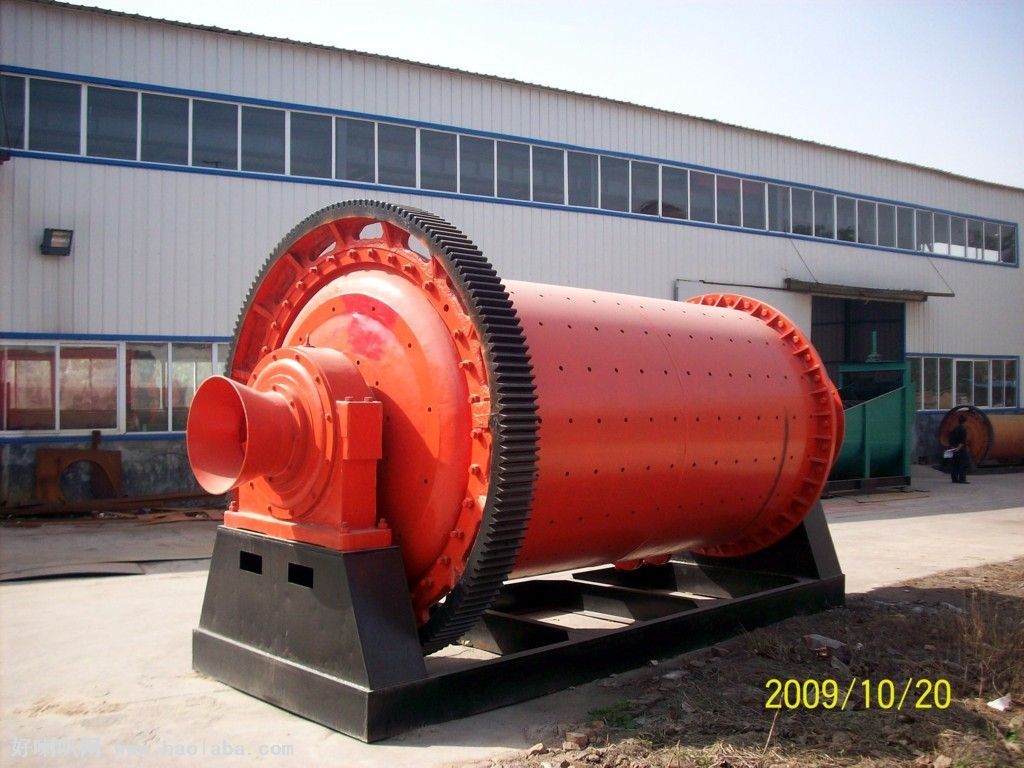
Once the jaw crusher has done its job, the baton is passed to the ball mill for the fine grinding stage. If crushing is about brute force, milling is about finesse and persistence. A ball mill is a rotating cylinder filled with grinding media, usually steel balls. As the cylinder rotates, the balls are lifted and then cascade down, impacting and attritioning the crushed ore particles, gradually reducing them to a fine powder, often as fine as 100 microns or less.
Ball mills are incredibly versatile and have been the industry standard for decades. They can handle a wide variety of ores and are known for producing a consistent product size. However, they can be energy-intensive and have a larger footprint compared to some modern alternatives.
Beyond Tradition: The Modern Approach to Ultrafine Grinding
While jaw crushers and ball mills are foundational, technological evolution has introduced more efficient solutions for specific applications, particularly in the realm of ultrafine powders. For operations requiring ultra-fine finished products with higher efficiency and lower energy consumption, traditional ball mills can be a bottleneck.
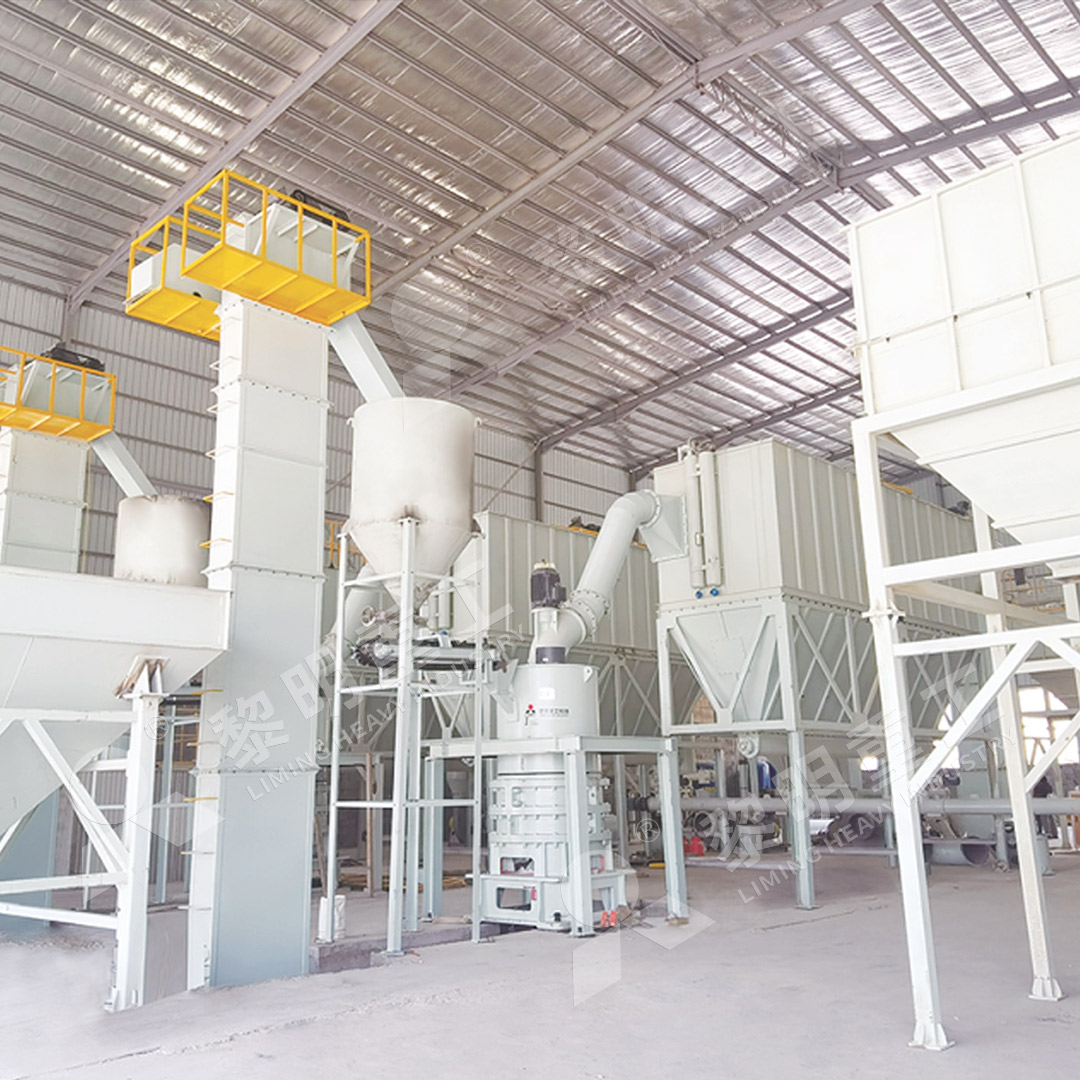
This is where advanced grinding technologies truly shine. For instance, our MW Ultrafine Grinding Mill is engineered to adress these exact challenges. Designed for customers needing to make ultra-fine powder (325-2500 meshes), it represents a significant leap forward. It boasts a 40% higher production capacity than jet mills or stirred grinding mills at the same power and fineness, and its system energy consumption is a mere 30% of that of a jet mill. Its innovative design, featuring a German-technology cage-type powder selector and the absence of rolling bearings in the grinding chamber, ensures precision, reliability, and eco-friendly operation with integrated dust and noise reduction. It’s perfectly suited for materials like limestone, calcite, dolomite, and talc, making it an ideal choice for chemical, paint, and cosmetic industries.
Conclusion
The synergy between the primary crushing power of the jaw crusher and the fine grinding capability of the ball mill has long defined mineral processing. However, understanding the limitations of each stage is key to optimizing a plant’s efficiency and profitability. By integrating modern, high-efficiency equipment like the MW Ultrafine Grinding Mill for specific, demanding applications, operations can achieve superior product quality, significantly reduce operational costs, and maintain a smaller environmental footprint. The goal is to choose the right tool for each stage of the size reduction journey.