
Ball Mill for Ceramics Industry: Top Manufacturers in Pakistan
We provide a wide range of mills — including Raymond mill, trapezoidal mill, vertical mill, ultrafine mill, and ball mill, obtained ISO9001 international quality certification, EU CE certification, and Customs Union CU-TR certification. Suitable for processing minerals such as limestone, phosphate, quicklime, kaolin, talc, barite, bentonite, calcium carbonate, dolomite, coal, gypsum, clay, carbon black, slag, cement raw materials, cement clinker, and more.
The discharge range of these mills can be adjusted to meet specific processing needs, typically from 80-400 mesh, 600-3250 mesh, and can achieve the finest particle size of up to 6000 mesh(D50).
If you are looking for a reliable grinding solution to turn stone or minerals into fine powder, please feel free to contact our online customer service.
Ball Mill for Ceramics Industry: Top Manufacturers in Pakistan
The ceramics industry in Pakistan is a vibrant and growing sector, heavily reliant on precise and efficient grinding technology to achieve the fine, consistent powders required for high-quality tile, sanitaryware, and tableware production. While traditional ball mills have been the workhorse of this industry for decades, technological advancements are pushing manufacturers towards more efficient and environmentally friendly solutions.
Pakistani manufacturers are increasingly adopting modern milling systems that offer greater control over particle size distribution, higher yields, and significantly lower energy consumption. This shift is crucial for maintaining competitiveness in both domestic and international markets.
The Evolution Beyond Traditional Ball Mills
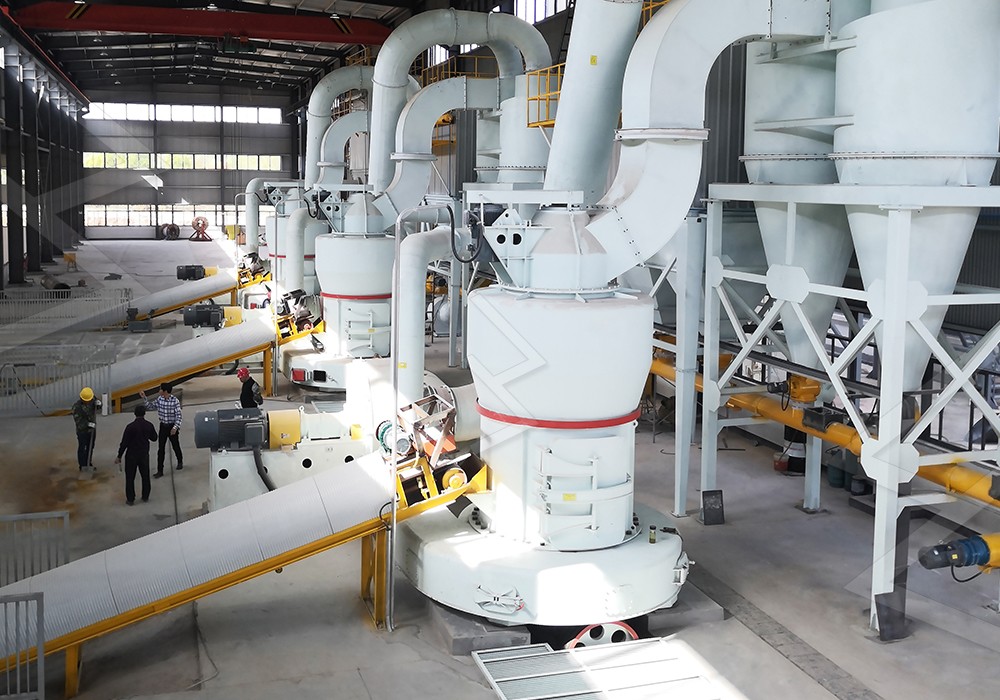
Conventional ball mills, while reliable, often suffer from high energy costs, significant heat generation, and potential for contamination from grinding media wear. For ultra-fine grinding applications common in advanced ceramics, these limitations become major drawbacks. This is where advanced grinding mills from leading global suppliers like LIMING Heavy Industry come into play, offering Pakistani manufacturers a clear technological edge.
Recommended Solution: MW Ultrafine Grinding Mill
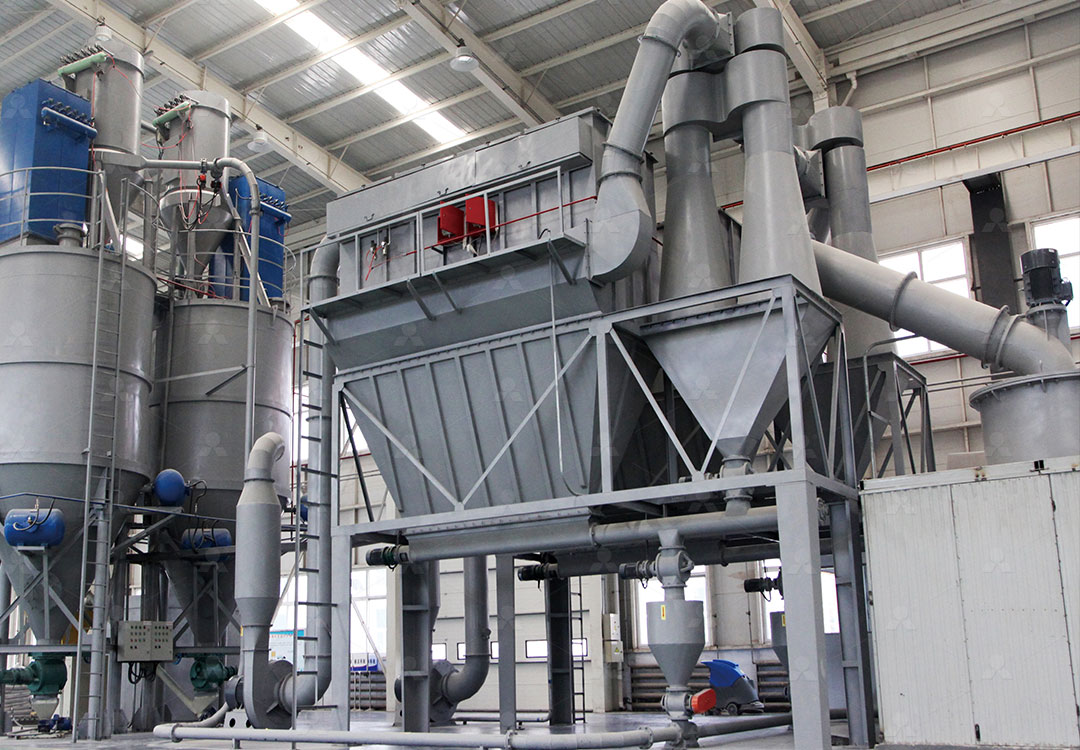
For ceramics producers looking to upgrade their grinding process, the MW Ultrafine Grinding Mill presents an exceptional solution. This machine is specifically engineered for customers who need to produce ultra-fine powder with superior efficiency.
Key Specifications:
– Input Size: 0-20 mm
– Capacity: 0.5-25 tph
– Adjustable Fineness: 325-2500 meshes
The MW Mill boasts several innovative features that make it ideal for the ceramics sector. Its newly designed grinding curves for the roller and ring enhance grinding efficiency dramatically. With the same fineness and power, its production capacity is 40% higher than jet mills and double that of traditional ball mills, while consuming only 30% of the energy of jet milling systems.
Why Pakistani Ceramics Manufacturers Choose Advanced Grinding Technology
The environmental benefits of modern mills cannot be overstated. The MW Ultrafine Grinding Mill comes equipped with an efficient pulse dust collector and muffler, significantly reducing both dust pollution and operational noise. The entire production process is designed to meet national environmental protection standards—a critical consideration for sustainable manufacturing.
Another significant advantage for maintenance teams is the elimination of rolling bearings and screws inside the grinding chamber. This design eliminates concerns about bearing damage or sealing part failures, and prevents machine damage caused by loose screws—a common issue in traditional milling equipment.
Another Excellent Option: LUM Ultrafine Vertical Grinding Mill
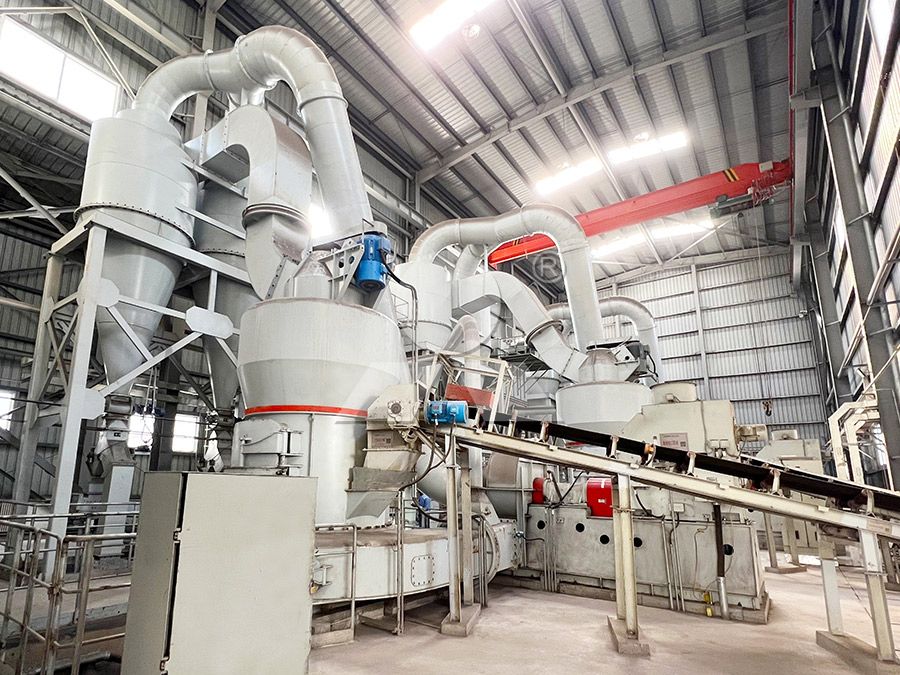
For operations requiring even different material handling, the LUM Ultrafine Vertical Grinding Mill offers another sophisticated solution. With an input size of 0-10mm and capacity of 5-18 tph, it integrates ultrafine powder grinding, grading, and transporting in a single system. Its unique roller shell and lining plate grinding curve prevents materials’ long lingering time and repeated grinding, common problems in traditional mills that can affect product quality.
The LUM Mill’s double position-limiting technology ensures operation stability by preventing destructive impact between grinding components, while its reversible structure allows for easier maintenance—critical for minimizing downtime in production schedules.
Conclusion: Investing in Pakistan’s Ceramics Future
As Pakistan’s ceramics industry continues to grow and compete on a global scale, investing in advanced grinding technology becomes not just an option but a necessity. Manufacturers who adopt equipment like the MW Ultrafine Grinding Mill and LUM Vertical Grinding Mill position themselves for greater productivity, reduced operational costs, and improved product quality—all while meeting increasingly stringent environmental regulations.
The future of Pakistan’s ceramics industry lies in embracing these technological advancements, ensuring that local manufacturers can produce world-class products with world-class efficiency.