
Essential Equipment Maintenance Tips for Efficient Feldspar Powder Production
We provide a wide range of mills — including Raymond mill, trapezoidal mill, vertical mill, ultrafine mill, and ball mill, obtained ISO9001 international quality certification, EU CE certification, and Customs Union CU-TR certification. Suitable for processing minerals such as limestone, phosphate, quicklime, kaolin, talc, barite, bentonite, calcium carbonate, dolomite, coal, gypsum, clay, carbon black, slag, cement raw materials, cement clinker, and more.
The discharge range of these mills can be adjusted to meet specific processing needs, typically from 80-400 mesh, 600-3250 mesh, and can achieve the finest particle size of up to 6000 mesh(D50).
If you are looking for a reliable grinding solution to turn stone or minerals into fine powder, please feel free to contact our online customer service.
Essential Equipment Maintenance Tips for Efficient Feldspar Powder Production
Producing high-quality feldspar powder requires not only advanced machinery but also diligent maintenance practices. Proper upkeep ensures longevity, efficiency, and consistent output. Below are key maintenance strategies tailored for feldspar powder production lines, with a spotlight on our flagship MW Ultrafine Grinding Mill and LUM Ultrafine Vertical Grinding Mill.
1. Regular Lubrication Checks
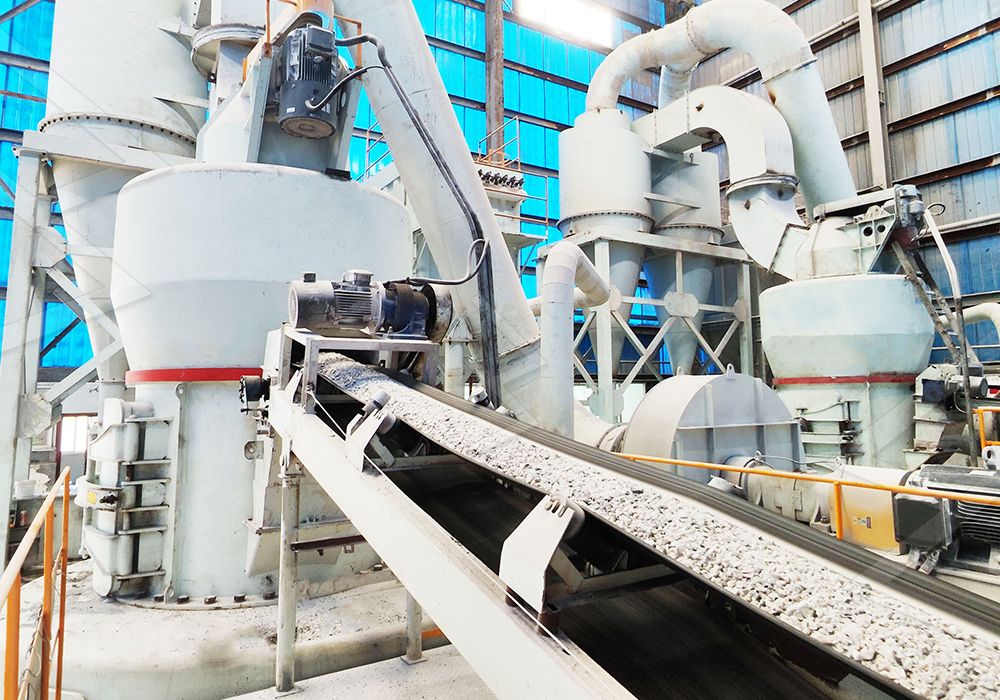
Friction is the enemy of grinding equipment. For mills like the MW Ultrafine Grinding Mill, which features an external lubricating device, ensure grease levels are topped up weekly. The absence of rolling bearings in its grinding chamber reduces wear but doesn’t eliminate the need for scheduled lubrication of other moving parts.
2. Dust Management Systems
Feldspar processing generates fine dust, which can clog machinery and reduce efficiency. Our MW Ultrafine Grinding Mill integrates a pulse dust collector, but filters require monthly cleaning. For the LUM Vertical Mill, inspect the sealing system to prevent leaks, ensuring compliance with environmental standards.
3. Wear-Part Inspections
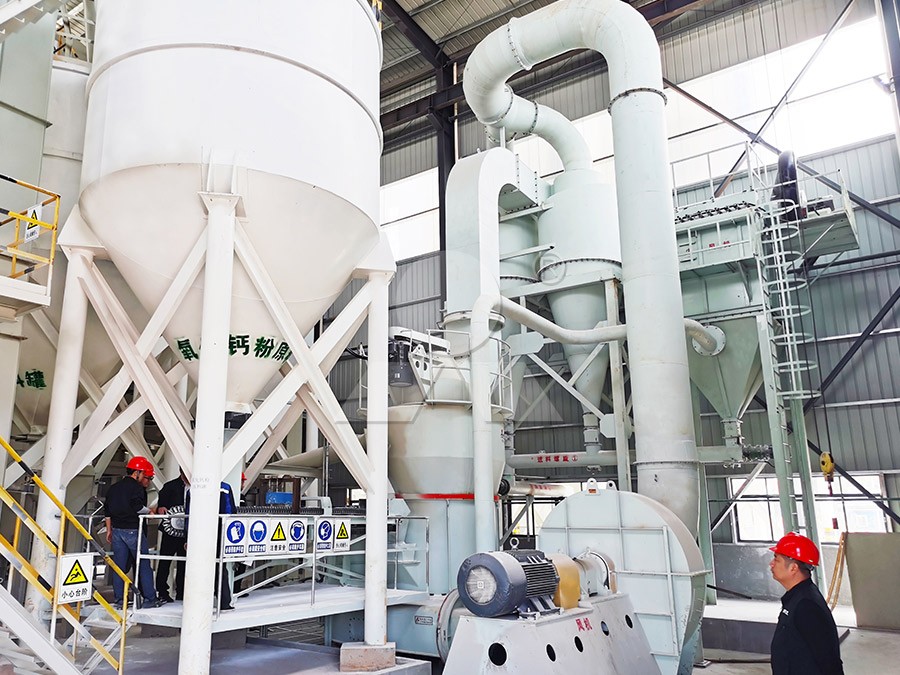
Grinding rollers and rings endure significant abrasion. The LUM Mill’s reversible structure allows easy roller maintenance—schedule bi-annual inspections. Meanwhile, the MW Mill’s German-designed cage-type powder selector should be checked for alignment every 500 operational hours.
4. Optimize Grinding Parameters
Adjust fineness settings based on material hardness. The MW Mill offers 325–2500 mesh flexibility, while the LUM Mill uses PLC controls for precise adjustments. Monitor energy consumption; a sudden spike may indicate misalignment or material feed issues.
5. Noise and Vibration Monitoring
Unusual vibrations often precede mechanical failures. The LUM Mill’s double position-limiting technology mitigates this, but baseline readings should be recorded during installation. For all mills, tighten bolts and inspect shock absorbers quarterly.
Why Choose Our Grinding Mills?
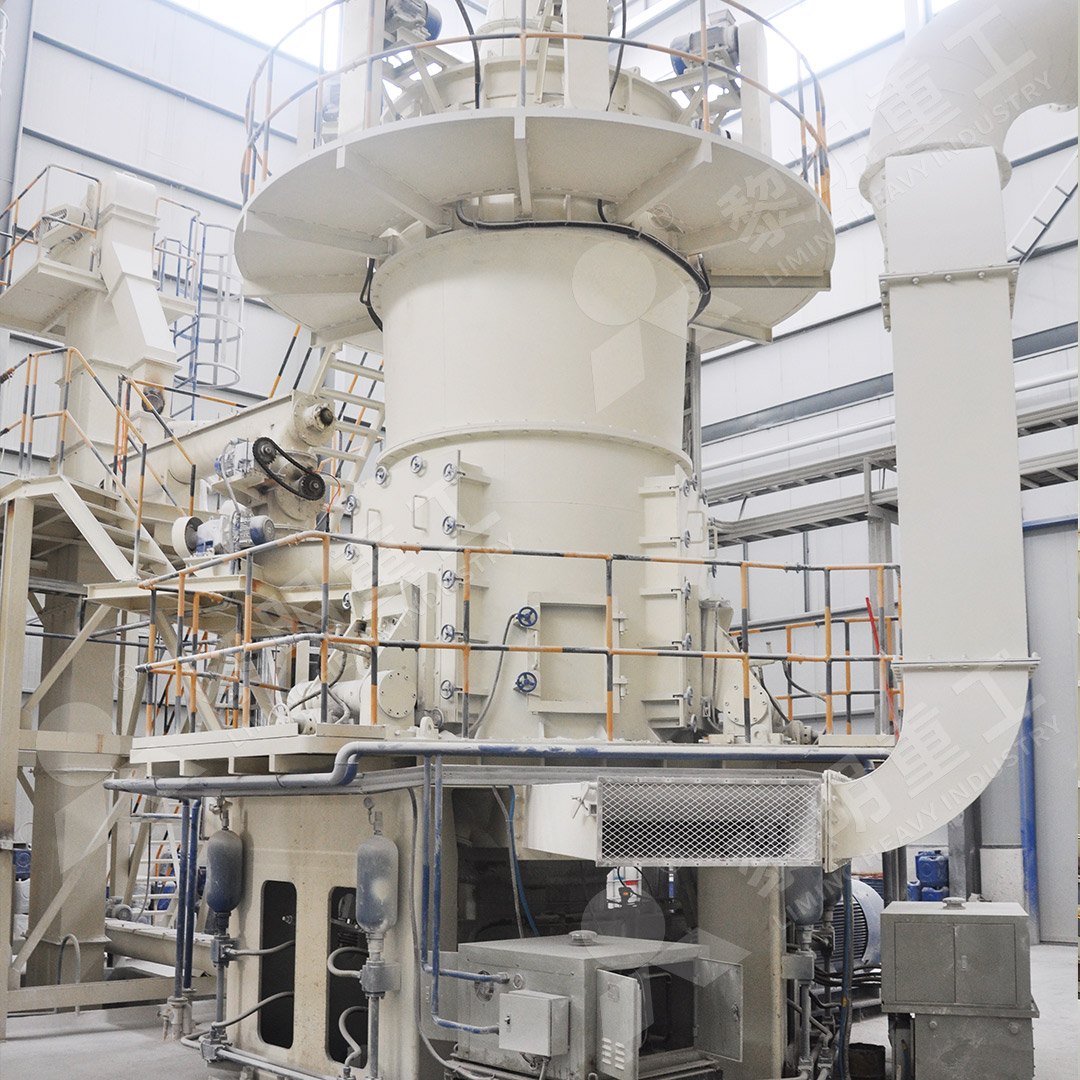
Our MW Ultrafine Grinding Mill (0.5–25 tph capacity) excels in energy efficiency, consuming 30% less power than competitors. The LUM Vertical Mill (5–18 tph) boasts a 50% energy reduction with its multi-head powder separator. Both models feature digitalized processing for precision and come with LIMING’s lifetime technical support.
Conclusion
Proactive maintenance paired with robust equipment like our MW and LUM mills ensures uninterrupted feldspar powder production. Prioritize scheduled checks, leverage advanced features, and consult our team for tailored solutions.