
High-Efficiency Raymond Mill for Humic Acid Grinding: Advanced Powder Processing Solutions
We provide a wide range of mills — including Raymond mill, trapezoidal mill, vertical mill, ultrafine mill, and ball mill, obtained ISO9001 international quality certification, EU CE certification, and Customs Union CU-TR certification. Suitable for processing minerals such as limestone, phosphate, quicklime, kaolin, talc, barite, bentonite, calcium carbonate, dolomite, coal, gypsum, clay, carbon black, slag, cement raw materials, cement clinker, and more.
The discharge range of these mills can be adjusted to meet specific processing needs, typically from 80-400 mesh, 600-3250 mesh, and can achieve the finest particle size of up to 6000 mesh(D50).
If you are looking for a reliable grinding solution to turn stone or minerals into fine powder, please feel free to contact our online customer service.
Introduction to Humic Acid Grinding Challenges
Humic acid is a complex organic substance derived from decomposed plant matter, widely used in agriculture as a soil conditioner, fertilizer additive, and plant growth stimulant. However, its processing presents unique challenges due to its fibrous nature, high moisture content, and tendency to clog traditional grinding equipment. Standard mills often struggle with inconsistent particle sizes, excessive energy consumption, and frequent maintenance downtime. This is where a dedicated high-efficiency Raymond mill, optimized for humic acid, becomes essential. At Liming Heavy Industry, we have leveraged decades of experience to deliver advanced powder processing solutions that transform raw humic materials into fine, uniform powders with minimal operational headaches.
Why a Specialized Raymond Mill for Humic Acid?
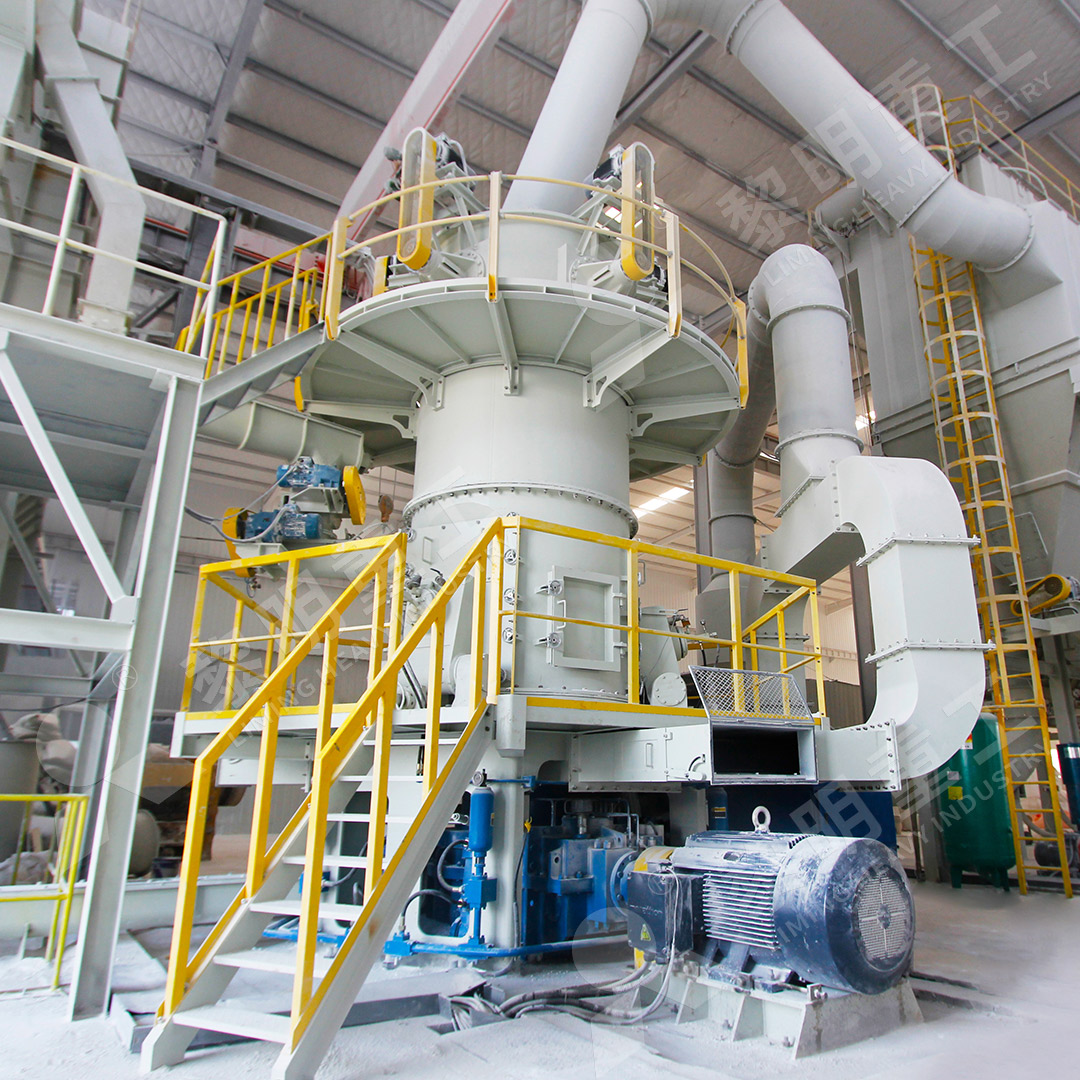
Traditional Raymond mills were designed for hard minerals like limestone and barite, but humic acid requires a gentler yet efficient approach. Our high-efficiency Raymond mill incorporates a newly designed grinding curve for rollers and rings, which enhances grinding action without overheating or degrading the organic compounds. This is critical because humic acid loses its beneficial properties when exposed to excessive heat. The mill’s cage-type powder selector, based on German technology, ensures precise particle size control between 325 and 2500 meshes, allowing you to tailor the powder for specific agricultural applications such as foliar sprays or soil blends. Additionally, the mill operates with a pulse dust collector and silencer, addressing environmental concerns while maintaining high throughput.
Key Features of Our Advanced Humic Acid Grinding Mill
Our Raymond mill is not a one-size-fits-all solution; it is specifically engineered for organic materials like humic acid. The grinding chamber contains no rolling bearings or screws, eliminating common failure points like bearing seal damage or loose screw issues. The lubrication system is mounted externally on the main shaft, enabling non-stop lubrication and 24-hour continuous production—a boon for large-scale humic acid processors. Furthermore, the mill boasts a 40% higher capacity than jet or stirred mills for the same fineness and power consumption, and its yield is double that of a ball mill. Energy consumption is only 30% of a comparable jet mill, making it both cost-effective and environmentally friendly.
For customers needing ultra-fine grinding of humic acid and similar materials, we recommend the MW Ultrafine Grinding Mill. With an input size of 0-20 mm and a capacity of 0.5-25 tph, it is ideal for achieving fineness down to d97 ≤ 5 microns. Its pulse dust collector and muffler ensure a clean, quiet operation, and the digitalized manufacturing process guarantees high precision in every component. This mill is perfect for the chemical and food additive industries where humic acid is used as a binder or nutrient carrier.
Working Principle: From Lump to Fine Powder
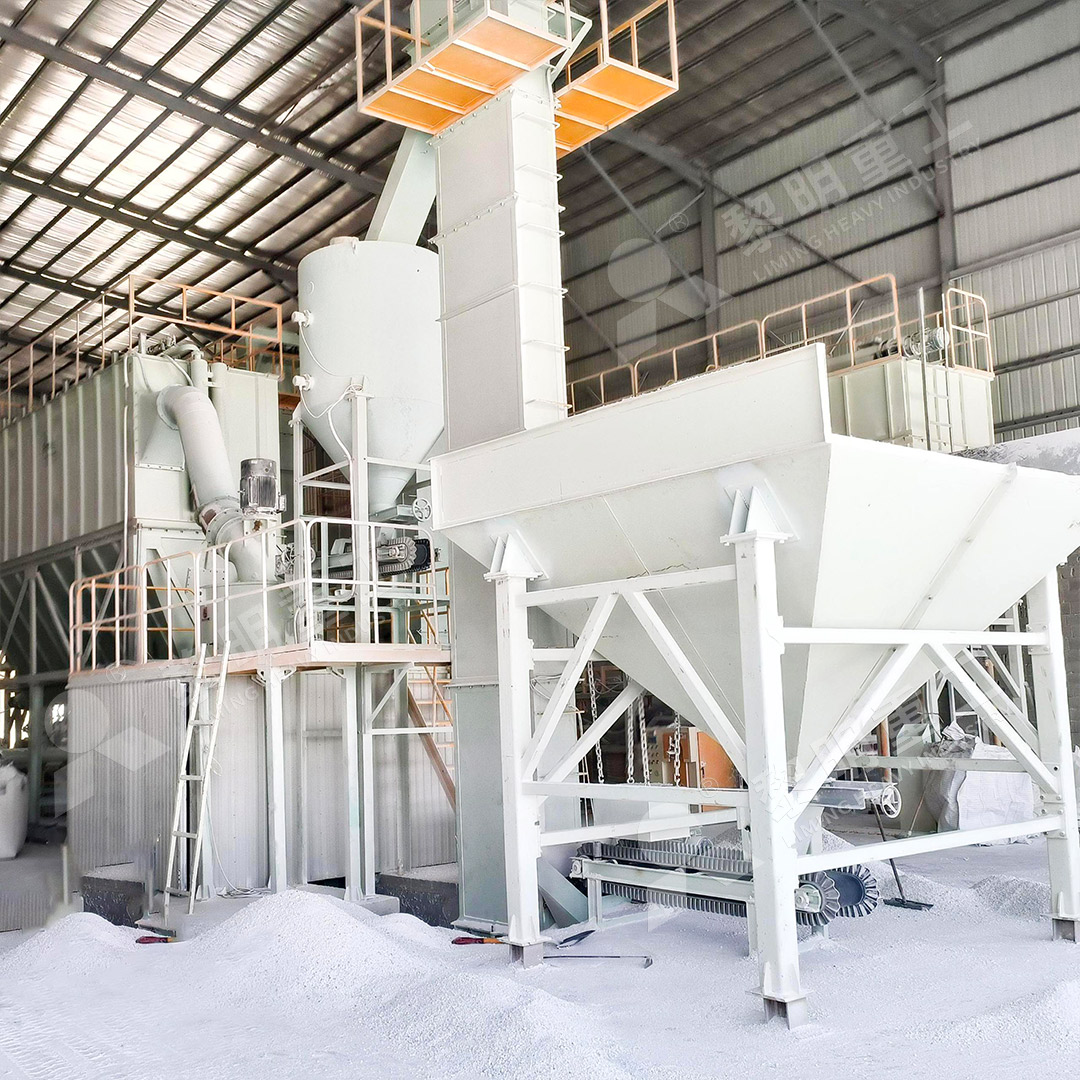
The grinding process begins with raw humic acid, crushed to under 25 mm, being fed into a hopper. A vibrating feeder delivers the material evenly to the mill’s grinding chamber. Inside, the motor drives the main shaft and turnplates through a reducer, causing dozens of rollers to rotate against the ring’s raceway. The material is crushed into powder as it passes through multiple stages. An external blower inhales air, carrying the fine powder to a separator where a turbine removes coarse particles for regrinding. The fine powder then enters a cyclone collector and is discharged as the final product. Air with minimal dust passes through the blower and muffler after purification, ensuring no environmental pollution. This closed-loop system makes our mill ideal for sensitive organic materials.
Real-World Applications and Benefits
Our high-efficiency Raymond mill has been successfully deployed in humic acid processing plants across Asia and Europe. Farmers and fertilizer manufacturers report improved crop yields after switching to our micronized humic acid powder, which dissolves faster and penetrates soil deeper. The mill’s ability to handle materials with up to 10% moisture without clogging is a game-changer for organic processors. Additionally, the system’s digital controls allow operators to adjust fineness on the fly, accommodating different customer specifications without stopping production. The result is a versatile, low-maintenance solution that pays for itself within months through energy savings and reduced downtime.
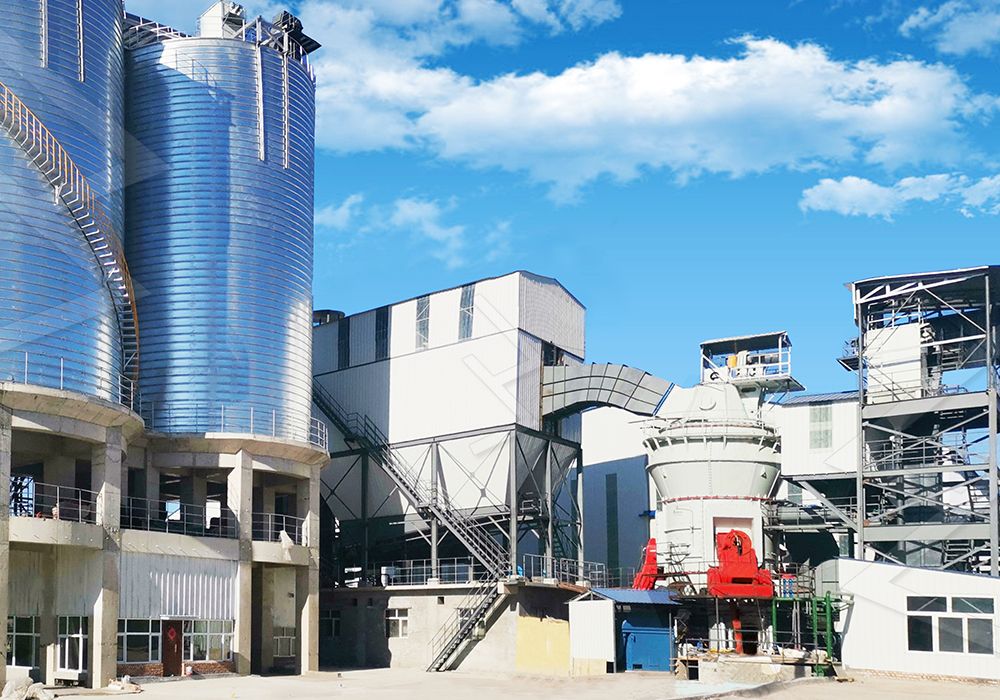
For larger-scale operations, consider the LUM Ultrafine Vertical Grinding Mill. It accepts input sizes up to 10 mm and handles capacities of 5-18 tph. Its reversible structure and hydraulic adjustment system make maintenance a breeze, while the double position-limiting technology prevents destructive vibrations. This mill is perfect for high-volume humic acid grinding where consistency and uptime are critical.
Environmental Compliance and Operator Safety
Modern regulations demand that grinding operations minimize dust, noise, and energy waste. Our Raymond mill meets these standards with its efficient pulse dust collector that captures 99.9% of particles, and a silencer that reduces noise to below 85 decibels. The entire system operates under negative pressure, preventing dust leaks. For operators, the mill’s digital control panel provides real-time data on temperature, pressure, and output, enabling proactive adjustments. This not only protects the environment but also ensures a safer workplace.
Conclusion: Invest in the Future of Organic Processing
The demand for high-quality humic acid powder is growing as sustainable agriculture expands. By choosing our high-efficiency Raymond mill, you gain a competitive edge with lower operating costs, higher yields, and superior product quality. Whether you need the ultra-fine capabilities of the MW Ultrafine Grinding Mill or the high-volume throughput of the LUM Ultrafine Vertical Grinding Mill, our team at Liming Heavy Industry offers customized solutions and full technical support. Contact us today for a consultation or to schedule a test grind with your humic acid samples.
Frequently Asked Questions (FAQ)
- What is the moisture limit for humic acid fed into your Raymond mill?
Our mill can handle humic acid with moisture content up to 10% without clogging. For higher moisture, a pre-drying step or a hot-air system (available as an option) is recommended. - Can your mill achieve a fineness of 1000 mesh for humic acid?
Yes, with the adjustable cage-type powder selector, you can achieve fineness from 325 to 2500 meshes. For humic acid, 1000 mesh is easily attainable at a capacity of around 1-2 tph on our MW Ultrafine Mill. - How often do the grinding rollers and rings need replacement?
For humic acid (which is less abrasive than minerals), the wear parts can last 12-18 months under continuous operation. We also supply original spare parts quickly to minimize downtime. - Is your mill suitable for other organic materials like seaweed or lignite?
Absolutely. Our mill is designed for fibrous and organic materials. We have successfully tested it with seaweed, peat, and lignite, achieving similar high yields and fine powders. - Do you provide installation and training?
Yes, we offer on-site installation supervision, commissioning, and training for your operators. Additionally, our digital manuals and remote support are included with every purchase. - What is the power consumption per ton of humic acid ground to 500 mesh?
On our MW Ultrafine Mill, power consumption is approximately 20-30 kWh per ton for humic acid, depending on initial moisture and target fineness. This is 30-50% lower than jet mills. - Can the mill be integrated into an existing production line?
Yes, our Raymond mills have a compact footprint and can be easily integrated with upstream crushers and downstream packaging systems. We provide custom layout drawings during the quotation phase. - What warranty do you offer on the mill?
We provide a standard 12-month warranty from the date of commissioning, covering defects in materials and workmanship. Extended warranty plans are also available. - How do you handle dust during operation?
The integrated pulse dust collector captures all fine particles, and the system operates under negative pressure. Our emission levels are well below international standards, making it safe for indoor installations. - Can I request a sample test before purchasing?
Certainly. We have test centers in multiple countries where you can send your humic acid sample for a free grinding trial. We will provide a detailed report on fineness, capacity, and energy use.