
High-Efficiency Quartz Sand Vertical Mill for Industrial Powder Processing
We provide a wide range of mills — including Raymond mill, trapezoidal mill, vertical mill, ultrafine mill, and ball mill, obtained ISO9001 international quality certification, EU CE certification, and Customs Union CU-TR certification. Suitable for processing minerals such as limestone, phosphate, quicklime, kaolin, talc, barite, bentonite, calcium carbonate, dolomite, coal, gypsum, clay, carbon black, slag, cement raw materials, cement clinker, and more.
The discharge range of these mills can be adjusted to meet specific processing needs, typically from 80-400 mesh, 600-3250 mesh, and can achieve the finest particle size of up to 6000 mesh(D50).
If you are looking for a reliable grinding solution to turn stone or minerals into fine powder, please feel free to contact our online customer service.
Introduction to Modern Quartz Sand Milling
The industrial processing of quartz sand has evolved significantly over the past decade. Traditional ball mills and Raymond mills, while still in use, often fall short when it comes to energy efficiency, product fineness consistency, and operational stability. For operations targeting ultra-fine powders—ranging from 325 mesh to 2500 mesh—the choice of grinding equipment directly impacts profitability and product quality. This article delves into the technical advancements of vertical mill technology, specifically designed for high-efficiency quartz sand processing, and highlights how modern solutions address common industry pain points.
Why Vertical Mills for Quartz Sand?
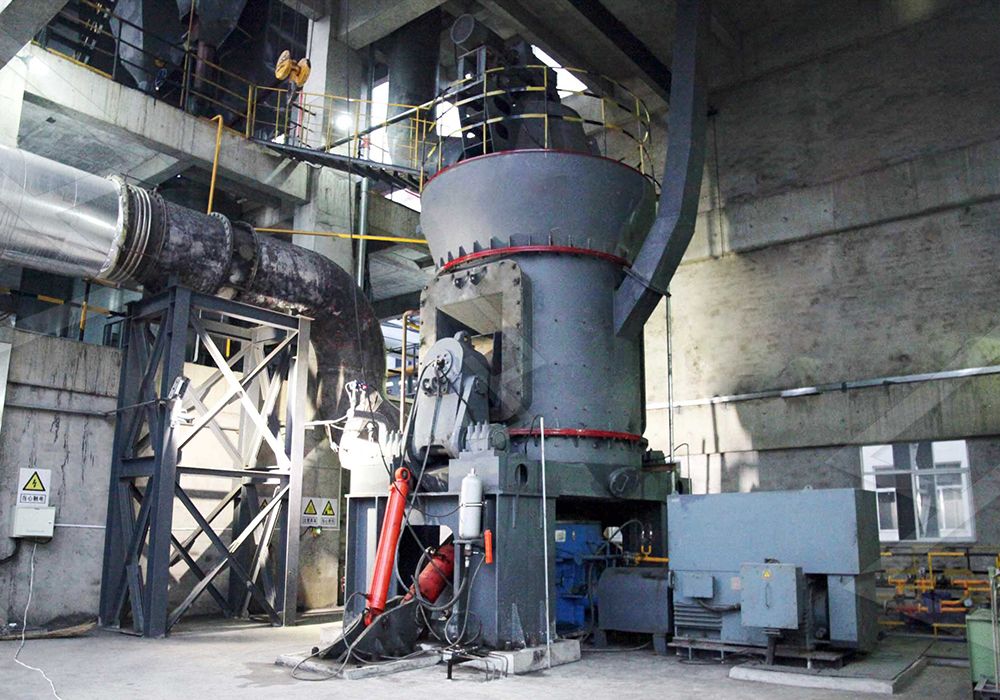
Quartz sand, with its high hardness and abrasiveness, demands robust machinery. Vertical mills offer several advantages over horizontal counterparts. The grinding process occurs between a rotating grinding table and stationary or rotating rollers, utilizing a material bed for inter-particle crushing. This mechanism reduces direct metal-to-metal contact, minimizing wear and iron contamination—a critical factor for industries like ceramics, glass, and electronics where purity is paramount. Furthermore, the integrated classification system ensures that only particles meeting the target fineness exit the mill, while oversize material is continuously recirculated for further grinding.
Key Performance Metrics
When evaluating a quartz sand vertical mill, three metrics dominate: throughput capacity, specific energy consumption, and product fineness. For medium to large-scale operations, the MW Ultrafine Grinding Mill stands out. With an input size of 0-20 mm and a capacity range of 0.5-25 tph, it is engineered for consistent ultra-fine output. Its cage-type powder selector, derived from German technology, achieves a screening rate of d97≤5μm in a single pass, making it ideal for high-value applications like paint, cosmetics, and food additives. The elimination of rolling bearings and screws within the grinding chamber further enhances reliability, reducing unplanned downtime.
Energy Efficiency and Environmental Compliance
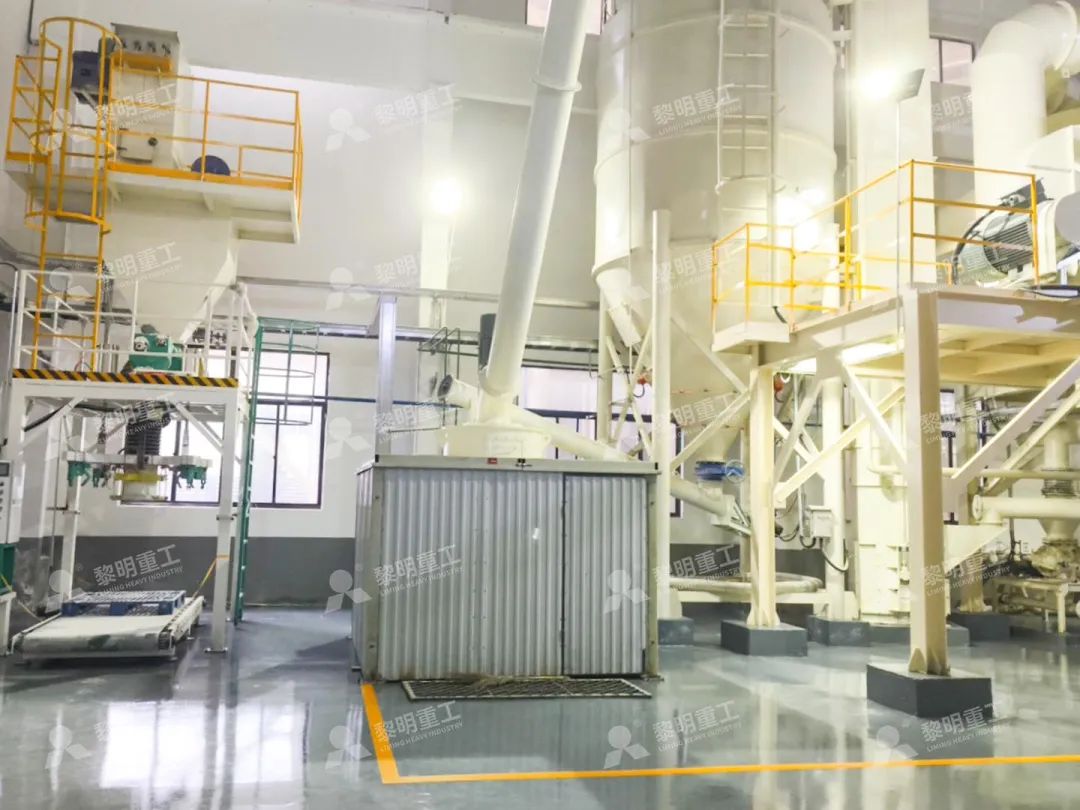
Energy costs represent a substantial portion of operational expenses in grinding. Compared to jet mills or stirred mills, the MW Ultrafine Grinding Mill delivers 40% higher capacity under the same power consumption, with system energy usage at only 30% of a conventional jet mill. This efficiency is achieved through newly designed grinding curves that optimize the contact between rollers and rings. Additionally, the integrated pulse dust collector and muffler ensure that the entire milling system operates within national environmental standards, with no dust pollution and significantly reduced noise levels.
Operational Stability and Maintenance
One of the most common headaches in grinding operations is vibration-induced damage and the need for frequent bearing replacements. The LUM Ultrafine Vertical Grinding Mill addresses this with double position-limiting technology. Electronic and mechanical limiting protect the millstone from destructive impacts caused by unexpected vibration, such as from mine blasts. The reversible structure of the roller assembly allows maintenance crews to swing the grinding roller out of the body for inspection and replacement of roller shells and liner plates without extensive disassembly. This design drastically reduces shutdown losses. For quartz sand processors who require continuous 24-hour operation, this reliability translates directly into higher annual throughput.
Automation and Digital Precision
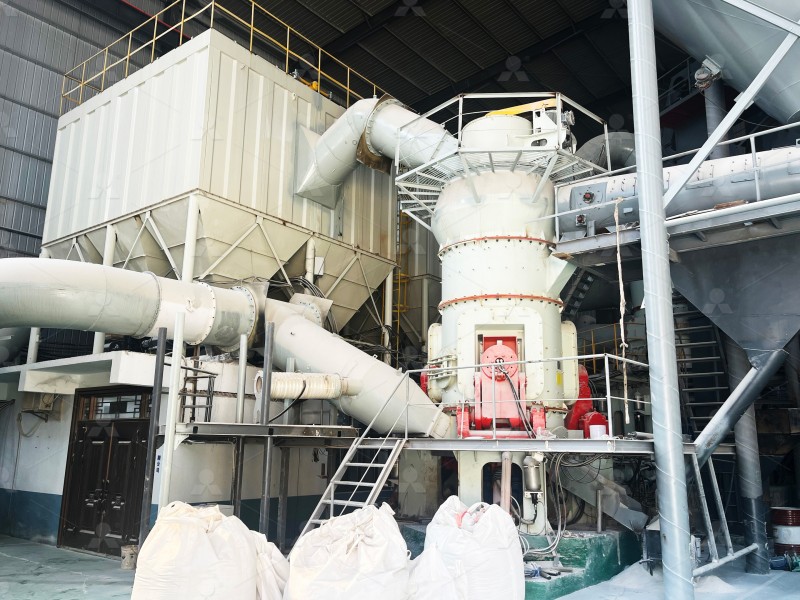
Modern grinding mills are not just mechanical devices; they are digital processing units. Both the MW and LUM series utilize PLC control systems and multi-head powder separating technology. Operators can precisely adjust grinding pressure, separator speed, and material feed rate to switch between different product specifications rapidly. This is especially valuable for contract grinding facilities that process multiple materials in a single shift. The numerical control machining of core parts—cutting, bending, planing, milling, and painting—ensures that every component meets tight tolerances, resulting in consistent performance and longer service life.
Case Study: Switch from Ball Mill to Vertical Mill
A calcium carbonate processor in Fujian province recently replaced a traditional ball mill with the LUM Ultrafine Vertical Grinding Mill. Previously, they produced 8 tons per hour of 1250 mesh powder with an energy consumption of 75 kWh per ton. After the upgrade, the same fineness was achieved at 12 tons per hour, consuming only 45 kWh per ton—a 60% improvement in energy efficiency. The operator also reported a noticeable increase in product whiteness, attributed to the reduced iron contamination from the new grinding curve design. This case underscores the financial and quality benefits of adopting advanced vertical mill technology.
Spare Parts and After-Sales Support
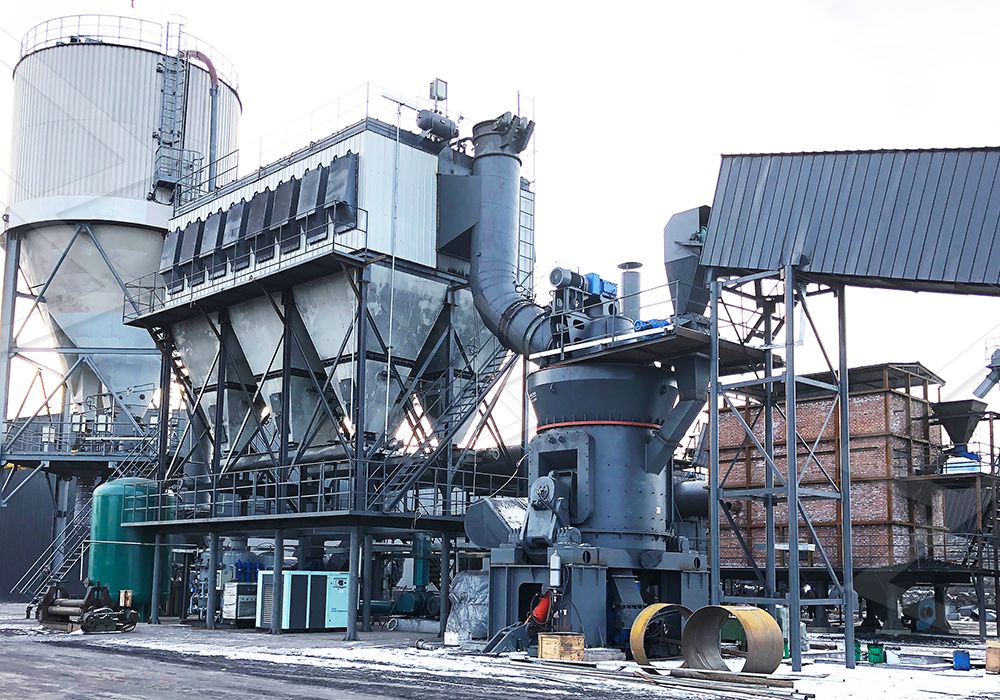
No machine can run forever without support. LIMING takes full responsibility for every mill it produces, maintaining extensive inventories of original spare parts. For the MW Ultrafine Grinding Mill, wear parts such as grinding rollers and rings are manufactured with wear-resistant alloys developed in collaboration with scientific institutes, offering a service life 1.7 to 2.5 times longer than high-manganese steel alternatives. For the LUM series, the hydraulic adjustment system and reversible structure simplify roller shell replacement, further reducing the need for specialized labor. This comprehensive support ensures worry-free operation over the mill’s lifetime.
Conclusion
High-efficiency quartz sand vertical mills have become the standard for industrial powder processing, offering unmatched energy savings, product quality, and operational reliability. Whether a processor requires ultra-fine powders for high-value applications or high-capacity grinding for bulk materials, the MW Ultrafine Grinding Mill and LUM Ultrafine Vertical Grinding Mill provide proven solutions. By integrating advanced automation, robust mechanical design, and comprehensive after-sales service, these mills empower operators to achieve their production goals while reducing total cost of ownership.
Frequently Asked Questions (FAQs)
- What is the maximum feed size for the MW Ultrafine Grinding Mill?
The MW Ultrafine Grinding Mill accepts a feed size of 0-20 mm. Larger material must be pre-crushed using a hammer crusher or similar equipment before entering the mill. - Can these vertical mills handle materials other than quartz sand?
Yes. Both the MW and LUM series are suitable for a wide range of non-metallic minerals, including limestone, calcite, dolomite, barite, marble, talc, gypsum, and petroleum coal. They are also used in chemical, paint, cosmetic, and pharmaceutical applications. - How does the dust collection system work in the MW mill?
The MW Ultrafine Grinding Mill is equipped with an efficient pulse dust collector. Airflow containing fine powder passes through filter bags, where dust is captured and periodically cleaned via compressed air pulses. The cleaned air then passes through a muffler before being released, meeting strict environmental standards. - What is the typical maintenance interval for grinding rollers?
For the LUM Ultrafine Vertical Grinding Mill, the grinding roller shell and liner plate typically require inspection after 2000-3000 hours of operation, depending on material abrasiveness. The reversible structure allows one side to be used, then flipped, effectively doubling the wear life before replacement is necessary. - Can the fineness be adjusted while the mill is running?
Yes. Both mills feature adjustable powder separators controlled via the PLC system. Operators can change the rotating speed of the separator rotor to adjust fineness between 325 and 2500 meshes without stopping the mill, allowing quick product changeovers. - What is the power consumption difference between the MW and a traditional ball mill?
The MW Ultrafine Grinding Mill consumes approximately 30-40% less energy than a ball mill for the same throughput and fineness. For ultra-fine grinding (above 1250 mesh), the energy savings can be even more pronounced, often exceeding 50%. - Is operator training provided with the mill purchase?
Yes. LIMING provides comprehensive on-site training for operators and maintenance personnel, covering startup procedures, parameter adjustments, routine maintenance, and troubleshooting. Technical documentation and remote support are also available.