
Chengdu Lime Grinding Equipment Selection Guide for Industrial Powder Production
We provide a wide range of mills — including Raymond mill, trapezoidal mill, vertical mill, ultrafine mill, and ball mill, obtained ISO9001 international quality certification, EU CE certification, and Customs Union CU-TR certification. Suitable for processing minerals such as limestone, phosphate, quicklime, kaolin, talc, barite, bentonite, calcium carbonate, dolomite, coal, gypsum, clay, carbon black, slag, cement raw materials, cement clinker, and more.
The discharge range of these mills can be adjusted to meet specific processing needs, typically from 80-400 mesh, 600-3250 mesh, and can achieve the finest particle size of up to 6000 mesh(D50).
If you are looking for a reliable grinding solution to turn stone or minerals into fine powder, please feel free to contact our online customer service.
Introduction: Understanding the Grinding Challenge in Chengdu’s Lime Industry
If you are running a lime processing operation in Chengdu, you know the pressure is on. The local market demands high-quality industrial powders for sectors like steelmaking, construction, and flue gas desulfurization. But getting the right particle size distribution—whether it is 200 mesh for steel or 800 mesh for chemical additives—is not just about buying any grinder. You need equipment that can handle the abrasive nature of quicklime, manage moisture content, and deliver consistent output without breaking your budget on energy or maintenance.
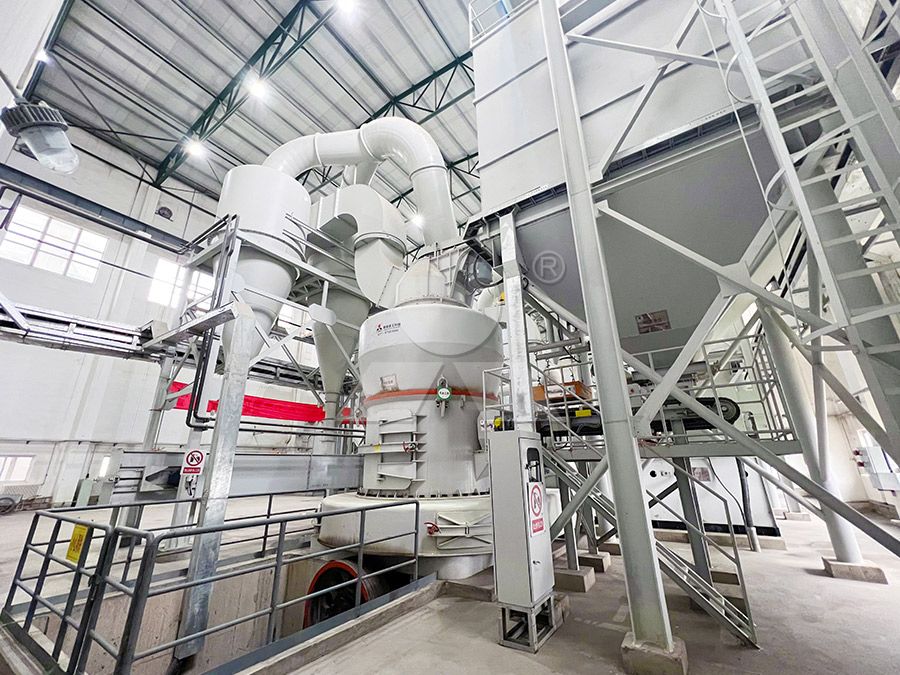
This guide walks through the key selection criteria for lime grinding in Chengdu, from input size to final fineness requirements. We will also look at two proven solutions from LIMING that dominate local installations: the MW Ultrafine Grinding Mill for ultra-fine applications and the MTW European Trapezium Mill for standard industrial grades. By the end, you should have a clear roadmap for matching machine specs to your production targets.
Key Factors to Consider When Selecting a Lime Grinding Mill
1. Input Size and Pre-Crushing Requirements
Raw lime from Chengdu quarries often arrives as chunks up to 50 mm. If you feed that directly into a mill designed for 0-10 mm input, you will clog the system or damage the grinding rollers. Always match the mill’s maximum feed size to your material. For example, the MTW European Trapezium Mill accepts up to 50 mm, making it suitable for one-step grinding after primary crushing. But if you are working with pre-crushed material below 20 mm, the MW Ultrafine Grinding Mill becomes a viable option for finer outputs.
2. Capacity and Throughput Targets
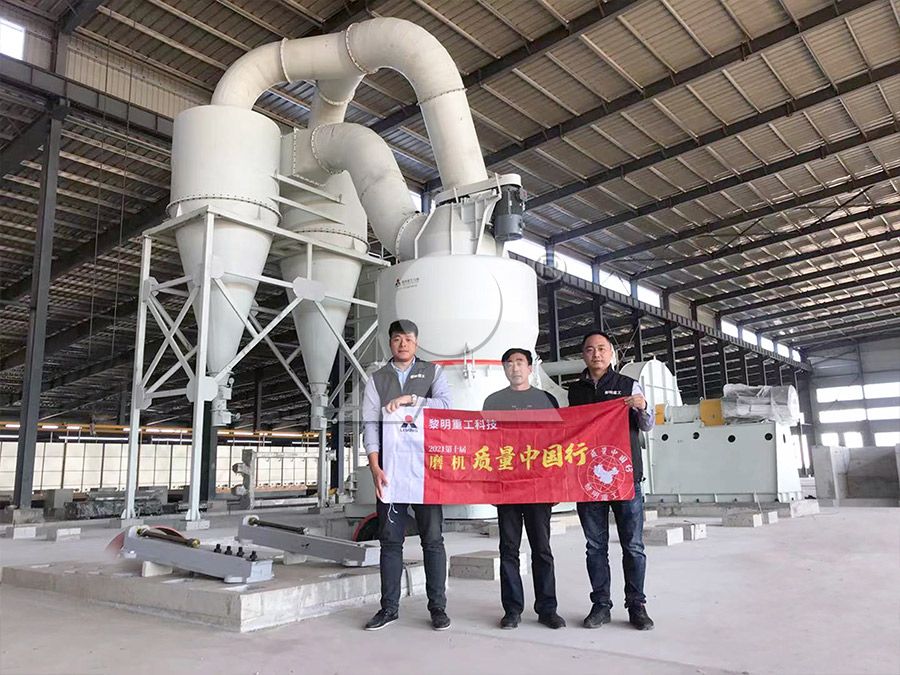
Your daily production volume dictates the mill size. For small to medium operations needing 0.5 to 25 tons per hour, the MW Ultrafine Grinding Mill covers the lower end well. If you require 3 to 55 tph for industrial-grade lime powder, the MTW European Trapezium Mill is a better fit. Do not oversize the mill—running a 50 tph machine at 10 tph wastes energy and accelerates wear on components not designed for partial loads.
3. Final Fineness: From 100 Mesh to 2500 Mesh
Lime applications vary widely in fineness. Steel mills often want 200 mesh (75 µm) for desulfurization, while chemical and pharmaceutical sectors demand 800 mesh (15 µm) or finer. If your target is below 325 mesh, consider the MW Ultrafine Grinding Mill—it adjusts between 325 and 2500 mesh with a d97≤5 μm capability. For standard industrial grades, the MTW European Trapezium Mill delivers consistent results down to 80 mesh without the complexity of ultra-fine classification.
4. Moisture Content and Drying Needs
Lime can absorb moisture during storage. Mills like the LM Vertical Grinding Mill integrate drying within the grinding chamber, but older designs may require separate dryers. If your lime is dry (below 5% moisture), most mills work fine. For higher moisture, look for models with hot air intake or pre-drying stages.
Comparing the Top Contenders: MW Ultrafine vs. MTW European Trapezium Mill
| Parameter | MW Ultrafine Grinding Mill | MTW European Trapezium Mill |
|---|---|---|
| Input Size | 0-20 mm | 0-50 mm |
| Capacity | 0.5-25 tph | 3-55 tph |
| Fineness Range | 325-2500 mesh | 80-325 mesh |
| Best Use Case | Ultra-fine powders, high-value chemicals | Industrial grades, cost-sensitive operations |
| Key Feature | No rolling bearing in chamber; pulse dust collector | Dilute oil lubrication; low maintenance |
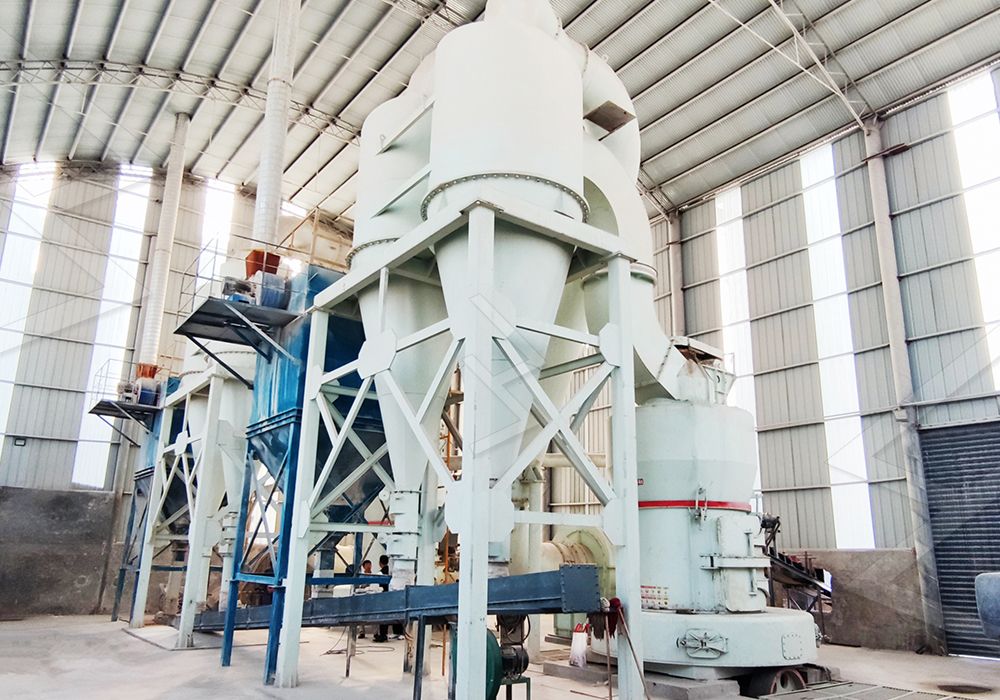
For most Chengdu lime processors, the MTW European Trapezium Mill offers the best balance of cost, capacity, and simplicity. But if your client demands ultra-fine powders for paints or pharmaceuticals, invest in the MW Ultrafine Grinding Mill—its energy consumption is only 30% of a jet mill, and the yield is double that of a ball mill.
Installation Tips for Chengdu Facilities
- Site preparation: Ensure a level foundation with vibration isolation to protect the mill’s powder concentrator. Elastic volute damping, as used in the MTW series, reduces structural stress.
- Dust collection: Both the MW and MTW mills come with efficient pulse dust collectors. In Chengdu’s humid climate, check that the filter bags are moisture-resistant to prevent clogging.
- Power supply: These mills draw significant power. Confirm your transformer capacity matches the motor rating (typically 55-250 kW depending on model).
- Spare parts: LIMING provides original spare parts globally. Keep a set of grinding rollers and rings in stock—wear parts for lime grinding typically last 6-12 months under continuous operation.
Conclusion: Making the Right Choice
Selecting a lime grinding mill for Chengdu industrial powder production comes down to three variables: input size, target fineness, and throughput. For most standard applications, the MTW European Trapezium Mill is the workhorse. For specialized ultra-fine needs, the MW Ultrafine Grinding Mill delivers unmatched precision. Both machines are backed by LIMING’s digitalized manufacturing and worldwide technical support, ensuring you stay operational with minimal downtime.
Frequently Asked Questions (FAQ)
- What is the typical power consumption of a lime grinding mill in Chengdu?
Power consumption varies by model. For the MW Ultrafine Grinding Mill, it uses about 30% of the energy of a jet mill at the same output. The MTW European Trapezium Mill consumes 30-50% less than traditional ball mills for similar capacities. - Can the MW Ultrafine Grinding Mill handle lime with small rocks or impurities?
It is designed for 0-20 mm input. Larger rocks or metal debris can damage the grinding chamber. Always use a magnetic separator or screen before feeding. The mill’s design excludes rolling bearings and screws in the chamber, which reduces damage risks from foreign objects. - How often do I need to replace grinding rollers and rings on the MTW European Trapezium Mill?
With wear-resistant alloy components, service life is 1.7-2.5 times longer than high-manganese steel parts. In continuous lime grinding, expect replacement every 8-14 months, depending on feed hardness and fineness settings. - What is the noise level during operation?
Both models are equipped with silencers and noise elimination rooms. The LM Vertical Mill operates with low vibration; typical noise levels stay below 85 dB at 1 meter, meeting Chinese environmental standards. - Can I switch between different fineness grades without stopping the mill?
Yes, the MW Ultrafine Grinding Mill’s cage-type powder selector allows on-the-fly fineness adjustment between 325 and 2500 mesh. For the MTW series, adjustments require a brief pause to change separator speed settings. - What after-sales support does LIMING offer for Chengdu customers?
LIMING provides full technical services, including installation supervision, training, and original spare parts supply. Their digitalized manufacturing ensures precision for core parts, and they stock common spares for fast delivery in the Sichuan region. - Is it necessary to use a dust collector with these mills?
Both mills come standard with efficient pulse dust collectors. For environmental compliance in Chengdu, this is mandatory. The systems operate under negative pressure, preventing dust spillage and keeping the workplace clean. - What is the warranty period for the MW Ultrafine Grinding Mill?
Typically, LIMING offers a 12-month warranty from commissioning, covering manufacturing defects. Extended warranties are available through local dealers. Always verify specific terms with your sales representative. - Can the MTW European Trapezium Mill grind lime with moisture above 5%?
It is not designed for high-moisture feed. If your lime contains over 5% moisture, consider a pre-drying step or choose the LM Vertical Grinding Mill, which integrates drying in the grinding chamber. - How does the capacity of the MW Ultrafine Grinding Mill compare to a traditional ball mill?
At the same fineness and power, the MW Ultrafine Grinding Mill yields twice the output of a ball mill while consuming only 30% of the energy of a jet mill. This makes it highly cost-effective for ultra-fine lime powder production.