
Graphite Mill Production Line: Complete Setup Guide and Price Analysis
We provide a wide range of mills — including Raymond mill, trapezoidal mill, vertical mill, ultrafine mill, and ball mill, obtained ISO9001 international quality certification, EU CE certification, and Customs Union CU-TR certification. Suitable for processing minerals such as limestone, phosphate, quicklime, kaolin, talc, barite, bentonite, calcium carbonate, dolomite, coal, gypsum, clay, carbon black, slag, cement raw materials, cement clinker, and more.
The discharge range of these mills can be adjusted to meet specific processing needs, typically from 80-400 mesh, 600-3250 mesh, and can achieve the finest particle size of up to 6000 mesh(D50).
If you are looking for a reliable grinding solution to turn stone or minerals into fine powder, please feel free to contact our online customer service.
Introduction to Graphite Milling
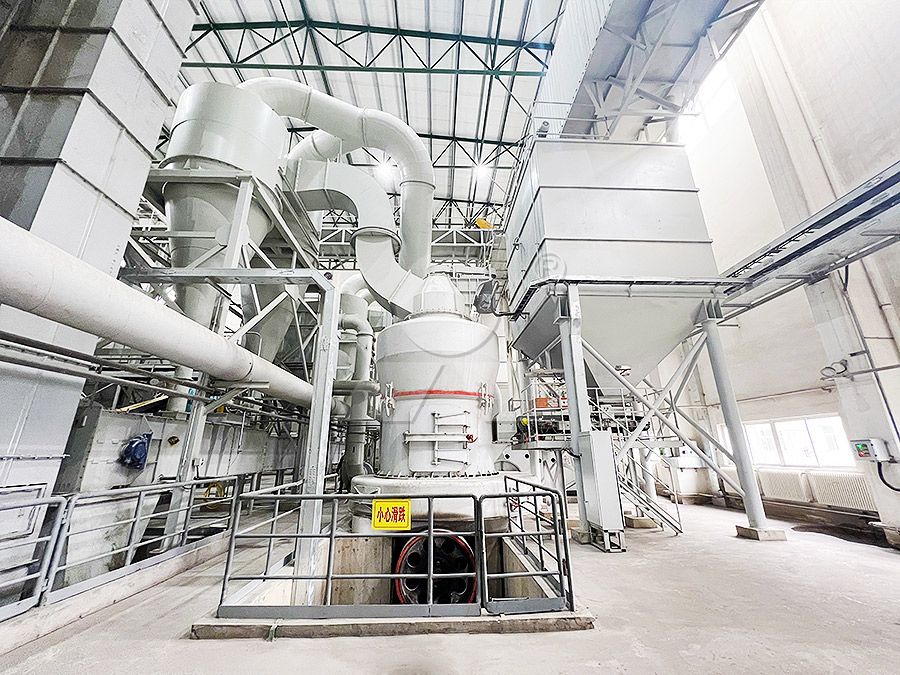
Setting up a graphite mill production line requires careful consideration of raw material characteristics, desired fineness, capacity requirements, and environmental compliance. Graphite, being a soft but abrasive material, demands grinding equipment that can handle its unique properties without excessive wear or contamination. This guide provides a complete walkthrough for establishing a graphite grinding operation, covering equipment selection, system configuration, and cost factors. For high-capacity operations requiring ultra-fine output, we strongly recommend our MW Ultrafine Grinding Mill, designed to produce powders from 325 to 2500 mesh with energy consumption 40% lower than jet mills.
Raw Material Preparation and Primary Crushing
Graphite ore typically enters the production line with lump sizes ranging from 50 mm to 200 mm. The first stage involves primary crushing using a jaw crusher to reduce feed size below 20-25 mm. This step is crucial because consistent feed size ensures stable operation of the downstream grinding mill. For our MW Ultrafine Grinding Mill, the maximum input size is 20 mm, so proper pre-crushing guarantees smooth material flow and prevents blockages. A vibrating feeder with adjustable speed controls the material feed rate, matching the mill’s capacity of 0.5 to 25 tph.
Core Grinding Equipment Selection
The heart of any graphite milling line is the grinding mill itself. Graphite particles are lamellar and tend to smear under compression, making impact-based grinding less effective. Our MW Ultrafine Grinding Mill addresses this through a multi-stage grinding mechanism. The material passes through three turnplates, each with rollers that crush and shear the graphite against a raceway ring. The key advantage is the absence of rolling bearings or screws in the grinding chamber, eliminating common failure points. For customers needing even finer powders, our LUM Ultrafine Vertical Grinding Mill offers a capacity of 5-18 tph with fineness adjustable via PLC-controlled multi-head powder separation technology, reducing energy consumption by 30-50% compared to conventional mills.
Classification and Collection System
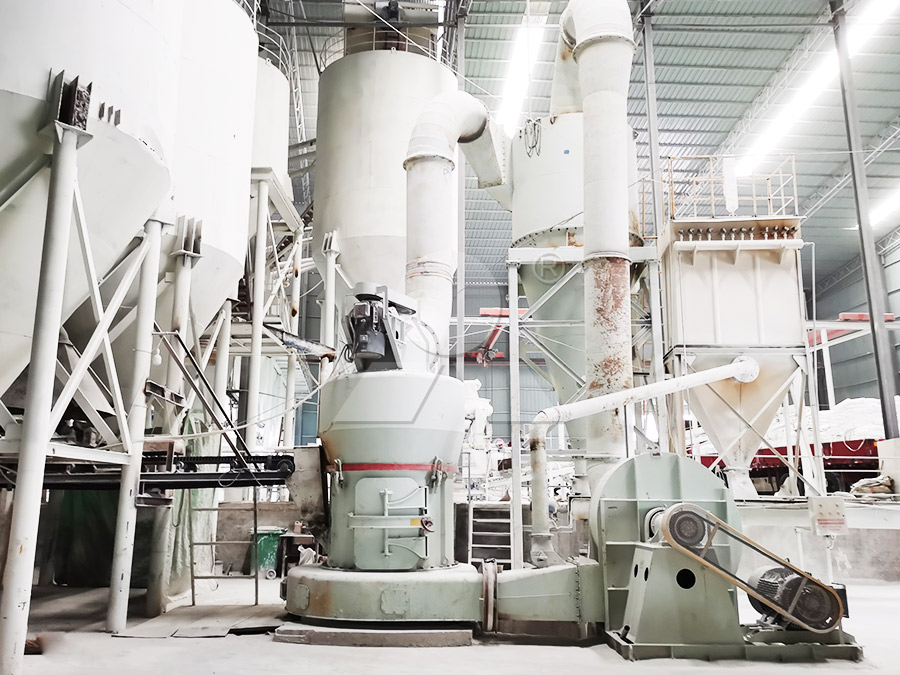
After grinding, the air-swept powder enters a cage-type powder separator. For graphite, achieving a narrow particle size distribution is critical for applications like battery anodes or lubricants. The MW Ultrafine Grinding Mill’s separator, based on German technology, can achieve d97 ≤ 5μm in a single pass. The fine powder is collected by a cyclone collector, while the exhaust air passes through a pulse dust collector and muffler before release. This closed-loop system meets strict environmental standards, with dust emissions below 10 mg/Nm³. The entire classification process is integrated, requiring no additional sieving equipment.
Automation and Control Systems
Modern graphite production lines rely on digital control for consistent quality. Our MW Ultrafine Grinding Mill features a PLC-based system that monitors motor load, separator speed, and air flow. Operators can adjust fineness between 325 and 2500 meshes without stopping production. The lubrication system operates externally, allowing 24-hour continuous operation without shutdown for maintenance. For larger installations, the LUM Ultrafine Vertical Grinding Mill includes touch-screen interfaces and remote monitoring capabilities, making it suitable for unmanned operations.
Price Analysis and Cost Factors
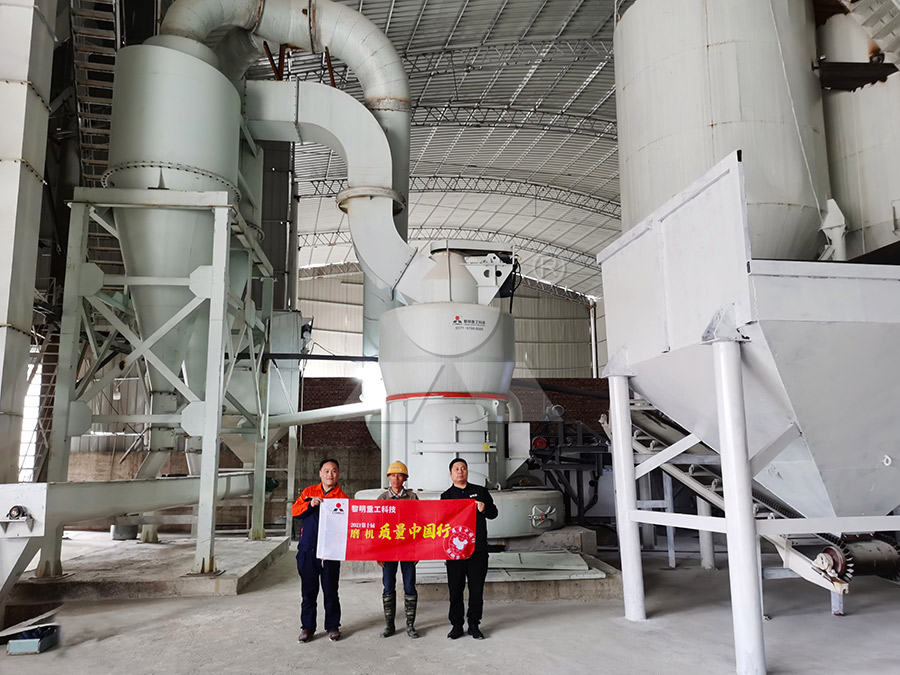
The total investment for a graphite mill production line varies based on capacity, automation level, and auxiliary equipment. A complete line including crusher, elevator, feeder, MW Ultrafine Grinding Mill, dust collector, and control panel typically ranges from $120,000 to $600,000 for capacities of 0.5-25 tph. Key cost drivers include:
- Mill motor power: 55-200 kW depending on model
- Pulse dust collector configuration
- Separator type (multi-head cage type adds 15-20% cost)
- Spare parts package (rollers and rings last 8000-12000 hours)
Operational costs average $8-15 per ton of graphite processed, considering electricity, wear parts, and labor. The high energy efficiency of our mills—consuming only 30% of the power required by jet mills—provides long-term savings that offset the initial investment within 12-18 months.
Maintenance and Spare Parts Strategy
Graphite’s abrasiveness accelerates wear on grinding elements, but our designs incorporate high-chrome alloy rollers and rings with service lives 1.7-2.5 times longer than conventional materials. The MW Ultrafine Grinding Mill’s chamber has no screws or bearings to loosen, and the main shaft lubrication is external, enabling maintenance without stopping production. We maintain a global inventory of original spare parts, ensuring delivery within 48 hours for most regions. Our technical support team provides on-site training and remote troubleshooting to maximize uptime.
Environmental and Safety Considerations
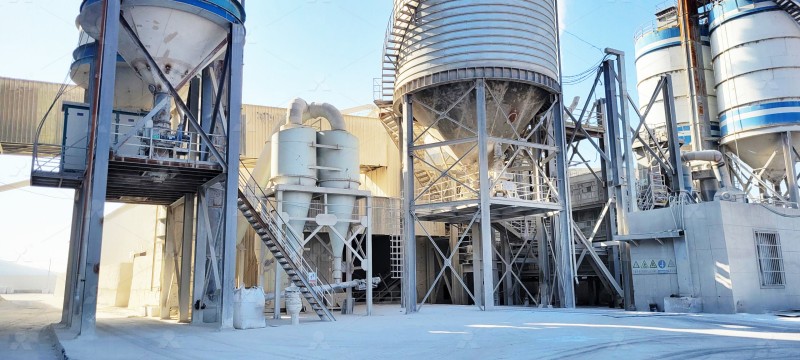
Graphite dust is combustible under certain conditions, requiring explosion-proof equipment and proper grounding. Our mills are equipped with pressure relief panels and inert gas purging options. The pulse dust collector and silencer reduce noise to below 85 dB, meeting OSHA standards. The entire system operates under negative pressure, preventing dust leaks. For greenfield projects, we offer turnkey solutions including civil engineering, electrical installation, and commissioning support.
Frequently Asked Questions (FAQ)
- What is the maximum graphite feed size for the MW Ultrafine Grinding Mill?
The recommended feed size is 0-20 mm. Larger materials must be pre-crushed using a jaw crusher to avoid damaging the grinding chamber. - Can the production line handle different graphites like flake or amorphous?
Yes, both flake and amorphous graphites process well. The adjustable separator speed and grinding pressure allow optimization for each type. - What is the average power consumption per ton of finished graphite?
For the MW Ultrafine Grinding Mill, power consumption ranges from 25-40 kWh per ton for 800 mesh product, depending on hardness. - How long do the grinding rollers and rings last?
Under normal conditions with graphite (Mohs hardness 1-2), roller and ring service life is 8000-12000 hours. Amorphous graphite may cause slightly higher wear. - Do you provide installation and training?
Yes, we offer on-site installation supervision, commissioning, and operator training for all our mills. Remote support is also available. - What is the warranty period for the MW Ultrafine Grinding Mill?
Standard warranty is 12 months from commissioning or 18 months from shipment, covering manufacturing defects. Extended warranties are available. - Can the system be expanded for higher capacity later?
Yes, the modular design allows adding a second mill or upgrading the classifier. Our engineering team can design for future scalability.