
Optimizing Ore Crushing and Grinding Mills for Efficient Powder Processing
We provide a wide range of mills — including Raymond mill, trapezoidal mill, vertical mill, ultrafine mill, and ball mill, obtained ISO9001 international quality certification, EU CE certification, and Customs Union CU-TR certification. Suitable for processing minerals such as limestone, phosphate, quicklime, kaolin, talc, barite, bentonite, calcium carbonate, dolomite, coal, gypsum, clay, carbon black, slag, cement raw materials, cement clinker, and more.
The discharge range of these mills can be adjusted to meet specific processing needs, typically from 80-400 mesh, 600-3250 mesh, and can achieve the finest particle size of up to 6000 mesh(D50).
If you are looking for a reliable grinding solution to turn stone or minerals into fine powder, please feel free to contact our online customer service.
Introduction
In the mineral processing industry, the journey from raw ore to market-ready powder hinges on two critical stages: crushing and grinding. While crushers reduce large rocks to manageable sizes, grinding mills take over to achieve the fine and ultra-fine particles required for applications ranging from construction materials to pharmaceuticals. The efficiency of this process directly impacts energy consumption, product quality, and operational costs. Over the past decade, advancements in mill technology have shifted the focus from simple size reduction to integrated systems that offer higher yields, lower energy use, and environmentally friendly operations.
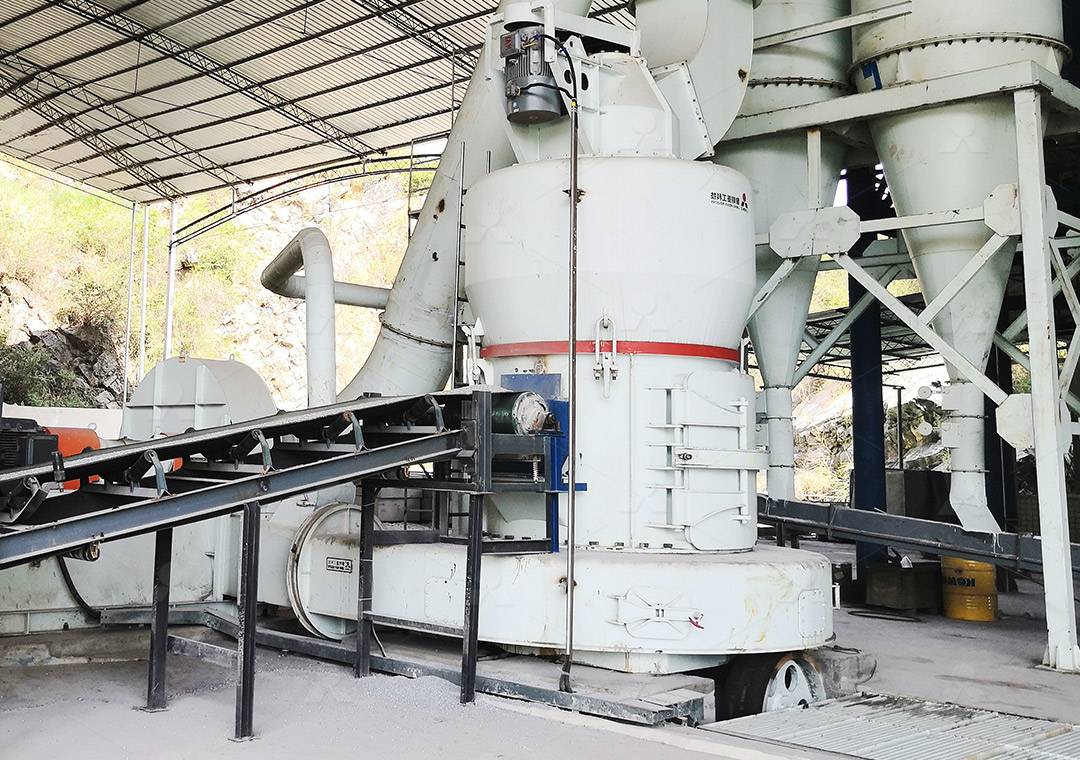
The Core Challenges in Ore Grinding
Traditional grinding methods, such as ball mills and jet mills, often struggle with high energy demands and inconsistent particle size distribution. A ball mill, for instance, relies on steel balls impacting the material, leading to significant wear, noise, and energy loss—often 30%% to 50%% of the power input is wasted as heat. Moreover, achieving ultra-fine powders below 325 mesh typically requires multiple passes, which prolongs processing time and increases operational complexity. These challenges have driven the development of vertical roller mills and ultra-fine grinding technologies that promise better control, reduced iron contamination, and higher throughput.
Key Design Innovations in Modern Grinding Mills
Modern grinding mills incorporate several proprietary features to overcome traditional limitations. One of the most impactful is the redesign of grinding curves for rollers and rings. By optimizing the contact geometry, manufacturers have increased the grinding efficiency significantly. For example, a well-designed roller shell and lining plate curve can create a stable material bed, enabling inter-particle grinding that reduces direct metal-to-metal contact. This not only lowers wear but also improves the whiteness and purity of the final product—critical for industries like paint and cosmetics.
Another breakthrough is the adoption of multi-head powder separating technology. Traditional separators often struggled to balance precision with capacity, but modern cage-type separators, inspired by German engineering, allow for adjustable fineness between 325 and 2500 mesh. With a screening rate that can achieve d97 ≤ 5 μm in a single pass, these separators eliminate the need for re-grinding cycles, boosting throughput while maintaining tight particle size distributions.
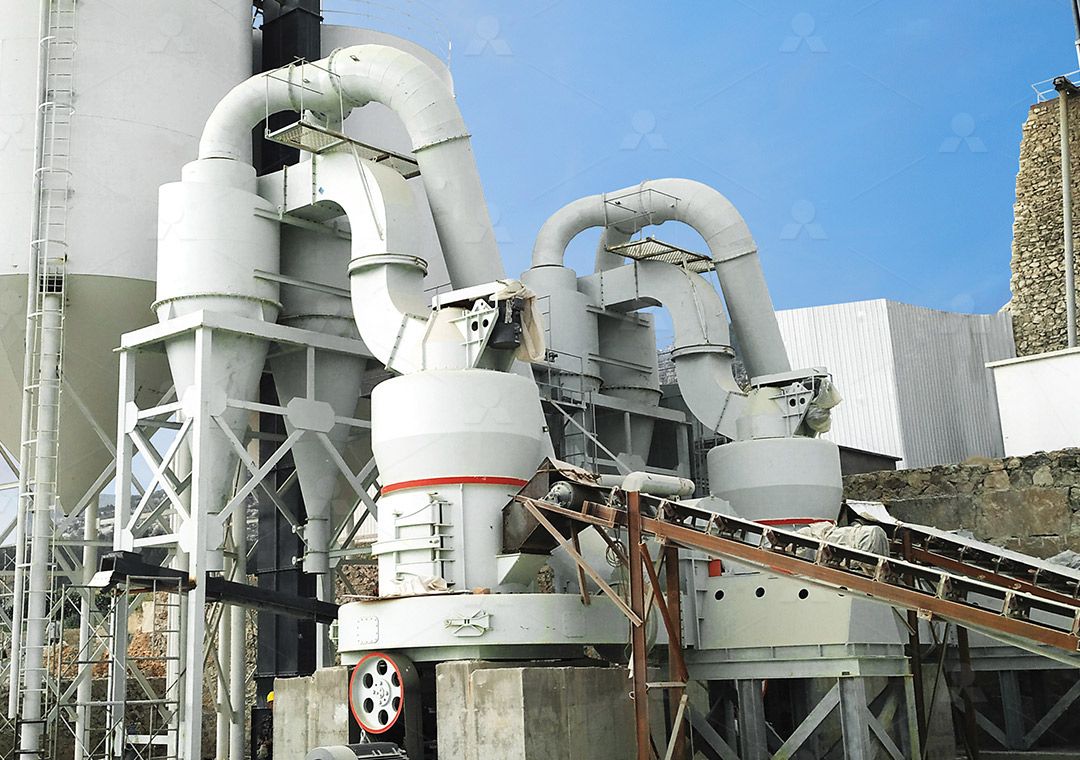
Energy Efficiency and Environmental Considerations
Energy consumption remains the single largest operational expense in grinding operations. Compared to traditional jet mills, which can consume excessive energy due to high-speed air compression, modern ultra-fine mills have demonstrated up to 70%% energy savings. This is achieved through a combination of lower-resistance air ducts, optimized grinding pressures, and the elimination of unnecessary components like shovel blade cylinders, which increases ventilation area and reduces air-conveying resistance.
Environmental regulations are also tightening globally. Dust pollution and noise are major concerns in grinding plants. To address this, modern mills are equipped with efficient pulse dust collectors that capture nearly all airborne particles, ensuring zero dust emission during operation. Additionally, silencers and noise elimination rooms are integrated to keep sound levels within acceptable limits. These features allow plants to operate in urban or environmentally sensitive areas without compliance issues.
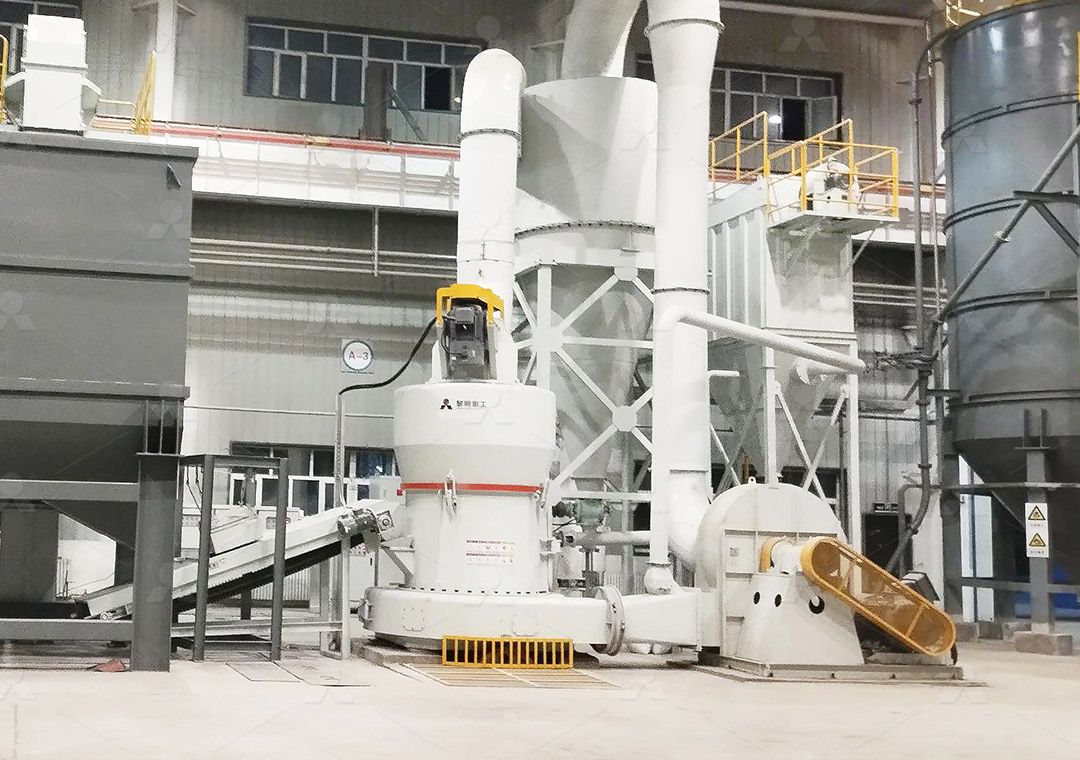
Our MW Ultrafine Grinding Mill exemplifies these advancements. Designed for input sizes up to 20 mm and capacities ranging from 0.5 to 25 tph, it delivers a fineness range of 325-2500 mesh. Its cage-type powder selector, derived from German technology, ensures high precision, while the pulse dust collector and muffler make it one of the cleanest options in the market. The system is built without rolling bearings or screws in the grinding chamber, eliminating common maintenance headaches like bearing failure or loose screws. The external lubrication system allows for uninterrupted 24-hour operation, maximizing uptime for demanding production schedules.
Maintenance and Operational Reliability
Downtime for maintenance can cripple a processing plant’s profitability. Recognizing this, engineers have designed mills with reversible structures and hydraulic adjustment systems that allow operators to quickly swing out heavy grinding rollers for inspection or replacement. This reduces shutdown time from days to hours. Furthermore, the use of wear-resistant alloys in rollers and rings extends service life by 1.7 to 2.5 times compared to traditional high-manganese steel components. Split-type vulnerable parts also allow for partial replacement, saving costs on spare parts.
Digitalized manufacturing processes, including CNC-controlled cutting, bending, and milling, ensure that core components meet tight tolerances. This precision translates into consistent performance and easier assembly in the field. Our commitment to providing original spare parts and technical support ensures that every machine operates worry-free throughout its lifecycle.
Selecting the Right Mill for Your Application
Choosing the correct grinding mill depends on several factors: feed size, desired fineness, capacity requirements, and material characteristics. For operations needing ultra-fine powders (325-2500 mesh) with high purity and low iron content, the MW Ultrafine Grinding Mill is an excellent choice. Its unique roller and ring curves enhance grinding efficiency, and the absence of internal bearings simplifies maintenance. For higher capacities up to 18 tph, the LUM Ultrafine Vertical Grinding Mill offers additional benefits like double position-limiting technology that prevents destructive vibration, and a reversible structure for easy roller maintenance. Both models integrate grinding, classifying, and conveying in a compact footprint, reducing installation costs by up to 50%% compared to traditional ball mill systems.
For coarser feeds up to 70 mm and capacities reaching 340 tph, the LM Vertical Grinding Mill provides robust performance with integrated drying and classification. Its short grinding time minimizes iron contamination, making it ideal for cement and coal processing. Meanwhile, the MTW-Z European Trapezium Mill offers lower maintenance costs through diluted oil lubrication and a unique elastic volute damping structure that eliminates vibration-related cracks.
Conclusion
The evolution of ore crushing and grinding mills has transformed powder processing from a crude, energy-intensive operation into a precise, environmentally responsible process. By adopting modern designs that prioritize efficiency, reliability, and cleanliness, processors can achieve higher yields with lower operational costs. Whether you require ultra-fine powders for specialty chemicals or high-volume products for construction, there is a mill configuration tailored to your needs. Investing in advanced technology today ensures competitiveness in a market that increasingly demands quality and sustainability.
Frequently Asked Questions (FAQ)
- What is the difference between a ball mill and an ultra-fine vertical grinding mill?
Ball mills use steel balls to impact and grind material, consuming more energy and producing higher iron content. Ultra-fine vertical mills use roller-ring grinding with inter-particle crushing, achieving finer powders (up to 2500 mesh) with lower energy consumption (30%%-50%% less) and less contamination. - How does the MW Ultrafine Grinding Mill achieve 40%% higher capacity than a jet mill?
The MW mill uses newly designed grinding curves on rollers and rings, which increase the effective grinding area and efficiency. Combined with a high-precision cage-type powder selector, it processes material faster and with fewer re-circulation cycles. - Is the MW mill suitable for heat-sensitive materials like gypsum or coal?
Yes. The mill operates with an air-swept system that can incorporate hot air for drying if needed. The short residence time of material (2-3 minutes) minimizes thermal degradation, making it suitable for gypsum, coal, and similar materials. - What maintenance is required for the LUM Ultrafine Vertical Grinding Mill?
The LUM mill features a reversible structure that allows operators to swing out the grinding roller for easy inspection and replacement of roller shells and liners. The hydraulic adjustment system simplifies pressure settings. Regular checks on the separator blades and lubrication system are recommended. - Can these mills handle materials with high moisture content?
Yes. Models like the LM Vertical Grinding Mill are designed to integrate drying, grinding, and classifying. They can handle materials with up to 15%%-20%% moisture by introducing hot gas into the grinding chamber, evaporating moisture during the grinding process. - What is the typical power consumption for an ultra-fine grinding mill compared to a ball mill?
Ultra-fine vertical mills typically consume 30%%-50%% less energy than ball mills for the same throughput. For example, the MW mill uses only 30%% of the energy consumed by a jet mill, with system energy savings of 40%% or more. - How do I determine the right mill model for my production needs?
Key factors include feed size (input size), required fineness (mesh size), capacity (tons per hour), and material hardness. For feeds up to 20 mm and ultra-fine products (325-2500 mesh), the MW mill is ideal. For larger feeds and higher capacities, consider the LM or LUM series. - Are spare parts readily available for these mills?
Yes. Our company, LIMING, maintains a comprehensive inventory of original spare parts for all models. We provide technical support and quick delivery to ensure minimal downtime. - What environmental certifications do these mills meet?
All our mills are designed to meet national environmental protection standards. They feature efficient pulse dust collectors that achieve near-zero dust emission, and silencers reduce noise to acceptable levels for continuous operation. - Can the fineness of the final product be adjusted during operation?
Yes. The rotating speed of the powder concentrator’s rotor can be adjusted to change the cut point. For models like the MW and LUM, fineness can be tuned between 325 and 2500 mesh without stopping the mill.