
Vertical Stone Milling Machine for Efficient Powder Processing
We provide a wide range of mills — including Raymond mill, trapezoidal mill, vertical mill, ultrafine mill, and ball mill, obtained ISO9001 international quality certification, EU CE certification, and Customs Union CU-TR certification. Suitable for processing minerals such as limestone, phosphate, quicklime, kaolin, talc, barite, bentonite, calcium carbonate, dolomite, coal, gypsum, clay, carbon black, slag, cement raw materials, cement clinker, and more.
The discharge range of these mills can be adjusted to meet specific processing needs, typically from 80-400 mesh, 600-3250 mesh, and can achieve the finest particle size of up to 6000 mesh(D50).
If you are looking for a reliable grinding solution to turn stone or minerals into fine powder, please feel free to contact our online customer service.
Vertical Stone Milling Machine for Efficient Powder Processing
In the modern industrial landscape, the demand for high-purity, ultra-fine powders has never been greater. Industries ranging from construction materials to pharmaceuticals require consistent particle sizes and efficient production methods. Vertical stone milling machines have emerged as a cornerstone technology in this field, offering a blend of high throughput, energy efficiency, and precise control. Unlike traditional horizontal mills, vertical mills leverage gravity and advanced grinding mechanics to deliver superior results.
This article delves into the technical nuances and operational benefits of vertical stone milling machines, highlighting key design elements that set modern equipment apart.
Engineering for High Efficiency and Low Wear
A well-designed vertical stone milling machine reduces operational headaches. One of the primary innovations is the elimination of rolling bearings and screws inside the grinding chamber. For instance, the MW Ultrafine Grinding Mill is engineered without these components. This design choice eradicates common failure points such as bearing seal damage or loose screws, which often lead to costly downtime. The lubricating device is mounted externally on the main shaft, allowing for continuous 24-hour operation without shutdown for maintenance.
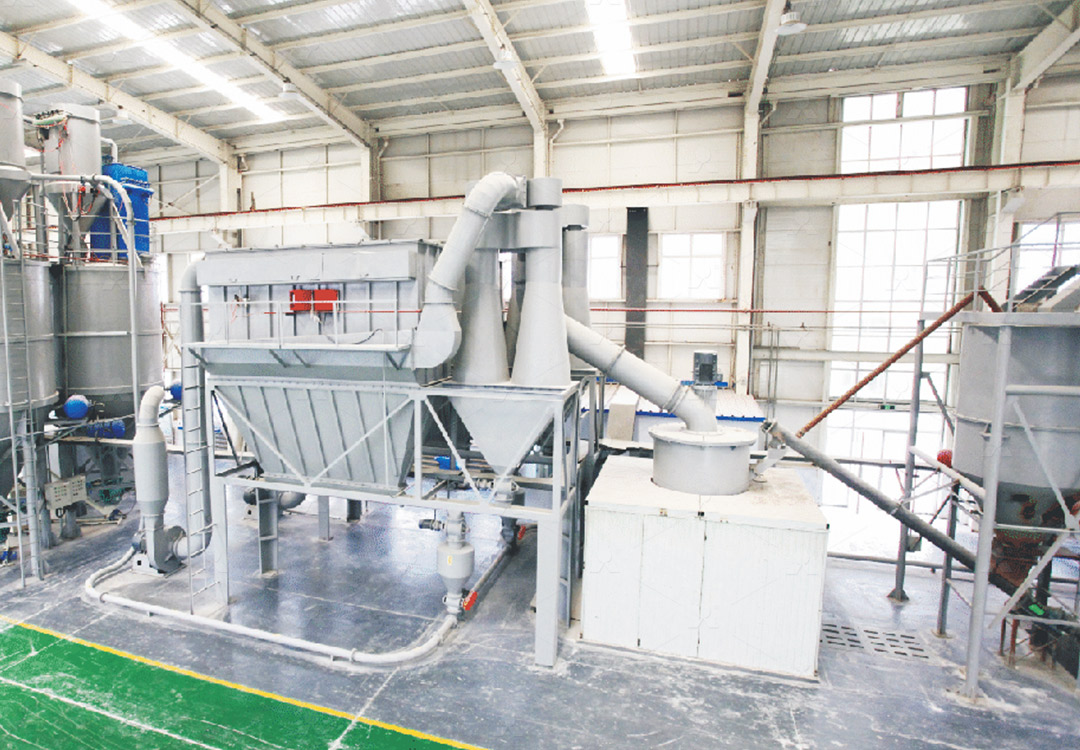
Furthermore, many modern machines feature multi-layer grinding curves. The rollers and rings are designed with specific profiles that optimize the grinding zone. This not only boosts capacity but also minimizes energy consumption. In the case of the MW Ultrafine Grinding Mill, the production capacity is up to 40%% higher than jet mills and twice that of ball mills, while system energy consumption is only 30%% of a jet mill for the same fineness.
Precision Classification: The Key to Quality Powder
The quality of the final product is defined by its fineness and consistency. To achieve this, modern vertical stone milling machines use advanced classifiers. The cage-type powder selector, often imported from German technology, allows users to adjust fineness precisely between 325 and 2500 mesh. This level of control ensures that the screening rate can achieve d97 ≤ 5 μm in a single pass.
This precision is crucial for applications in the chemical industry, cosmetics, and food additives, where particle size directly impacts reactivity, texture, and absorption. For larger scale operations requiring high capacity, the LM Vertical Grinding Mill offers an integrated solution. It combines crushing, drying, grinding, and classifying in one unit, reducing the overall investment cost by up to 50%% compared to traditional ball mill systems.
Environmental Stewardship and Dust Control
Environmental regulations are tightening globally. Plant managers must select equipment that minimizes their ecological footprint. Vertical stone milling machines are leading the charge in green manufacturing. The integration of efficient pulse dust collectors and silencers ensures that operations meet the strictest national standards.
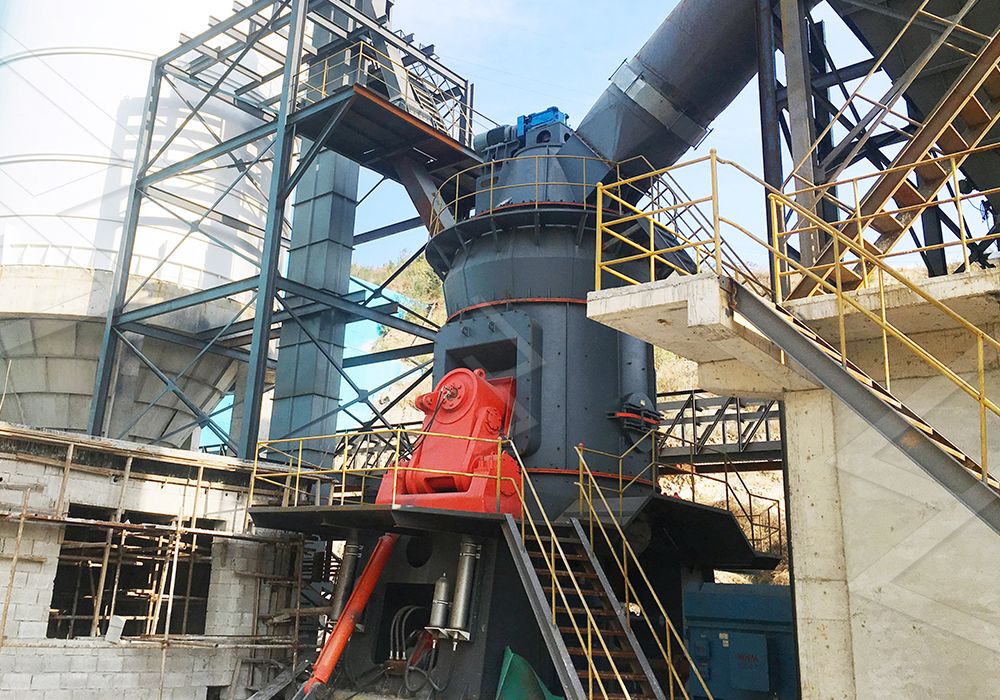
Closed-circuit systems with negative pressure prevent dust from spilling into the environment. This not only protects the health of workers but also reduces product loss. The MW Ultrafine Grinding Mill, for example, is equipped with noise elimination rooms to further reduce sound pollution, making it suitable for urban or sensitive locations.
Digitalization and Automation: The Future of Milling
Modern manufacturing relies on data and precision. Vertical stone milling machines now incorporate digitalized processing for their core components. Tens of lines of numerical control (NC) machine tools handle operations like cutting, bending, and milling of steel plates. This ensures high machining precision for the core parts, leading to longer service life and more reliable operation.
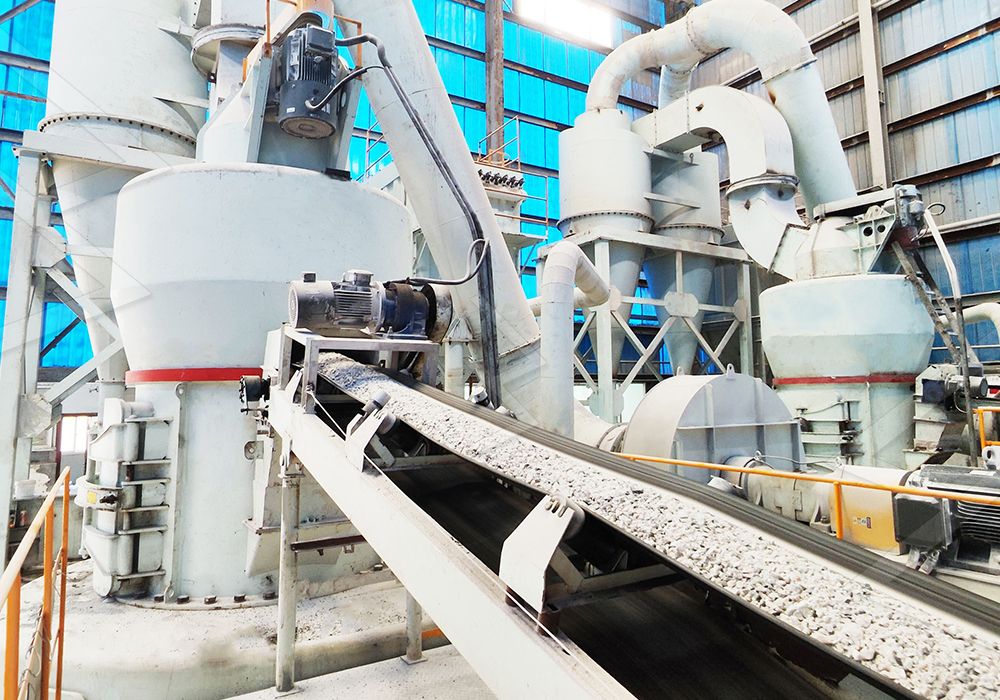
Furthermore, PLC control systems allow for remote operation. Operators can adjust grinding pressure, separator speed, and feeding amounts from a central control room. This automation saves labor costs and ensures that the mill operates at peak efficiency regardless of shifts or operator experience.
Practical Considerations for Plant Operators
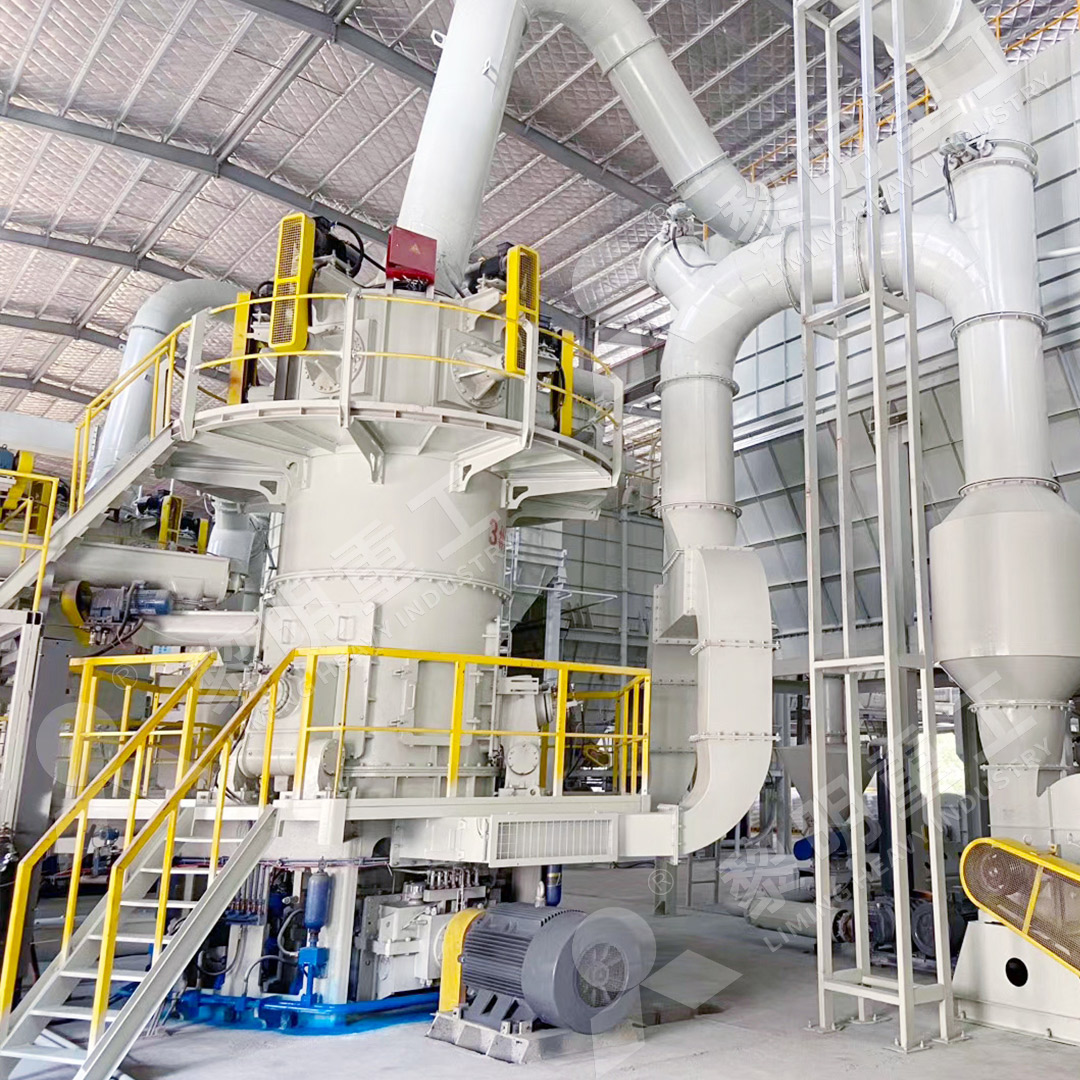
When selecting a vertical stone milling machine, consider the material characteristics. For hard, brittle materials like granite or basalt, the impact resistance of the mill is key. For soft minerals like talc or gypsum, the priority is often on achieving high whiteness and preventing iron contamination. The LUM Ultrafine Vertical Grinding Mill addresses this with its unique roller shell and lining plate design, which reduces iron content in the final product.
Maintenance is another critical factor. Reversible structures in machines like the LUM Ultrafine Vertical Grinding Mill allow operators to swing out the grinding roller for quick inspection and replacement of the roller shell and liner plate. This minimizes shutdown time and keeps production running smoothly.
Conclusion
Vertical stone milling machines have evolved into sophisticated systems that offer high efficiency, precise classification, and environmental compliance. The choice between models like the MW Ultrafine Grinding Mill for ultra-fine powder, the LM Vertical Grinding Mill for high-capacity bulk processing, or the LUM series for specialized applications depends on specific production goals. With features like external lubrication, reversible roller structures, and advanced dust collection, these machines represent a sound investment for any powder processing operation.
FAQ
1. What is the input size limit for a vertical stone milling machine?
The input size varies by model. For example, the MW Ultrafine Grinding Mill accepts up to 20 mm, while the LM Vertical Grinding Mill can handle up to 70 mm. Always check the specifications for your material.
2. How does a vertical mill compare to a ball mill in terms of energy consumption?
Vertical mills are significantly more efficient. They typically save 30%% to 50%% in energy consumption compared to traditional ball mills due to their unique grinding mechanism and integrated classification system.
3. Can these machines process sticky or wet materials?
Vertical mills with drying capabilities, like the LM Vertical Grinding Mill, can handle materials with moisture content. However, for very sticky materials, pre-drying or blending with dry material may be necessary.
4. What is the typical fineness achievable with an ultrafine vertical mill?
Machines like the MW Ultrafine Grinding Mill can achieve fineness between 325 and 2500 mesh, with a screening rate of d97 ≤ 5 μm for specific materials.
5. How often do the grinding rollers need to be replaced?
The lifespan depends on the abrasiveness of the material. With wear-resistant alloy components, rollers can last for thousands of operating hours. Regular inspection is recommended to maximize service life.
6. Is the operation of a vertical mill noisy?
No. Modern vertical mills are equipped with silencers and noise elimination rooms. The direct contact between roller and ring is minimal, resulting in significantly lower noise levels compared to ball mills.
7. Can I automate the mill for remote operation?
Yes. Models like the LUM Ultrafine Vertical Grinding Mill come with PLC control systems that support remote control and local control, making operation simple and labor-saving.
8. What industries are best suited for these mills?
They are used extensively in cement, power plant desulfurization, metallurgy, chemical industry, non-metallic mineral processing, and the production of cosmetics and food additives.