
25TPH Limestone Grinding Mill Plant for 250,000 Tons Annual Output
We provide a wide range of mills — including Raymond mill, trapezoidal mill, vertical mill, ultrafine mill, and ball mill, obtained ISO9001 international quality certification, EU CE certification, and Customs Union CU-TR certification. Suitable for processing minerals such as limestone, phosphate, quicklime, kaolin, talc, barite, bentonite, calcium carbonate, dolomite, coal, gypsum, clay, carbon black, slag, cement raw materials, cement clinker, and more.
The discharge range of these mills can be adjusted to meet specific processing needs, typically from 80-400 mesh, 600-3250 mesh, and can achieve the finest particle size of up to 6000 mesh(D50).
If you are looking for a reliable grinding solution to turn stone or minerals into fine powder, please feel free to contact our online customer service.
Introduction: The Challenge of Scale
When we talk about a 250,000-ton annual output from a limestone grinding operation, we are no longer in the realm of small experimental setups or pilot plants. This is serious industrial production. A 25-ton-per-hour throughput required to hit that yearly target demands equipment that is not only powerful but also reliable, energy-efficient, and capable of maintaining consistent product quality over long, grueling shifts. Having spent years in the field, I have seen what works and what simply cannot handle the pressure. In this article, I will walk you through the considerations for such a plant, the technology that makes it viable, and the real-world solutions that have proven themselves on the ground.
Core Equipment: The Heart of the Operation
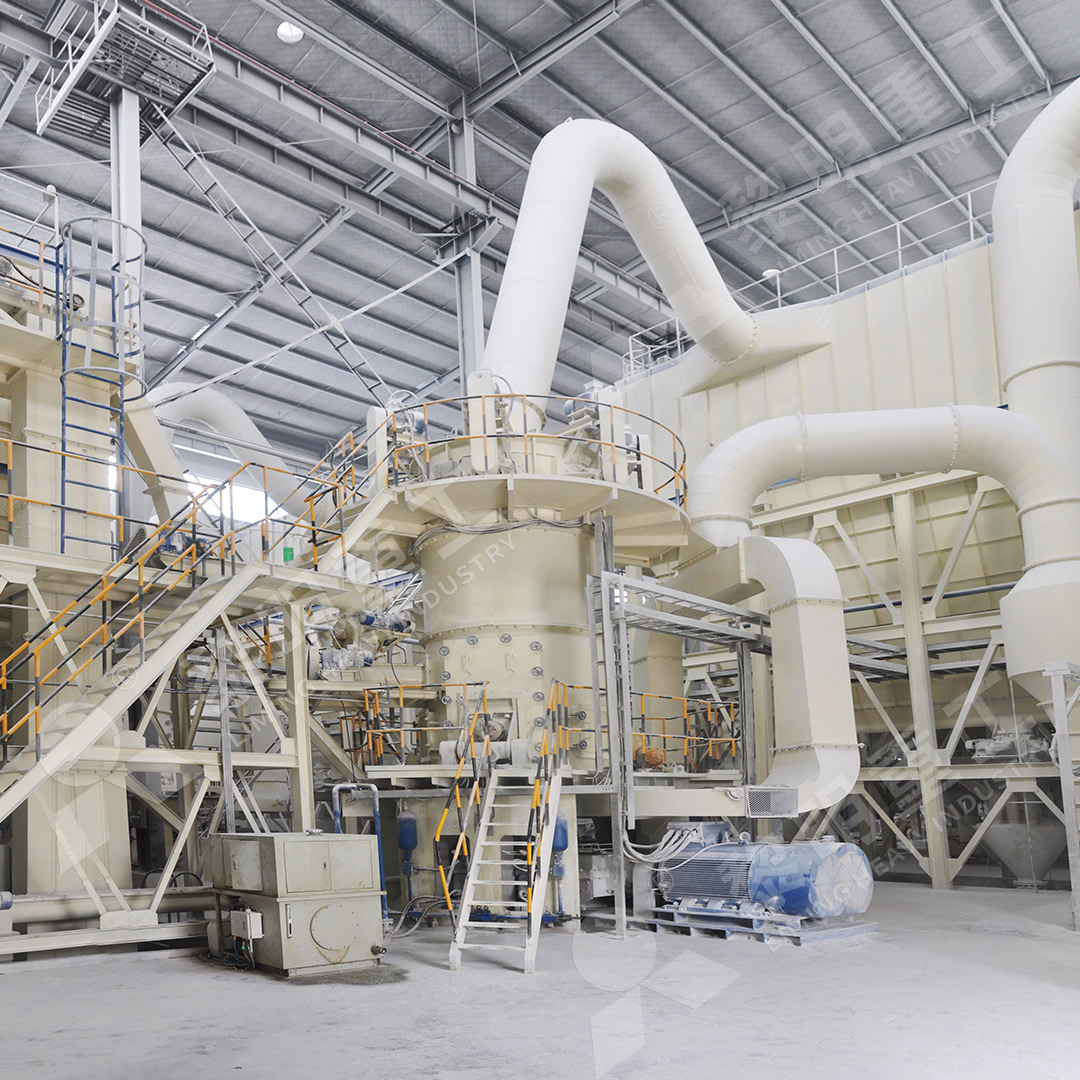
For a limestone grinding task at this scale, you need a mill that can handle the material’s abrasiveness while delivering a fine, consistent powder. The MW Ultrafine Grinding Mill is designed exactly for this. With an input size of 0-20 mm and a maximum capacity of 25 tph, it squarely fits the bill for this 250,000-ton plant. One of the key features I appreciate is the cage-type powder selector based on German technology. This allows you to adjust the fineness between 325 and 2500 mesh. For limestone, this means you can produce material suitable for desulfurization in power plants (typically around 250 mesh) or for finer applications like filler in plastics or paints. The fact that there are no rolling bearings or screws inside the grinding chamber is a huge plus. I have seen too many plants shut down because a screw came loose and damaged internal components. With the MW mill, the lubrication system is external, allowing for 24-hour continuous operation without stopping to grease bearings. This is a real-world reliability factor that directly impacts your annual output targets.
System Integration: Beyond the Mill Itself
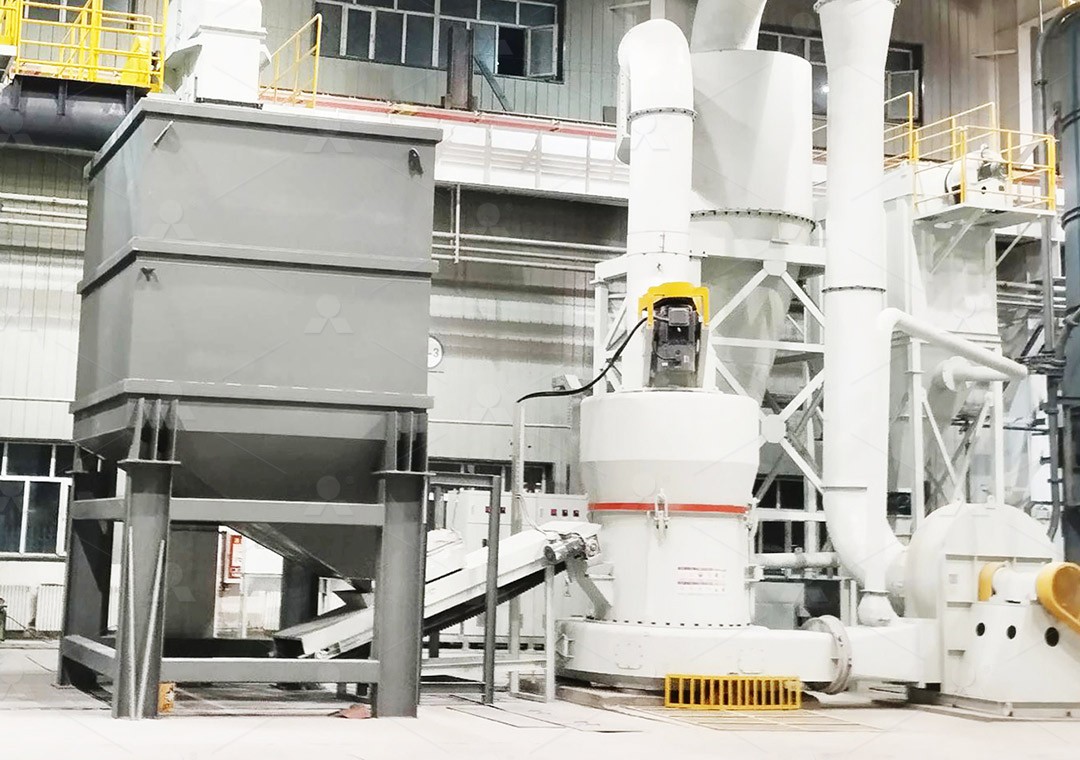
A 25TPH plant is not just a mill. It is a system. The entire production line must be designed to handle material flow, crushing, feeding, and environmental control. For a limestone application, the typical upstream includes a jaw crusher to reduce run-of-mine material down to the 0-20 mm feed size. This crushed material is then transported via a bucket elevator to a storage hopper. From there, a vibrating feeder sends it into the mill evenly. The MW Ultrafine Grinding Mill comes equipped with an efficient pulse dust collector and a muffler. In my experience, failing to manage dust in a limestone plant leads to serious safety hazards, frequent equipment cleaning, and potential regulatory fines. The sealed, negative-pressure operation of this system keeps the workplace clean. The silencer and noise elimination room features are also critical for meeting occupational noise exposure limits. When you are running a plant for 16 to 24 hours a day, noise levels matter for the operators’ health and morale.
Why Choose LIMING for This Plant?
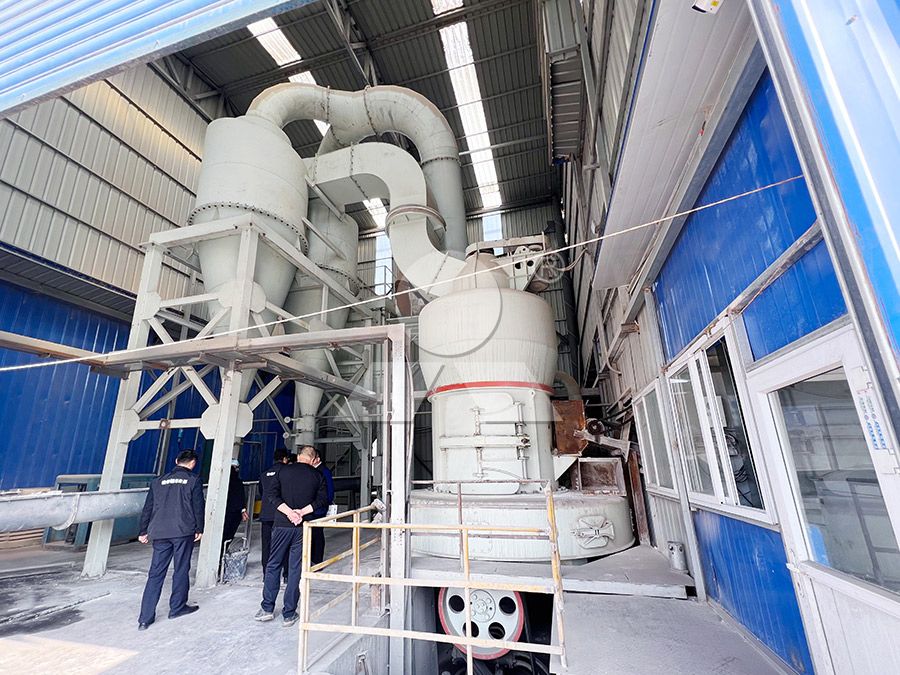
There are many mill manufacturers out there. However, for a project of this magnitude, I recommend relying on LIMING. Our experience spans decades, and we have the supporting infrastructure to back it up. The spare parts supply is worry-free. We take full responsibility for every machine we produce. The digitalized processing means that core parts like grinding rollers and rings are machined with high precision, leading to consistent performance and longer service life. For this specific application, I would suggest considering the MW Ultrafine Grinding Mill as the primary unit. Alternatively, if you need even higher capacity with a focus on energy savings and a smaller footprint, the LUM Ultrafine Vertical Grinding Mill (capacity 5-18 tph per unit) could be deployed in a configuration. The LUM mill uses Taiwan grinding roller technology and German powder separating technology, integrating grinding, grading, and transport. It also features a reversible structure for easier maintenance on the heavy rollers. However, for the direct 25TPH target, the MW mill running at its peak is a very solid, proven match.
Working Principle in Practice
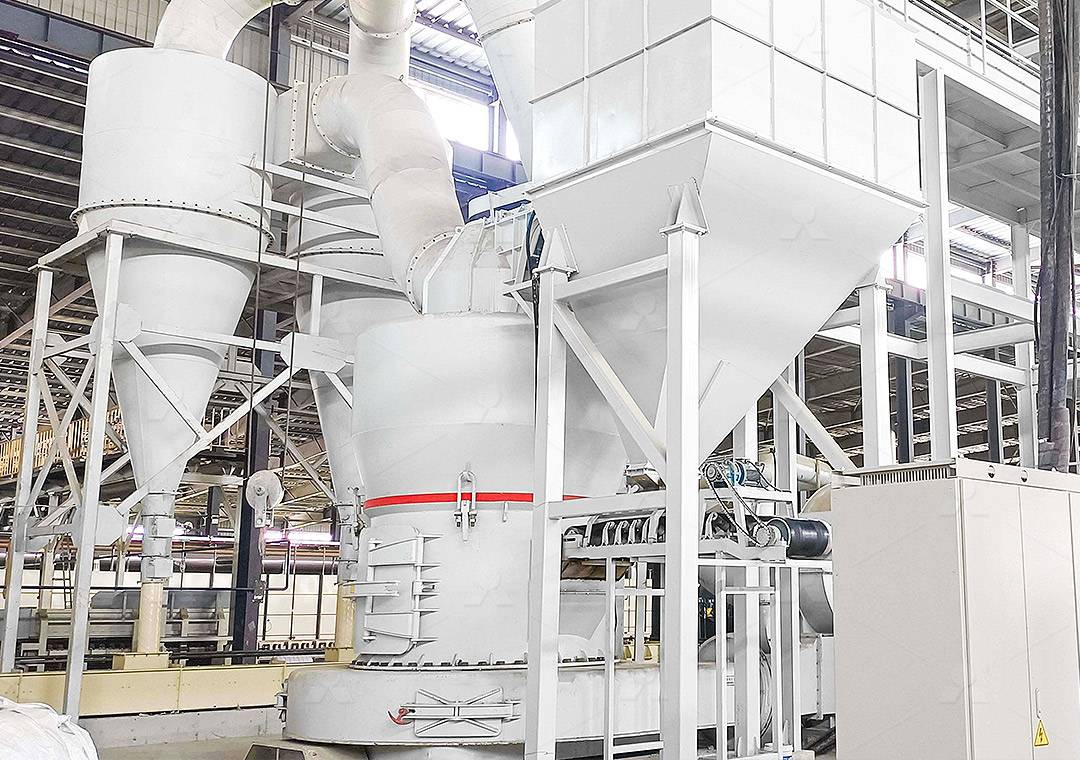
Let me break down how a typical shift works. The motor drives the main shaft via a reducer. This turns a turnplate, which moves the rollers. Crushed limestone enters the center of the upper turnplate. Centrifugal force pushes it into the raceway where rollers crush it. After passing through multiple stages of turnplates, the powder is carried by air from a blower into the powder separator. The turbine separates coarse powder, sending it back for regrinding, while the fine product goes into a cyclone collector. The air is cleaned by the pulse filter before being released. This closed-loop, multi-stage grinding ensures that the final product meets strict specifications without wasting energy on over-grinding. Adjusting the separator speed changes the fineness instantly. This kind of control is vital when you have customers demanding different grades of limestone powder from the same plant.
FAQs
- What is the annual output potential of a 25TPH limestone grinding plant?
A plant operating at 25 tons per hour for 10,000 hours per year (roughly 20-22 hours per day, 330 days a year) can achieve 250,000 tons of output annually. - What is the typical power consumption for the MW Ultrafine Grinding Mill at this capacity?
The system is designed for energy efficiency. With the same fineness and power, the production capacity can be 40% higher than a jet mill, and the system energy consumption is only about 30% of that of a jet mill. - Can the same plant be used to grind materials other than limestone?
Yes. The MW Ultrafine Grinding Mill is versatile and can handle calcite, dolomite, barite, marble, talc, gypsum, and many other non-metallic minerals of similar hardness. - What is the fineness range achievable with the MW mill for limestone?
The product fineness can be adjusted between 325 mesh and 2500 mesh (approximately 44 to 5 microns). The screening rate can reach d97 ≤ 5μm. - How does the plant handle environmental and dust control?
The mill is equipped with a high-efficiency pulse dust collector, a silencer, and a noise elimination room. The entire system operates under negative pressure, ensuring no dust escapes into the environment. - What is the maintenance schedule for the grinding rollers and rings?
Because there are no rolling bearings or screws inside the chamber, maintenance is simplified. The external lubrication system allows for continuous operation. The wear life of rollers and rings varies by material but is significantly extended due to the advanced alloy materials used.