
Stone-on-Stone Multi-Function Grinding Mill: A Comprehensive Guide for Industrial Powder Processing
We provide a wide range of mills — including Raymond mill, trapezoidal mill, vertical mill, ultrafine mill, and ball mill, obtained ISO9001 international quality certification, EU CE certification, and Customs Union CU-TR certification. Suitable for processing minerals such as limestone, phosphate, quicklime, kaolin, talc, barite, bentonite, calcium carbonate, dolomite, coal, gypsum, clay, carbon black, slag, cement raw materials, cement clinker, and more.
The discharge range of these mills can be adjusted to meet specific processing needs, typically from 80-400 mesh, 600-3250 mesh, and can achieve the finest particle size of up to 6000 mesh(D50).
If you are looking for a reliable grinding solution to turn stone or minerals into fine powder, please feel free to contact our online customer service.
Introduction: The Evolution of Industrial Grinding
In the world of industrial powder processing, the method by which materials are reduced to fine particles has undergone a dramatic transformation. For decades, operators relied on traditional ball mills and jet mills, often accepting high energy bills, frequent downtime, and inconsistent product quality as unavoidable costs of doing business. However, the emergence of modern vertical roller mill technology has rewritten the rulebook.
Today, we are focusing on a category that has proven itself in the toughest environments: the stone-on-stone multi-function grinding mill. This is not a single machine, but a design philosophy where the grinding principle leverages material layer grinding and inter-particle crushing. The result is a system that delivers higher capacity, lower energy consumption, and a purer final product. At the heart of this evolution is LIMING’s engineering, which has refined the roller and ring geometries to maximize contact efficiency while minimizing wear.
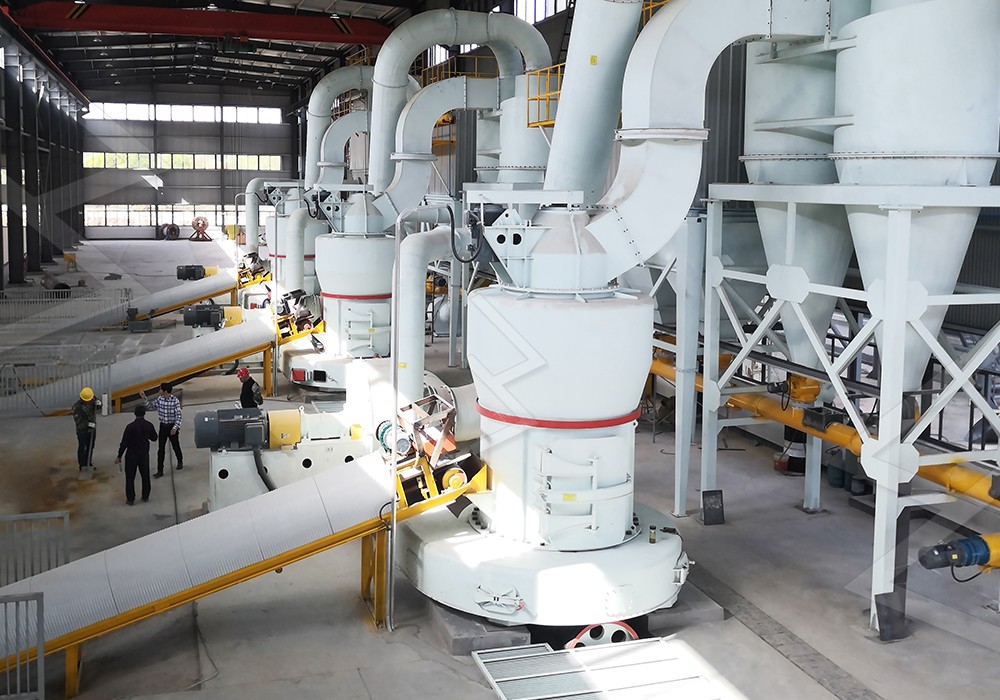
Understanding the Stone-on-Stone Principle
The term “stone-on-stone” might evoke images of primitive milling, but in modern machinery, it describes a sophisticated process. Unlike traditional mills where metal components crush material against metal, stone-on-stone grinding utilizes a material bed. In this configuration, the grinding roller and the grinding table (or ring) do not make direct contact. Instead, a layer of material sits between them. When the roller applies pressure, the force is transmitted through the material particles themselves, causing them to fracture against one another.
This approach offers several distinct advantages. First, it significantly reduces the iron content contamination in the final powder. When metal grinds against metal, microscopic particles of iron are inevitably introduced into the product. For industries like cosmetics, food additives, and high-grade paint manufacturing, even trace amounts of iron can ruin a batch. Second, the energy efficiency is markedly improved. The energy required to compress a material bed and induce inter-particle fracture is substantially lower than that needed to overcome the friction of metal-on-metal grinding.
For operators seeking to produce ultra-fine powders between 325 and 2500 mesh (d97 ≤ 5μm), this principle is a game-changer. It allows for high throughput with a smaller physical footprint, a critical factor in modern plants where real estate is at a premium.
Key Design Features of Modern Multi-Function Mills
When evaluating a multi-function grinding mill for your operation, several design parameters dictate long-term success. The first is the grinding curve of the roller and ring. LIMING has invested heavily in computational fluid dynamics and finite element analysis to design curves that optimize material flow and grinding pressure distribution. This engineering directly translates to a 40%% higher production capacity compared to jet or stirred mills for the same fineness and power input.
The second critical feature is the powder separation system. Traditional mills often suffer from low screening rates, forcing operators to recirculate material multiple times. This not only wastes energy but also increases the risk of over-grinding, which can degrade material quality. Modern multi-function mills, such as the MW Ultrafine Grinding Mill, incorporate cage-type powder selectors based on German separation technology. This multi-head design allows for precise cut-point adjustment, ensuring that the desired fineness is achieved in a single pass. The system can handle input sizes up to 20 mm and deliver capacities ranging from 0.5 to 25 tph, making it suitable for both pilot plants and full-scale production.
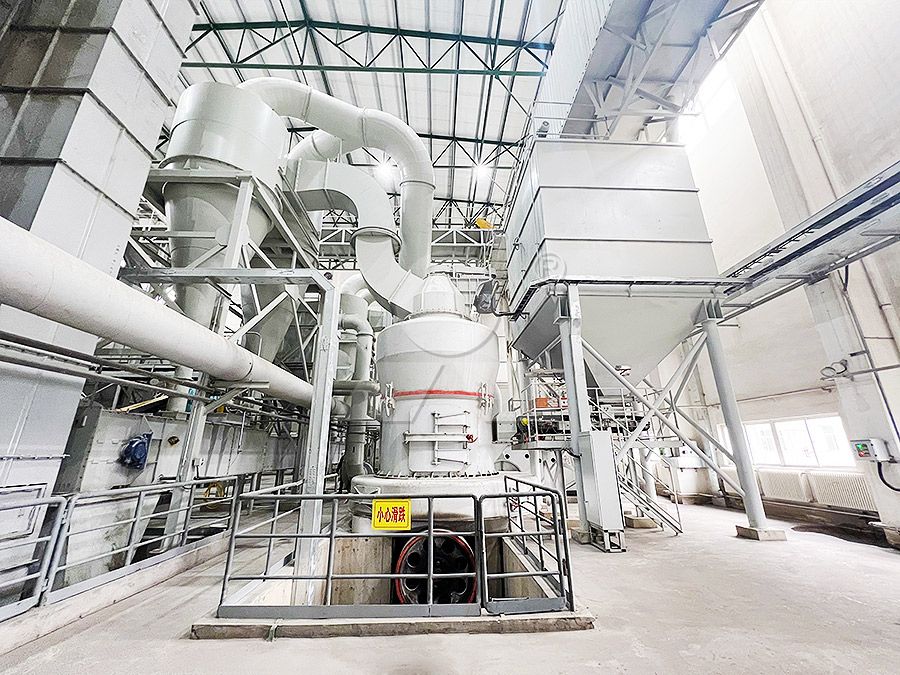
Maintenance and Operational Reliability
One of the most common pain points in powder processing is unscheduled downtime caused by bearing failures or screw loosening. Inside the grinding chamber, high temperatures and constant vibration create a hostile environment for mechanical fasteners. LIMING addressed this by designing a grinding chamber that contains no rolling bearings or screws. This eliminates the risk of bearing seal failure and the catastrophic machine damage that can result from a loose screw falling into the grinding path. The lubrication system is housed externally, allowing operators to perform oil changes without shutting down the mill. This design supports continuous 24-hour operation, a necessity for plants running around the clock.
Furthermore, the reversible structure found in vertical mills like the LUM series simplifies maintenance of heavy components. The grinding roller can be hydraulically swung out of the body, giving technicians full access to replace the roller shell and liner plate. This reduces maintenance time from days to hours, directly impacting the bottom line by minimizing production losses.
Environmental Compliance and Digital Control
Regulatory pressure around dust emissions and noise pollution is becoming stricter worldwide. Modern grinding mills are no longer evaluated solely on capacity and energy consumption; environmental performance is now a critical purchasing criterion. The MW Ultrafine Grinding Mill, for instance, is equipped with an efficient pulse dust collector that captures particulate matter before it can escape into the atmosphere. The entire milling system operates under negative pressure, ensuring that no dust spills into the workspace. Additionally, silencers and noise reduction enclosures bring decibel levels down to acceptable limits for urban or sensitive areas.
On the control side, automation has reached a level where manual intervention is the exception rather than the rule. LIMING’s digitalized manufacturing process uses tens of lines of numerical control equipment for cutting, bending, and milling core parts. This precision extends to the finished machine’s control system. Operators can adjust grinding pressure, separator speed, and feed rate from a centralized PLC panel or remotely. This not only improves consistency but also allows for rapid switching between different product specifications without lengthy trial-and-error runs.
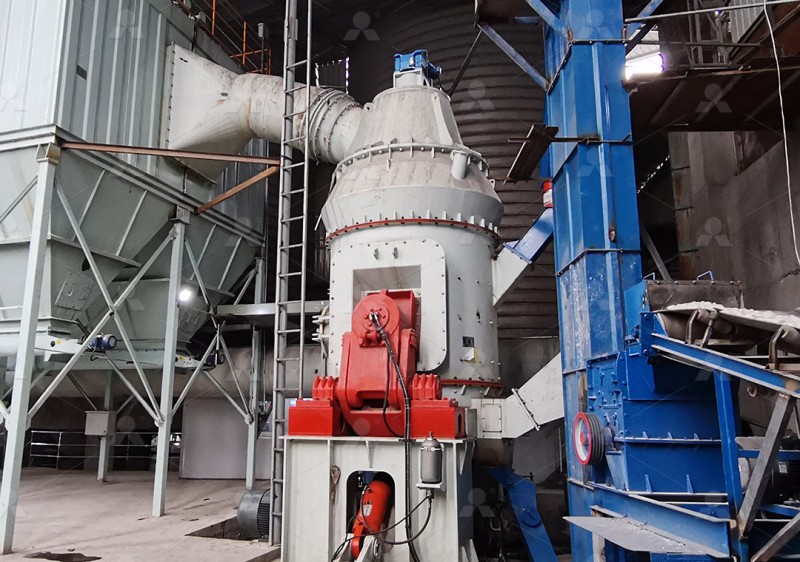
Application Versatility Across Industries
The true value of a multi-function grinding mill lies in its versatility. These machines are not single-purpose tools. They are designed to process a wide array of materials including limestone, calcite, dolomite, barite, marble, talc, gypsum, petroleum coke, and coal powder. The hardness and abrasiveness of these materials vary significantly, yet a well-designed mill can handle them all with minimal configuration changes.
For the chemical industry, the ability to achieve ultra-fine particle sizes without contamination is essential for products like paint pigments and plastic fillers. In the food industry, the strict hygiene requirements are met through clean-in-place designs and the elimination of oil leaks from internal bearings. The pharmaceutical and cosmetics sectors benefit from the precise particle size distribution, which directly influences product efficacy and texture. Whether you are producing desulfurized stone powder for a power plant or grinding coarse whiting for a paper mill, the fundamental reliability of the stone-on-stone principle provides a solid foundation.
Making the Right Investment: Product Recommendations
Selecting the right mill for your specific application requires careful consideration of your raw material properties, target fineness, and required throughput. For operations focused on ultra-fine powders in the 325-2500 mesh range with capacities up to 25 tph, the MW Ultrafine Grinding Mill stands out. Its German-designed cage selector ensures high precision, while the pulse dust collector keeps your site compliant with strict environmental standards. It is an excellent choice for non-metallic mineral processing, chemical additives, and food-grade powder production.
If your operation demands higher capacities or involves materials that are more difficult to grind, the LUM Ultrafine Vertical Grinding Mill offers a robust solution. With a capacity range of 5 to 18 tph and input sizes up to 10 mm, it integrates grinding, classification, and drying into a single unit. The double position-limiting technology prevents destructive vibration, and the reversible structure simplifies maintenance. For operators who need to switch between different products frequently, the PLC-controlled multi-head separator provides the flexibility to adjust parameters on the fly.
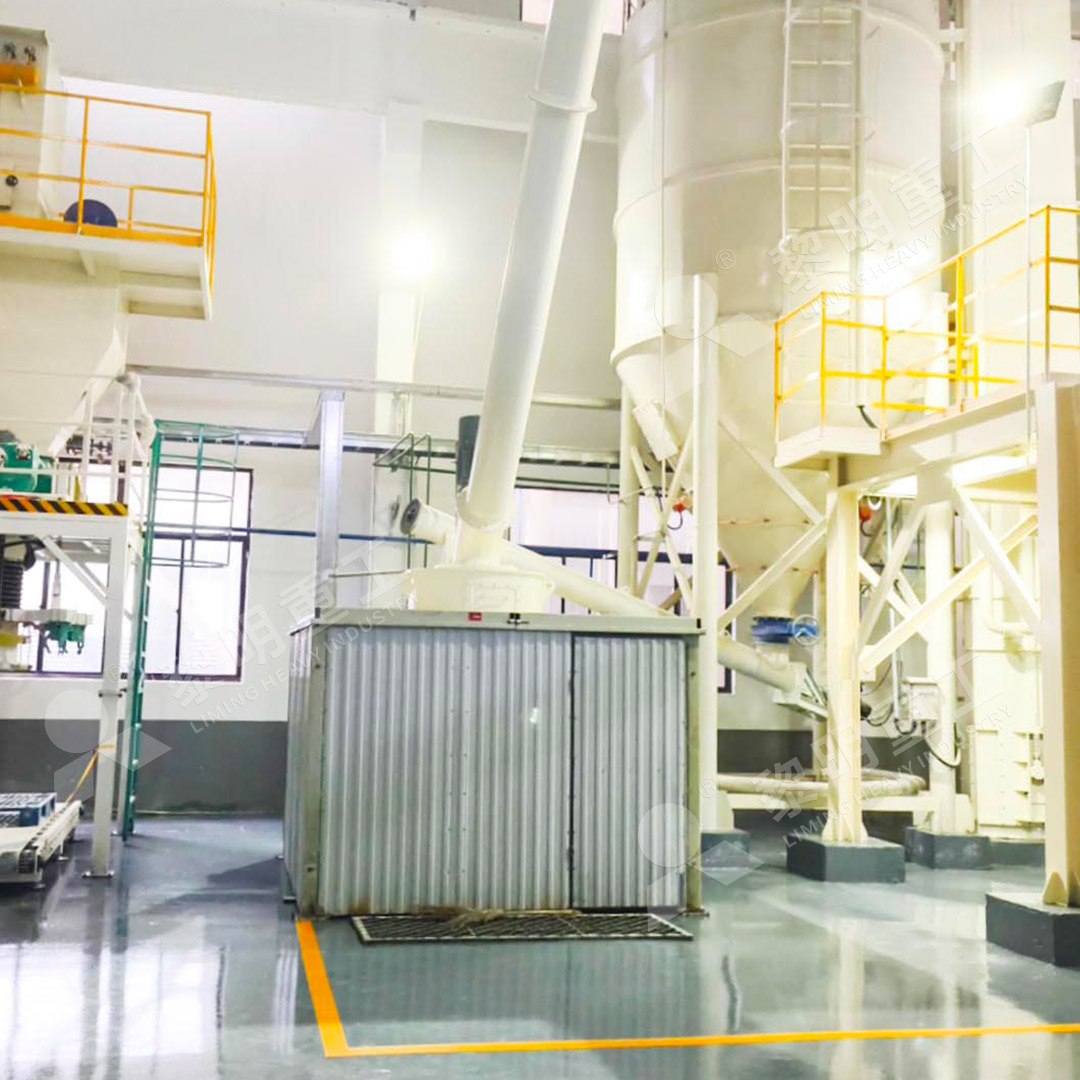
Conclusion: A Foundation for Future Growth
The stone-on-stone multi-function grinding mill represents the culmination of decades of industrial research and field experience. It addresses the core challenges of modern powder processing: energy efficiency, product purity, maintenance simplicity, and environmental compliance. By investing in equipment designed with these principles, manufacturers can achieve lower operating costs, higher product quality, and greater operational flexibility.
LIMING’s commitment to digitalized manufacturing and spare parts availability ensures that your investment is protected over the long term. With a network of support and a catalog of genuine replacement parts, the risk of extended downtime is minimized. As markets continue to demand finer powders and stricter quality controls, having a reliable grinding platform is not just an advantage—it is a necessity.
Frequently Asked Questions (FAQ)
- What is the main advantage of stone-on-stone grinding over traditional ball milling?
Stone-on-stone grinding reduces iron contamination by avoiding direct metal-to-metal contact. It also consumes 30-50%% less energy and achieves a higher single-pass yield, improving overall efficiency. - Can these mills handle materials with high moisture content?
Yes, many models, particularly vertical roller mills, are designed with integrated drying capabilities. Hot air can be introduced into the mill during the grinding process to remove moisture efficiently. - How often do the grinding rollers and rings need to be replaced?
The service life depends on the abrasiveness of the material. However, LIMING uses wear-resistant alloy components that typically last 1.7 to 2.5 times longer than traditional high-manganese steel parts. - Is it difficult to switch between different product fineness specifications?
No. Modern mills are equipped with digital controls and variable-speed separators. Operators can adjust the rotor speed and grinding pressure via the PLC to change the cut point without stopping the machine. - What is the typical noise level of these grinding mills?
Due to the negative pressure system and the use of silencers, noise levels are significantly lower than traditional mills. Specific decibel levels depend on the model and installation, but they generally comply with international workplace safety standards. - Do I need special foundations for installing a vertical grinding mill?
The overall footprint of a vertical mill is about 50%% smaller than a ball mill system. While a reinforced concrete foundation is recommended, the unit can often be placed outdoors, reducing construction costs. - What spare parts should I keep in stock for continuous operation?
We recommend stocking roller shells, liner plates, separator blades, and seals. LIMING provides a comprehensive spare parts service to ensure minimum downtime in case of unexpected wear.