
60 Mesh 3R Raymond Mill: High-Efficiency Grinding for Industrial Powder Processing
We provide a wide range of mills — including Raymond mill, trapezoidal mill, vertical mill, ultrafine mill, and ball mill, obtained ISO9001 international quality certification, EU CE certification, and Customs Union CU-TR certification. Suitable for processing minerals such as limestone, phosphate, quicklime, kaolin, talc, barite, bentonite, calcium carbonate, dolomite, coal, gypsum, clay, carbon black, slag, cement raw materials, cement clinker, and more.
The discharge range of these mills can be adjusted to meet specific processing needs, typically from 80-400 mesh, 600-3250 mesh, and can achieve the finest particle size of up to 6000 mesh(D50).
If you are looking for a reliable grinding solution to turn stone or minerals into fine powder, please feel free to contact our online customer service.
60 Mesh 3R Raymond Mill: High-Efficiency Grinding for Industrial Powder Processing
When it comes to industrial powder processing, achieving a consistent 60 mesh output with reliability and cost-efficiency is a challenge many plant operators face. The 3R Raymond Mill, a time-tested workhorse in the grinding industry, has evolved to meet these demands. At Liming Heavy Industry, we have refined this classic machine to offer a solution that combines low operational costs with dependable performance.
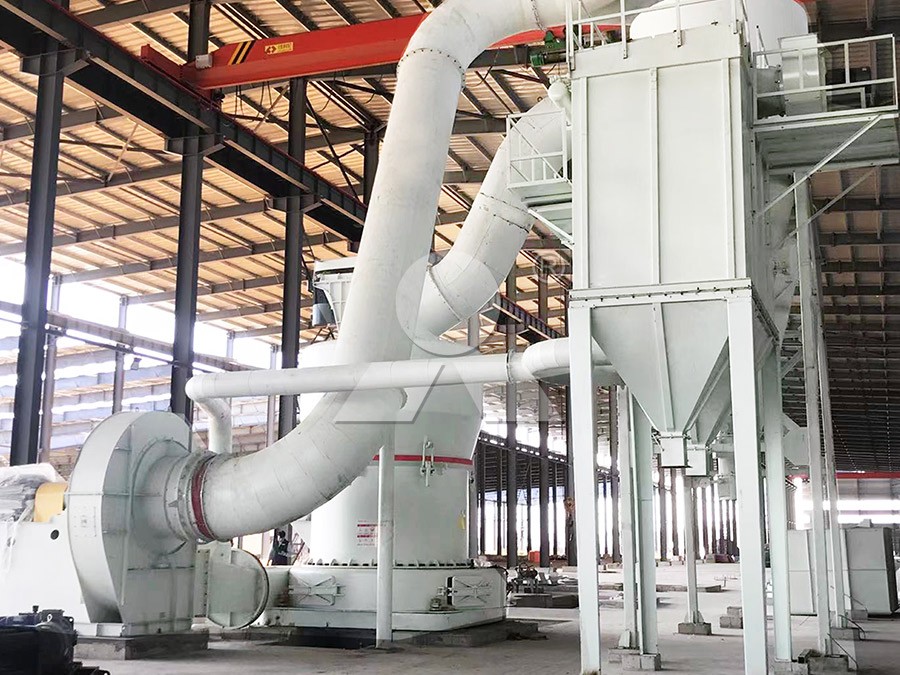
The 3R Raymond Mill is designed for processing non-metallic minerals such as limestone, gypsum, barite, marble, and talc. With an input size of less than 25 mm and a capacity ranging from 0.6 to 5 tons per hour, it is ideal for small to medium-scale operations. The key to its efficiency lies in its simple yet robust design: a horizontal rotating device that uses centrifugal force to press grinding rollers against a stationary ring, pulverizing material into fine powder.
Why Choose a 3R Raymond Mill for 60 Mesh Applications?
For many industries, including construction materials, power plant desulfurization, and chemical processing, 60 mesh (approximately 250 microns) is a common target fineness. The 3R Raymond Mill excels here because of its low investment cost and low energy consumption. Unlike more complex systems, this mill has a small footprint, making it easy to integrate into existing production lines. The entire airflow system is sealed and circulates under negative and positive pressure, which minimizes dust leakage and ensures a cleaner working environment.
Another advantage is the ease of maintenance. The grinding chamber contains no rolling bearings or screws that could loosen over time. This reduces downtime and keeps the machine running smoothly. For operators who need a straightforward, no-fuss solution for 60 mesh powder, the 3R Raymond Mill is a smart choice.
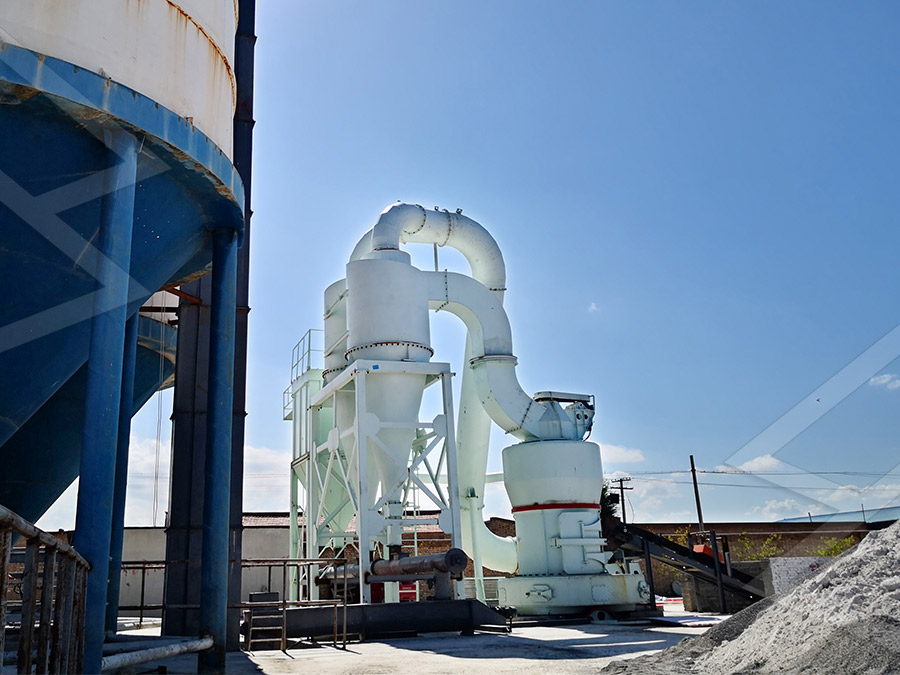
Beyond Raymond: The MW Ultrafine Grinding Mill for Finer Applications
While the 3R Raymond Mill handles 60 mesh with ease, some projects demand ultra-fine powders in the range of 325 to 2500 mesh. For these requirements, we recommend the MW Ultrafine Grinding Mill. This machine is engineered for customers who need to produce superfine powder while maintaining high efficiency and environmental compliance.
The MW Ultrafine Grinding Mill accepts feed sizes up to 20 mm and has a capacity of 0.5 to 25 tons per hour. Its standout feature is the German-designed cage-type powder selector, which ensures precise particle size distribution. Compared to jet mills or stirred mills, the MW mill offers 40% higher production capacity under the same power conditions. The system energy consumption is only 30% of a jet mill, making it a cost-effective upgrade for those moving beyond 60 mesh.
Additionally, the MW mill is equipped with an efficient pulse dust collector and a muffler, so it operates within national environmental standards. There are no rolling bearings in the grinding chamber, eliminating common failure points and allowing for 24-hour continuous operation. For any operation that requires consistent ultra-fine powder with minimal environmental impact, the MW Ultrafine Grinding Mill is an excellent choice.
Working Principle of the 3R Raymond Mill
Understanding how the 3R Raymond Mill works helps operators optimize its use. First, raw material is crushed by a jaw crusher to the required size. The crushed material is then elevated into a hopper and fed evenly into the grinding chamber by an electromagnetic vibrating feeder.
Inside the chamber, the grinding rollers oscillate outward due to centrifugal force, pressing against the grinding ring. A shovel blade scoops up the material and sends it between the roller and ring, where it is crushed into powder. The ground material is then carried by an air stream from the blower into a separator. Fine powder passes through and is collected in a cyclone collector as the final product. Coarse particles are returned to the grinding chamber for another pass. The entire airflow system is closed and recirculated, ensuring efficiency and cleanliness.
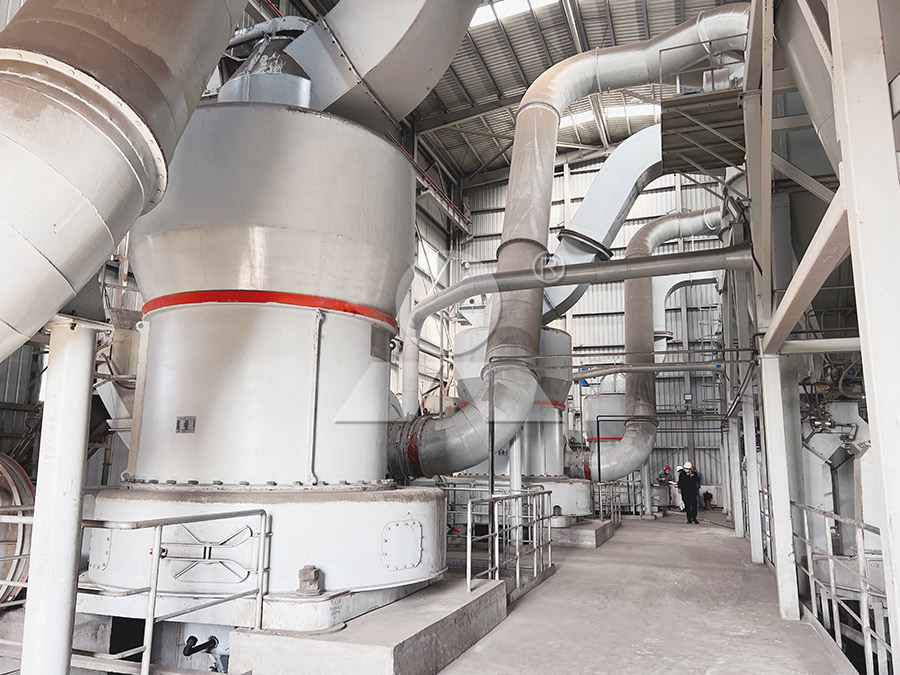
Key Features and Benefits
- Low Investment: The R series Raymond mill is optimized for low consumption and low initial costs.
- Environmentally Friendly: Sealed system with minimal dust emission.
- Compact Design: Small footprint saves valuable floor space.
- Easy Operation: Simple controls and reliable performance reduce the need for specialized training.
- Versatile Applications: Suitable for cement, coal, metallurgy, non-metallic minerals, and more.
When to Choose the LUM Ultrafine Vertical Grinding Mill
For operations that need even higher capacity and energy savings, consider the LUM Ultrafine Vertical Grinding Mill. This mill incorporates Taiwan grinding roller technology and German powder separation technology. It integrates grinding, grading, and transporting into one system. With an input size of 0-10 mm and a capacity of 5-18 tph, the LUM mill is designed for superfine dry powder production of non-metal ores like calcite, marble, and barite.
The LUM mill features double position-limiting technology that prevents destructive impacts from vibration, ensuring stable operation. Its reversible structure makes maintenance simpler by allowing the grinding roller to be moved out of the body for quick checks and replacements. For large-scale operations focused on quality and efficiency, the LUM mill reduces energy consumption by 30-50% compared to common grinding mills.
Conclusion
For 60 mesh grinding, the 3R Raymond Mill remains a reliable and cost-effective solution. However, as your powder processing needs evolve towards finer mesh sizes and higher capacities, Liming Heavy Industry offers advanced options like the MW Ultrafine Grinding Mill and LUM Ultrafine Vertical Grinding Mill. Each machine is backed by our commitment to quality, digitalized processing, and sufficient spare parts supply, ensuring worry-free operation for years to come.
Frequently Asked Questions (FAQ)
1. What is the typical fineness achievable with a 3R Raymond Mill?
The 3R Raymond Mill can achieve fineness ranging from 80 to 325 mesh, with 60 mesh being a common and stable output. For finer powders, we recommend upgrading to the MW Ultrafine Grinding Mill.
2. How does the MW Ultrafine Grinding Mill reduce energy consumption?
The MW mill uses newly designed grinding curves and a high-efficiency cage-type powder selector. This yields 40% more capacity than jet mills while consuming only 30% of the energy, thanks to optimized airflow and grinding mechanisms.
3. Can the LUM Ultrafine Vertical Grinding Mill handle materials with high moisture content?
The LUM mill can process materials with moisture content up to about 10%. For higher moisture, a separate drying step may be needed before feeding the material into the mill.
4. What maintenance is required for the 3R Raymond Mill?
Regular checks of the grinding roller and ring wear, as well as lubrication of the main shaft, are recommended. The machine is designed for simple maintenance, with no rolling bearings in the chamber to fail.
5. Is the MW Ultrafine Grinding Mill environmentally friendly?
Yes. It is equipped with a pulse dust collector and muffler, ensuring no dust pollution and low noise levels. The entire system operates within national environmental standards.
6. What is the difference between the 3R Raymond Mill and the MTW European Trapezium Mill?
The 3R Raymond Mill is ideal for small to medium capacities and coarser fineness (60-325 mesh). The MTW European Trapezium Mill features bevel gear drive and a cambered air duct for higher efficiency and finer powder, with capacities up to 55 tph.
7. How long does it take to replace wear parts on the LUM mill?
Thanks to the reversible structure, the grinding roller can be moved out of the body quickly. With a skilled operator, checking and replacing the roller shell and liner plate can be done within a few hours, minimizing downtime.
8. Can these mills process abrasive materials like barite?
Yes. All Liming mills use wear-resistant alloy for grinding rollers and rings. For highly abrasive materials, we recommend the LUM or MW series, which are designed for prolonged service life.