
6R Raymond Mill for Stone: High-Precision Grinding Solution for Industrial Powder Production
We provide a wide range of mills — including Raymond mill, trapezoidal mill, vertical mill, ultrafine mill, and ball mill, obtained ISO9001 international quality certification, EU CE certification, and Customs Union CU-TR certification. Suitable for processing minerals such as limestone, phosphate, quicklime, kaolin, talc, barite, bentonite, calcium carbonate, dolomite, coal, gypsum, clay, carbon black, slag, cement raw materials, cement clinker, and more.
The discharge range of these mills can be adjusted to meet specific processing needs, typically from 80-400 mesh, 600-3250 mesh, and can achieve the finest particle size of up to 6000 mesh(D50).
If you are looking for a reliable grinding solution to turn stone or minerals into fine powder, please feel free to contact our online customer service.
Introduction: The Evolution of Stone Grinding Technology
In the world of industrial powder production, few machines have earned the reputation for reliability and efficiency quite like the Raymond mill. But as industries demand finer powders, higher throughput, and stricter environmental compliance, the classic Raymond design has evolved. Enter the 6R Raymond Mill for Stone—a high-precision grinding solution engineered for modern mineral processing. This machine builds on decades of field-proven performance, integrating advanced features that address the pain points of traditional mills: excessive energy consumption, frequent maintenance, and inconsistent product fineness.
Whether you’re processing limestone, gypsum, barite, or marble, the 6R Raymond Mill offers a robust path to achieving superfine powders with minimal operational headaches. At Liming Heavy Industry, we’ve taken the core principles of the original Raymond mill and re-engineered them for the 21st century. Our lineup includes not only the 6R series but also specialized units like the MW Ultrafine Grinding Mill and the LUM Ultrafine Vertical Grinding Mill, which we’ll touch on later. But first, let’s dig into what makes the 6R Raymond Mill a standout choice for stone grinding.
How the 6R Raymond Mill Works: A Step-by-Step Breakdown
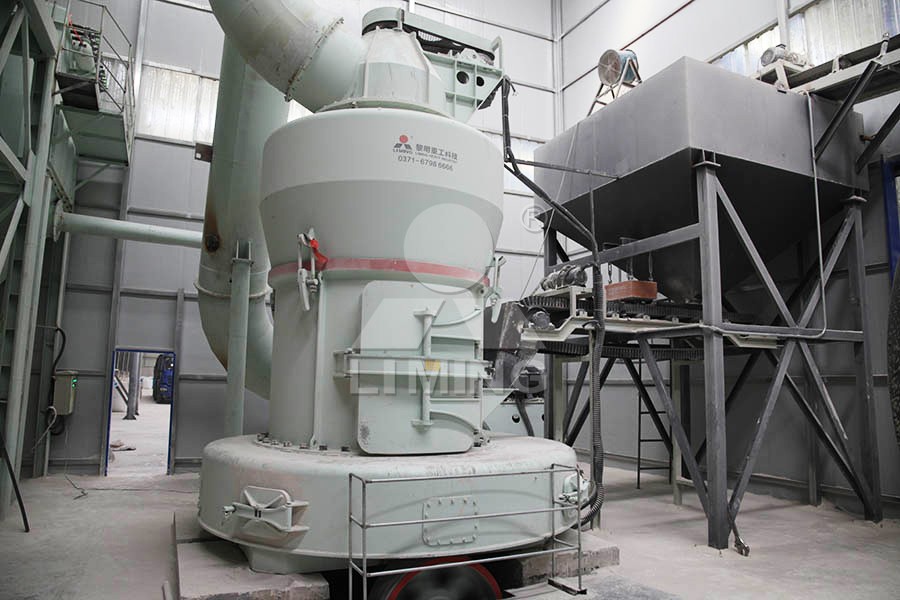
Understanding the working principle of the 6R Raymond Mill is key to appreciating its precision. The process starts with raw material—typically stone crushed to under 25 mm—fed into the grinding chamber via a vibrating feeder. Inside the chamber, a set of rollers (six in the 6R configuration) oscillates outward due to centrifugal force, pressing against a stationary grinding ring. A shovel blade scoops up the material and directs it into the gap between the rollers and the ring, where compression and shearing reduce it to dust.
The ground powder is then carried upward by an air stream generated by a blower. It enters a separator, where a rotating impeller sorts particles by size. Coarse particles fall back into the chamber for regrinding, while fine powder passes through to a cyclone collector. The entire airflow system operates in a closed loop under negative pressure, minimizing dust leakage and ensuring a clean working environment. This closed-circuit design is a major upgrade over older mills, and it aligns with modern environmental standards.
For applications requiring even finer output—say, 325 to 2500 mesh—we recommend pairing the 6R mill with our MW Ultrafine Grinding Mill. The MW series uses a cage-type powder selector derived from German technology, achieving a screening rate of d97≤5μm. But for most stone-grinding operations, the 6R Raymond Mill delivers a reliable balance of capacity (0.6–5 tph) and fineness (80–600 mesh).
Key Features That Set the 6R Raymond Mill Apart
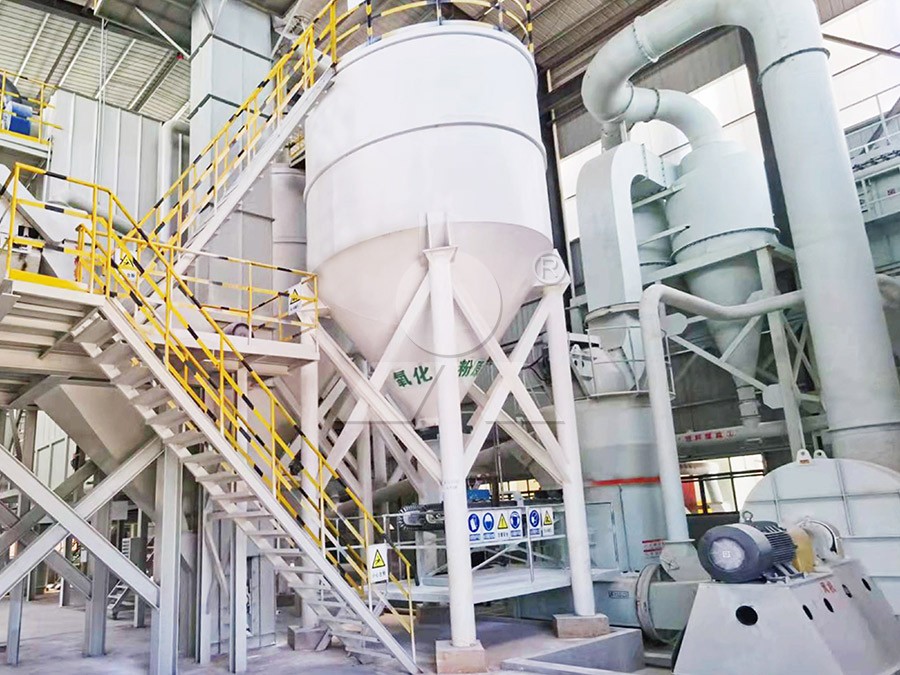
What separates the 6R Raymond Mill from its predecessors and competitors? First, consider the grinding dynamics. The oscillating roller design, combined with a curved shovel blade, increases the effective grinding area. This means higher throughput per pass and less energy wasted on recirculating material. Second, the mill’s mainframe is built with a gear-driven transmission that eliminates belt slippage, ensuring consistent torque delivery even under heavy loads.
Another standout feature is the lubrication system. Unlike older mills that required frequent greasing of bearings inside the grinding chamber, the 6R series uses an external lubricating device. This allows for oil changes without stopping production—a huge advantage for 24/7 operations. The absence of rolling bearings and screws inside the chamber also reduces the risk of mechanical failure from loose parts or seal damage.
Dust control is another area where the 6R Raymond Mill excels. An integrated pulse dust collector captures fine particles before they can escape, and a muffler reduces noise levels to comply with workplace regulations. For customers who need even higher environmental performance, the LUM Ultrafine Vertical Grinding Mill offers a fully sealed, negative-pressure system with energy savings of 30–50%% compared to traditional mills. But the 6R remains a cost-effective choice for medium-scale operations.
Applications: Where the 6R Raymond Mill Shines
The 6R Raymond Mill is versatile enough to handle a wide range of non-metallic minerals. Common applications include grinding limestone for desulfurization in power plants, processing gypsum for wallboard manufacturing, and milling barite for oil-drilling additives. It’s also used in the chemical industry for producing talc, marble powder, and petroleum coke. The machine’s ability to produce consistent particle sizes—adjustable via the separator speed—makes it suitable for industries where powder quality directly impacts product performance.
For extremely hard or abrasive materials, we often suggest upgrading to the MTW European Trapezium Mill, which features wear-resistant alloy rollers and rings that last 1.7–2.5 times longer than standard manganese steel parts. However, for most stone-grinding tasks with a Mohs hardness under 7 and moisture below 6%%, the 6R Raymond Mill delivers reliable, low-cost operation.
Maintenance and Long-Term Reliability
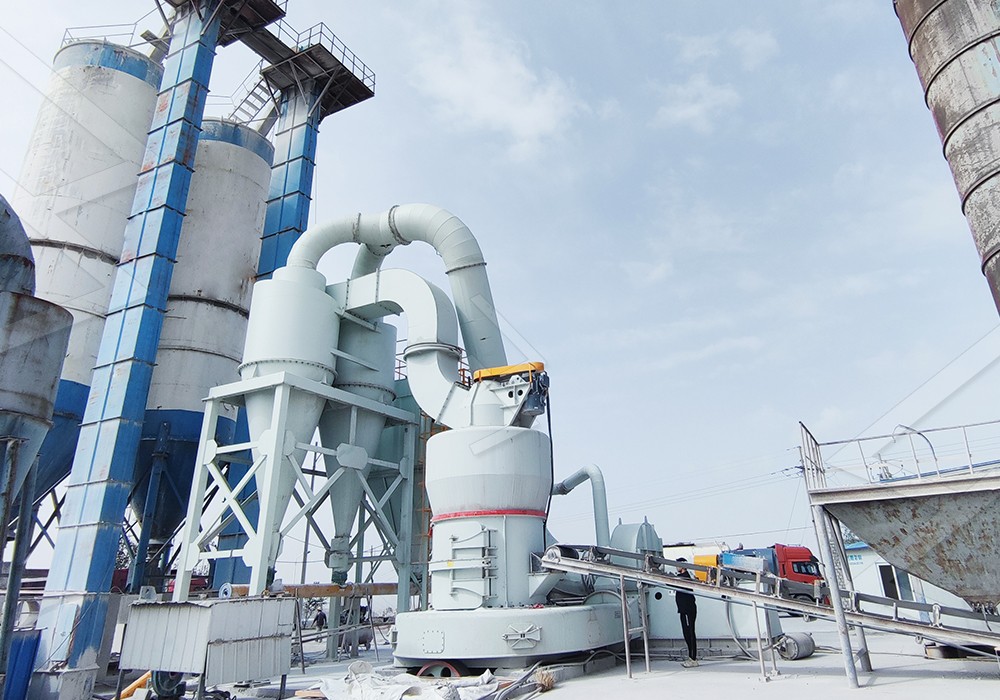
One of the biggest concerns with grinding mills is downtime for maintenance. The 6R Raymond Mill addresses this through several design choices. The external lubrication system, as mentioned, allows continuous operation. The grinding rollers and rings are made from high-chrome wear-resistant materials, extending service intervals. And the entire machine is manufactured using numerical control (NC) machine tools, ensuring precise fits and consistent quality from unit to unit.
Liming Heavy Industry also maintains a comprehensive stock of spare parts for the 6R series. We can ship original rollers, rings, shovel blades, and bearings quickly, minimizing your downtime. Our technical support team is available to help with installation, tuning, and troubleshooting, ensuring your mill operates at peak efficiency for years.
Why Choose Liming for Your Grinding Needs?
With decades of experience in the grinding industry, Liming Heavy Industry has built a reputation for robust machinery and responsive service. Our product line covers everything from the entry-level Raymond Mill to the high-capacity LM Vertical Grinding Mill (3–340 tph). Each machine is backed by a commitment to quality: we use NC-controlled fabrication for core components, and we test every unit before shipment. Whether you need a single mill or a complete turnkey system, we can tailor a solution to your specific material, fineness, and capacity requirements.
For stone grinding applications requiring ultra-fine output, we strongly recommend evaluating the MW Ultrafine Grinding Mill. Its ability to produce powders down to 2500 mesh with 40%% higher capacity than jet mills makes it a game-changer for high-value products like cosmetics, pharmaceuticals, and food additives. But for general industrial use, the 6R Raymond Mill remains the workhorse that gets the job done.
FAQs About 6R Raymond Mill for Stone
- What is the maximum feed size for the 6R Raymond Mill?
The 6R Raymond Mill accepts feed sizes up to 25 mm. Larger materials should be pre-crushed using a jaw crusher to avoid damaging the grinding chamber. - What fineness range can the 6R Raymond Mill achieve?
It typically produces powders between 80 and 600 mesh. For finer requirements (up to 2500 mesh), consider the MW Ultrafine Grinding Mill. - How do I adjust the fineness of the output?
Fineness is controlled by adjusting the rotating speed of the separator impeller and the airflow rate. Higher speeds and lower airflow yield finer particles. - What materials can the 6R Raymond Mill process?
It works best on non-metallic minerals with Mohs hardness under 7 and moisture content below 6%%, such as limestone, gypsum, barite, marble, talc, and dolomite. - Does the 6R Raymond Mill require a dust collector?
Yes, the machine is typically paired with a pulse dust collector to meet environmental standards. Liming can supply a compatible unit as part of the system. - How often do I need to replace grinding rollers and rings?
Service life depends on material abrasiveness and operating hours. With normal use on limestone, rollers and rings can last 6–12 months. We recommend stocking spare parts for quick changeovers. - Can the 6R Raymond Mill run continuously for 24 hours?
Yes. The external lubrication system and robust bearing design support round-the-clock operation without shutdown for maintenance. - What is the power consumption of the 6R Raymond Mill?
Power consumption varies by model and material, but the 6R series is designed for energy efficiency. Typical motor power ranges from 30 kW to 75 kW, depending on capacity. - How does the 6R Raymond Mill compare to the LUM Ultrafine Vertical Mill?
The 6R is a more cost-effective choice for medium capacities (0.6–5 tph) and standard fineness. The LUM offers higher capacity (5–18 tph), finer powders, and greater energy savings (30–50%% reduction) but at a higher initial investment. - Where can I buy parts for the 6R Raymond Mill?
Liming Heavy Industry supplies all original spare parts directly. Contact our sales team or visit our website to place an order.