
Raymond Mill Supply Equipment Quotation: What’s the Price Range for Industrial Grinding Mills?
We provide a wide range of mills — including Raymond mill, trapezoidal mill, vertical mill, ultrafine mill, and ball mill, obtained ISO9001 international quality certification, EU CE certification, and Customs Union CU-TR certification. Suitable for processing minerals such as limestone, phosphate, quicklime, kaolin, talc, barite, bentonite, calcium carbonate, dolomite, coal, gypsum, clay, carbon black, slag, cement raw materials, cement clinker, and more.
The discharge range of these mills can be adjusted to meet specific processing needs, typically from 80-400 mesh, 600-3250 mesh, and can achieve the finest particle size of up to 6000 mesh(D50).
If you are looking for a reliable grinding solution to turn stone or minerals into fine powder, please feel free to contact our online customer service.
Understanding the Cost of Industrial Grinding Mills
When you start looking for a Raymond mill or any industrial grinding equipment, the first question that comes to mind is usually about the price. But the answer is never a simple number. The cost of an industrial grinding mill depends on many factors, including the type of mill, its capacity, the fineness of the powder you need, and the materials you are processing. In this article, we break down the price range for different grinding mills and help you understand what you are paying for.
Raymond Mill: The Classic Choice
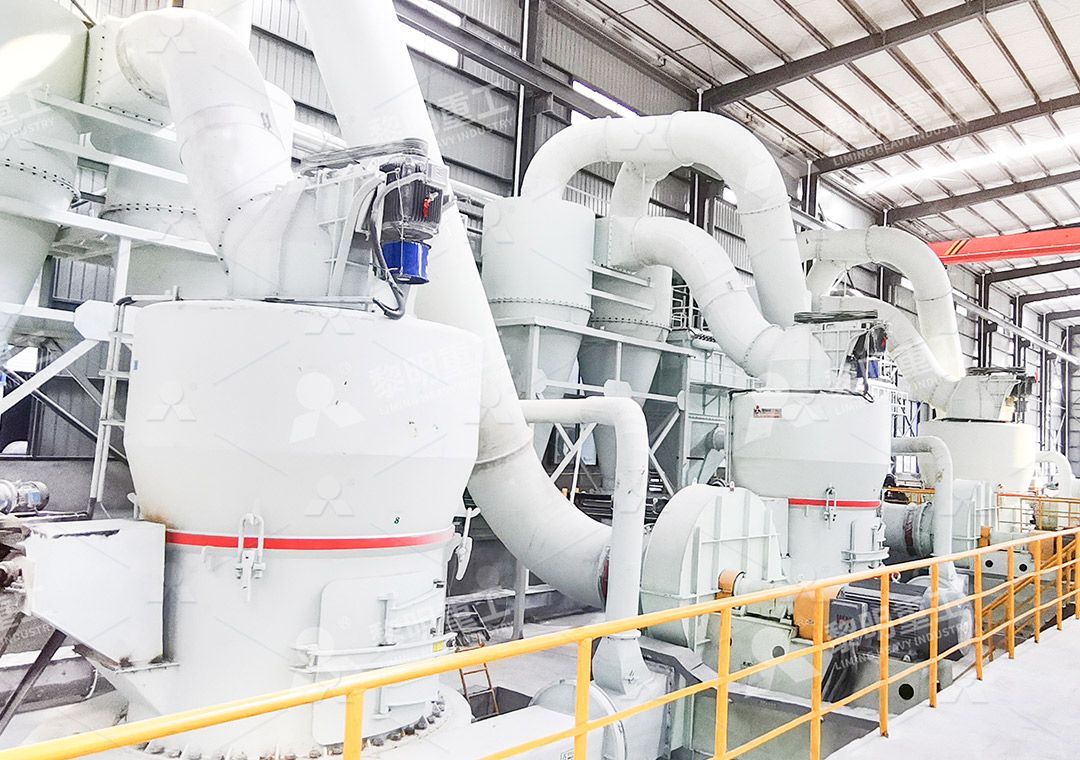
The traditional Raymond mill is still widely used in industries like metallurgy, construction, and chemical processing. It is known for its low investment cost and small footprint. For a standard Raymond mill with a capacity of 0.6 to 5 tons per hour, you can expect the price to fall somewhere between $15,000 and $80,000. The exact figure depends on whether you need a complete set with a crusher, elevator, and dust collector, or just the mill itself.
MW Ultrafine Grinding Mill: For Ultra-Fine Powder Demands
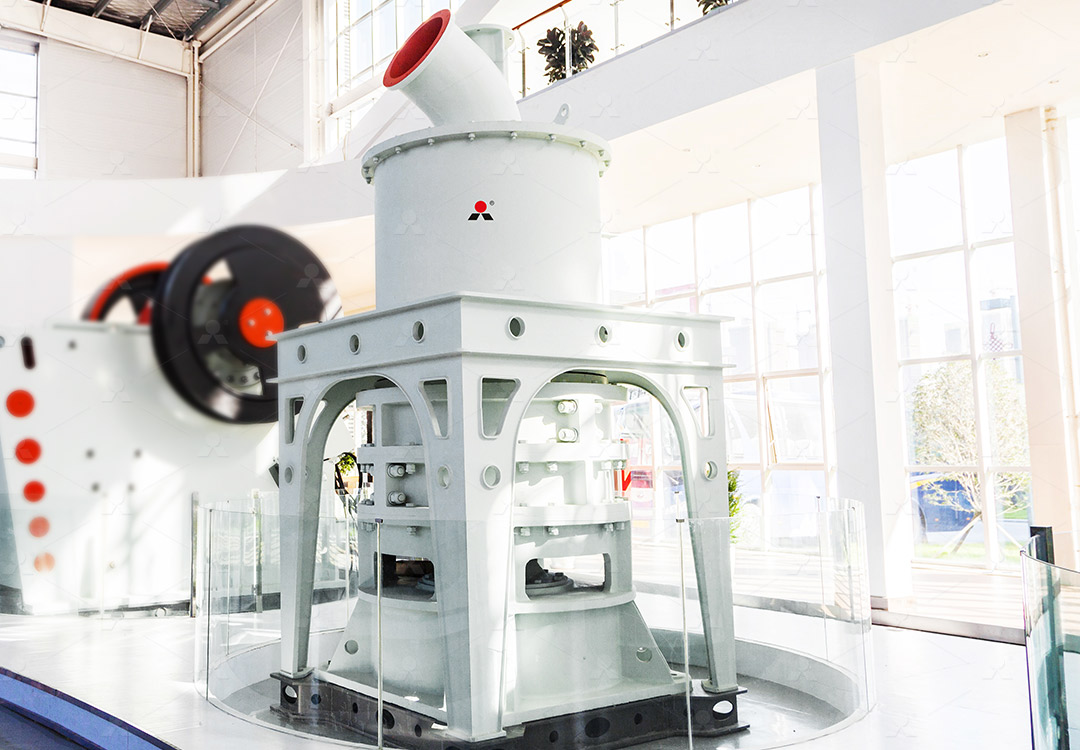
If your operation requires ultra-fine powder with fineness adjustable between 325 and 2500 meshes, the MW Ultrafine Grinding Mill from LIMING is a strong contender. This machine can handle input sizes up to 20 mm and has a capacity of 0.5 to 25 tph. Its energy consumption is only 30% of a jet mill, and it comes with a pulse dust collector to keep your workplace clean. The price for an MW Ultrafine Grinding Mill typically ranges from $50,000 to $200,000, depending on the configuration and accessories.
We strongly recommend the MW Ultrafine Grinding Mill for industries such as paint, cosmetics, medicine, and food additives where purity and fineness are critical. Its no-rolling-bearing design means fewer breakdowns, and the lubricating device allows for 24-hour continuous operation without shutdown.
LUM Ultrafine Vertical Grinding Mill: German and Taiwan Technology Combined
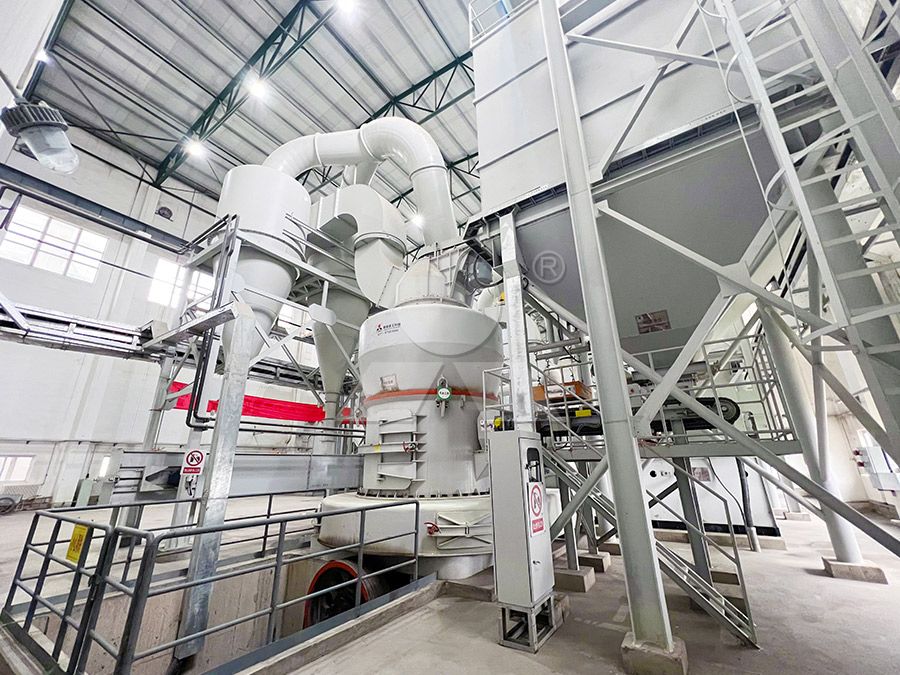
For higher capacity needs, the LUM Ultrafine Vertical Grinding Mill offers a solution. With an input size of 0-10 mm and a capacity of 5-18 tph, this mill integrates grinding, grading, and transporting into one system. It uses Taiwan grinding roller technology and German powder separating technology. The price range for the LUM series is generally between $80,000 and $250,000. The energy savings of 30%-50% compared to common mills can quickly offset the higher initial investment.
Another product we suggest is the LUM Ultrafine Vertical Grinding Mill, especially if you need to process non-metal ores like calcite, marble, or barite. Its double position-limiting technology prevents destructive impacts, and the reversible structure makes maintenance much easier than traditional mills.
MTW European Trapezium Mill: Versatility and Efficiency
The MTW European Trapezium Mill is a workhorse for many industries. It can handle input sizes up to 50 mm and delivers capacities from 3 to 55 tph. Its diluted oil lubrication system reduces maintenance, and the cambered air duct lowers energy consumption. Prices for the MTW series vary widely, from about $40,000 for smaller models to over $150,000 for larger configurations with full automation.
Factors That Influence the Final Price
No two quotations are the same because every project has unique requirements. Here are the main factors that affect the price of an industrial grinding mill:
- Capacity: Higher throughput requires larger motors, stronger frames, and more auxiliary equipment. A mill with a capacity of 50 tph will cost significantly more than one rated at 5 tph.
- Fineness: Achieving finer powders, especially below 1000 mesh, demands more precise classifiers and sometimes additional grinding stages. This adds to the cost.
- Material hardness: Processing materials with a Mohs hardness above 7, such as granite or bauxite, requires wear-resistant components like alloy steel rollers and rings. These upgrades increase the price.
- Automation level: Fully automated systems with PLC control, remote monitoring, and automatic lubrication come at a premium but reduce labor costs over time.
- Environmental compliance: Mills with advanced dust collectors, silencers, and sealed systems cost more upfront but help you meet strict environmental regulations.
Ball Mill: The Budget Option
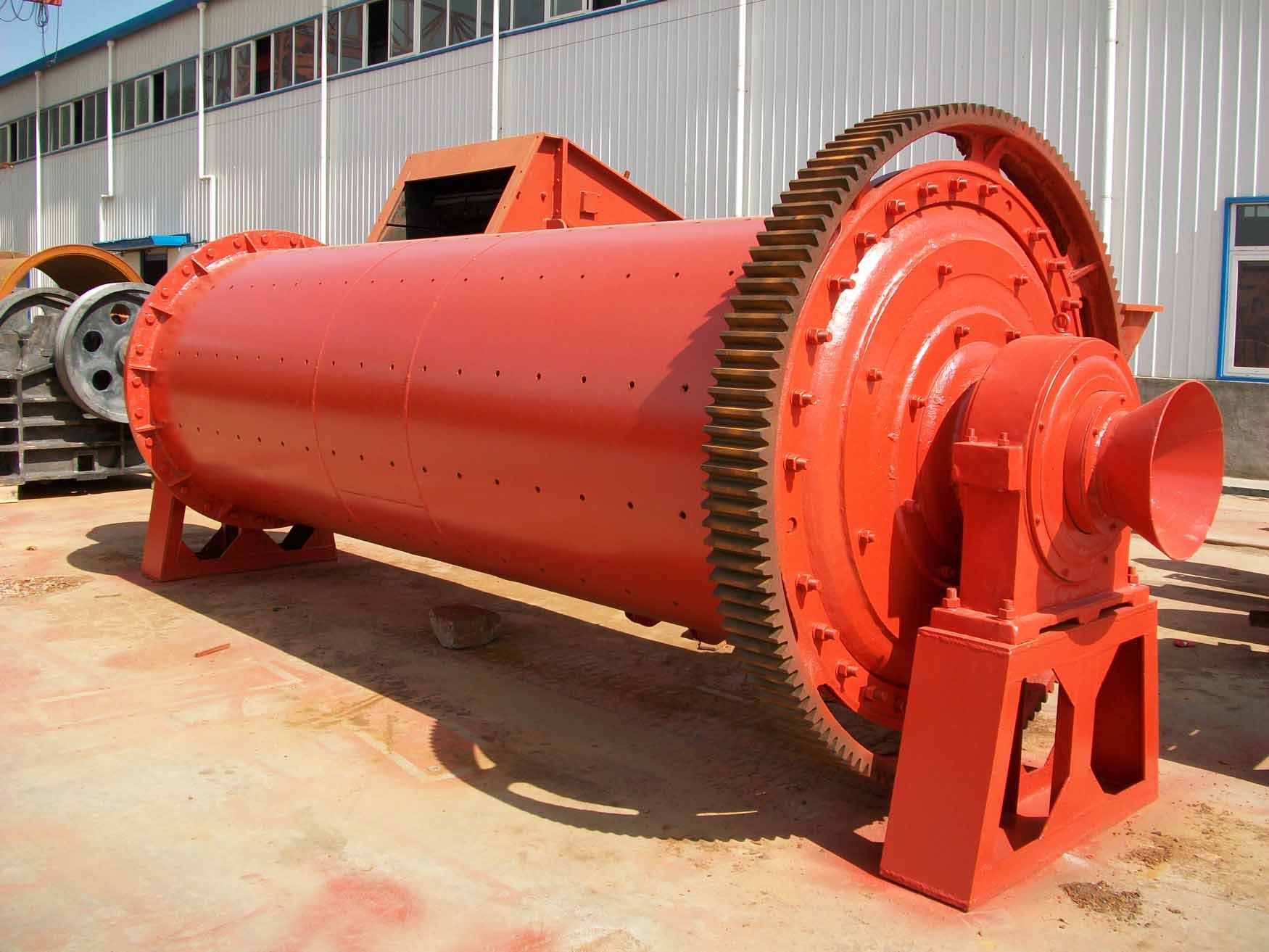
For operations with lower budget constraints, the ball mill remains a viable option. With an input size under 25 mm and capacities ranging from 0.65 to 50 tph, ball mills are simple, reliable, and inexpensive. Prices start as low as $10,000 for small laboratory units and go up to $100,000 for industrial-scale machines. However, keep in mind that ball mills consume more energy and have a larger footprint compared to vertical mills.
How to Get an Accurate Quotation
To get a reliable quotation, you need to provide the supplier with detailed information about your project. At LIMING, we always ask for the following:
- Raw material name and hardness (Mohs scale)
- Feed size and required final fineness
- Capacity in tons per hour
- Moisture content of the material
- Site conditions (indoor or outdoor installation, available power supply)
With this information, we can recommend the most suitable mill and give you a precise price. For example, if you need to grind limestone to 800 mesh at 10 tph, the MW Ultrafine Grinding Mill or the MTW European Trapezium Mill could be the right fit.
Final Thoughts on Pricing
In summary, the price range for industrial grinding mills is broad:
- Raymond mills: $15,000 – $80,000
- Ball mills: $10,000 – $100,000
- MTW European Trapezium mills: $40,000 – $150,000
- MW Ultrafine Grinding Mills: $50,000 – $200,000
- LUM Ultrafine Vertical Grinding Mills: $80,000 – $250,000
Investing in a higher-quality mill often pays off through lower energy costs, less downtime, and better product quality. At LIMING, we provide not just equipment but also spare parts support and technical services to ensure worry-free operation. Contact us with your specific requirements, and we will prepare a detailed quotation tailored to your needs.
Frequently Asked Questions (FAQs)
1. What is the price of a Raymond mill for small-scale production?
A small Raymond mill with a capacity of 0.6 to 2 tph typically costs between $15,000 and $30,000. This price usually includes the main mill, but you may need to budget separately for auxiliary equipment like a crusher and elevator.
2. How does the MW Ultrafine Grinding Mill compare in price to a jet mill?
The MW Ultrafine Grinding Mill is generally more affordable than a jet mill. While a jet mill for similar capacity and fineness can cost upwards of $150,000, the MW mill ranges from $50,000 to $200,000 and offers 40% higher production capacity with only 30% of the energy consumption.
3. Can I get a discount for buying multiple mills?
Yes, we offer volume discounts for customers purchasing two or more units. The exact discount depends on the models and the total order value. Contact our sales team for a custom quote.
4. What factors most affect the maintenance cost of a grinding mill?
The main factors are the wear rate of grinding rollers and rings, the frequency of lubricant changes, and the ease of accessing spare parts. Mills with reversible structures, like the LUM series, or those using dilute oil lubrication, like the MTW series, tend to have lower maintenance costs.
5. How long does it take to get a quotation from LIMING?
Once you provide the necessary details about your material, capacity, and fineness requirements, we typically send a detailed quotation within 24 to 48 hours. For complex custom solutions, it may take up to 3 business days.
6. Is the price of the mill inclusive of installation and training?
Standard quotations include the equipment cost and basic documentation. Installation and on-site training can be arranged at an additional cost. We recommend including these services to ensure optimal setup and operation.
7. What is the warranty period for LIMING grinding mills?
All LIMING grinding mills come with a standard one-year warranty against manufacturing defects. Extended warranty plans are available for purchase. Spare parts are guaranteed to be available for at least ten years after the purchase date.