
Potassium Ore Grinding Mill Equipment: Key Selection Guide for Efficient Powder Processing
We provide a wide range of mills — including Raymond mill, trapezoidal mill, vertical mill, ultrafine mill, and ball mill, obtained ISO9001 international quality certification, EU CE certification, and Customs Union CU-TR certification. Suitable for processing minerals such as limestone, phosphate, quicklime, kaolin, talc, barite, bentonite, calcium carbonate, dolomite, coal, gypsum, clay, carbon black, slag, cement raw materials, cement clinker, and more.
The discharge range of these mills can be adjusted to meet specific processing needs, typically from 80-400 mesh, 600-3250 mesh, and can achieve the finest particle size of up to 6000 mesh(D50).
If you are looking for a reliable grinding solution to turn stone or minerals into fine powder, please feel free to contact our online customer service.
Potassium Ore Grinding Mill Equipment: Key Selection Guide for Efficient Powder Processing
Selecting the right grinding mill for potassium ore processing is a decision that directly impacts operational efficiency, product quality, and long-term profitability. Potassium ore, often found in forms such as sylvite, carnallite, and langbeinite, requires careful consideration of its physical and chemical properties before committing to a milling solution. This guide explores the critical factors that influence equipment choice and highlights how modern grinding technology addresses the unique challenges of this material.
Understanding Potassium Ore Characteristics
Potassium ore is not a uniform material. Its hardness typically ranges from 2 to 3 on the Mohs scale, but moisture content and impurities can vary significantly between deposits. Some ores contain clay or other黏土 minerals that create stickiness during grinding, while others are relatively dry and brittle. The target fineness for most potassium applications—whether for fertilizer production, chemical processing, or industrial additives—falls between 200 mesh and 800 mesh, though some specialty products demand ultrafine powders down to 2500 mesh (d97≤5μm).
These variations mean that a one-size-fits-all approach rarely works. The grinding mill must handle the feed size, moisture level, and desired output without compromising throughput or causing excessive wear.
Key Selection Criteria for Potassium Ore Grinding
Feed Size and Capacity Requirements
The first technical parameter to evaluate is the maximum feed size your operation generates. Primary crushing typically reduces run-of-mine ore to below 20 mm, but some setups may produce coarser material up to 50 mm. The mill’s feed opening and internal design must accommodate this without clogging. Capacity is equally critical. Small-scale operations might need only 0.5 tons per hour, while large industrial plants often require 20 tons per hour or more.
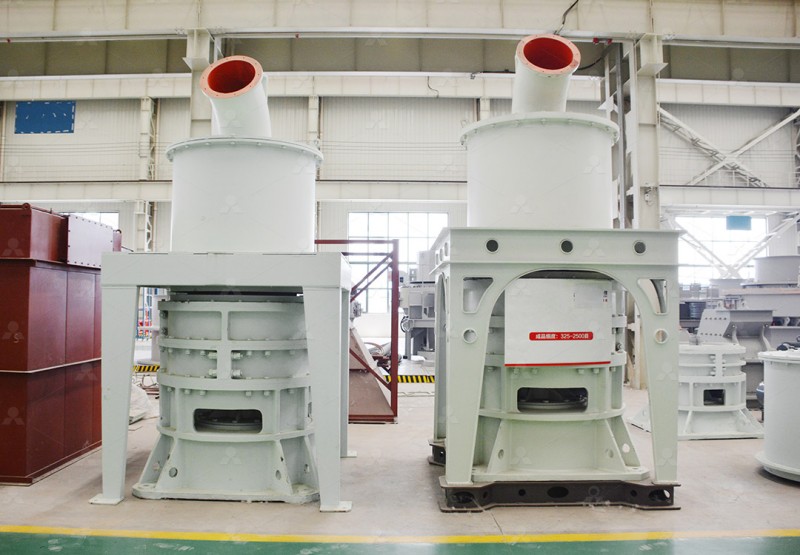
For example, the MW Ultrafine Grinding Mill accepts feed sizes up to 20 mm and delivers capacities from 0.5 to 25 tph, making it suitable for both pilot plants and full-scale production. Its newly designed grinding curves for the roller and ring boost grinding efficiency significantly, achieving 40% higher capacity than jet mills and twice the yield of ball mills under the same power consumption.
Fineness Control and Separation Precision
Potassium ore applications often demand precise particle size distribution. For fertilizers, a consistent granule size ensures even nutrient release. For chemical feedstocks, overly fine particles can cause handling issues, while coarse particles reduce reaction rates. The mill’s classification system determines how accurately it can separate fine from coarse material.
Modern mills employ cage-type powder selectors with German technology, allowing adjustment across a wide range—from 325 mesh to 2500 mesh. The multi-head design enables users to balance yield, fineness, and sieving rate according to production targets. Mills like the LUM Ultrafine Vertical Grinding Mill take this further with PLC-controlled multi-head separating technology, which delivers high-precision cutting of powder diameter and rapid switching between different product specifications.
Wear and Maintenance Considerations
Potassium ore can be abrasive, especially when it contains quartz or other hard gangue minerals. Traditional mills with rolling bearings or screws inside the grinding chamber are vulnerable to damage from fine dust ingress. Bearing failures lead to unscheduled downtime and costly repairs.
Some advanced mills eliminate this risk entirely. The MW Ultrafine Grinding Mill, for instance, has no rolling bearings or screws in the grinding chamber. Instead, it uses an external lubrication device that allows oil changes without stopping production. This design supports continuous 24-hour operation and removes the worry of bearing seal failures or loose screws damaging internal components.
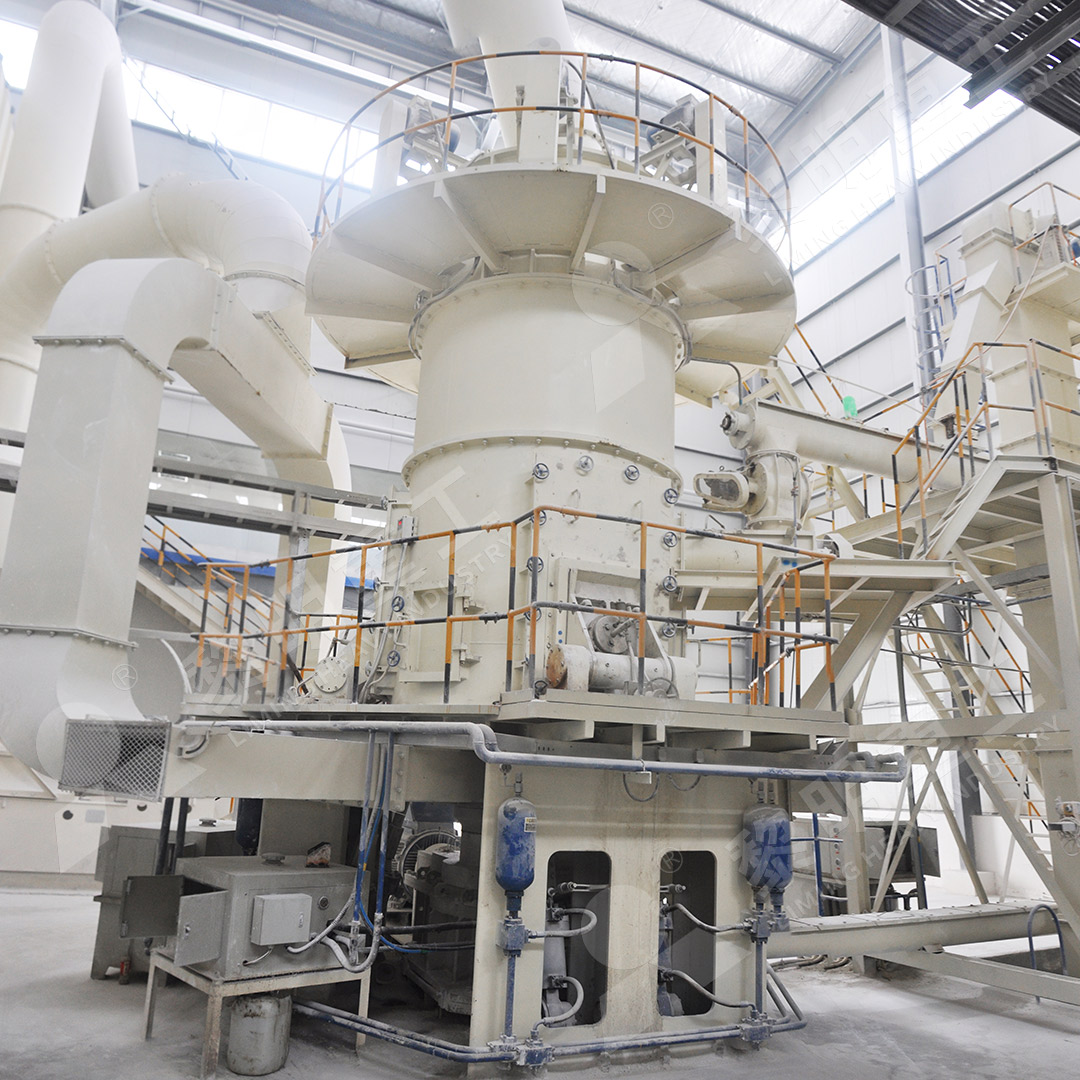
Similarly, the LUM Ultrafine Vertical Grinding Mill features a reversible structure for the grinding roller assembly. Operators can swing the heavy roller out of the body for quick inspection and replacement of wear parts, minimizing shutdown time.
Energy Efficiency and Operating Costs
Grinding is one of the most energy-intensive steps in mineral processing. Electricity costs often represent a substantial portion of total operating expenses. The mill’s design directly influences power consumption per ton of product.
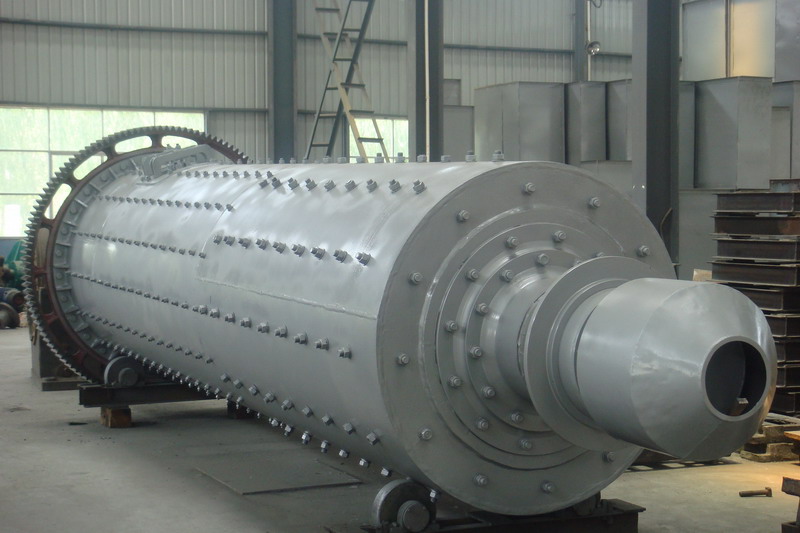
Horizontal ball mills, while familiar, are notoriously inefficient. Their energy consumption can be three times higher than more modern alternatives. Vertical roller mills and ultrafine grinding mills use material bed grinding principles, where particles crush against each other rather than relying solely on impact from heavy media. This reduces energy waste and heat generation.
The LUM Ultrafine Vertical Grinding Mill, for example, cuts energy usage by 30% to 50% compared to conventional mills. Its unique roller shell and lining plate curve design create a stable material layer, enabling high single-pass yield rates that reduce recirculation load and associated power draw.
Environmental Compliance and Dust Control
Stringent environmental regulations in most mining regions require mills to operate with minimal dust emissions and noise. Open-circuit systems that vent dusty air are no longer acceptable. Modern grinding mills integrate pulse dust collectors and silencers directly into the system.
The MW Ultrafine Grinding Mill exemplifies this approach. Its efficient pulse dust collector captures fine particles before they escape, and the muffler reduces noise levels. The entire milling system operates within national environmental protection standards, allowing plants to locate closer to residential areas without compliance issues.
Matching Equipment to Application
Potassium ore processing often involves multiple steps beyond grinding. Some operations require simultaneous drying if the ore has high surface moisture. Others need to remove tramp iron or other contaminants before or after milling. The mill’s integration with upstream and downstream equipment matters.
For operations targeting fertilizer-grade potassium powders, the MW Ultrafine Grinding Mill’s ability to produce adjustable fineness between 325 and 2500 mesh makes it versatile. For those producing ultra-fine powders for specialty chemicals or cosmetics, where product whiteness and purity are paramount, the LUM Ultrafine Vertical Grinding Mill’s design minimizes iron contamination by keeping the roller and millstone from direct contact.
Making the Final Decision
No single mill fits every potassium ore project. The choice depends on feed characteristics, target fineness, capacity needs, and budget constraints. However, focusing on mills that eliminate common pain points—bearing failures, high energy bills, dust pollution, and difficult maintenance—will narrow the field considerably.
Both the MW Ultrafine Grinding Mill and the LUM Ultrafine Vertical Grinding Mill offer robust solutions for potassium ore processing. They combine high capacity with low operating costs, precise classification with easy fineness adjustment, and eco-friendly operation with reliable mechanical design. Consulting with equipment manufacturers that understand potassium ore’s specific challenges—and that back their machines with sufficient spare parts supply and technical support—ensures a smoother path from installation to full production.
Frequently Asked Questions (FAQs)
1. Can the same mill handle both dry potassium ore and ore with high moisture content?
It depends on the mill design. Vertical roller mills like the LUM series can handle materials with some moisture because they incorporate a hot air system for drying during grinding. However, extremely sticky or wet ore may require a separate drying step before entering the mill to prevent clogging and reduce grinding efficiency.
2. What is the typical wear life of grinding rollers and rings when processing potassium ore?
Wear life varies based on the ore’s abrasiveness and the mill’s operating parameters. For potassium ore with low quartz content, a set of wear-resistant alloy rollers and rings can last 1,500 to 3,000 hours. Materials with higher abrasiveness will reduce this interval. Mills with reversible or easily replaceable roller designs minimize downtime during changeouts.
3. How does the MW Ultrafine Grinding Mill achieve d97≤5μm fineness?
It uses a cage-type powder selector based on German classification technology. The multi-head separator rotates at controlled speeds, directing fine particles to the collection system while returning coarse material for further grinding. This allows precise cut points even at very fine ranges.
4. Is it possible to switch between different product fineness grades during production without stopping the mill?
Yes, mills with PLC-controlled separators, such as the LUM Ultrafine Vertical Grinding Mill, allow operators to adjust the rotor speed and other parameters in real time. This enables switching from 400 mesh to 800 mesh, for example, without shutting down the system.
5. What safety measures are built into these mills for handling potassium ore dust?
Both the MW and LUM mills operate under negative pressure, meaning air is drawn into the system rather than escaping. Pulse dust collectors filter exhaust air, and all electrical components are sealed to prevent dust ingress. Additionally, the mills are designed without grease points inside the grinding chamber, reducing fire risk from oil-mist accumulation.
6. How much floor space is needed for a complete potassium ore grinding system?
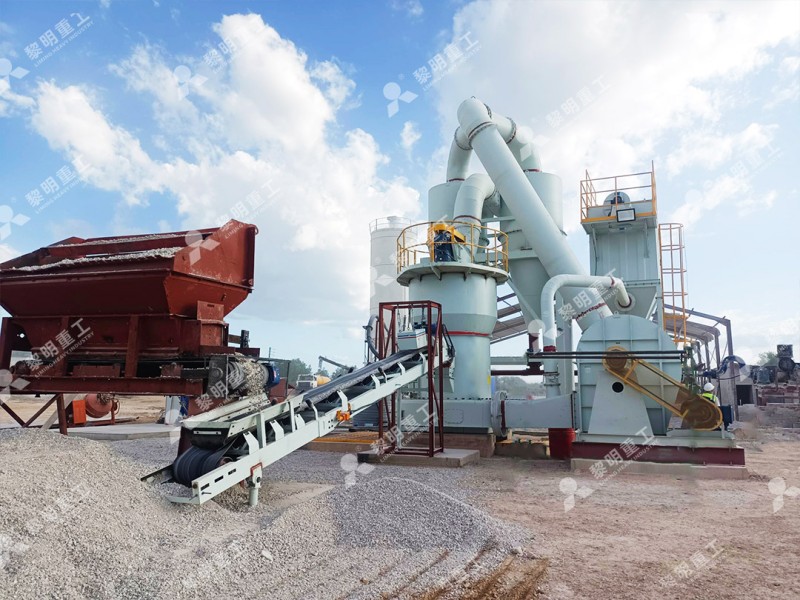
A vertical mill system occupies roughly 50% of the area required by a ball mill system of equivalent capacity. For a 10 tph operation, the mill itself plus ancillary equipment—collector, blower, feeder, and control panel—can fit within a footprint of approximately 100-150 square meters. Outdoor installation is possible for most vertical mills.
7. What kind of after-sales support does LIMING provide for these mills?
LIMING offers comprehensive technical services, including installation guidance, operator training, and routine maintenance schedules. Original spare parts are stocked for all models to ensure quick replacements. The company’s policy covers every machine produced, with support teams reachable via phone, email, or on-site visits depending on the agreement.