
Efficient Gold Ore Grinding Mill for Maximized Mineral Recovery
We provide a wide range of mills — including Raymond mill, trapezoidal mill, vertical mill, ultrafine mill, and ball mill, obtained ISO9001 international quality certification, EU CE certification, and Customs Union CU-TR certification. Suitable for processing minerals such as limestone, phosphate, quicklime, kaolin, talc, barite, bentonite, calcium carbonate, dolomite, coal, gypsum, clay, carbon black, slag, cement raw materials, cement clinker, and more.
The discharge range of these mills can be adjusted to meet specific processing needs, typically from 80-400 mesh, 600-3250 mesh, and can achieve the finest particle size of up to 6000 mesh(D50).
If you are looking for a reliable grinding solution to turn stone or minerals into fine powder, please feel free to contact our online customer service.
Introduction: The Challenge of Gold Ore Processing
Gold ore processing is a complex endeavor where every operational decision directly impacts the bottom line. The journey from raw ore to pure gold involves crushing, grinding, classification, and recovery. Among these stages, grinding is arguably the most critical because it determines how effectively gold particles are liberated from the surrounding gangue. If the grinding process is inefficient, valuable gold remains locked inside waste rock, leading to significant losses. That is why selecting the right grinding mill is not just a technical choice—it is an economic imperative.
Milling operations face mounting pressure to reduce energy consumption, minimize environmental footprint, and maximize throughput while maintaining product quality. Traditional ball mills, while reliable, often fall short in terms of energy efficiency and fineness control. Jet mills, on the other hand, consume enormous amounts of compressed air or steam. The industry needs a balanced solution that offers high capacity, fine particle distribution, low energy usage, and minimal maintenance. This is where modern ultrafine grinding technology, like the MW Ultrafine Grinding Mill, enters the scene.
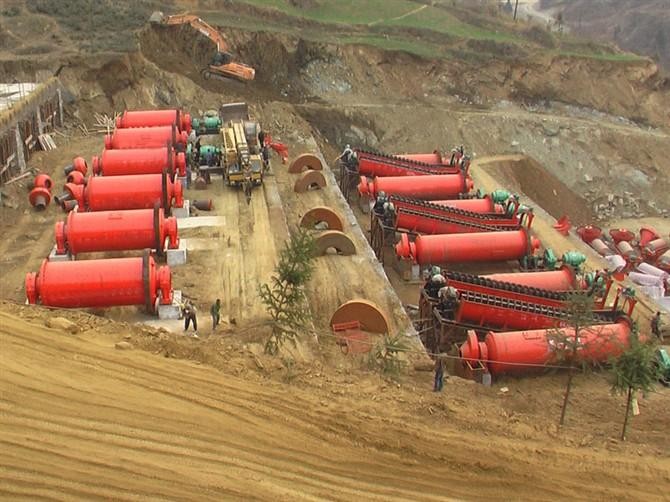
Why Grinding Efficiency Matters for Gold Recovery
Gold recovery rates are directly correlated with the liberation of gold particles. In many ore deposits, gold occurs as fine inclusions within sulfide minerals or silicates. To expose these particles, the ore must be ground to a specific fineness, often below 75 microns. If the grinding mill cannot achieve the required particle size distribution consistently, the downstream processes—flotation, cyanidation, or gravity concentration—will suffer. Moreover, over-grinding produces excessive slimes that consume reagents and complicate solid-liquid separation.
Energy consumption is another major factor. Grinding typically accounts for 30% to 50% of total energy usage in a mineral processing plant. Any reduction in specific energy consumption translates directly into lower operating costs. The MW Ultrafine Grinding Mill addresses this by achieving a 40% higher production capacity than jet mills and stirred mills under the same power consumption, while using only 30% of the energy of a jet mill. This is a game-changer for operations that run 24/7.
Furthermore, the equipment’s design eliminates rolling bearings and screws inside the grinding chamber, which are common failure points in conventional mills. This means less downtime for maintenance and more uptime for production. For gold mines, every hour of lost production represents lost revenue, so reliability is paramount.
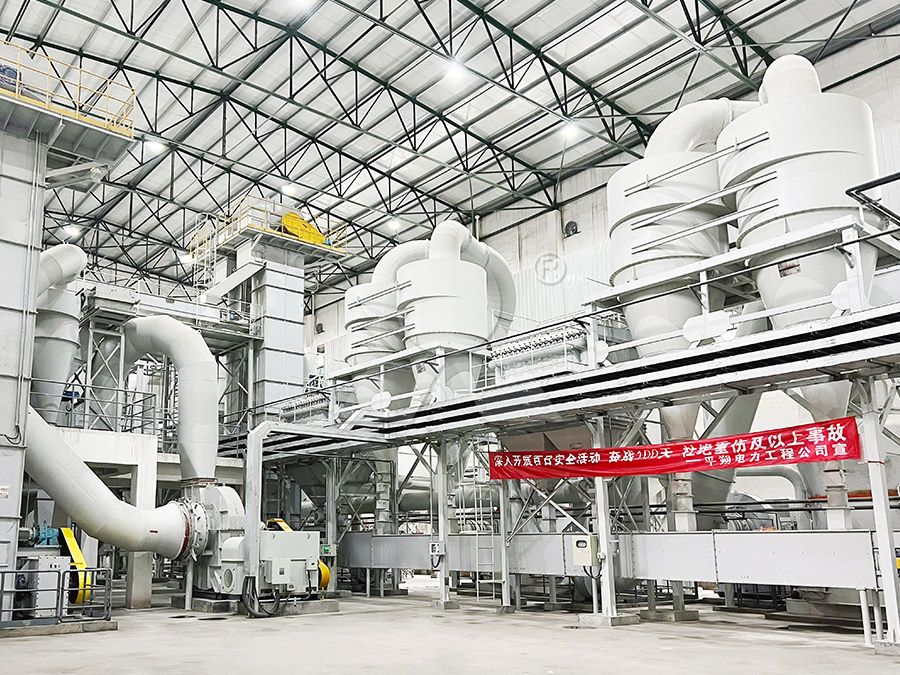
Key Features of the MW Ultrafine Grinding Mill
The MW Ultrafine Grinding Mill has been engineered from the ground up to address the specific demands of the gold ore processing industry. Its input size capacity of 0-20 mm and production throughput of 0.5 to 25 tons per hour make it suitable for small to medium-scale operations. However, the real value lies in its advanced features:
- Adjustable Fineness from 325 to 2500 mesh: The cage-type powder selector, which utilizes German separation technology, provides precise classification. Users can achieve d97 ≤ 5 microns in a single pass, which is critical for liberating ultra-fine gold particles.
- Dust-Free Operation: The efficient pulse dust collector and muffler ensure that no dust escapes during operation. This protects worker health and allows operations to comply with stringent environmental regulations.
- Digitalized Manufacturing: With CNC machining for core components, the tolerances are tight, ensuring consistent performance and long service life. This precision also reduces vibration and noise.
- 24-Hour Continuous Operation: The external lubrication system allows for maintenance without stopping the mill, which is essential for high-uptime operations.
These features collectively make the MW Ultrafine Grinding Mill an excellent choice for gold ore grinding where fine particle size and high recovery rates are non-negotiable.
LUM Ultrafine Vertical Grinding Mill: A Step Further
For operations that demand even higher throughput and more advanced automation, the LUM Ultrafine Vertical Grinding Mill is a worthy consideration. It handles input sizes up to 10 mm and delivers 5 to 18 tons per hour. Its vertical layout reduces the footprint by approximately 50% compared to traditional ball mill systems, which is a significant advantage in confined spaces.
The LUM mill incorporates Taiwan roller technology and German powder separation technology. Its multi-head powder separation system, controlled by PLC, allows operators to switch between different product specifications without lengthy changeovers. This is particularly useful in gold operations where ore characteristics vary from one batch to the next. Moreover, the double position-limiting technology protects the mill from destructive vibrations caused by tramp metal or blasting shockwaves. This means fewer catastrophic failures and more predictable maintenance schedules.
Another practical advantage is the reversible structure of the grinding roller. When the roller shell wears out, the operator can flip it over without removing the entire assembly from the mill body. This reduces maintenance downtime by hours, if not days. For a gold mine processing hundreds of tons per day, time saved is money earned.
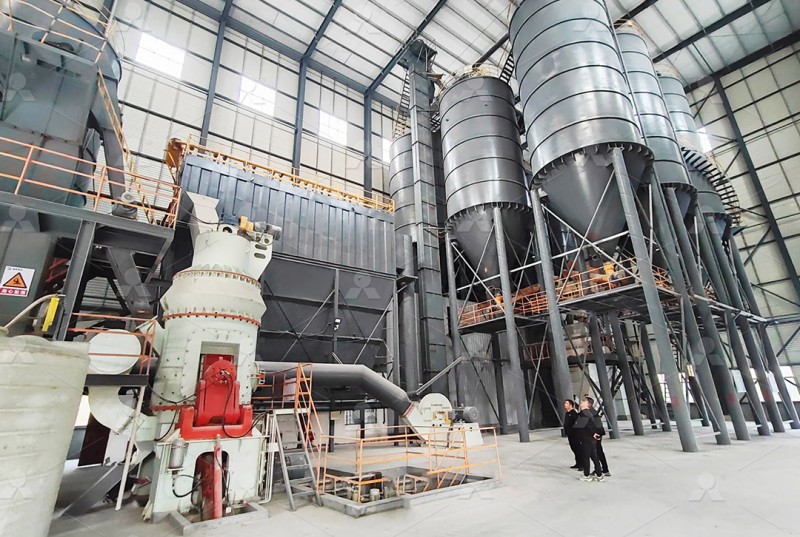
Energy Savings and Environmental Compliance
Modern gold processing plants must adhere to strict environmental regulations. The MW and LUM mills both incorporate advanced dust collection and noise reduction technologies. The pulse dust collector ensures that the entire milling system operates without dust pollution. The muffler reduces noise levels, creating a safer and more comfortable working environment for operators.
From an energy perspective, the LUM mill reduces consumption by 30% to 50% compared to common grinding mills. This is achieved through optimized grinding curve designs that maximize the material bed grinding effect, minimizing the energy wasted in non-productive collisions. For a gold mine producing 100,000 ounces per year, a 30% reduction in grinding energy can translate into hundreds of thousands of dollars in annual savings.
Maintenance and Spare Parts Availability
One of the biggest frustrations in remote mining sites is waiting for spare parts. LIMING takes responsibility for every machine produced, offering original spare parts and technical support worldwide. The digitalized manufacturing process ensures that every replacement part meets the original specifications, so there are no surprises during installation. This worry-free operation model allows mine managers to focus on production rather than procurement.
Both the MW and LUM mills have been designed with maintenance in mind. The absence of rolling bearings and screws in the grinding chamber of the MW mill eliminates common failure points. The LUM mill’s reversible roller structure further simplifies upkeep. These design choices are not coincidental—they are the result of decades of field experience in the mineral processing industry.
Conclusion: The Right Mill for Your Gold Operation
Choosing a grinding mill is a long-term investment. The wrong choice can plague an operation with high energy bills, frequent breakdowns, and suboptimal recovery. The MW Ultrafine Grinding Mill and LUM Ultrafine Vertical Grinding Mill represent the state of the art in grinding technology. Whether you need the ultra-fine capabilities of the MW for high-grade concentrates or the high-throughput versatility of the LUM for bulk processing, LIMING has a solution tailored to your needs.
Ultimately, the goal is to maximize mineral recovery while minimizing costs and environmental impact. By implementing one of these advanced grinding mills, gold producers gain a competitive edge that directly strengthens their balance sheet. The science of grinding has advanced, and it is time for operations to evolve accordingly.
Frequently Asked Questions (FAQs)
1. What is the maximum feed size for the MW Ultrafine Grinding Mill?
The MW Ultrafine Grinding Mill accepts feed material up to 20 mm in size. For optimal performance, it is recommended that the feed be pre-crushed to within this range using a hammer crusher or jaw crusher.
2. Can the fineness be adjusted while the mill is running?
Yes, the cage-type powder selector allows for on-the-fly adjustment of product fineness between 325 mesh and 2500 mesh. This is achieved by changing the rotational speed of the separator rotor via the control panel.
3. How does the LUM Ultrafine Vertical Grinding Mill handle moisture in the feed?
The LUM mill is designed as an air-swept system. Hot air can be introduced through the air intake to dry the material during the grinding process. This makes it suitable for ores with moderate moisture content.
4. What kind of spare parts does LIMING provide for these mills?
LIMING provides original spare parts including grinding rollers, roller shells, liner plates, powder selector rotors, seals, and lubrication system components. All parts are manufactured using CNC machining for precise fit and long life.
5. Are these mills suitable for both open-circuit and closed-circuit grinding?
Both the MW and LUM mills operate in a closed-circuit configuration with an external classifier or separator. This ensures that oversized particles are returned to the grinding chamber until they meet the desired fineness specification.
6. How long does it take to replace a grinding roller on the LUM mill?
Thanks to the reversible structure and hydraulic system, a trained operator can replace or flip a grinding roller in approximately 4 to 6 hours, depending on site conditions and access to lifting equipment.
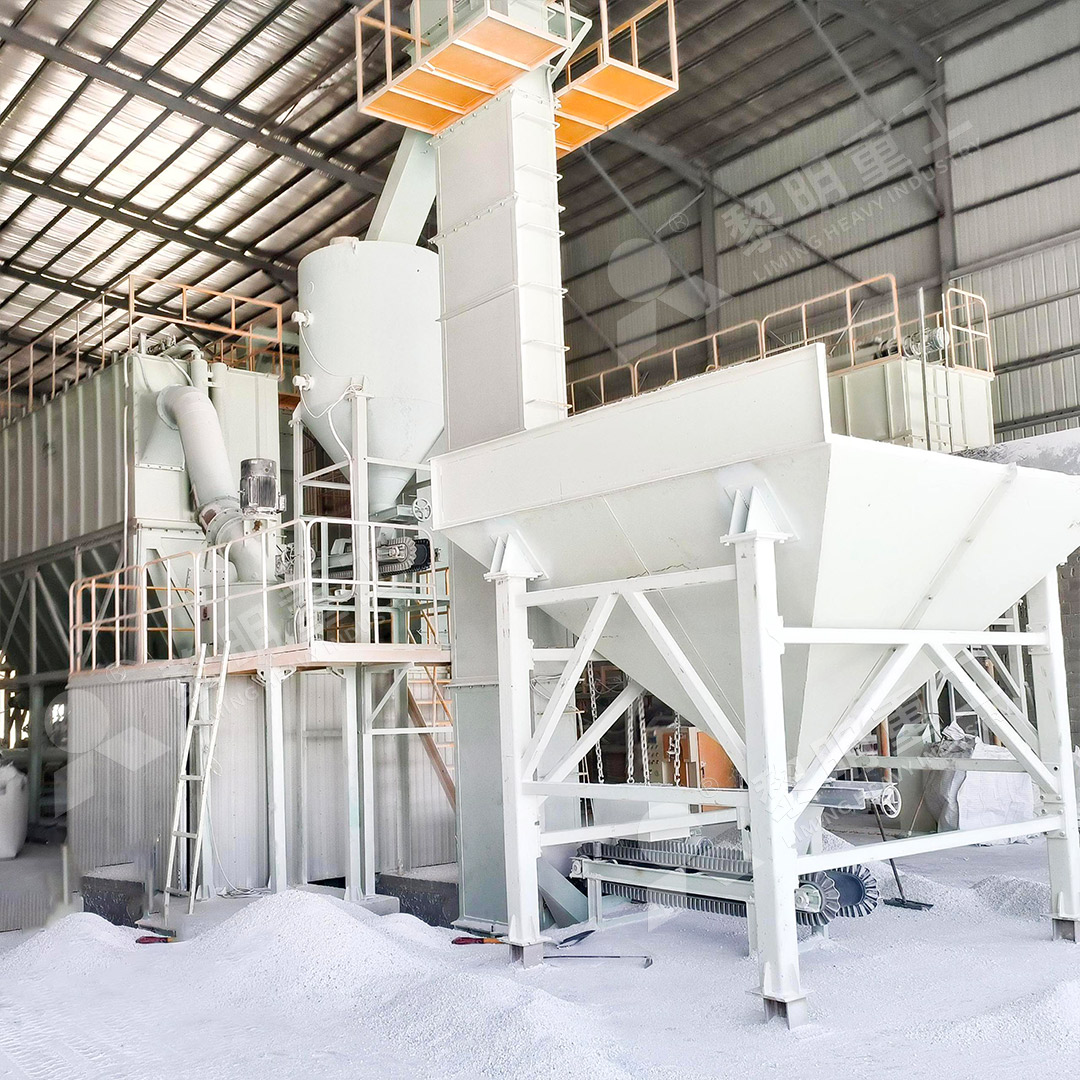
7. What is the typical power consumption per ton of ore for these mills?
Power consumption varies based on ore hardness and target fineness. However, the MW mill’s system energy consumption is only about 30% of that of a jet mill for the same duty. For typical gold ore, specific energy consumption ranges between 20 and 50 kWh per ton.
8. Can these mills be integrated into an existing plant automation system?
Yes, both mills are equipped with PLC-based control systems that support standard communication protocols such as Modbus and Profibus, allowing seamless integration with plant DCS or SCADA systems.
9. What is the warranty period for new mills from LIMING?
LIMING typically offers a 12-month warranty from the date of commissioning, covering defects in materials and workmanship. Extended warranty options are available upon request.
10. How does the pulse dust collector work in the MW mill system?
The pulse dust collector uses compressed air to clean the filter bags periodically. As dust accumulates on the bag surface, a jet of compressed air is released, causing the bag to flex and dislodge the dust cake. This ensures continuous operation without clogging, maintaining a clean working environment.