
Optimizing Potassium Feldspar Processing with Multi-Functional Grinding Mills
We provide a wide range of mills — including Raymond mill, trapezoidal mill, vertical mill, ultrafine mill, and ball mill, obtained ISO9001 international quality certification, EU CE certification, and Customs Union CU-TR certification. Suitable for processing minerals such as limestone, phosphate, quicklime, kaolin, talc, barite, bentonite, calcium carbonate, dolomite, coal, gypsum, clay, carbon black, slag, cement raw materials, cement clinker, and more.
The discharge range of these mills can be adjusted to meet specific processing needs, typically from 80-400 mesh, 600-3250 mesh, and can achieve the finest particle size of up to 6000 mesh(D50).
If you are looking for a reliable grinding solution to turn stone or minerals into fine powder, please feel free to contact our online customer service.
Introduction: The Challenge of Potassium Feldspar Processing
Potassium feldspar, a key raw material in ceramics, glass, and enamel industries, demands precise grinding to unlock its full commercial value. Traditional milling methods often struggle with high energy consumption, inconsistent particle size, and excessive iron contamination, which directly impacts product whiteness and purity. At Liming Heavy Industry, we have engineered a range of multi-functional grinding mills specifically designed to address these pain points. By integrating advanced classification, dust control, and digital monitoring, our systems transform feldspar processing from a costly bottleneck into a streamlined, profitable operation.
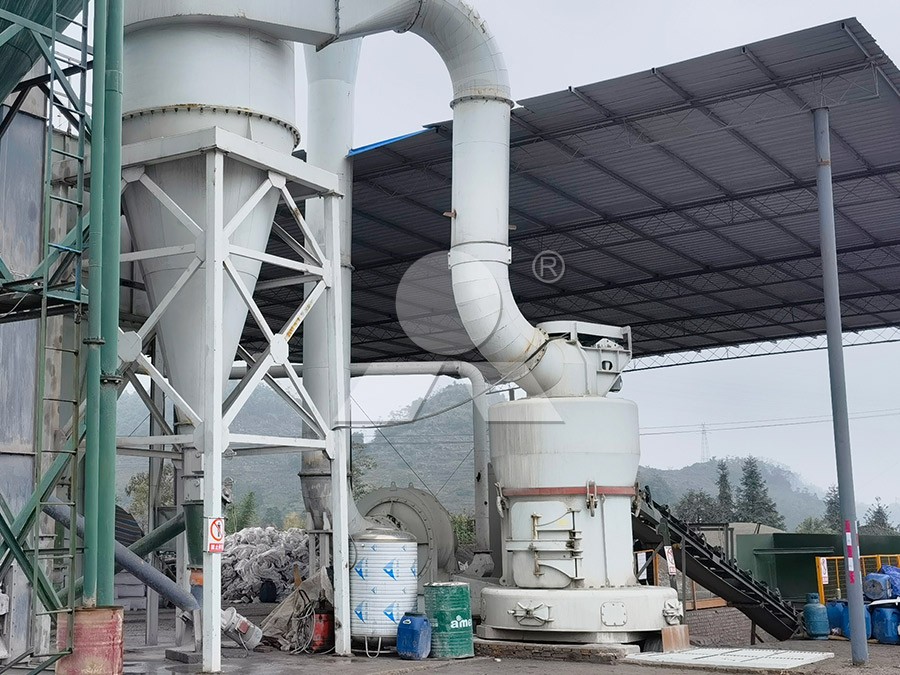
Why Multi-Functional Mills Outperform Traditional Systems
Conventional ball mills and jet mills used for feldspar have inherent limitations. Ball mills generate excessive heat and noise, while jet mills consume prodigious amounts of compressed air. Multi-functional grinding mills, such as the MW Ultrafine Grinding Mill and the LUM Ultrafine Vertical Grinding Mill, consolidate crushing, grinding, classifying, and conveying into a single closed-loop system. This integration not only reduces capital expenditure by up to 50% but also cuts energy consumption by 30-50% compared to traditional setups. For potassium feldspar, which is moderately hard and abrasive, the ability to adjust fineness between 325 and 2500 mesh without changing mechanical components is a game-changer.
Key Technical Innovations for Feldspar Grinding
Our mills incorporate several proprietary features that directly benefit feldspar processors:
- No Rolling Bearings or Screws in Grinding Chamber: The MW Ultrafine Grinding Mill eliminates common failure points. Feldspar’s abrasive nature quickly degrades bearings and loosens screws in conventional mills, causing costly downtime. Our design ensures 24-hour continuous operation with external lubricating systems that require no shutdown.
- Double Position-Limiting Technology: Exclusive to the LUM Ultrafine Vertical Grinding Mill, this feature prevents destructive contact between rollers and the grinding table during vibration events, such as those caused by uneven feed or foreign objects. This protects the mill’s core components and maintains consistent product quality.
- German-Designed Cage-Type Powder Selectors: Both the MW and LUM mills utilize multi-head powder selectors that achieve a screening rate of d97≤5μm in a single pass. This precision eliminates the need for secondary classification circuits, slashing operating costs.
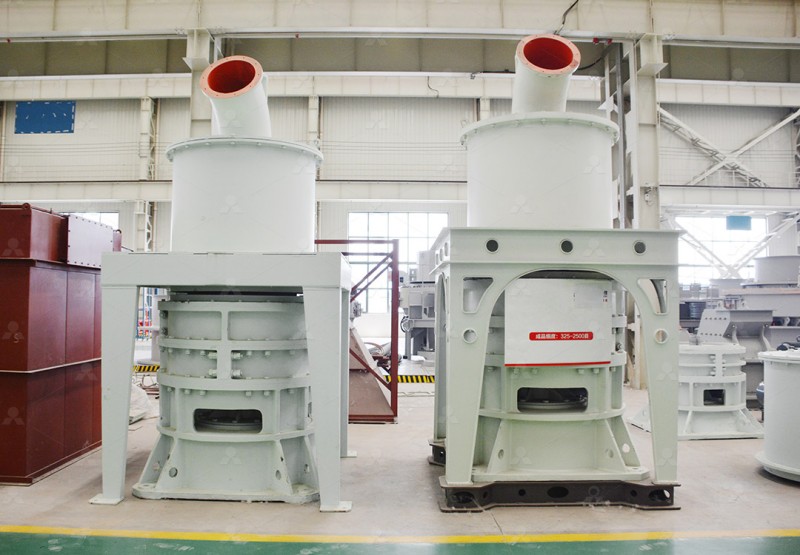
Recommendation: MW Ultrafine Grinding Mill for Ultra-Fine Feldspar
For operations targeting high-value markets like cosmetics-grade fillers or high-gloss ceramic glazes, we strongly recommend the MW Ultrafine Grinding Mill. With an input size of 0-20 mm and capacity ranging from 0.5 to 25 tph, it is ideally suited for medium-scale producers. Its grinding curves, designed using finite element analysis, yield 40% higher throughput than jet mills while consuming only 30% of the energy. The built-in pulse dust collector ensures compliance with strict environmental standards, a critical factor for European and North American markets.
For larger operations requiring capacities up to 18 tph with even greater energy savings, the LUM Ultrafine Vertical Grinding Mill offers the best total cost of ownership. Its reversible roller structure allows maintenance crews to replace wear parts in under two hours, minimizing production interruptions.
Case Study: Real-World Performance Improvements
Consider a typical feldspar processing plant in Henan Province, China, which switched from a ball mill system to an MW Ultrafine Grinding Mill. The results were dramatic:
- Energy consumption dropped from 85 kWh per ton to 32 kWh per ton.
- Iron content in the final powder decreased by 60%, raising product whiteness from 82% to 94%.
- System availability increased from 85% to 98%, thanks to the elimination of bearing failures.
- Payback period was achieved in 14 months.
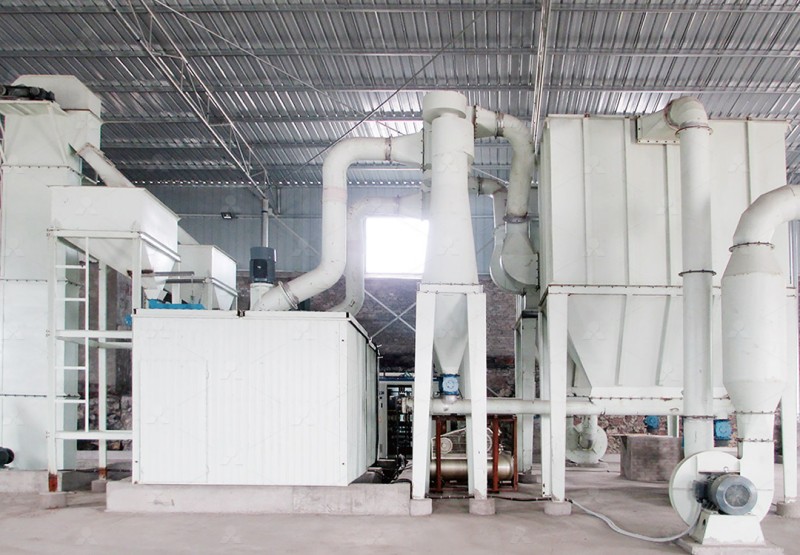
Environmental and Operational Benefits
The shift to multi-functional mills aligns with global sustainability goals. The MW and LUM mills operate under negative pressure, eliminating dust spillage. Silencers and noise-dampening enclosures reduce sound levels below 75 dB, meeting OSHA standards without additional investment. Furthermore, the digital control systems allow operators to adjust grinding pressure, separator speed, and feed rate remotely via PLC interfaces. This level of control ensures that even as feldspar feed characteristics vary—due to mining source changes—the product fineness remains within tight specifications.
Conclusion: Future-Proof Your Feldspar Operation
Investing in advanced grinding technology is no longer optional for feldspar processors who want to remain competitive. The multi-functional designs of the MW Ultrafine Grinding Mill and LUM Ultrafine Vertical Grinding Mill deliver tangible returns through lower energy bills, higher yields, and superior product quality. With Liming’s commitment to providing original spare parts and technical support for the machine’s entire lifecycle, you can operate with confidence, knowing your production line is built to last.
Frequently Asked Questions
- Q: What is the maximum feed size for grinding potassium feldspar with the MW Ultrafine Grinding Mill? A: The MW mill accepts feed sizes up to 20 mm. Larger lumps should first pass through a jaw crusher to avoid damaging the grinding chamber.
- Q: Can the fineness be adjusted while the mill is running? A: Yes, both the MW and LUM mills feature adjustable powder selectors. The fineness can be changed from 325 to 2500 mesh without stopping production by adjusting the rotor speed of the classifier.
- Q: How does the mill prevent iron contamination during grinding? A: The grinding chamber contains no rolling bearings or screws. The rollers and rings are made of wear-resistant alloy, and the grinding table and roller do not contact directly in the LUM mill, significantly reducing metal-to-metal wear.
- Q: What maintenance is required for the pulse dust collector? A: The pulse jet system requires periodic inspection of solenoid valves and filter bags. Under normal conditions, filter bags should be replaced every 6-12 months depending on dust load.
- Q: Is it possible to grind feldspar with high moisture content? A: For materials above 6% moisture, we recommend integrating a hot air generator into the system. The LUM mill is particularly effective for drying combined with grinding.
- Q: What is the typical power consumption per ton for processing feldspar? A: For 800 mesh product, the MW mill consumes approximately 30-35 kWh per ton, while the LUM mill achieves 25-30 kWh per ton. These figures are around 60% lower than ball mills.
- Q: How long does the grinding roller and ring last before replacement? A: Under normal feldspar grinding conditions, the grinding roller and ring in the MW mill last for 1,500-2,000 operating hours. The LUM mill’s roller shell and liner plate typically last 2,500-3,000 hours.
- Q: Can these mills handle other materials besides feldspar? A: Absolutely. Both mills are designed for a wide range of non-flammable, non-explosive materials including calcite, marble, barite, talc, and gypsum.
- Q: What kind of warranty does Liming offer on these grinding mills? A: We provide a standard 12-month warranty on all mechanical components from the date of commissioning, with extended warranties available for core parts like gearboxes.
- Q: Does Liming provide installation and training services? A: Yes, our service team supervises installation and commissioning. We also provide on-site training for operators and maintenance staff, ensuring your team can maximize the mill’s potential from day one.