
10 Ton Raymond Mill Hourly Power Consumption: A Deep Dive into Efficiency and Operational Costs
We provide a wide range of mills — including Raymond mill, trapezoidal mill, vertical mill, ultrafine mill, and ball mill, obtained ISO9001 international quality certification, EU CE certification, and Customs Union CU-TR certification. Suitable for processing minerals such as limestone, phosphate, quicklime, kaolin, talc, barite, bentonite, calcium carbonate, dolomite, coal, gypsum, clay, carbon black, slag, cement raw materials, cement clinker, and more.
The discharge range of these mills can be adjusted to meet specific processing needs, typically from 80-400 mesh, 600-3250 mesh, and can achieve the finest particle size of up to 6000 mesh(D50).
If you are looking for a reliable grinding solution to turn stone or minerals into fine powder, please feel free to contact our online customer service.
Understanding the Power Dynamics of a 10 Ton Raymond Mill
When you are running a grinding operation that targets a throughput of around 10 tons per hour, the question of power consumption is never far from your mind. It directly hits your bottom line. We hear this concern from plant managers every day. They want to know: “If I push for 10 tons per hour, what is my Raymond mill actually going to draw from the grid?” The short answer is that a traditional Raymond mill configured for this capacity typically has an installed motor power ranging from 75 kW to 110 kW. However, the real-world hourly power consumption is usually between 65% and 85% of the rated power, depending on the material’s grindability (Hardgrove Index), the required fineness, and the moisture content. This means you could be looking at 50 kWh to 90 kWh per ton of material processed. But let’s be clear: those numbers are just the starting point. The actual efficiency of your system depends heavily on the technology you are using. Older generation mills waste a significant amount of energy as heat and mechanical friction. This is where modern engineering, like that found in our latest models, changes the game.
Breaking Down the Energy Bill: Where Does the Power Go?
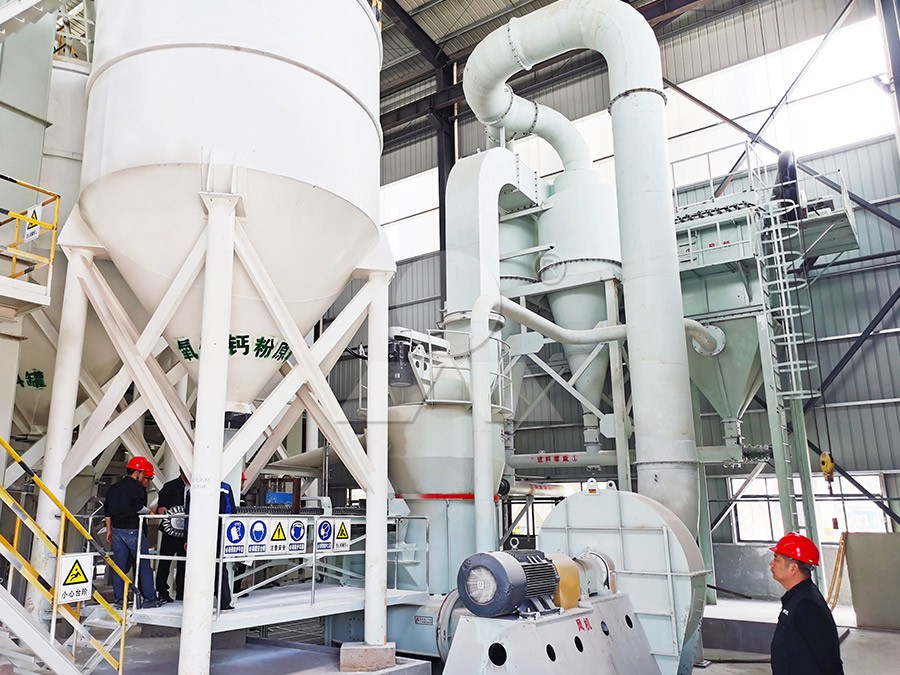
To truly optimize power consumption, you have to understand where the energy is being spent. In a classic 10 ton Raymond mill, the power draw is distributed across several key areas. The main grinding motor takes the lion’s share, usually about 70-80% of the total load, driving the grinding roller and ring assembly. The blower or fan motor, which maintains the air flow for material classification, consumes another 15-20%. The remaining power goes to the analyzer (classifier) motor, the feeder, and the bucket elevator. One of the biggest hidden drains is the electrical loss from starting a large, direct-on-line motor. Every time you start that heavy mill under load, you experience a massive inrush current. Furthermore, friction in the grinding chamber—especially between the shovel blade and the ring—creates significant heat, which is wasted energy. If you are grinding materials like limestone or gypsum, the specific energy consumption can be acceptable, but for harder materials like granite or quartz, the power demand skyrockets. This is precisely why we at Liming have focused our R&D on reducing mechanical resistance. Our design philosophy prioritizes smooth power transfer.
How to Calculate Your Actual Hourly Cost
Let’s get specific. If your 10 ton Raymond mill has a main motor rated at 90 kW and it runs at 80% load while processing, the actual power consumption per hour is 72 kWh. If your industrial electricity rate is $0.10 per kWh, your grinding power cost alone is $7.20 per hour. Over a 6000-hour operating year, that is $43,200 just for the motor. Add in the blower and auxiliaries, and that number can easily exceed $55,000. These figures make a strong case for investing in more efficient technology. For instance, our MW Ultrafine Grinding Mill utilizes a revolutionary grinding curve design that reduces direct metal-to-metal contact, significantly lowering the friction-based power draw. In many applications, this mill achieves the same 10 tph throughput with a system energy consumption that is only 30% of a standard jet mill. For customers who are looking to modernize older Raymond installations, we often recommend the LUM Ultrafine Vertical Grinding Mill. Its multi-head powder separating technology and PLC control system allow for precise adjustment of grinding pressure and speed, directly optimizing the power factor and reducing overall kWh consumption by 30% to 50% compared to traditional vertical mills.
Maintenance vs. Power: The Hidden Connection
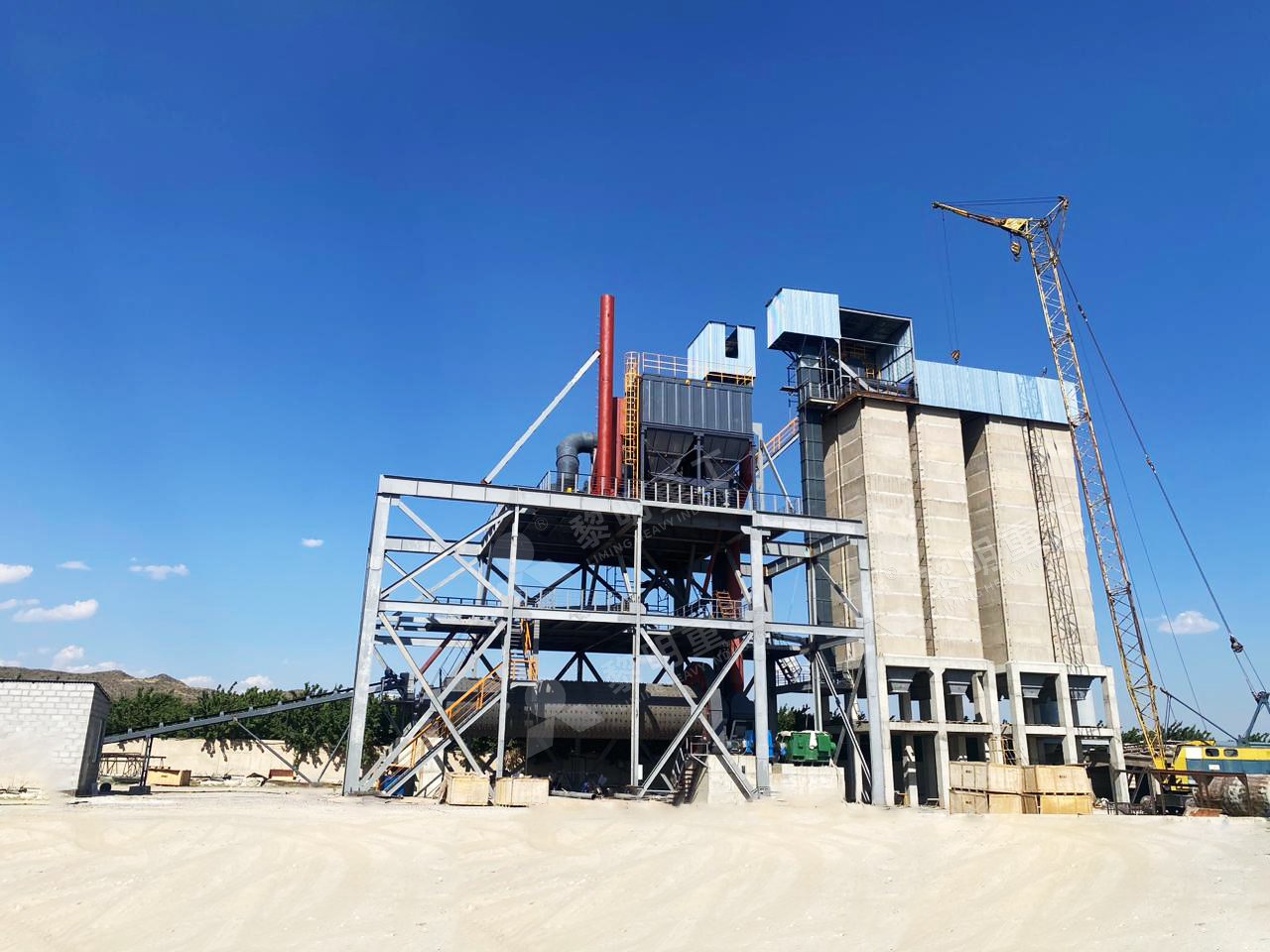
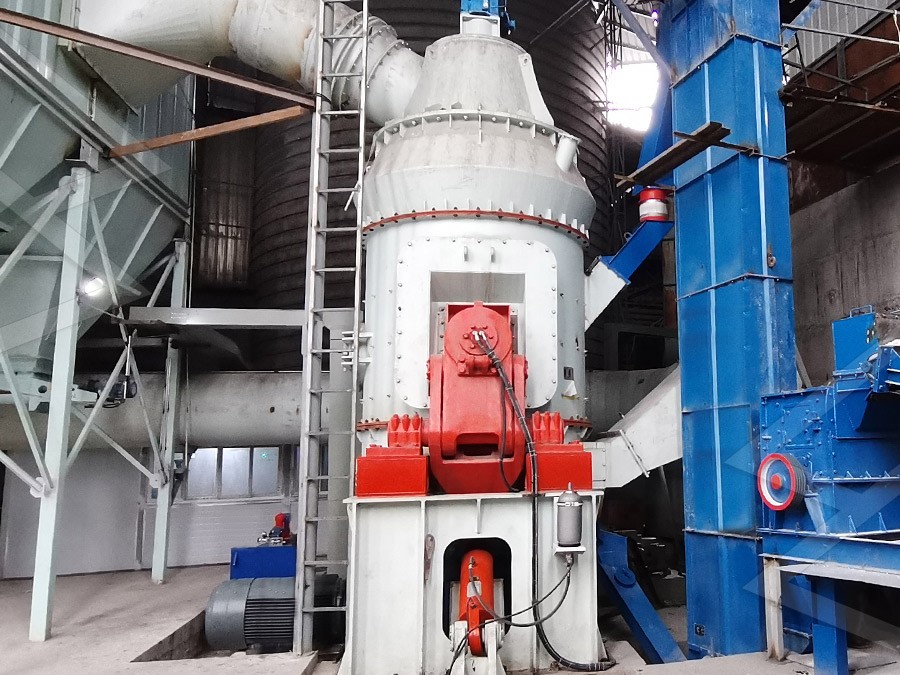
One aspect of power consumption that many operators underestimate is the impact of maintenance. A worn-out grinding ring or a damaged roller creates a poor grinding profile. Your mill has to work harder to achieve the same fineness. The motor draws more current to compensate for the lack of grinding efficiency. In our experience, a mill with worn-out internals can easily consume 15% to 20% more power than a well-maintained one. This is a silent killer of profitability. The solution is to choose machinery designed for longevity. The LUM Ultrafine Vertical Grinding Mill, for example, features a reverse engineering approach to its roller shell and lining plate. This design prevents material from lingering and creating a “cushion” that wastes energy. More importantly, the entire system is designed without rolling bearings or screws inside the grinding chamber—a common failure point in Raymond mills that leads to mechanical stalling and massive power surges. By using an external lubrication system, our mills can run 24 hours a day without downtime for greasing, ensuring that the power draw remains stable and predictable. This reliability directly translates to lower peak power charges from your utility company.
Optimizing Your System for Lower kWh per Ton
So, what can you do right now to reduce the hourly power consumption of a 10 tph system? The first step is to audit your feed size. The larger the input material, the more energy required to crush it down to the powder stage. Our MW Ultrafine Grinding Mill recommends an input size of 0-20 mm. If your feed is significantly larger, you are wasting energy. Installing a secondary crusher to pre-crush material to under 20 mm can reduce mill load by a measurable margin. Second, check your classifier speed. If you are running your powder separator faster than necessary to achieve your target fineness (e.g., 325 mesh for common fillers), you are wasting energy on recirculation. The MW mill allows for fineness adjustments between 325 and 2500 mesh, giving you the flexibility to match the power exactly to the production need. Third, consider the environmental controls. A mill running with poor dust collection will have back-pressure issues, forcing the blower to work harder. Our efficient pulse dust collector and muffler system not only keeps the plant clean but also ensures that the air flow path is unrestricted, optimizing the pneumatic conveying efficiency. This is not just about environmental compliance; it is about energy economics.
The Future of Milling Efficiency
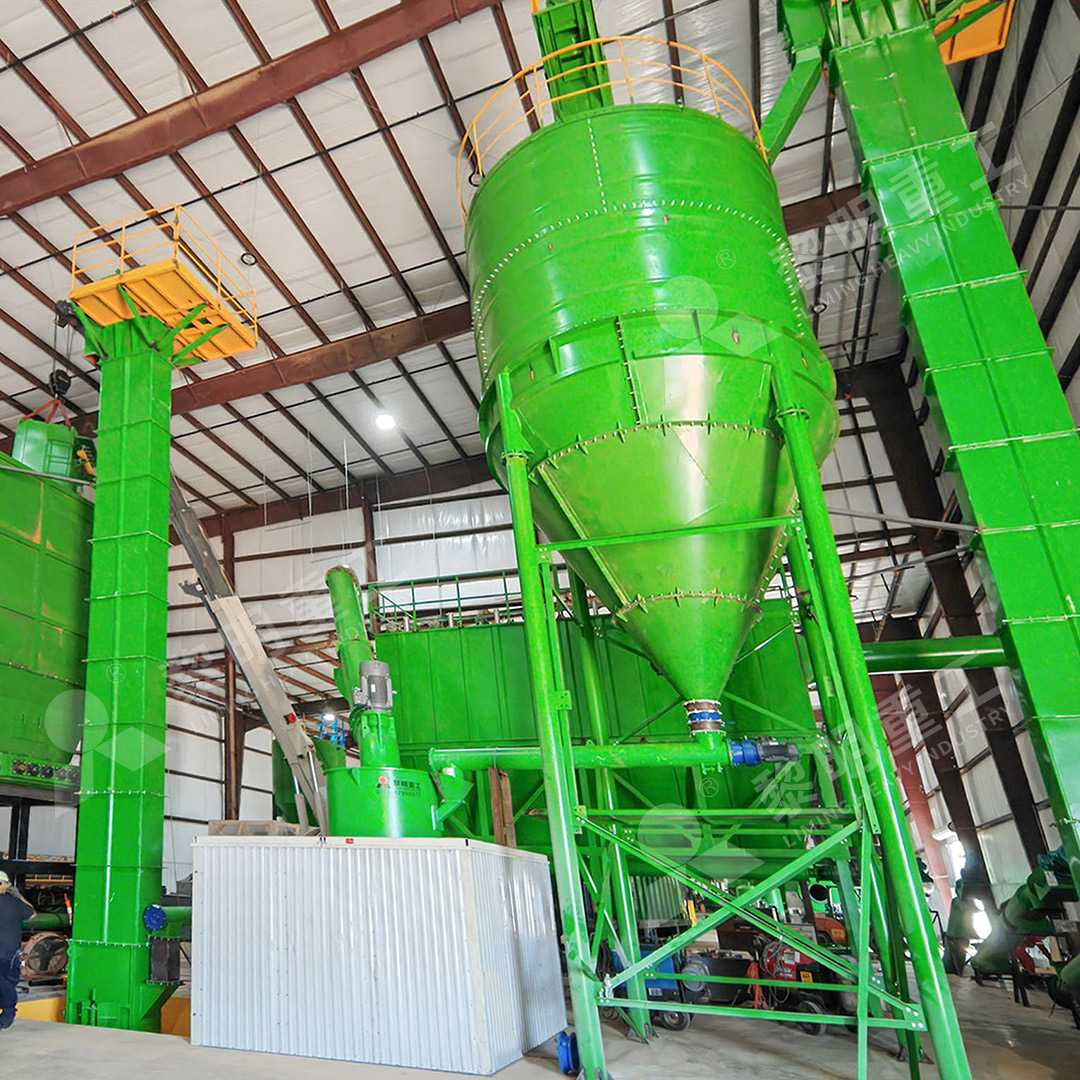
Looking ahead, the days of the simple, inefficient Raymond mill are numbered. The industry is moving toward digitalization and precision engineering. Our factories now rely on tens of lines of numerical controlling machine tools to cut, bend, and mill steel with micron-level precision. This ensures that every part fits perfectly, reducing vibration and energy loss from misalignment. The 10 Ton Raymond Mill Hourly Power Consumption issue is no longer just about the size of the motor; it is about the intelligence of the system. By integrating PLC controls, variable frequency drives, and optimized grinding curves, we are achieving power savings that were unthinkable a decade ago. Whether you choose the flexibility of the MW Ultrafine Grinding Mill for fine powder production or the robust capacity of the LUM Ultrafine Vertical Grinding Mill for higher tonnages, the key is to look at the total cost of ownership. The initial investment in a modern mill is often recouped within the first year through energy savings alone. Do not let an old, power-hungry machine bleed your budget dry. The technology to run a 10 tph mill at 50% less power is here, and it is ready for work.
Frequently Asked Questions (FAQs)
- Q: What is the typical power consumption for a 10 ton Raymond mill?
A: For a standard 10 tph Raymond mill with a 90 kW motor running at 80% load, hourly consumption is around 72 kWh for the main motor. Total system consumption, including blowers and feeders, is typically 50 to 90 kWh per ton of material processed. - Q: How does the MW Ultrafine Grinding Mill reduce power costs compared to a traditional Raymond mill?
A: The MW mill uses newly designed grinding curves and a cage-type powder selector based on German technology. This increases production capacity by 40% under the same power, meaning you achieve 10 tons per hour with significantly less energy than a standard Raymond mill. - Q: Will using a larger blower reduce power consumption?
A: No. An oversized blower will actually increase total power consumption due to higher air flow resistance. The correct approach is to use a properly sized, efficient blower matched with low-resistance air ducts and a pulse dust collector to minimize back pressure. - Q: What is the best way to stabilize power draw in a 10 tph grinding system?
A: Stabilizing the feed rate with a reliable vibrating feeder and using a mill with a double position-limiting technology (like the LUM mill) prevents destructive vibrations and power spikes. External lubrication systems also ensure consistent mechanical operation without power surges from bearing failure. - Q: Can I upgrade my existing Raymond mill to be more energy efficient?
A: Yes. Installing a modern classifier, optimizing the grinding ring profile, and upgrading to a VFD (Variable Frequency Drive) for the main motor can reduce consumption. However, replacing an old mill with a LUM Ultrafine Vertical Grinding Mill typically yields better long-term ROI due to its integrated, high-efficiency design. - Q: How does material hardness affect the hourly power consumption of a 10 ton mill?
A: Material hardness has a direct linear impact. For soft materials like talc (Mohs 1), power consumption is low. For harder materials like limestone (Mohs 3-4), consumption increases by 20-30%. For very hard materials, the hydraulic pressure system on the LUM mill allows for adjustment to maintain efficiency without overloading the motor. - Q: What environmental factors increase power consumption in a Raymond mill?
A: High humidity in the feed material causes clogging and requires more power to grind and dry. Also, poor dust collection creates air flow resistance, forcing the blower motor to work harder. Using a mill with an efficient pulse dust collector and silencer, like the MW series, mitigates these issues.