
Optimizing Slag Grinding Efficiency with Water Slag Raymond Mill
We provide a wide range of mills — including Raymond mill, trapezoidal mill, vertical mill, ultrafine mill, and ball mill, obtained ISO9001 international quality certification, EU CE certification, and Customs Union CU-TR certification. Suitable for processing minerals such as limestone, phosphate, quicklime, kaolin, talc, barite, bentonite, calcium carbonate, dolomite, coal, gypsum, clay, carbon black, slag, cement raw materials, cement clinker, and more.
The discharge range of these mills can be adjusted to meet specific processing needs, typically from 80-400 mesh, 600-3250 mesh, and can achieve the finest particle size of up to 6000 mesh(D50).
If you are looking for a reliable grinding solution to turn stone or minerals into fine powder, please feel free to contact our online customer service.
Introduction: The Challenge of Water Slag Grinding
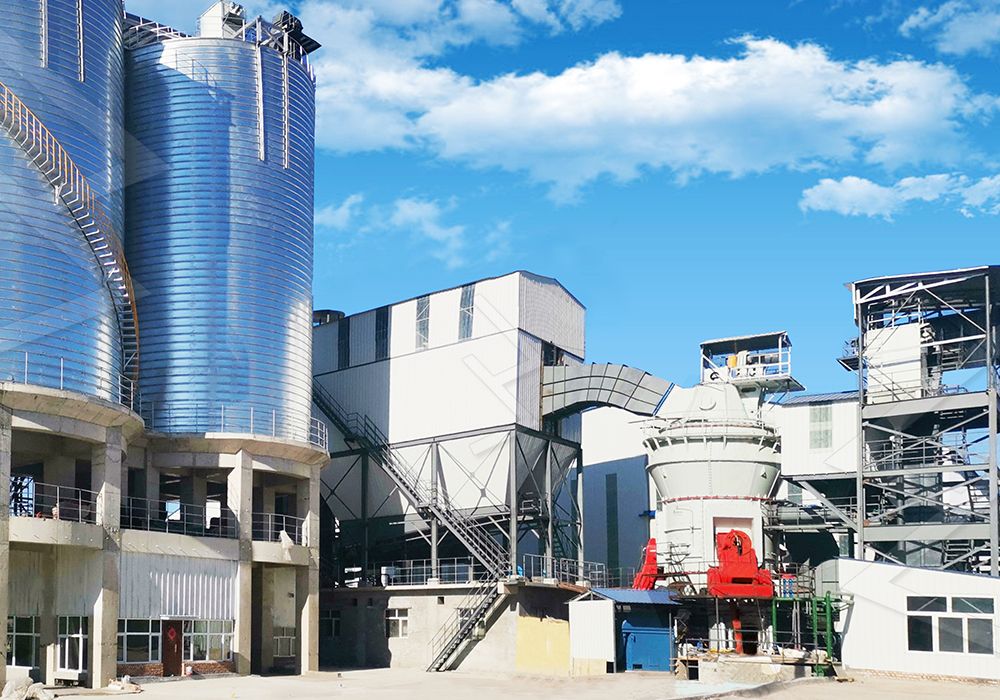
Water slag, a byproduct of iron and steel manufacturing, presents both an environmental challenge and an economic opportunity. When processed correctly, it becomes a valuable additive in cement production and concrete manufacturing. However, grinding water slag efficiently requires specialized equipment capable of handling its abrasive nature, high moisture content, and demanding fineness requirements. Traditional ball mills often fall short here, consuming excessive energy and yielding inconsistent particle sizes. This is where the Water Slag Raymond Mill—engineered for high efficiency and low operational costs—changes the game. At LIMING, we have decades of experience tackling these industrial grinding problems, and our Raymond Mill series, particularly when configured for slag, delivers results that speak for themselves.
Why Water Slag Demands a Specialized Approach
Water slag differs significantly from limestone or calcite. Its hardness typically ranges between 5 and 7 on the Mohs scale, and its moisture content can vary wildly depending on the quenching process. Moreover, the target fineness for slag powder used in cement often falls between 400 and 600 m²/kg (Blaine), which translates to approximately 325 to 600 mesh. A standard Raymond mill, if not optimized, struggles with throughput and wear in these conditions. The key lies in three factors: grinding pressure control, classifier efficiency, and abrasion resistance. Let’s break down how a properly configured Water Slag Raymond Mill addresses each.
Core Design Improvements for Slag Grinding
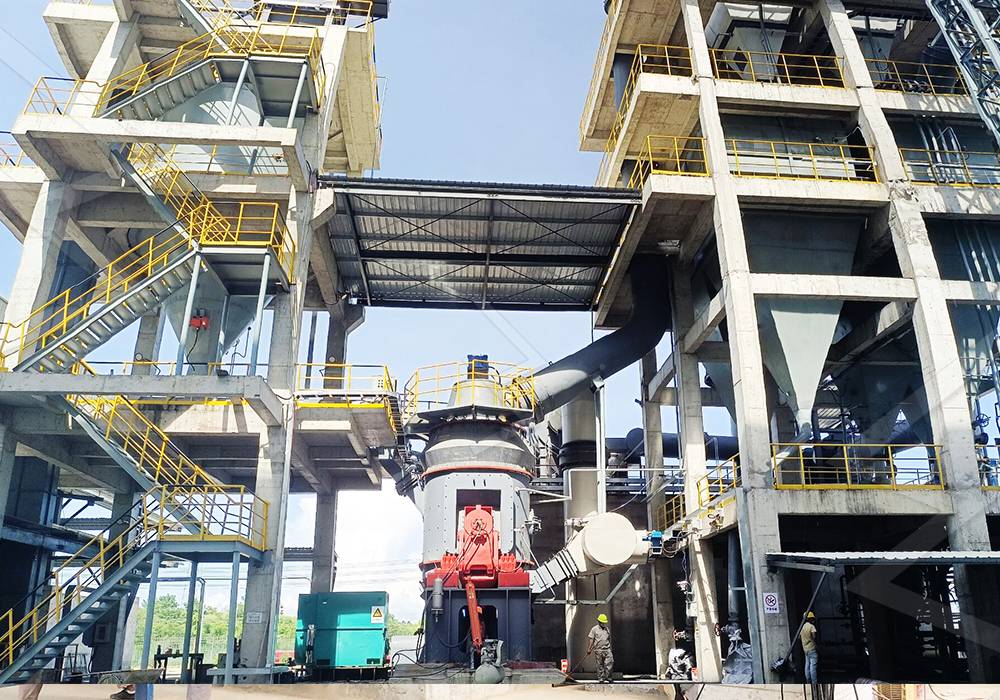
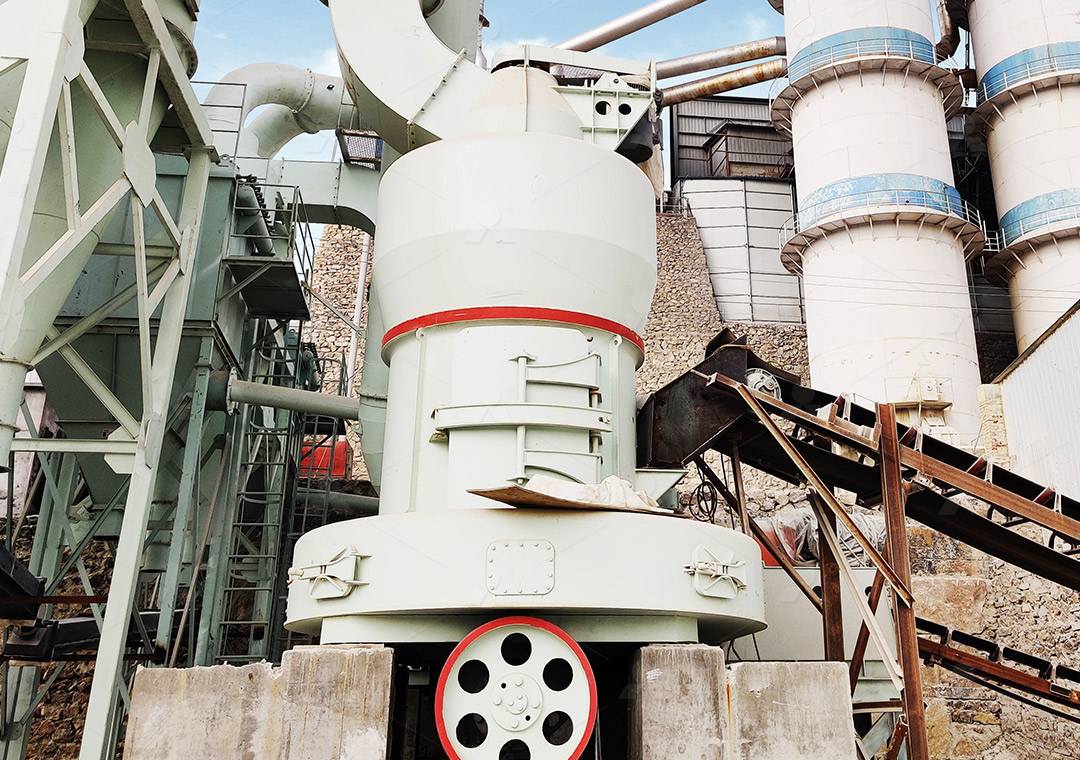
First, consider the grinding chamber. In our Raymond Mill, the grinding roller and ring are cast from high-manganese or alloy steel, treated for enhanced surface hardness. This directly combats the abrasive wear caused by slag particles. Second, the centrifugal force generated by the rotating spindle forces the rollers outward, crushing the material against the ring. For slag, we often recommend adjusting the spring pressure system to maintain optimal crushing force without overloading the mill. Third, the shovel blade—responsible for feeding material between the roller and ring—is redesigned with a cambered, split structure to improve material scooping efficiency and reduce clogging, especially when moisture is present.
Another critical upgrade is the air classifier or separator. Traditional Raymond mills use a blade-type classifier, which struggles to achieve the fine cuts required for slag. By integrating a cage-type powder selector—similar to the technology used in our MW Ultrafine Grinding Mill—we can adjust the fineness between 325 and 2500 mesh (d97 ≤ 5 μm). This precision ensures that the slag powder meets strict cement industry standards without the need for secondary classification. The result? A more consistent product and lower recirculation loads.
Energy Efficiency: Putting Numbers to the Claim
Let’s talk numbers. A typical ball mill grinding slag to 450 m²/kg consumes about 50-55 kWh per ton. Our Water Slag Raymond Mill, when running under similar conditions, often operates at 35-40 kWh per ton. That is a reduction of roughly 25-30% in energy consumption. Part of this comes from the elimination of the need for a separate drying system—the hot air introduced into the mill during grinding simultaneously removes residual moisture from the slag. Another factor is the grinding mechanism itself: the roller and ring design creates a material bed that promotes interparticle crushing, which is more energy-efficient than the point-impact crushing of a ball mill.
For operations where ultra-fine powder is the goal, our MW Ultrafine Grinding Mill takes efficiency even further. With a capacity range of 0.5-25 tph and an input size of 0-20 mm, it is perfectly suited for processing slag into high-value ultra-fine powder for use in paints, cosmetics, or high-end concrete admixtures. The same fineness adjustment (325-2500 mesh) applies, but with the added benefit of a pulse dust collector system that keeps the workspace clean and compliant with environmental standards.
Practical Tips for Maximizing Throughput
Operators often ask: How do I get the most out of my Water Slag Raymond Mill? The answer starts before the material even enters the machine. Ensure that the feed size is consistently below 25 mm. Oversized lumps reduce throughput and accelerate wear on the grinding ring. Second, control the moisture content of the incoming slag. Ideally, keep it below 5% if possible. If your slag is wetter, consider using a hot air generator integrated with the mill system to dry the material in situ. Third, pay attention to the classifier speed. A slower speed produces coarser powder but higher throughput; a higher speed does the opposite. For cement-grade slag (400-450 m²/kg), a mid-range setting usually works best. Finally, schedule regular inspection of the roller tires and ring liners. Worn parts not only lower efficiency but also increase vibration, which can damage the main shaft over time.
Maintenance Considerations for Long-Term Operation
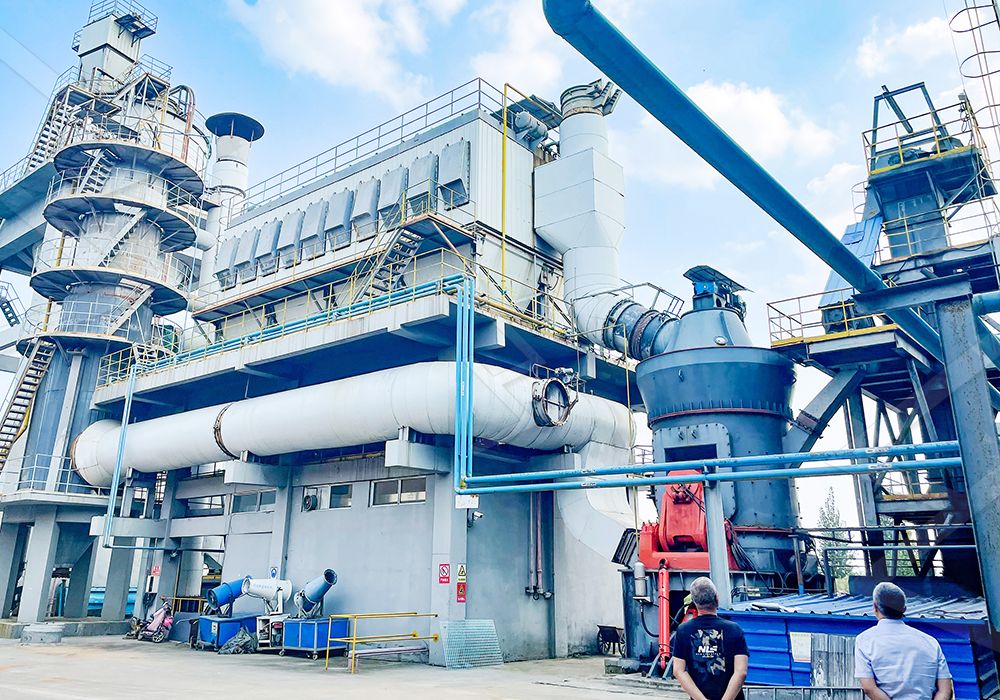
Slag is unforgiving. The abrasive silica and alumina content will wear down equipment over time. However, our Raymond Mill design reduces maintenance headaches by eliminating rolling bearings and screws inside the grinding chamber. Instead, the main shaft uses an external lubricating device, allowing for oil changes without stopping production. This “lubrication without shutdown” feature enables 24-hour continuous operation, which is critical for large-scale cement plants and steel mills. Additionally, the grinding roller assembly can be turned outwards for inspection or replacement using a hydraulic turning device—a feature also found in our LUM Ultrafine Vertical Grinding Mill, which shares similar maintenance philosophies. Spare parts availability is another concern. We maintain a sufficient supply of original parts—roller shells, ring liners, shovel blades, and classifier blades—so that downtime is minimized.
Conclusion: Matching the Mill to the Task
If you are processing water slag and aiming for high throughput with low energy costs, a configured Water Slag Raymond Mill is a proven solution. It bridges the gap between the low cost of traditional Raymond mills and the high efficiency of modern vertical roller mills. For most slag grinding applications targeting 325-600 mesh fineness, this mill offers the best return on investment. However, if your operation demands ultra-fine powders (600-2500 mesh) or higher capacities, I strongly recommend evaluating our LUM Ultrafine Vertical Grinding Mill. Its multi-head powder separating technology and double position-limiting features provide unmatched stability and precision for demanding slag milling tasks. Either way, the key is to partner with a manufacturer who understands both the material and the machine—and at LIMING, that partnership is built into every mill we deliver.
Frequently Asked Questions
- What is the maximum feed size for grinding water slag with a Raymond mill? For optimal performance, the feed size should be kept below 25 mm. Larger particles reduce efficiency and increase wear on the grinding ring and roller.
- Can the Raymond mill handle wet slag directly from the quenching process? It can handle slag with moisture up to 10-15% if a hot air drying system is integrated. For best results, we recommend pre-drying to below 5% moisture.
- What fineness range can be achieved for slag powder using the Raymond mill? Typically, fineness can be adjusted between 100 mesh and 600 mesh (about 150 to 25 microns). For ultra-fine requirements, the MW Ultrafine Grinding Mill is recommended, reaching up to 2500 mesh.
- How does the energy consumption of the Raymond mill compare to a ball mill for slag? The Raymond mill typically consumes 30-40% less energy than a ball mill for the same throughput and fineness, due to its more efficient grinding mechanism and integrated drying.
- What are the main wear parts in a Water Slag Raymond Mill, and how often do they need replacement? The main wear parts are the grinding roller shells, grinding ring, shovel blades, and classifier blades. Replacement intervals vary based on slag abrasiveness and operating hours, but typically range from 3 to 12 months.
- Is it possible to automate the slag grinding process with this mill? Yes. The Raymond mill can be equipped with an expert-level automatic control system, allowing for remote monitoring and adjustment of feed rate, classifier speed, and grinding pressure.
- What safety measures are in place for grinding slag, which may contain metallic iron particles? The mill design includes a slag-discharge opening at the bottom where heavy tramp iron and debris are collected and removed, preventing damage to the grinding elements.
- Can the same Raymond mill be used for other materials besides slag? Absolutely. The Raymond mill is versatile and can grind limestone, gypsum, barite, marble, talc, and coal powder, making it a flexible investment for multi-material plants.
- What is the typical capacity range for slag grinding in a Raymond mill? For our standard Raymond Mill models (R series), the capacity ranges from 0.6 to 5 tph. For higher throughput (up to 25 tph), the MW Ultrafine Grinding Mill or LUM Vertical Mill are more suitable.
- How does the external lubrication system work on the Raymond mill? The main bearing is lubricated using a thin-oil circulating system located outside the mill housing. This allows oil changes and filter cleaning to be performed while the mill continues running, minimizing downtime.