
80 Mesh Water Slag Grinding Mill for Efficient Powder Processing
We provide a wide range of mills — including Raymond mill, trapezoidal mill, vertical mill, ultrafine mill, and ball mill, obtained ISO9001 international quality certification, EU CE certification, and Customs Union CU-TR certification. Suitable for processing minerals such as limestone, phosphate, quicklime, kaolin, talc, barite, bentonite, calcium carbonate, dolomite, coal, gypsum, clay, carbon black, slag, cement raw materials, cement clinker, and more.
The discharge range of these mills can be adjusted to meet specific processing needs, typically from 80-400 mesh, 600-3250 mesh, and can achieve the finest particle size of up to 6000 mesh(D50).
If you are looking for a reliable grinding solution to turn stone or minerals into fine powder, please feel free to contact our online customer service.
Introduction to Water Slag Grinding at 80 Mesh
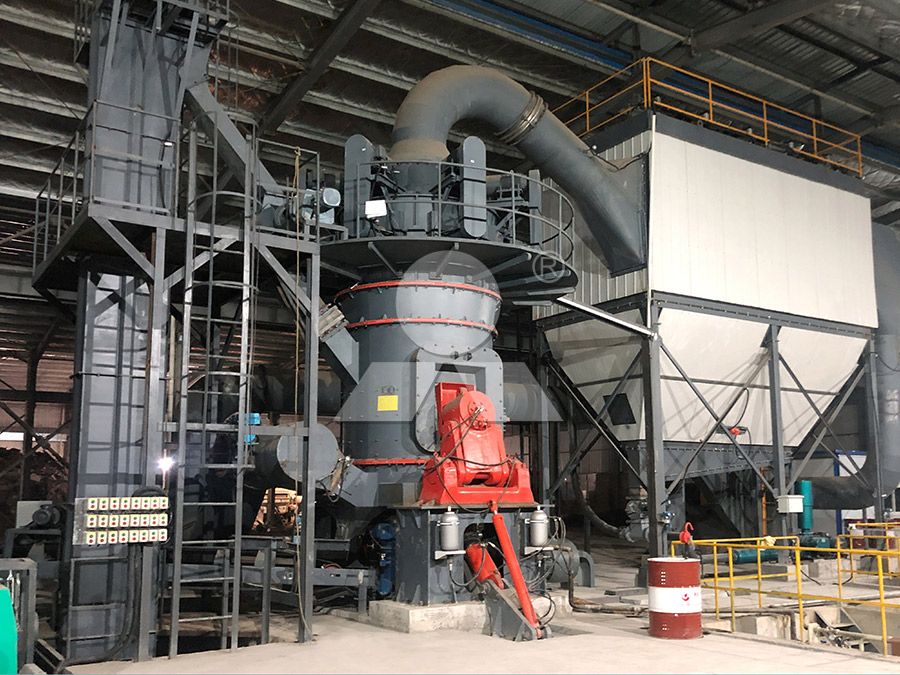
Water slag, a byproduct of industrial processes like steel manufacturing, poses both a disposal challenge and an opportunity. When processed into a fine powder, it becomes a valuable additive in cement production, concrete mixing, and even as a soil stabilizer. Achieving an 80-mesh fineness, which is roughly 177 microns, is a common target for many industrial applications. The grinding equipment you choose directly impacts the efficiency, cost, and quality of this process. This article dives deep into how modern grinding mills, particularly those designed for ultrafine and vertical grinding, handle water slag to deliver consistent 80-mesh powder with minimal downtime and energy waste.
Why 80 Mesh Matters for Water Slag
An 80-mesh grind offers a balance between reactivity and handling. Finer powders react more quickly in chemical processes, but they also require more energy to produce and can be dustier. For water slag, this size is often specified for blended cements where the slag replaces a portion of the clinker. It improves the cement’s durability and reduces its carbon footprint. However, traditional ball mills or Raymond mills struggle with this material due to its abrasiveness and moisture content. That is where advanced mills with high grinding efficiency and integrated drying capabilities come into play. A mill that can handle input sizes up to 20 mm and deliver a consistent 80-mesh product without frequent maintenance is a game-changer for plant operators.
Key Challenges in Grinding Water Slag
Water slag is not easy to grind. It contains glassy, hard particles that wear down grinding surfaces quickly. Moisture, which can range from 5% to 15%, also complicates things by causing material to stick or clog the system. High energy consumption is another issue; many older mills consume excessive power to reach 80 mesh. Dust and noise pollution are further concerns in environmentally regulated areas. These challenges demand a mill that combines robust construction, efficient dust collection, and low energy use. Let us look at how modern technology addresses these points.
Selecting the Right Mill: The MW Ultrafine Grinding Mill
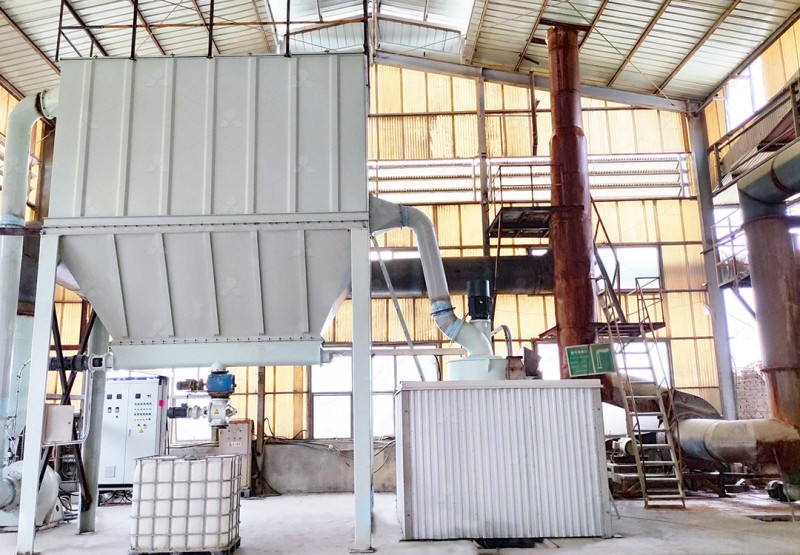
For operations focused on achieving 80 mesh with high throughput and low operating costs, the MW Ultrafine Grinding Mill from LIMING is a strong contender. This machine is designed for customers who need fine to ultrafine powder, with a capacity ranging from 0.5 to 25 tons per hour and an input size of 0 to 20 mm. Its key advantage for water slag lies in the newly designed grinding curves of the roller and ring. These curves enhance grinding efficiency significantly. Compared to a jet mill or stirred mill, the MW series can boost production capacity by 40% under the same power conditions. When compared to a ball mill, it can double the yield while using only 30% of the energy.
Another critical feature is the cage-type powder selector based on German technology. This allows the fineness to be adjusted precisely between 325 and 2500 mesh, but it can easily be set to produce a steady 80-mesh fraction. The screening rate can achieve d97 ≤ 5μm when needed, ensuring tight particle size distribution for your slag powder. For water slag, which can be abrasive, the absence of rolling bearings and screws inside the grinding chamber is a major maintenance advantage. There are no bearing seals to fail or screws to loosen. The lubricating device is mounted externally, allowing for 24-hour continuous operation without shutdown for greasing.
Environmental compliance is also built in. The efficient pulse dust collector ensures no dust escapes during operation, and the muffler keeps noise levels low. This means you can run the mill in populated or strictly regulated areas without fines or complaints. The digitalized manufacturing process ensures every component, from the steel plates to the spray painting, meets high precision standards. Combined with a sufficient supply of original spare parts, the MW Ultrafine Grinding Mill offers a worry-free solution for 80-mesh water slag powder production.
The Alternative: LUM Ultrafine Vertical Grinding Mill
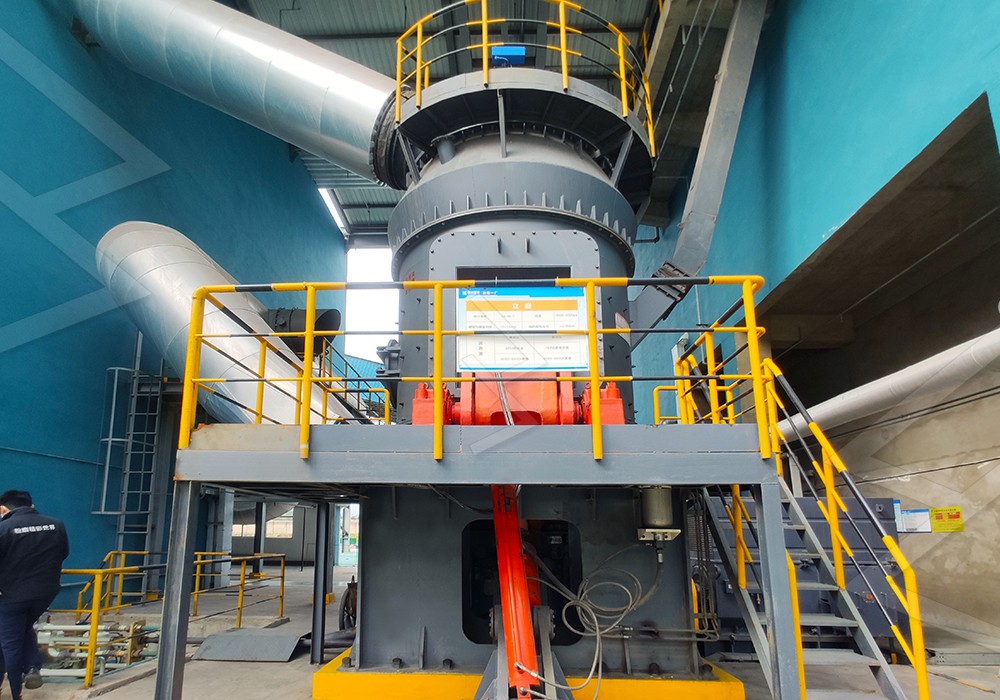
For larger operations or those looking for even higher integration, consider the LUM Ultrafine Vertical Grinding Mill. This machine integrates ultrafine powder grinding, grading, and transporting into one system. It has an input size of 0 to 10 mm and a capacity of 5 to 18 tph, making it suitable for medium to large-scale slag processing. The LUM mill uses Taiwan grinding roller technology and German powder separating technology. Its unique roller shell and lining plate grinding curve are designed to minimize material lingering time and repeated grinding, which is a common problem with traditional mills.
This design prevents the high iron content contamination that can occur in other mills, keeping your slag powder white and pure. The multi-head powder separating technology, controlled by a PLC system, allows for accurate cutting of powder diameter. For an 80-mesh operation, this means you can achieve a very uniform product without over-grinding, which saves energy. In fact, the LUM reduces energy consumption by 30% to 50% compared to common grinding mills. The double position-limiting technology, combining electronic and mechanical limits, prevents destructive impacts from machine vibration, ensuring stable operation even with hard slag.
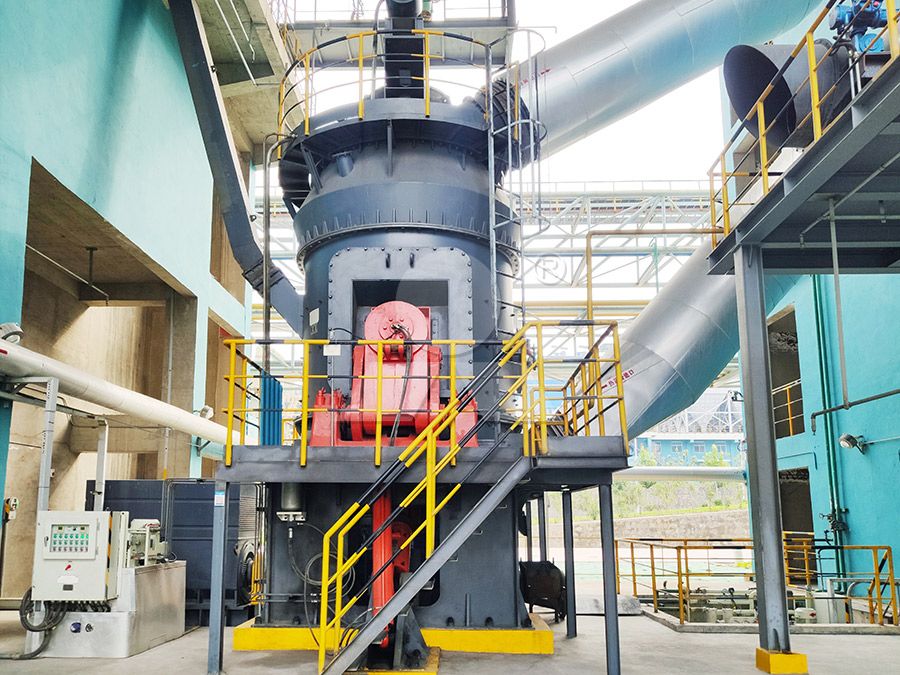
Maintenance is also simplified with a reversible structure. The heavy grinding roller can be swung out of the machine body using a hydraulic system, allowing for quick inspection and replacement of the roller shell and liner plate. This reduces downtime significantly. Like the MW series, the LUM mill is built with digitalized precision and full spare parts support. For a plant that needs to process water slag 24/7 with minimal intervention, the LUM is an excellent choice.
Practical Operation Tips for 80 Mesh Slag Grinding
Regardless of which mill you choose, some operational practices will help you hit the 80-mesh target consistently. First, ensure the feed material is within the specified input size. A pre-crusher, such as a hammer crusher, is often used to break down large slag chunks before they enter the mill. This reduces the load on the grinding rollers and extends their life. Second, monitor the moisture content. If the slag is too wet, consider a pre-drying step or use a mill with strong drying capability, as many LIMING mills can integrate hot air for drying and grinding simultaneously.
Third, adjust the separator speed to fine-tune the fineness. For 80 mesh, a slower rotor speed on the powder concentrator will allow slightly coarser particles through, while a faster speed will produce finer powder. Run a sieve analysis on the product regularly to confirm the mesh size. Fourth, pay attention to the air flow and dust collector pulses. A clogged filter or low air flow can cause material to build up and reduce efficiency. The pulse jet system should be checked daily to ensure it is cleaning the bags effectively. Finally, keep a log of roller and ring wear. With digitalized manufacturing, these parts are long-lasting, but they will eventually need replacement. Order original spare parts from LIMING in advance to avoid extended shutdowns.
Conclusion: Efficiency Through Smart Engineering
Processing water slag to 80 mesh does not have to be a struggle against wear, energy bills, and environmental fines. With the right equipment, it becomes a reliable, profitable part of your operation. Whether you choose the MW Ultrafine Grinding Mill for its high yield and low energy consumption, or the LUM Ultrafine Vertical Grinding Mill for its integrated design and stability, the technology exists to do the job right. LIMING has engineered these machines to handle tough materials like water slag while meeting modern standards for dust, noise, and automation. By investing in a mill that offers adjustable fineness, efficient dust removal, and low maintenance, you ensure that your slag powder meets market specifications every time.
Frequently Asked Questions
- What is the ideal moisture content for feeding water slag into an MW Ultrafine Grinding Mill?
Ideally, the moisture content should be below 10%. If the slag is wetter, consider a pre-drying step or use the mill’s integrated drying capability with hot air. - Can the MW mill achieve a precise 80-mesh cut without producing too many fines?
Yes. The cage-type powder selector allows you to adjust the rotor speed to separate the coarse from the fine. With proper tuning, you can get a tight distribution around 80 mesh (177 microns). - How often do I need to replace the grinding rollers and rings when grinding slag?
Service life depends on the slag’s abrasiveness and total operating hours. For standard water slag, rollers and rings made of wear-resistant alloy can last 1.5 to 2 times longer than high-manganese steel parts. Regular inspection is recommended every 500 hours. - What is the power consumption difference between the LUM vertical mill and a ball mill for 80-mesh slag?
The LUM Ultrafine Vertical Grinding Mill typically consumes 30% to 50% less electricity than a ball mill for the same throughput and fineness. This results in significant cost savings over time. - Does the MW mill require a separate dust collector system?
No. The MW Ultrafine Grinding Mill comes equipped with an efficient pulse dust collector as standard equipment. It captures fine particles and ensures the exhaust air meets environmental standards. - Can I use the same mill for other materials besides water slag?
Absolutely. Both the MW and LUM mills are versatile and can grind limestone, calcite, dolomite, gypsum, marble, talc, barite, and many other non-metallic minerals. Just adjust the fineness and capacity settings accordingly. - What is the typical start-up procedure for an MW mill after a shutdown?
First, check the material level in the hopper and ensure the dust collector is ready. Start the blower, then the mill motor. Allow the mill to reach operating speed before feeding material. Start with a low feed rate and gradually increase to the target capacity while monitoring the motor load and powder fineness.