
Optimizing Mineral Grinding Efficiency: The Role of Vertical Roller Mill in Mining Beneficiation Processes
We provide a wide range of mills — including Raymond mill, trapezoidal mill, vertical mill, ultrafine mill, and ball mill, obtained ISO9001 international quality certification, EU CE certification, and Customs Union CU-TR certification. Suitable for processing minerals such as limestone, phosphate, quicklime, kaolin, talc, barite, bentonite, calcium carbonate, dolomite, coal, gypsum, clay, carbon black, slag, cement raw materials, cement clinker, and more.
The discharge range of these mills can be adjusted to meet specific processing needs, typically from 80-400 mesh, 600-3250 mesh, and can achieve the finest particle size of up to 6000 mesh(D50).
If you are looking for a reliable grinding solution to turn stone or minerals into fine powder, please feel free to contact our online customer service.
Introduction: The Evolution of Grinding Technology in Mining
Mineral processing plants operate under constant pressure to reduce operational costs while maintaining high throughput and product quality. For decades, ball mills and traditional Raymond mills dominated the comminution circuits, but these systems often struggled with high energy consumption, excessive wear, and limited flexibility in product fineness. The industry’s shift toward high-efficiency vertical roller mills (VRMs) is not just a trend; it represents a fundamental change in how mining engineers approach the grinding stage of beneficiation. This article examines the critical advantages of modern VRM designs, particularly focusing on their role in reducing specific energy consumption and improving the overall economics of mineral beneficiation.
Energy Efficiency: The Primary Driver for VRM Adoption
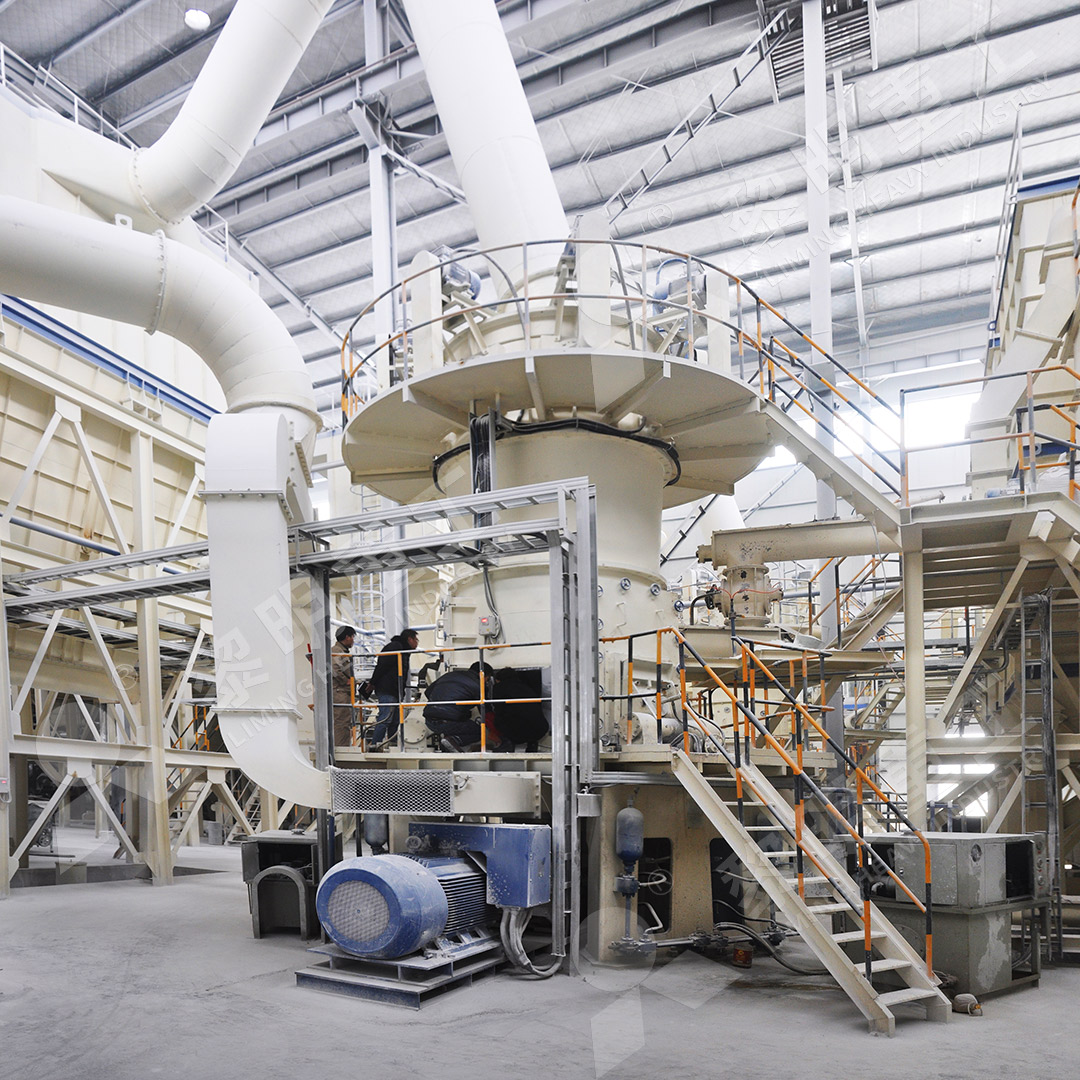
Energy costs typically account for 30% to 50% of total grinding operational expenses in mining beneficiation. Traditional ball mills waste a significant portion of input energy as heat and noise, with only about 1-2% of the energy actually used for particle breakage. In contrast, vertical roller mills are designed with an integrated grinding, classifying, and drying system that significantly reduces energy losses. The grinding rollers apply controlled pressure directly onto the material bed, creating inter-particle crushing that is inherently more energy-efficient than the impact and attrition mechanisms found in tumbling mills.
For operations requiring ultra-fine powders, our MW Ultrafine Grinding Mill stands out as a solution that delivers 40% higher capacity than jet mills while consuming only 30% of the energy. This mill accepts feed sizes up to 20 mm and produces fineness from 325 to 2500 mesh, with the capability to achieve d97 ≤ 5 μm in a single pass. The newly designed grinding curves of the roller and ring directly contribute to this efficiency gain, making it an ideal choice for non-metallic mineral beneficiation where product purity and particle size distribution are critical.
Process Integration and Reduced Capital Expenditure
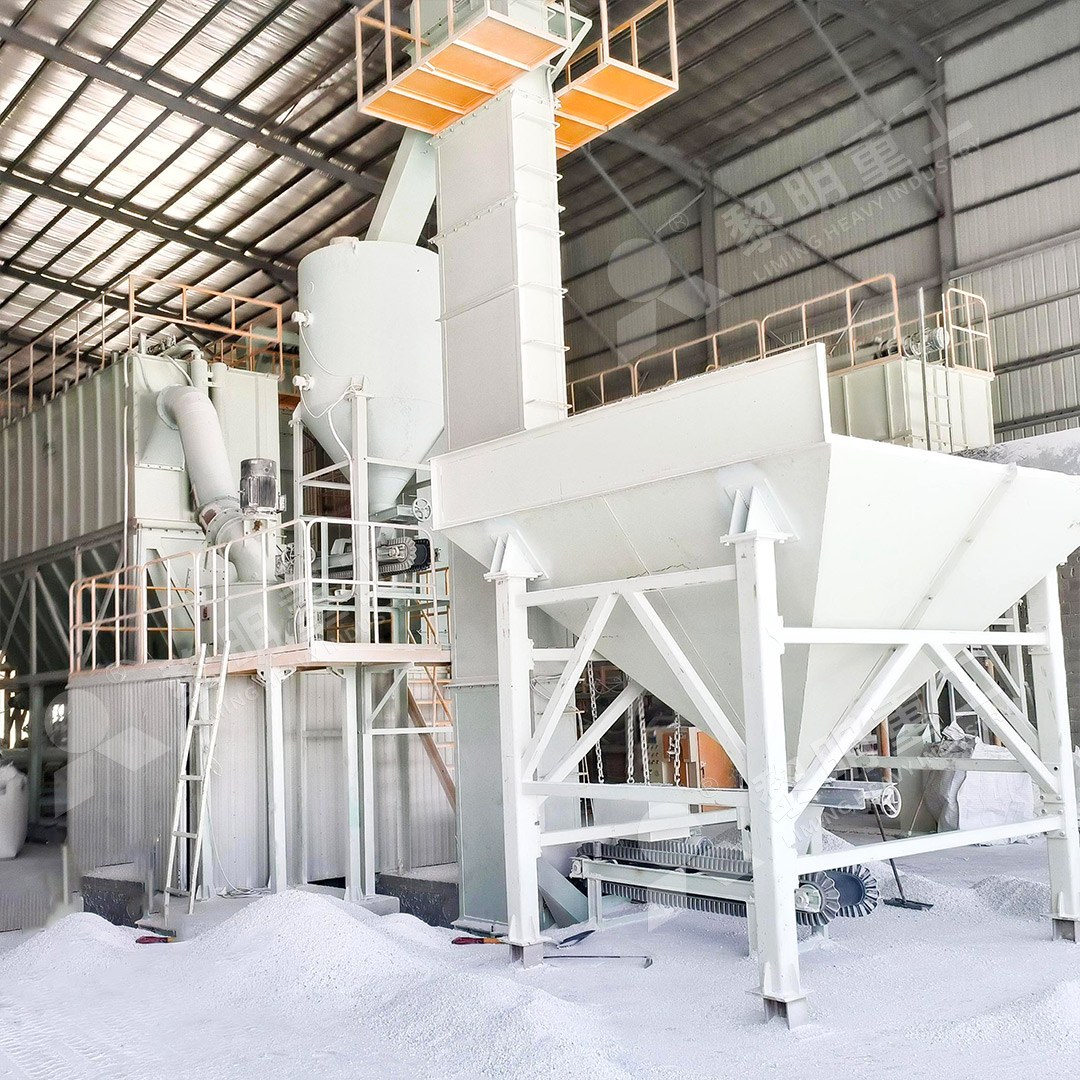
Modern beneficiation circuits require equipment that can integrate multiple unit operations into a single machine. Vertical roller mills accomplish this by combining crushing, grinding, drying, classifying, and material conveying in a single compact unit. This integration reduces the need for auxiliary equipment such as bucket elevators, air classifiers, and separate drying systems. The LM Vertical Grinding Mill, for example, reduces floor space requirements by 50% compared to a ball mill system, which translates directly into lower civil construction costs and simpler plant layouts.
For mining operations processing materials with varying moisture content, the ability to introduce hot gas directly into the grinding chamber is a significant advantage. The VRM’s air-swept design allows simultaneous drying and grinding, eliminating the need for separate rotary dryers. This feature is particularly valuable when processing materials like gypsum, coal, or slag, where surface moisture must be removed before final grinding. Our LUM Ultrafine Vertical Grinding Mill incorporates advanced multi-head powder separating technology that allows operators to switch between different product fineness requirements rapidly, accommodating changing market demands without lengthy downtime.
Wear Life and Maintenance Considerations
One of the historical concerns with vertical roller mills was the wear rate of grinding rollers and table liners, especially when processing abrasive minerals. However, modern metallurgy and design improvements have largely addressed these issues. The use of high-chrome alloy castings and composite wear materials has extended service intervals significantly. In the MW Ultrafine Grinding Mill, the grinding chamber contains no rolling bearings or screws, eliminating the risk of bearing damage and screw loosening that often plague traditional mill designs. The lubricating system is mounted externally, allowing oil changes and maintenance without stopping the mill.
The LUM Ultrafine Vertical Grinding Mill features a reversible grinding roller structure that allows operators to flip the roller shell and liner plate for double the service life before replacement. Combined with the hydraulic system that swings the roller out of the body for inspection, maintenance time is reduced by up to 60% compared to conventional designs. For operations running 24/7 in remote mining locations, this reliability translates directly into higher availability and reduced spare parts inventory requirements.
Product Quality and Operational Flexibility
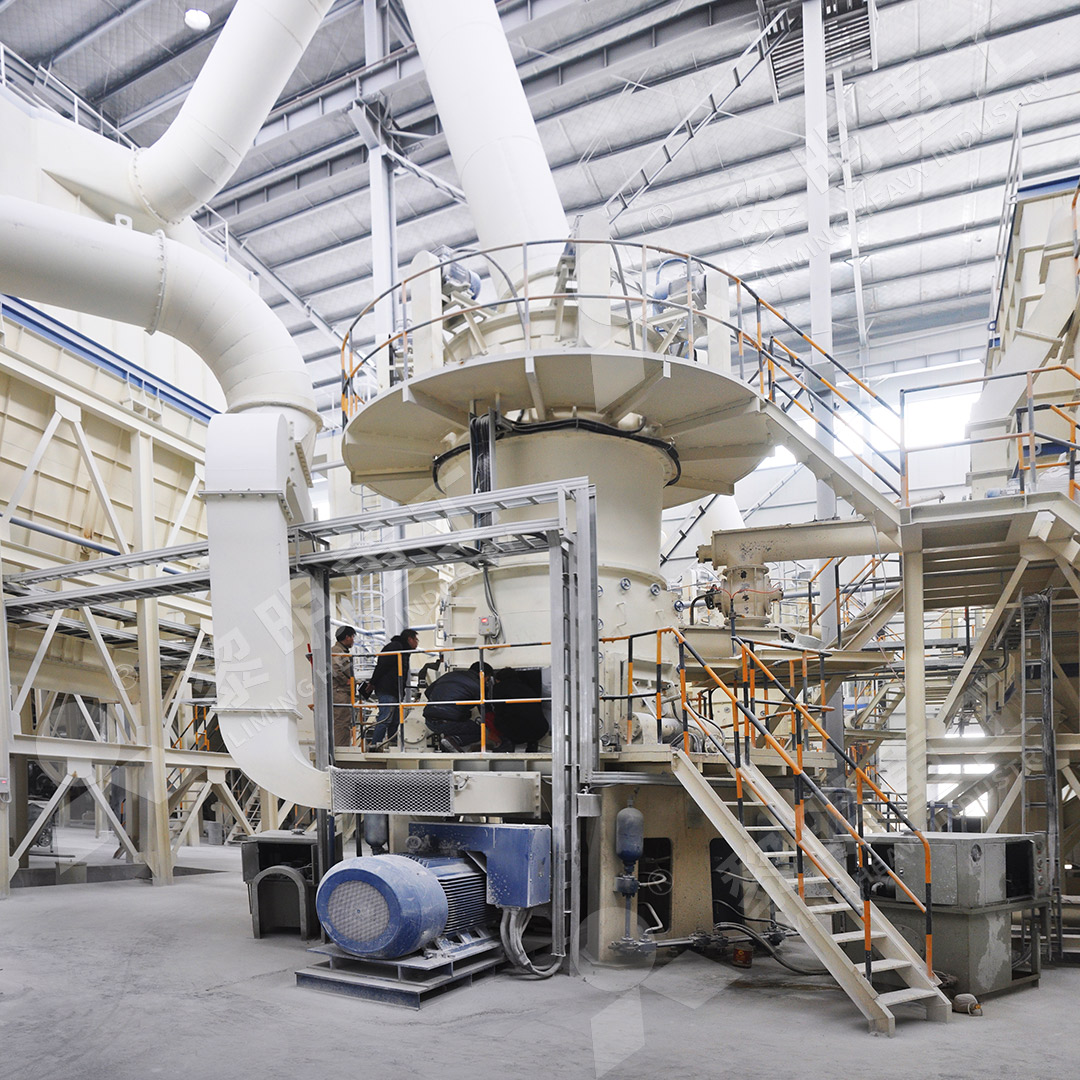
The beneficiation process often requires tight control over particle size distribution. Over-grinding wastes energy and degrades downstream flotation or leaching performance, while under-grinding leaves valuable minerals locked in gangue. Vertical roller mills offer superior control over product fineness through variable classifier rotor speed and grinding pressure adjustments. This flexibility allows plant operators to optimize the grind for each ore type without changing mechanical components. The residence time of material in a VRM is typically 2-3 minutes, compared to 15-30 minutes in a ball mill, which means adjustments to product fineness take effect almost immediately.
In many beneficiation circuits, the iron content introduced from mill wear is a concern. The design of modern VRMs ensures that the grinding roller and table do not make metal-to-metal contact under normal operation, significantly reducing iron contamination. The LM Vertical Grinding Mill achieves this through electronic and mechanical position-limiting technology that maintains a consistent gap even during process upsets. This feature is critical when producing high-brightness fillers or pigments where iron content must be kept below 0.1%.
Environmental Compliance and Dust Control
Mining operations face increasing scrutiny regarding airborne particulate emissions. Vertical roller mill systems operate under negative pressure, which prevents dust escape. The MW Ultrafine Grinding Mill is equipped with a pulse-jet dust collector and soundproofing enclosure that brings noise levels below 85 dB at one meter. This design not only meets environmental regulations but also improves worker safety and comfort. The closed-circuit air system recirculates carrier gas, reducing the need for heated air makeup and further lowering energy consumption.
Conclusion: Selecting the Right VRM for Your Application
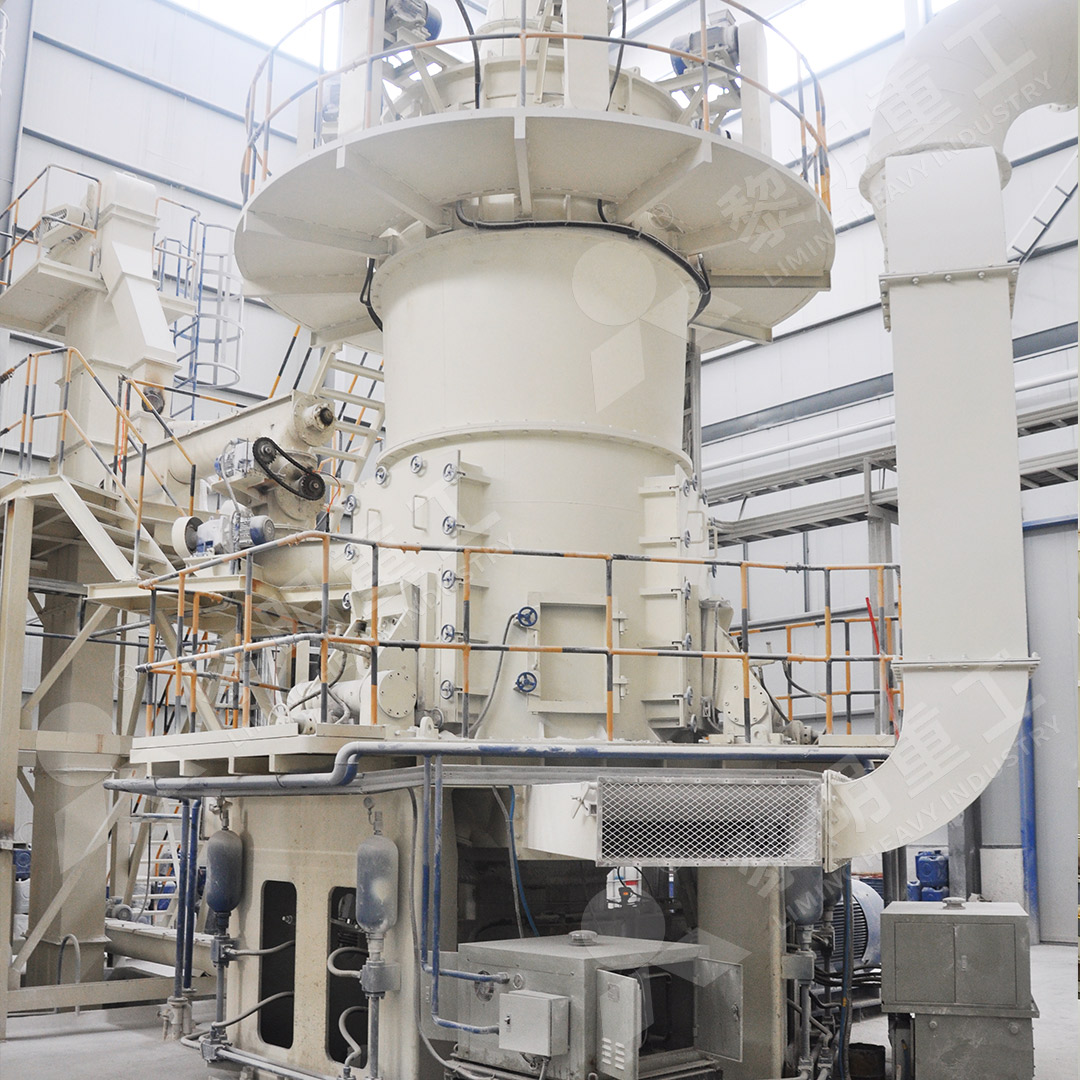
Choosing the optimal grinding technology requires careful analysis of feed material properties, target product fineness, capacity requirements, and operating budget. For operations focused on ultra-fine grinding below 100 mesh with capacities up to 25 tph, the MW Ultrafine Grinding Mill offers the highest energy efficiency and lowest maintenance burden. For larger throughput requirements up to 340 tph, the LM Vertical Grinding Mill provides the benefits of a fully integrated system with minimal footprint. Many mining houses have reported payback periods of less than 18 months when replacing older ball mill circuits with modern VRM technology, driven primarily by energy savings and reduced media consumption. As the industry moves toward more sustainable operations, the vertical roller mill will continue to play a central role in optimizing mineral beneficiation processes.
Frequently Asked Questions (FAQ)
1. What is the typical energy savings when replacing a ball mill with a vertical roller mill?
Vertical roller mills typically reduce energy consumption by 30% to 50% compared to ball mills in the same application. The exact savings depend on feed moisture, material hardness, and target fineness. For soft to medium-hard minerals like limestone or gypsum, savings at the higher end of this range are common.
2. Can the MW Ultrafine Grinding Mill handle sticky or moist materials?
The MW Ultrafine Grinding Mill is designed for dry grinding applications. Feed material should have a surface moisture content below 5% for optimal performance. For materials with higher moisture, a pre-drying step or selecting a mill with hot gas injection capability, such as the LM Vertical Grinding Mill, would be more appropriate.
3. How often do grinding rollers need to be replaced in VRM operation?
Roller and liner replacement intervals vary based on material abrasiveness. For typical limestone and calcite grinding, service life ranges from 6,000 to 12,000 operating hours. The LUM series mills feature reversible roller shells and liners, allowing double the service life before replacement is needed.
4. What is the maximum feed size for the LUM Ultrafine Vertical Grinding Mill?
The LUM Ultrafine Vertical Grinding Mill accepts feed material up to 10 mm in size. Material larger than this must be pre-crushed using a jaw crusher or impact crusher before entering the mill. The entire system can be supplied with upstream crushing equipment as part of a complete mobile or stationary grinding plant.
5. Is it possible to change product fineness without stopping the mill?
Yes. Both the MW and LUM series mills allow on-the-fly adjustment of product fineness by changing the rotor speed of the classifier. The PLC control system in the LUM mill also allows for remote adjustment of grinding pressure and feed rate to optimize production for different product specifications.
6. What level of automation is available for these VRM systems?
All LIMING vertical roller mills are available with full PLC control and remote monitoring capabilities. The systems can be integrated into existing plant DCS networks. Standard features include automatic load control, vibration monitoring, bearing temperature surveillance, and alarm management systems that provide operators with real-time process data.
7. How does the VRM perform in high-altitude mining operations?
High-altitude installations require special consideration of air density on material transport and classifier performance. LIMING provides customized design calculations for operations above 2,500 meters elevation. The main motor power may need to be de-rated, and the fan system is adjusted to compensate for lower air density. Our engineering team provides site-specific performance guarantees for these applications.