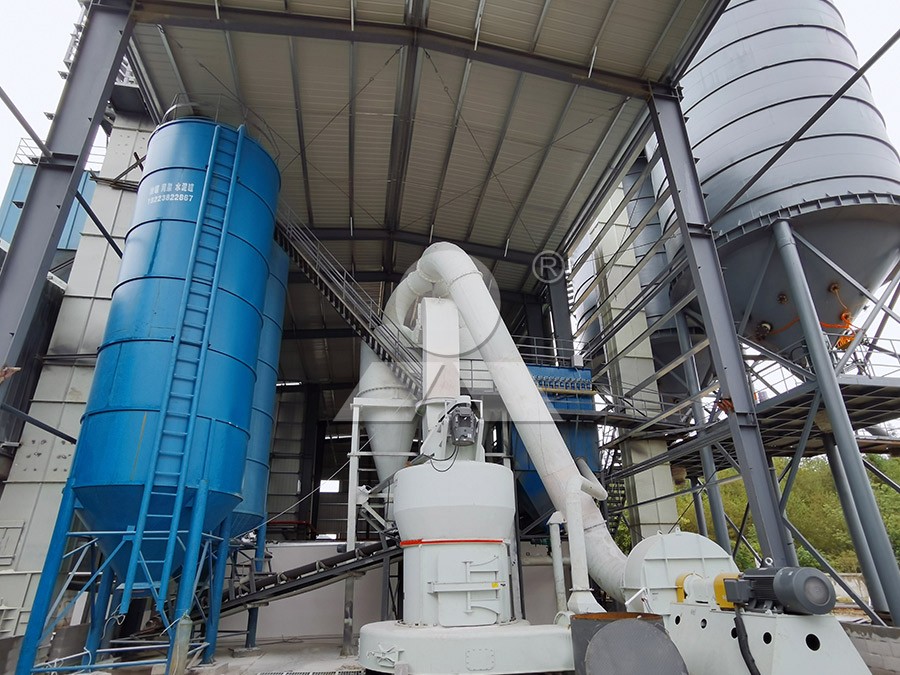
Optimizing Hydrated Lime Production with Medium-Speed Grinding Mills
We provide a wide range of mills — including Raymond mill, trapezoidal mill, vertical mill, ultrafine mill, and ball mill, obtained ISO9001 international quality certification, EU CE certification, and Customs Union CU-TR certification. Suitable for processing minerals such as limestone, phosphate, quicklime, kaolin, talc, barite, bentonite, calcium carbonate, dolomite, coal, gypsum, clay, carbon black, slag, cement raw materials, cement clinker, and more.
The discharge range of these mills can be adjusted to meet specific processing needs, typically from 80-400 mesh, 600-3250 mesh, and can achieve the finest particle size of up to 6000 mesh(D50).
If you are looking for a reliable grinding solution to turn stone or minerals into fine powder, please feel free to contact our online customer service.
Introduction: The Hydrated Lime Challenge
Hydrated lime, or calcium hydroxide, is a critical commodity in water treatment, flue gas desulfurization, soil stabilization, and the chemical industry. However, its production presents a unique set of grinding challenges. The material is moderately hard, slightly abrasive, and has specific particle size distribution requirements that directly impact its reactivity and market price. For decades, plant managers have struggled with the trade-off between throughput and fineness. Traditional ball mills, while reliable, are energy hogs and produce a wide particle distribution. Jet mills, on the other hand, offer fine powders but at a prohibitive energy cost and low capacity.
Enter the medium-speed grinding mill. This class of equipment, which includes vertical roller mills and pendulum-style roller mills, has emerged as the sweet spot for hydrated lime. It offers a balance of high capacity, low specific energy consumption, and precise product fineness control. At Liming Heavy Industry, we have spent years refining these systems to handle the specific nuances of lime hydration and grinding. The goal is simple: produce a consistent, high-surface-area product with minimal downtime and maximum efficiency.
Why Medium-Speed Technology?
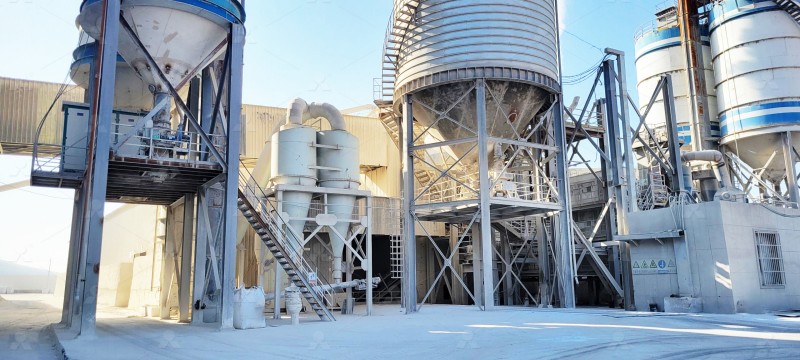
Medium-speed mills, typically operating between 50 and 300 RPM, rely on centrifugal force rather than impact to break particles. This is the key to their efficiency. In a ball mill, energy is wasted on throwing steel balls around. In a medium-speed mill, the grinding force is applied directly to the material bed. The grinding rollers press the material against a rotating grinding table or ring, creating a densely packed bed where inter-particle crushing occurs. This method drastically reduces noise and vibration compared to impact crushers, and it yields a product with a very narrow particle size distribution, often with a high proportion of particles below 45 microns.
For hydrated lime, this means a higher surface area per unit of weight, which translates directly to faster reaction rates in flue gas scrubbers or water neutralization tanks. Our research indicates that switching from a conventional ball mill to a medium-speed vertical mill can increase the specific surface area of the final product by 15-25% at the same nominal fineness. This is a game-changer for customers selling into the environmental market where reactivity specifications are tight.
Product Spotlight: The MW and LUM Solutions
When we talk about optimizing for ultra-fine hydrated lime (325-2500 mesh or d97 ≤ 5 microns), we turn to the MW Ultrafine Grinding Mill. This machine is a masterpiece of German engineering and Chinese manufacturing pragmatism. Its cage-type powder selector allows for precise cut points, something that is notoriously difficult to control in standard mills. The MW mill handles input sizes up to 20 mm, which is ideal for secondary crushed lime, and delivers a throughput of 0.5 to 25 tph. Its unique design, featuring no rolling bearings or screws inside the grinding chamber, means we have eliminated the most common failure points in fine grinding. The external lubrication system allows for 24-hour continuous operation without shutdown for greasing.
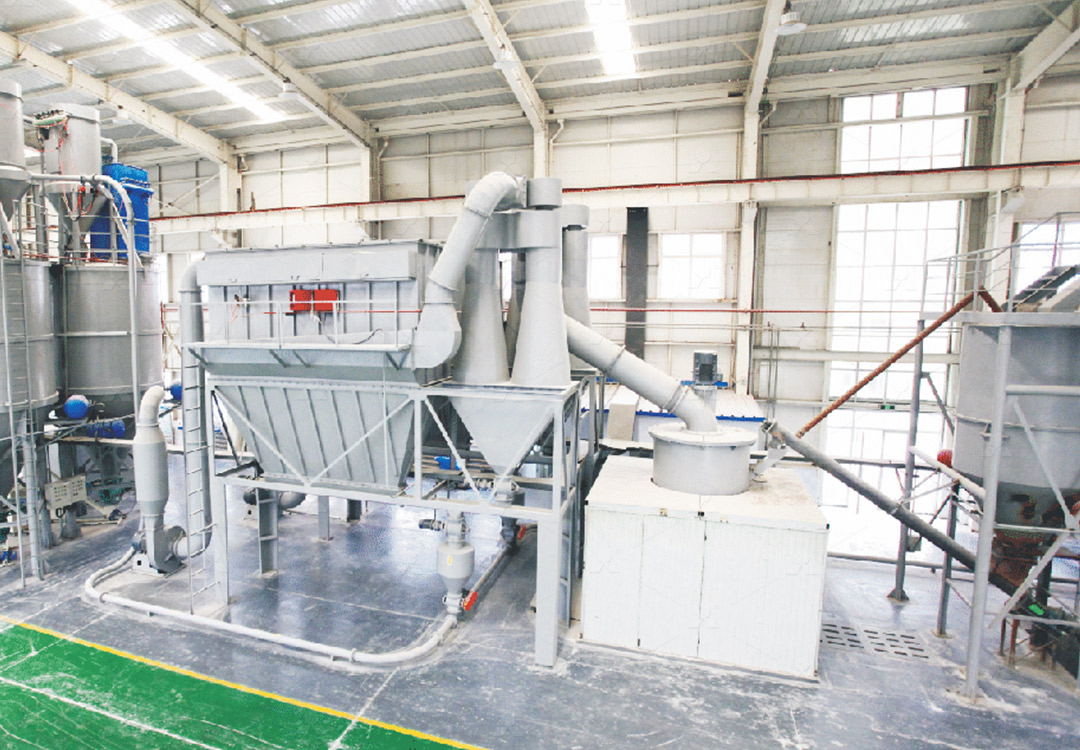
For customers who require a coarser product (typically 200-800 mesh) but demand the highest possible throughput and lowest energy consumption, the LUM Ultrafine Vertical Grinding Mill is the superior choice. The LUM mill takes the concept of the vertical roller mill and pushes it further. It features double position-limiting technology to prevent metal-on-metal contact, which is a critical feature when grinding abrasive materials like lime. The reversible grinding roller structure allows operators to swap out worn roller shells in minutes, not hours. This mill accepts a feed size of 0-10 mm and offers a capacity range of 5-18 tph. Its multi-head powder separator, controlled by a PLC, allows for instant adjustments between different production specs. If you need to switch from a fine lime product for the chemical industry to a more granular product for agriculture, the LUM mill can handle that shift without a lengthy process changeover.
Operational Best Practices
Optimization is not just about the hardware; it is about the system. We have found that three factors are critical to success with hydrated lime in medium-speed mills.
Moisture Control: Hydrated lime is hydrophilic. Even small amounts of moisture can cause the powder to stick to the grinding ring and roller surfaces, leading to reduced capacity and increased vibration. We recommend the integration of a hot air generator or pre-drying step if the feedstock moisture exceeds 1%. The LM Vertical Grinding Mill (a larger cousin of the LUM) excels here with its integrated drying function, but for the medium-speed family, controlling the feed moisture is paramount.
Airflow Optimization: The primary function of the air stream in these mills is to classify and transport. Too much air velocity and you blow coarse particles out of the system, reducing quality. Too little air and the fines recirculate, wasting energy. We utilize variable frequency drives (VFDs) on the main fan to allow dynamic adjustment of airflow. This allows operators to dial in the exact velocity needed to maintain the desired cut point in the separator.
Grinding Pressure Tuning: The hydraulic pressure applied to the rollers must be balanced against the feed rate and material hardness. Under-pressurizing results in a low grinding efficiency and a coarse product. Over-pressurizing causes excessive vibration and accelerates wear. The digitalized processing in the manufacturing of our LUM and MW mills ensures that the roller and ring curves are perfectly matched. Field data from our European customers shows that using the auto-pressure control system reduces energy consumption by an average of 8% compared to running at a fixed high pressure.
Environmental and Economic Impact
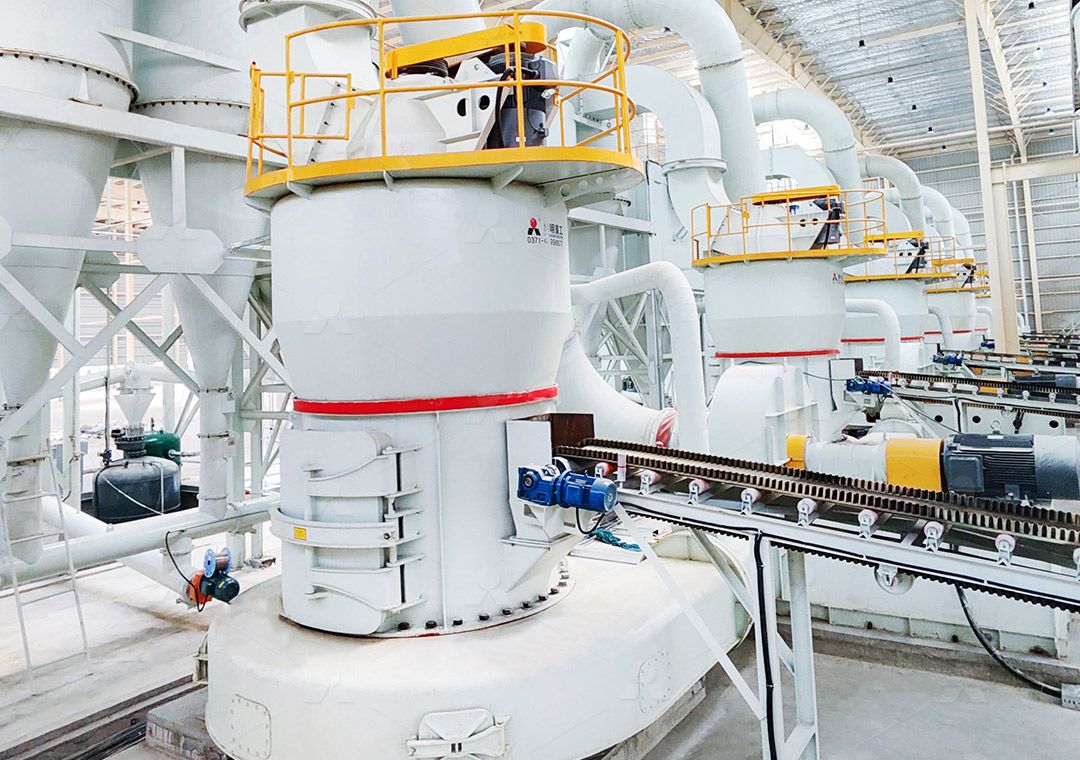
The push for greener operations is not just a trend; it is a regulatory requirement. The MW Ultrafine Grinding Mill is equipped with an efficient pulse dust collector and a muffler. The entire system operates under negative pressure, meaning fine lime dust—which can be a serious respiratory hazard and a nuisance—is completely contained. The noise levels are significantly lower than those of a comparable ball mill installation, making it easier to comply with OSHA or local noise ordinances.
Economically, the benefits are clear. While the initial capital investment (CAPEX) for a vertical mill system is often slightly higher than a ball mill, the operational expenditure (OPEX) is dramatically lower. The energy savings of 30-40% quickly pay back the difference. Furthermore, the low iron content of the product due to the non-contact design of the LUM mill means you get a cleaner, whiter product that commands a premium price in the paint and coating additive market. The worry-free spare parts supply chain from Liming ensures that you are not caught off guard by a worn roller, keeping your production line running at peak efficiency 24/7.
Conclusion
Optimizing hydrated lime production is a multi-faceted challenge involving moisture, abrasion, and particle size control. Medium-speed grinding mills, specifically the MW and LUM series from Liming Heavy Industry, provide a robust solution that balances these factors. By leveraging advanced separator technology, durable wear parts, and intelligent automation, these mills deliver higher yields with lower energy consumption. Whether you are targeting the ultra-fine market with the MW or the high-capacity market with the LUM, the path to optimization lies in understanding the physics of the material bed and applying the precise mechanical pressure and airflow to it. This is not magic; this is engineering.
Frequently Asked Questions (FAQ)
1. What is the typical lifespan of the grinding roller and ring for the MW mill when grinding hydrated lime?
The lifespan depends on the specific impurities in the lime, but generally, users can expect 800 to 1,500 hours of operation before re-surfacing or replacement is needed. The high-chrome alloy used in our parts is specifically formulated for abrasion resistance against alkaline materials.
2. Can the MW Ultrafine Grinding Mill handle a feed size larger than 20 mm?
We specify a maximum feed size of 20 mm. Larger lumps can cause instability in the grinding bed and potential damage to the scraper blades. We recommend a primary crusher (like a hammer crusher) in the upstream process to ensure consistent feed size.
3. How does the LUM mill maintain product quality consistency?
The LUM mill utilizes a PLC-controlled multi-head powder separator and a precise hydraulic pressure system. These features allow for real-time adjustments to the classifier rotor speed and grinding force, ensuring that the product fineness (d97) remains stable regardless of minor fluctuations in the feed material hardness.
4. What are the specific maintenance tasks required for the MW mill’s lubrication system?
The external lubrication system requires regular checks of the oil level and cleanliness. We recommend changing the oil in the gearbox every 6 months or after 2,000 hours of operation. The external pump filters should be cleaned monthly. The beauty of this system is you do not need to shut down the main motor to perform these checks.
5. Is it possible to retrofit an existing ball mill system to a medium-speed vertical mill?
While a direct retrofit is rarely feasible due to different foundation requirements, many clients choose to install a vertical mill (like the LUM) in parallel with their existing ball mill to increase total capacity or to produce a specific fine-grade product. Liming can provide a feasibility study and layout design for this hybrid approach.
6. How does the energy consumption of the MW mill compare specifically to a jet mill for ultra-fine hydrated lime?
The MW mill consumes approximately 30% of the energy of a jet mill for the same fineness (d97 ≤ 10µm). This is because jet mills rely on high-velocity compressed air, which is extremely energy-inefficient, while the MW mill uses mechanical grinding forces.