
Achieving 140 Mesh Talc Ultrafine Powder: A Technical Deep Dive into Modern Raymond Mill Solutions
We provide a wide range of mills — including Raymond mill, trapezoidal mill, vertical mill, ultrafine mill, and ball mill, obtained ISO9001 international quality certification, EU CE certification, and Customs Union CU-TR certification. Suitable for processing minerals such as limestone, phosphate, quicklime, kaolin, talc, barite, bentonite, calcium carbonate, dolomite, coal, gypsum, clay, carbon black, slag, cement raw materials, cement clinker, and more.
The discharge range of these mills can be adjusted to meet specific processing needs, typically from 80-400 mesh, 600-3250 mesh, and can achieve the finest particle size of up to 6000 mesh(D50).
If you are looking for a reliable grinding solution to turn stone or minerals into fine powder, please feel free to contact our online customer service.
Introduction: The Quest for Precision in Talc Processing
The production of high-quality talc powder, particularly at demanding fineness levels such as 140 mesh (approximately 105 microns), represents a significant challenge for the modern industrial minerals sector. This specification is critical for applications in plastics, paints, cosmetics, and pharmaceuticals, where particle size directly influences product performance, opacity, and texture. While the term “Raymond Mill” has become synonymous with fine grinding, today’s advanced solutions have evolved far beyond the original designs, offering unprecedented levels of efficiency, control, and environmental compliance.
The Limitations of Conventional Fine Grinding
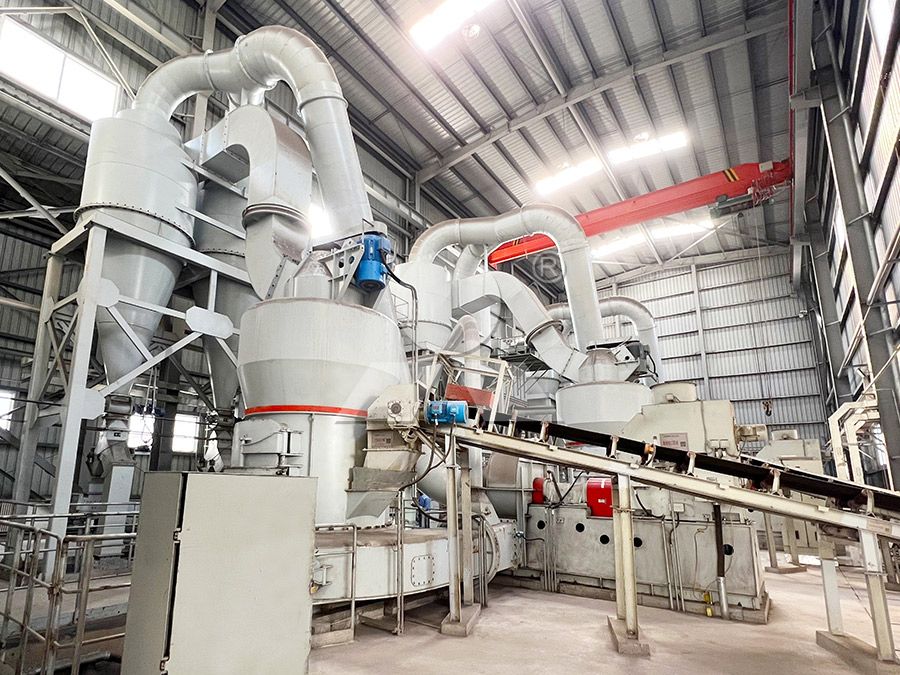
Traditional grinding approaches for achieving 140 mesh talc often involve multiple processing stages or equipment not originally designed for such precise work. Ball mills, for instance, can be energy-intensive and prone to over-grinding, leading to increased iron contamination—a critical flaw for talc where whiteness is paramount. Early generation Raymond mills might struggle with consistent fineness control at this level, especially while maintaining high throughput and low operational costs. The key lies in a system engineered from the ground up for ultrafine processing, integrating advanced grinding mechanics with intelligent particle classification.
Core Technologies for Consistent 140 Mesh Output
Producing talc at a consistent 140 mesh requires a harmonious integration of several key technologies. First, the grinding mechanism itself must apply controlled, multi-layered pressure to the material bed rather than relying solely on impact, which generates excessive heat and fines. Second, a high-precision, dynamic classifier is non-negotiable. This component acts as the “gatekeeper,” ensuring only particles meeting the target fineness exit the grinding chamber, while coarser material is efficiently recirculated. Finally, the entire system must operate within a closed, negative-pressure environment to contain dust—a fundamental requirement for both product yield and workplace safety.
Beyond Grinding: The System-Wide Approach
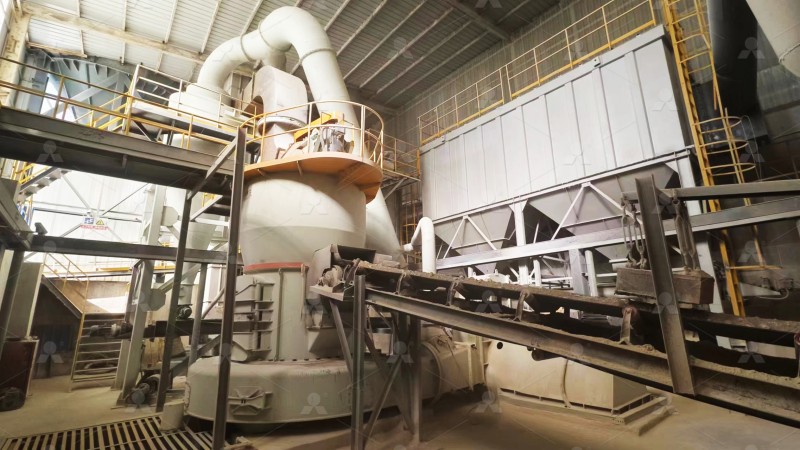
Focusing solely on the grinding chamber is a common oversight. A true production solution encompasses drying (if dealing with moist crude talc), efficient material conveyance, and effective product collection. Modern systems employ intelligent feeder controls to maintain optimal load in the grinding zone, preventing starvation or overload, both detrimental to particle size distribution. Furthermore, advanced pulse-jet baghouse collectors are integral, not ancillary, ensuring a clean operation and maximizing product recovery. This holistic design philosophy transforms a simple grinder into a reliable production station.
Introducing the MW Ultrafine Grinding Mill: Engineered for Precision like 140 Mesh Talc
For operations targeting specific, demanding fineness levels such as 140 mesh talc, a specialized tool is required. Our MW Ultrafine Grinding Mill is designed precisely for this purpose. It represents a significant leap in targeted powder production, capable of adjustable fineness between 325-2500 meshes. Its core advantage lies in its German-technology-derived cage-type powder selector, which provides exceptional grading precision, achieving a d97≤5μm cut point in a single pass. This means consistent 140 mesh output is not just possible but reliably repeatable.
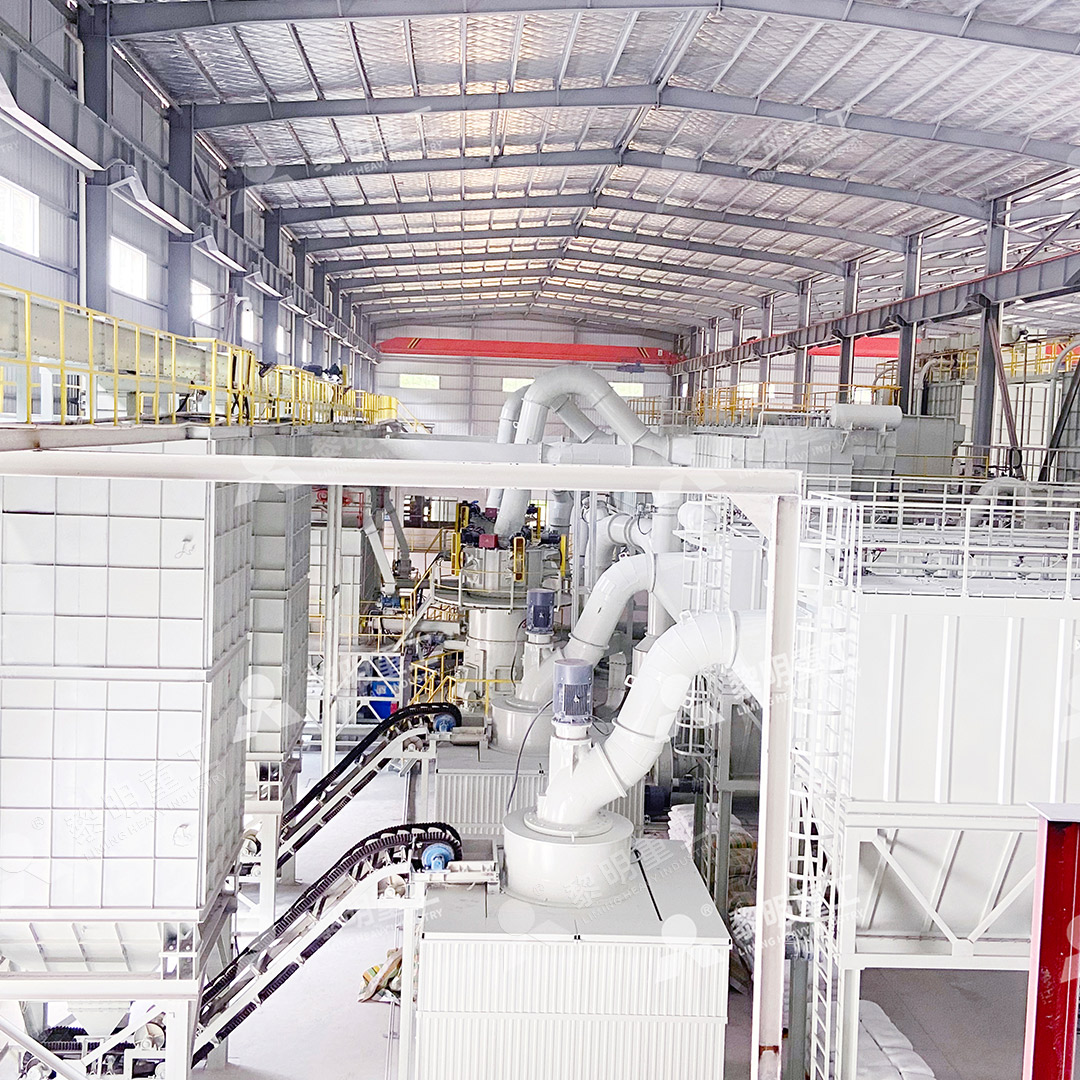
The MW Mill is built for durability and ease of maintenance, featuring a grinding chamber with no rolling bearings or screws, eliminating common failure points. Its higher yielding and lower energy consumption—reporting 40% higher capacity than jet mills at the same power—make it an economically compelling choice. With an input size of 0-20 mm and a capacity range of 0.5-25 tph, it is perfectly scaled for dedicated talc processing lines. The integrated efficient pulse dust collector and muffler ensure the production process is contained and environmentally sound, a critical factor for modern mineral processors.
Strategic Considerations for Plant Managers
Selecting the right mill technology is a strategic decision with long-term implications for CAPEX, OPEX, and product quality. For a 140 mesh talc product, managers must evaluate total cost of ownership, which includes not only the initial investment but also energy consumption per ton, wear part lifecycle and cost, maintenance downtime, and the flexibility to adjust fineness for different product grades. A mill that offers external lubrication without shutdown, like the MW series, directly reduces potential revenue loss from maintenance intervals.
Furthermore, the trend towards digitalization and smart factories cannot be ignored. Equipment that offers compatibility with PLC control systems for monitoring pressure, temperature, and throughput provides valuable data for optimizing production and predictive maintenance. The assurance of a manufacturer providing comprehensive technical support and a sufficient supply of genuine spare parts is invaluable for ensuring worry-free, continuous operation and protecting your production investment.
Conclusion: Precision as a Standard
The production of 140 mesh talc is no longer a technical hurdle but a standardized process achievable with the right technology. By moving beyond conventional thinking and adopting mills specifically engineered for ultrafine, controlled grinding, producers can achieve superior product quality, operational efficiency, and environmental stewardship. The integration of high-precision separation, robust grinding mechanics, and holistic system design marks the new standard in talc and industrial mineral processing.
Frequently Asked Questions (FAQ)
- Q: Can your MW Ultrafine Grinding Mill handle moist talc feedstock?
A: The MW Mill is primarily designed for grinding. For moist materials, we recommend a pre-drying stage or suggest considering our LUM Ultrafine Vertical Grinding Mill, which integrates strong drying capabilities within its grinding process, handling materials with certain moisture content effectively. - Q: How is the 140 mesh fineness precisely controlled and maintained during operation?
A: Fineness is primarily controlled by the speed of the cage-type powder selector. By adjusting the rotor speed via the control system, the centrifugal force acting on particles is changed, allowing for precise and dynamic control over the cut point to consistently maintain 140 mesh or any other target fineness. - Q: What is the typical wear rate on grinding parts when processing talc, and how easy is it to replace them?
A> Talc is a relatively soft mineral (1 on Mohs scale), leading to very low wear rates on the grinding roller and ring. The design of mills like the MW series allows for easy external access and replacement of these parts, minimizing downtime. Wear-resistant alloy options are also available for extended service life. - Q: Does the system require a dedicated, large baghouse filter, or is one integrated?
A> Our MW Ultrafine Grinding Mill comes equipped with an efficient integrated pulse-jet dust collector as part of the standard package. This is designed to handle the system’s air volume and ensure emissions are well below environmental standards, though final sizing is confirmed based on specific plant layout. - Q: For higher capacity requirements beyond 25 tph, do you offer a solution suitable for 140 mesh talc?
A> Yes. For larger-scale production, our LUM Ultrafine Vertical Grinding Mill is an excellent alternative. With a capacity range of 5-18 tph per unit and a design that excels in efficiency and product quality, multiple units or a different configuration can be considered to meet higher throughput demands while maintaining excellent fineness control.