
Price of Limestone Powder Ultra-fine Grinding Mill: A Comprehensive Guide to Value and Performance
We provide a wide range of mills — including Raymond mill, trapezoidal mill, vertical mill, ultrafine mill, and ball mill, obtained ISO9001 international quality certification, EU CE certification, and Customs Union CU-TR certification. Suitable for processing minerals such as limestone, phosphate, quicklime, kaolin, talc, barite, bentonite, calcium carbonate, dolomite, coal, gypsum, clay, carbon black, slag, cement raw materials, cement clinker, and more.
The discharge range of these mills can be adjusted to meet specific processing needs, typically from 80-400 mesh, 600-3250 mesh, and can achieve the finest particle size of up to 6000 mesh(D50).
If you are looking for a reliable grinding solution to turn stone or minerals into fine powder, please feel free to contact our online customer service.
Navigating the Cost Factors of Ultra-fine Limestone Grinding
The quest for high-quality limestone powder, essential for industries ranging from polymers and paints to construction materials, hinges on the efficiency of the grinding process. When evaluating the price of an ultra-fine grinding mill, savvy buyers look beyond the initial capital expenditure. The true cost encompasses energy consumption, maintenance downtime, spare parts availability, and the final product’s quality and consistency. A mill that offers a lower purchase price but operates at high energy costs or requires frequent, expensive repairs can quickly become a financial burden. Therefore, the most prudent investment is in a mill engineered for high yield, low operational costs, and long-term reliability.

Core Performance Metrics That Influence Value
Several technical specifications directly impact both the performance and the operational economics of a grinding mill. First is the adjustable fineness range. The ability to precisely produce powder between 325 to 2500 meshes from a single machine offers tremendous flexibility for different product lines. Second, energy consumption per ton is a critical metric. Advanced designs can reduce system energy use by 30-50% compared to older technologies like jet or ball mills, leading to substantial savings. Third, system integration—encompassing crushing, drying, grinding, and classifying—reduces footprint and auxiliary equipment costs. Finally, features that ensure stable, dust-free, and low-noise operation minimize environmental compliance costs and create a safer workplace.
Engineering Innovations for Operational Excellence
Modern ultra-fine mills incorporate specific design innovations to tackle traditional pain points. The elimination of rolling bearings and screws within the grinding chamber, for instance, removes common failure points and concerns about seal damage or loose components causing catastrophic failure. Externally accessible lubrication systems enable maintenance without shutdowns, supporting continuous 24/7 production. Furthermore, the adoption of multi-head cage-type powder selectors with digital PLC controls allows for high-precision particle size separation and quick switching between different product specifications, maximizing uptime and yield.
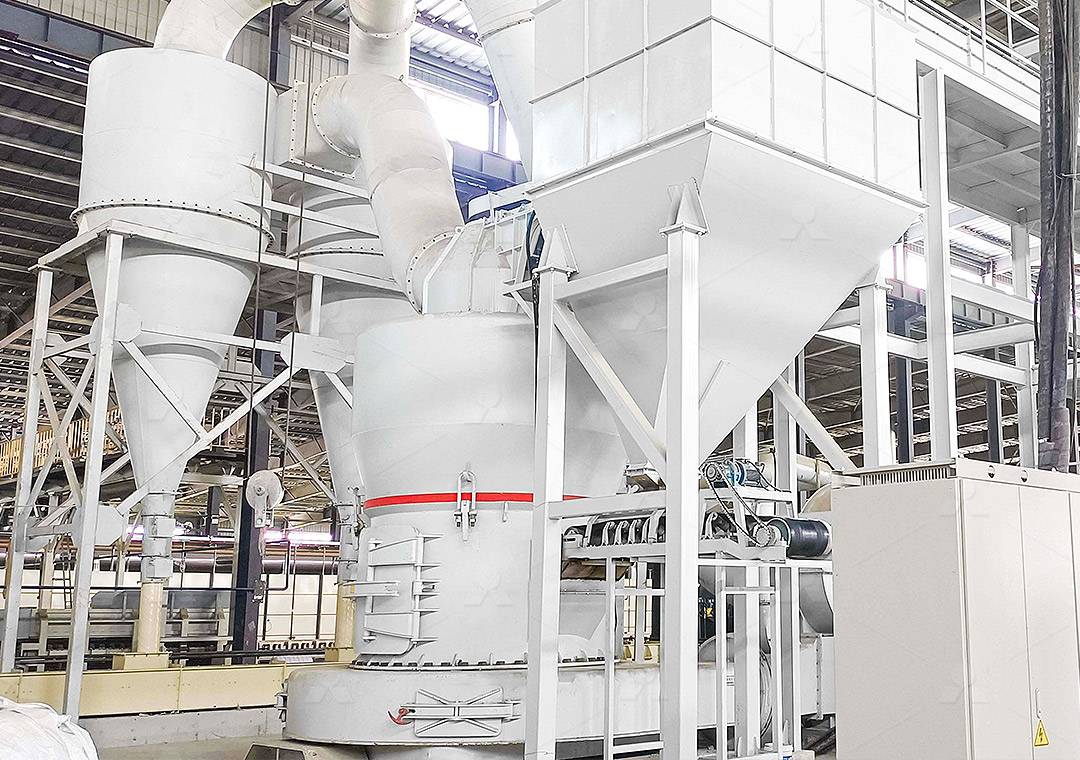
Spotlight on Superior Solutions: LIMING’s MW and LUM Series
In this landscape of technical demands, LIMING Heavy Industry’s grinding mills stand out by delivering exceptional value through intelligent engineering. For operations focused on ultra-fine powders with stringent fineness requirements, two models are particularly noteworthy.
MW Ultrafine Grinding Mill: The High-Efficiency Specialist
Engineered for customers dedicated to producing ultra-fine powder, the MW Ultrafine Grinding Mill is a benchmark for efficiency. It accepts a feed size of 0-20 mm and delivers a capacity range of 0.5-25 tph. Its defining achievement is a 40% higher production capacity compared to jet or stirred mills at the same power and fineness, effectively doubling the output of a traditional ball mill while using only 30% of the energy of a jet mill. This is made possible by newly designed grinding curves for the roller and ring. The mill’s German-technology cage-type powder selector ensures precise classification from 325 to 2500 meshes. Crucially, its design philosophy prioritizes reliability and eco-friendliness: with no internal bearings or screws to worry about, an external lubrication system, and an integrated efficient pulse dust collector and silencer, it guarantees clean, worry-free, and continuous operation.
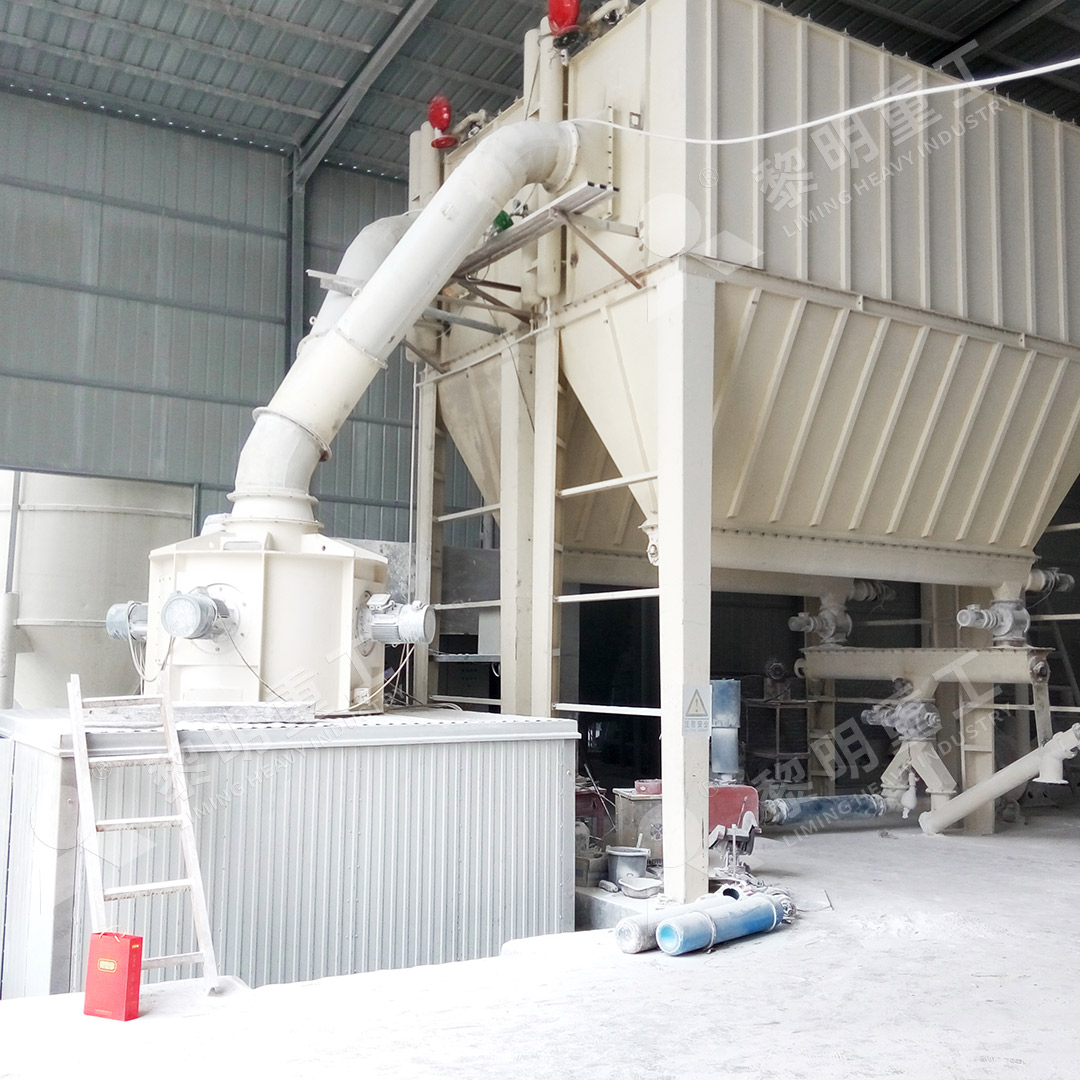
LUM Ultrafine Vertical Grinding Mill: The Advanced Vertical Solution
For operations seeking the latest in vertical grinding technology, the LUM Ultrafine Vertical Grinding Mill represents the pinnacle of integration. With an input size of 0-10 mm and capacity of 5-18 tph, it combines ultrafine grinding, grading, and transporting into a single, compact unit. It integrates the latest grinding roller technology and German powder separating technology. Its unique roller shell and lining plate curve promote stable material layer formation, enabling a high rate of finished product in a single pass, which enhances whiteness and cleanliness. The mill is exceptionally energy-saving, reducing consumption by 30%-50%, and features a reversible structure that allows grinding rollers to be easily moved out for maintenance, drastically reducing downtime and associated losses.
Conclusion: Investing in Total Cost of Ownership
Ultimately, the price of a limestone ultra-fine grinding mill should be evaluated as an investment in your production line’s future profitability and capability. The most cost-effective choice is rarely the cheapest upfront. By selecting a mill like LIMING’s MW or LUM series, you invest in advanced engineering that delivers higher yield, significantly lower energy and maintenance costs, superior product quality, and full environmental compliance. This holistic approach to value ensures a rapid return on investment and a strong, reliable foundation for your powder production needs for years to come.
Frequently Asked Questions (FAQ)
- What is the primary advantage of the MW Mill over a traditional ball mill for limestone?
The MW Ultrafine Grinding Mill offers approximately twice the production yield at the same fineness and power while reducing system energy consumption by up to 70% compared to a ball mill, thanks to its optimized grinding curve and efficient classification system. - How does the LUM Mill’s design simplify maintenance?
The LUM Ultrafine Vertical Mill features a patented reversible structure. Using the hydraulic system, operators can easily and quickly move the heavy grinding roller out of the mill body for inspection, replacement of wear parts like the roller shell and liner plate, and other maintenance, minimizing production stoppages. - Can these mills handle materials other than limestone?
Absolutely. Both the MW and LUM series are versatile and suitable for a wide range of non-metallic minerals with Mohs hardness below 7, including calcite, dolomite, talc, barite, gypsum, marble, and petroleum coke, among others. - What ensures the consistent fineness of the final powder?
Both mills employ advanced, multi-head cage-type powder selectors (using German technology in the MW series) with PLC control. This allows for highly accurate cutting of particle diameter and stable, adjustable fineness between 325-2500 meshes. - Are these mills environmentally friendly?
Yes. They are designed with full environmental compliance. Each system is equipped with high-efficiency pulse dust collectors ensuring no dust pollution, and silencers or soundproofing rooms are configured to keep noise levels well within national standards. - What kind of after-sales support is available?
LIMING, as an integrated manufacturer, takes full responsibility for every machine. We provide comprehensive technical services and guarantee a sufficient supply of original, high-quality spare parts to ensure long-term, worry-free operation for our customers.