
Slag Micro Powder Vertical Mill Grinding Technology: Efficiency and Sustainability in Industrial Byproduct Processing
We provide a wide range of mills — including Raymond mill, trapezoidal mill, vertical mill, ultrafine mill, and ball mill, obtained ISO9001 international quality certification, EU CE certification, and Customs Union CU-TR certification. Suitable for processing minerals such as limestone, phosphate, quicklime, kaolin, talc, barite, bentonite, calcium carbonate, dolomite, coal, gypsum, clay, carbon black, slag, cement raw materials, cement clinker, and more.
The discharge range of these mills can be adjusted to meet specific processing needs, typically from 80-400 mesh, 600-3250 mesh, and can achieve the finest particle size of up to 6000 mesh(D50).
If you are looking for a reliable grinding solution to turn stone or minerals into fine powder, please feel free to contact our online customer service.
Slag Micro Powder Vertical Mill Grinding Technology
In the modern industrial landscape, the efficient and sustainable processing of byproducts like slag has become a critical component of both economic viability and environmental responsibility. Slag, a byproduct of steel and iron production, possesses latent hydraulic properties that make it a valuable supplementary cementitious material (SCM) when processed into fine powder. The evolution from traditional ball milling to advanced vertical roller mill (VRM) technology represents a quantum leap in achieving this transformation efficiently.
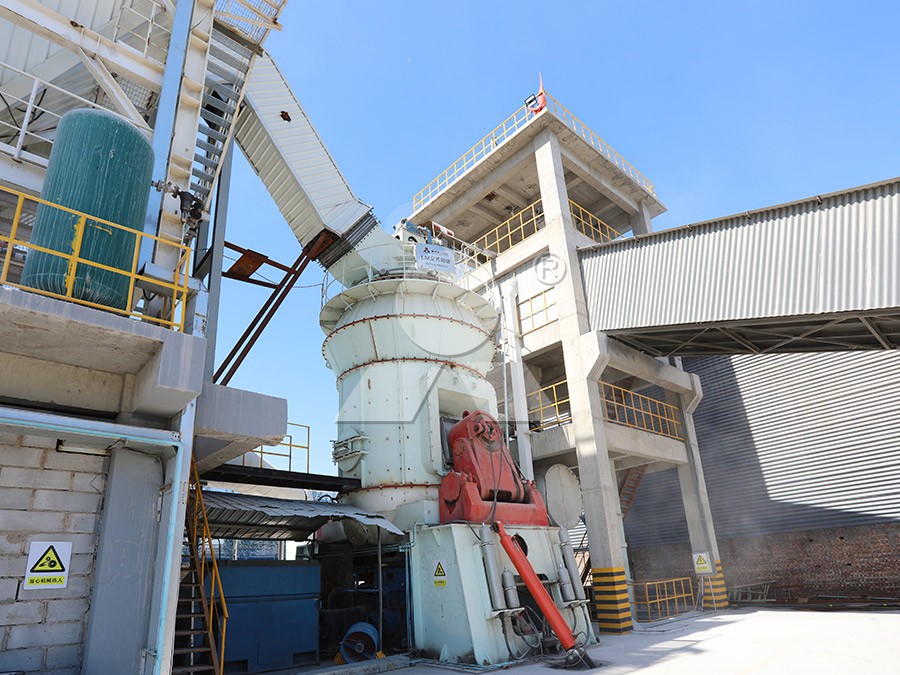
Vertical mill technology for slag grinding fundamentally reimagines the comminution process. Unlike horizontal ball mills where grinding relies on impact and attrition from tumbling media, vertical mills employ a bed-compression principle. Material is fed onto a rotating grinding table and is ground under pressure by hydraulically loaded rollers. This method delivers significantly higher energy efficiency, as force is applied directly to the material bed rather than being dissipated through media and shell collisions.
The Core Advantages of Vertical Mill Technology for Slag
The superiority of vertical mills for slag micro-powder production is anchored in several key technological pillars. First is integrated drying and grinding. Slag often contains residual moisture, and vertical mills can introduce hot gas directly into the grinding chamber, simultaneously drying and pulverizing the material in a single pass. This eliminates the need for separate, energy-intensive drying equipment.
Second is precise particle size control. Modern vertical mills are equipped with highly efficient, dynamic separators integrated directly above the grinding chamber. These separators, often with adjustable rotor speeds, allow for real-time control over product fineness, enabling the production of slag powder with a consistent and narrow particle size distribution—a critical factor for its reactivity in concrete applications.
Third is remarkable energy savings. By utilizing the bed-compression principle and incorporating advanced drive systems, vertical mills can reduce specific energy consumption by 30% to 50% compared to traditional ball mill systems. This not only lowers operational costs but also substantially reduces the carbon footprint of the grinding process.
Introducing the LM Vertical Slag Mill: Engineered for Performance
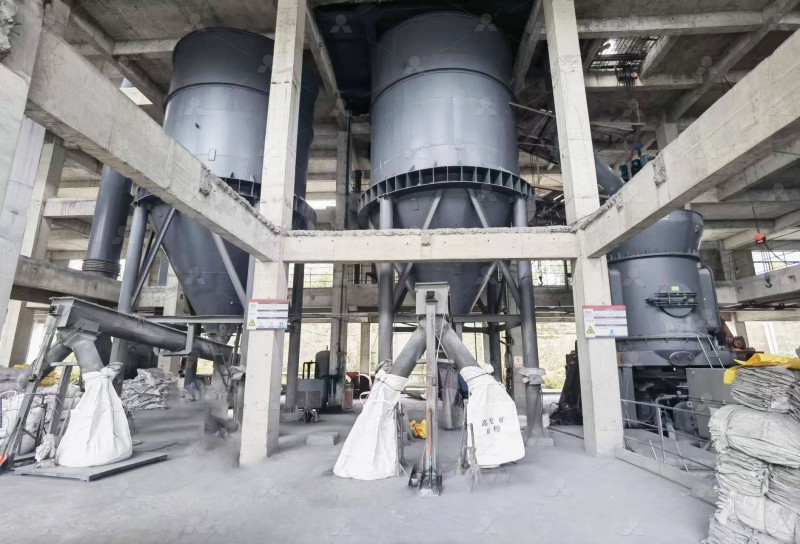
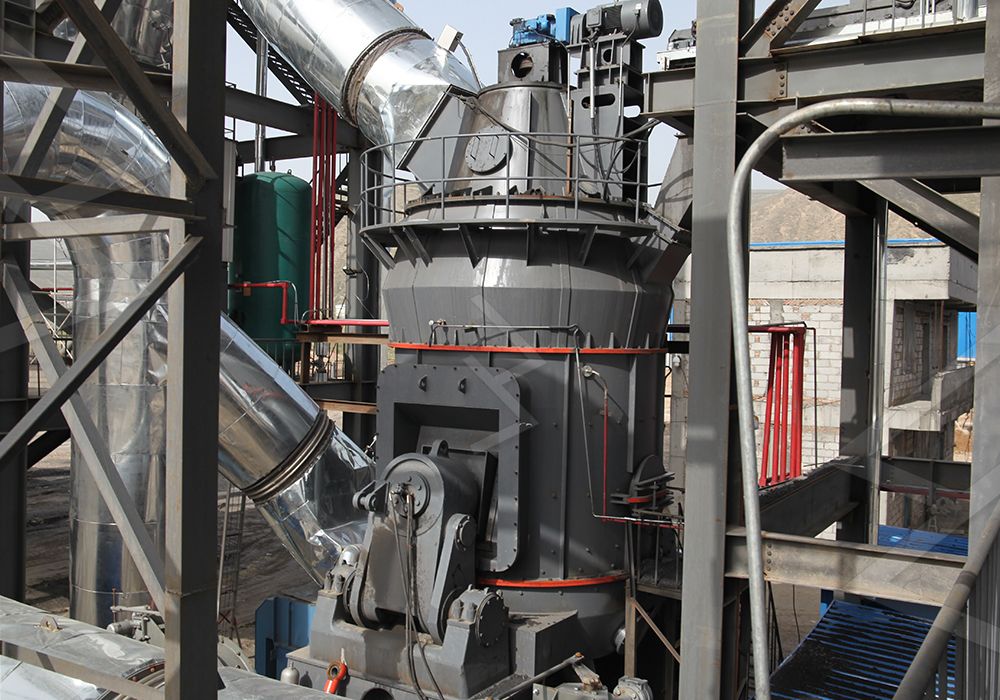
For operations focused specifically on industrial byproduct valorization, the LM Vertical Slag Mill stands out as a purpose-built solution. This mill integrates drying, grinding, powder selection, and conveying into one compact unit, covering approximately 50% less area than a ball mill system while reducing energy consumption by 30-40%.
Its design focuses on the unique challenges of slag. The grinding device achieves the integration of grinding and powder selection, ensuring high efficiency. Critical components are manufactured from high-performance wear-resistant materials, guaranteeing reliable operation and extended service life even with abrasive feedstocks. The system operates under negative pressure, ensuring a completely dust-free environment and meeting stringent environmental standards. With an input size of 38-65mm and a capacity range of 7-100 T/H, it is scalable for various production needs in cement plants and steel mill slag recycling facilities.
Beyond Slag: The Versatility of Ultrafine Grinding
While exceptional for slag, the underlying vertical mill technology is equally transformative for producing ultrafine powders from a broad spectrum of minerals. For applications demanding even higher fineness—such as in advanced chemicals, coatings, or functional fillers—mills capable of reaching 2500 mesh are required.
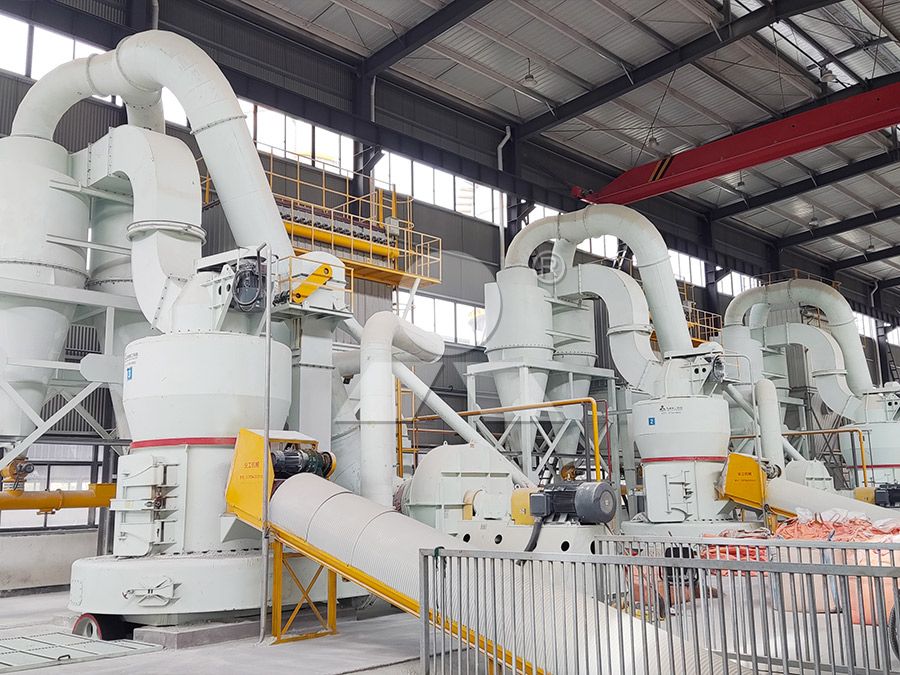
In this domain, the MW Ultrafine Grinding Mill represents a pinnacle of precision engineering. Designed for customers needing to make ultra-fine powder, it features a German-technology cage-type powder selector that allows precise fineness adjustment between 325-2500 meshes, with a high screening rate capable of achieving d97≤5μm in a single pass. Its innovative design eliminates rolling bearings and screws in the grinding chamber, removing common failure points and enabling worry-free, continuous 24-hour operation. Equipped with an efficient pulse dust collector and silencer, its entire production process is environmentally sound. With an input size of 0-20 mm and a capacity of 0.5-25 TPH, it is ideal for processing limestone, calcite, dolomite, talc, and other materials for high-value industries.
The journey from coarse industrial slag to a high-performance micro-powder is a testament to grinding technology’s innovation. Vertical mill systems, particularly specialized models like the LM Vertical Slag Mill and precision instruments like the MW Ultrafine Grinding Mill, provide the efficiency, control, and sustainability required to turn byproducts into valuable resources, closing the loop in industrial production and paving the way for a more circular economy.
Frequently Asked Questions (FAQ)
- What is the main advantage of a vertical mill over a traditional ball mill for slag grinding?
The primary advantages are significantly higher energy efficiency (30-50% less power consumption), integrated drying capability, a much smaller physical footprint, and superior product fineness control through integrated dynamic separators. - Can vertical mills handle moist slag materials?
Yes, this is a key strength. Vertical mills are designed as air-swept grinding systems. Hot gases can be introduced into the mill to dry the material simultaneously during the grinding process, eliminating the need for pre-drying. - What fineness can be achieved for slag powder suitable for concrete?
For optimal reactivity as an SCM, slag powder typically targets a Blaine fineness of 400-550 m²/kg. Modern vertical slag mills like the LM series can consistently achieve and exceed this range, with the ability to adjust fineness to meet specific customer specifications. - How does the maintenance requirement of a vertical slag mill compare to a ball mill?
Vertical mills generally have lower maintenance needs for routine operation. Their design features like external lubricating systems and reversible, hydraulically operated rollers allow for easier inspection and replacement of wear parts without major disassembly, reducing downtime. - Is the vertical mill system environmentally friendly?
Absolutely. The entire grinding process occurs under negative pressure, preventing dust emissions. Systems are equipped with high-efficiency pulse jet bag filters, ensuring dust collection rates over 99.9%. Noise levels are also considerably lower than those of ball mill systems. - What materials besides slag can be processed in vertical grinding mills?
Vertical mill technology is highly versatile. It is extensively used for grinding cement raw meal, clinker, coal, and non-metallic minerals like limestone, calcite, dolomite, barite, and talc. Ultrafine models like the MW series can process these into very high-fineness powders for specialized industries.