
Three-Ring Medium Speed Grinding Mill for Non-Ferrous Metal Ores
We provide a wide range of mills — including Raymond mill, trapezoidal mill, vertical mill, ultrafine mill, and ball mill, obtained ISO9001 international quality certification, EU CE certification, and Customs Union CU-TR certification. Suitable for processing minerals such as limestone, phosphate, quicklime, kaolin, talc, barite, bentonite, calcium carbonate, dolomite, coal, gypsum, clay, carbon black, slag, cement raw materials, cement clinker, and more.
The discharge range of these mills can be adjusted to meet specific processing needs, typically from 80-400 mesh, 600-3250 mesh, and can achieve the finest particle size of up to 6000 mesh(D50).
If you are looking for a reliable grinding solution to turn stone or minerals into fine powder, please feel free to contact our online customer service.
Three-Ring Medium Speed Grinding Mill for Non-Ferrous Metal Ores
In the demanding world of mineral processing, particularly for non-ferrous metal ores like copper, lead, zinc, and molybdenum, achieving the optimal balance between grinding efficiency, product fineness, and operational cost is paramount. Traditional ball mills, while reliable, often fall short in energy efficiency and produce a broad particle size distribution. This is where the advanced design of the Three-Ring Medium Speed Grinding Mill comes into play, offering a sophisticated solution tailored for modern ore beneficiation circuits.
The core principle of this mill revolves around a unique three-ring and roller configuration. Material is fed centrally onto a rotating grinding table. Under centrifugal force, it moves outward to the track of the grinding rings, where multiple grinding rollers, suspended from a rotating turnplate, apply pressure. The material is sequentially pulverized as it passes under these rollers. The “three-ring” design refers to the multi-layered grinding path, which significantly extends the material’s residence time in the grinding zone compared to single-pass systems. This ensures more consistent and complete size reduction in a single cycle.
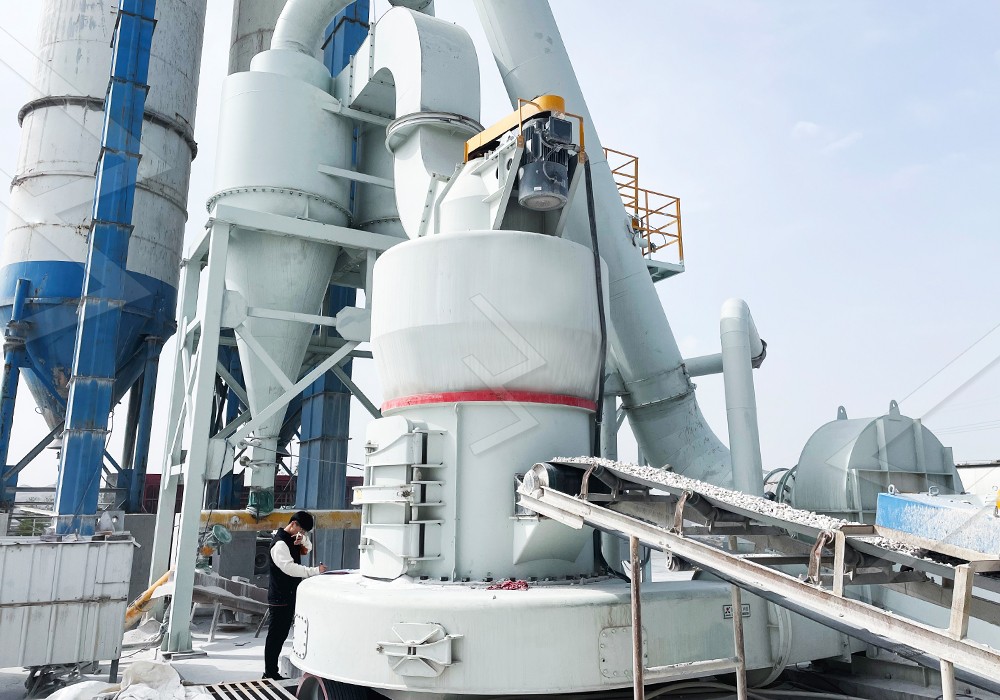
For non-ferrous ores, which often require liberation of valuable minerals from gangue at specific fineness levels, this controlled, multi-stage grinding action is a distinct advantage. It allows for targeted particle size reduction, minimizing over-grinding—a common issue that wastes energy and can create problematic slimes. The medium-speed operation strikes a perfect balance: it is fast enough to ensure high throughput yet controlled enough to reduce wear on grinding elements and minimize vibration, leading to remarkable operational stability.
Key Advantages for Ore Processing
The design translates into several tangible benefits for mining operations. First is its superior energy efficiency. The roller-and-ring grinding mechanism is inherently more efficient than the impact-and-attrition action of a ball mill, often reducing specific energy consumption by 30-40% for achieving comparable product sizes. Second, the enclosed system, coupled with an efficient negative pressure airflow, ensures a dust-free environment. This is critical for operator safety and environmental compliance, especially when processing fine ore powders.
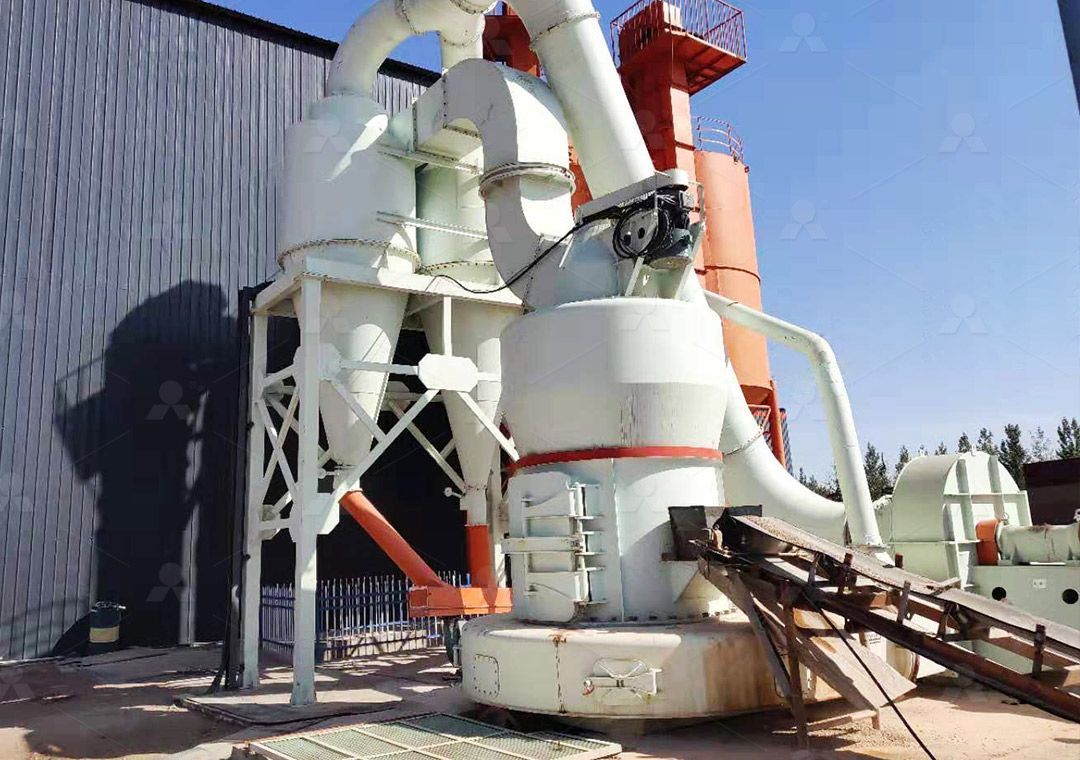
Third, the product fineness is easily adjustable, typically ranging from 80 to 800 mesh (180μm to 20μm). This is achieved through an integrated dynamic powder separator. By simply adjusting the speed of the separator’s rotor, operators can precisely control the cut-point, allowing the same mill to produce different product specifications for various downstream processes, such as flotation or leaching. The system’s intelligent airflow also aids in drying slightly moist feed materials during the grinding process.
Beyond the Standard: Advanced Solutions for Ultrafine Requirements
While the Three-Ring Medium Speed Mill excels in the coarse to fine grinding range, some advanced hydrometallurgical processes or specialty chemical applications demand ultra-fine powders. For these high-value, precision-grinding needs, our engineering portfolio offers a more specialized solution.
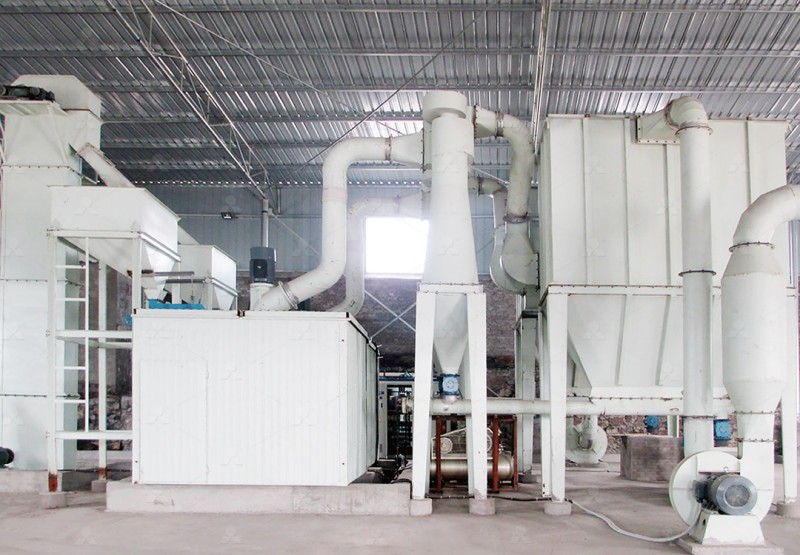
For customers requiring ultra-fine powders from non-metallic minerals or soft metallic ores, we highly recommend our MW Ultrafine Grinding Mill. This mill represents the pinnacle of fine grinding technology. It is engineered to produce powders between 325 and 2500 meshes (45μm to 5μm). A key innovation is its cage-type powder selector, which employs German technology for exceptionally sharp particle size cuts, achieving a d97 ≤5μm in a single pass. Furthermore, its grinding chamber is ingeniously designed with no rolling bearings or screws inside, eliminating major failure points and concerns about loose components contaminating the product. For operations prioritizing ultra-fine output, environmental stewardship, and worry-free maintenance, the MW series is an unparalleled choice.
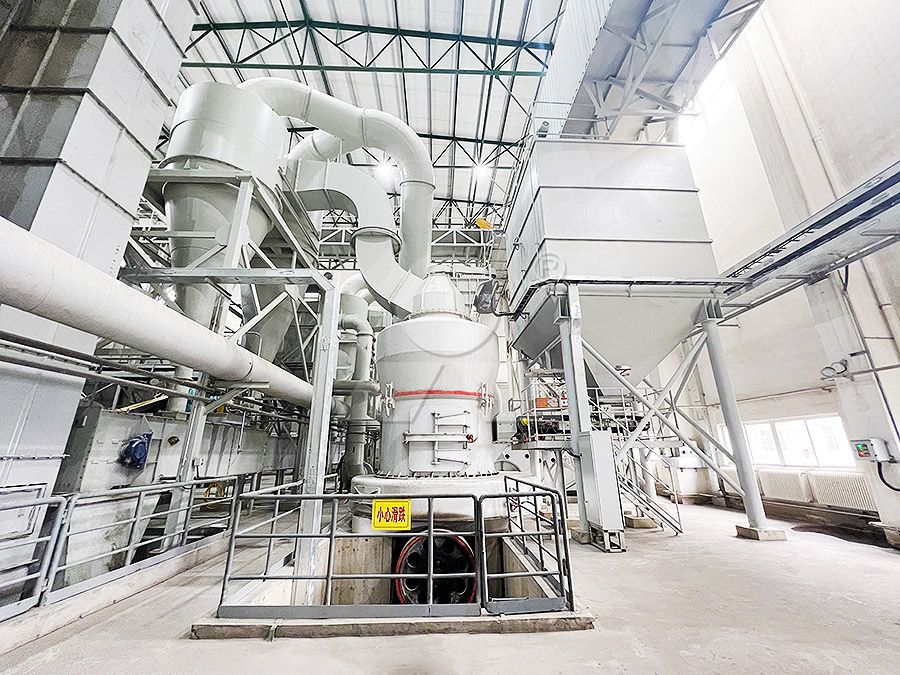
Another flagship product for high-efficiency, large-capacity grinding is the LUM Ultrafine Vertical Grinding Mill. Integrating grinding, classifying, and conveying, it is ideal for large-scale production. Its standout feature is the reversible grinding roller structure, which allows rollers to be easily swung out of the mill body for maintenance or liner replacement, drastically reducing downtime. This mill also incorporates double position-limiting technology, which protects the core from mechanical shock, ensuring exceptional operational stability for continuous 24/7 ore processing.
Conclusion
The Three-Ring Medium Speed Grinding Mill stands as a robust, efficient, and adaptable core for non-ferrous ore processing plants. Its design philosophy of multi-stage, controlled grinding directly addresses the industry’s needs for lower operating costs, better product control, and cleaner operations. For projects pushing the boundaries of fineness or requiring utmost reliability, our advanced MW and LUM series mills provide the necessary technological edge. Selecting the right grinding technology is a critical strategic decision, and these mills offer a future-proof foundation for efficient and profitable mineral beneficiation.
Frequently Asked Questions (FAQ)
- What is the main difference between a Three-Ring Medium Speed Mill and a traditional Raymond Mill?
The Three-Ring Mill features a multi-layered grinding path (three rings/curves) and a more advanced powder separator, leading to higher capacity, better energy efficiency, and a wider adjustable fineness range compared to the first-generation Raymond mill design. - Can this mill handle abrasive non-ferrous ores?
Yes. Critical wear parts like grinding rollers and rings are manufactured from high-performance wear-resistant alloys, significantly extending service life and reducing maintenance frequency even with abrasive materials. - How is the fineness of the final product controlled?
Fineness is primarily controlled by the integrated dynamic powder separator (classifier). Adjusting the rotor speed changes the centrifugal force, allowing precise selection of particle cut size. The grinding pressure can also be fine-tuned. - Is the system environmentally friendly?
Absolutely. The entire milling system operates under negative pressure, preventing dust leakage. It is equipped with high-efficiency pulse jet bag filters and silencers, ensuring emissions and noise levels meet stringent international environmental standards. - What is the typical moisture content the mill can handle without a pre-dryer?
The mill’s hot air system can simultaneously grind and dry materials with moisture content typically up to 10-15%, depending on the ore type and airflow temperature, often eliminating the need for separate drying equipment. - What kind of after-sales support is available?
We provide comprehensive support, including installation supervision, operator training, a guaranteed supply of original spare parts, and remote technical assistance to ensure worry-free long-term operation.