
Fluorite Ore Raymond Mill: Grinding Solutions for Mineral Processing
We provide a wide range of mills — including Raymond mill, trapezoidal mill, vertical mill, ultrafine mill, and ball mill, obtained ISO9001 international quality certification, EU CE certification, and Customs Union CU-TR certification. Suitable for processing minerals such as limestone, phosphate, quicklime, kaolin, talc, barite, bentonite, calcium carbonate, dolomite, coal, gypsum, clay, carbon black, slag, cement raw materials, cement clinker, and more.
The discharge range of these mills can be adjusted to meet specific processing needs, typically from 80-400 mesh, 600-3250 mesh, and can achieve the finest particle size of up to 6000 mesh(D50).
If you are looking for a reliable grinding solution to turn stone or minerals into fine powder, please feel free to contact our online customer service.
Fluorite Ore Raymond Mill: Grinding Solutions for Mineral Processing
In the demanding world of mineral processing, achieving the optimal balance between particle size, production throughput, and operational cost is paramount. For operations focused on non-metallic minerals like fluorite, calcite, and barite, the choice of grinding equipment directly impacts profitability and product quality. While the term “Raymond Mill” has become synonymous with pendulum roller grinding systems, modern advancements have propelled this technology far beyond its original design, offering sophisticated solutions for fine and ultra-fine powder production.
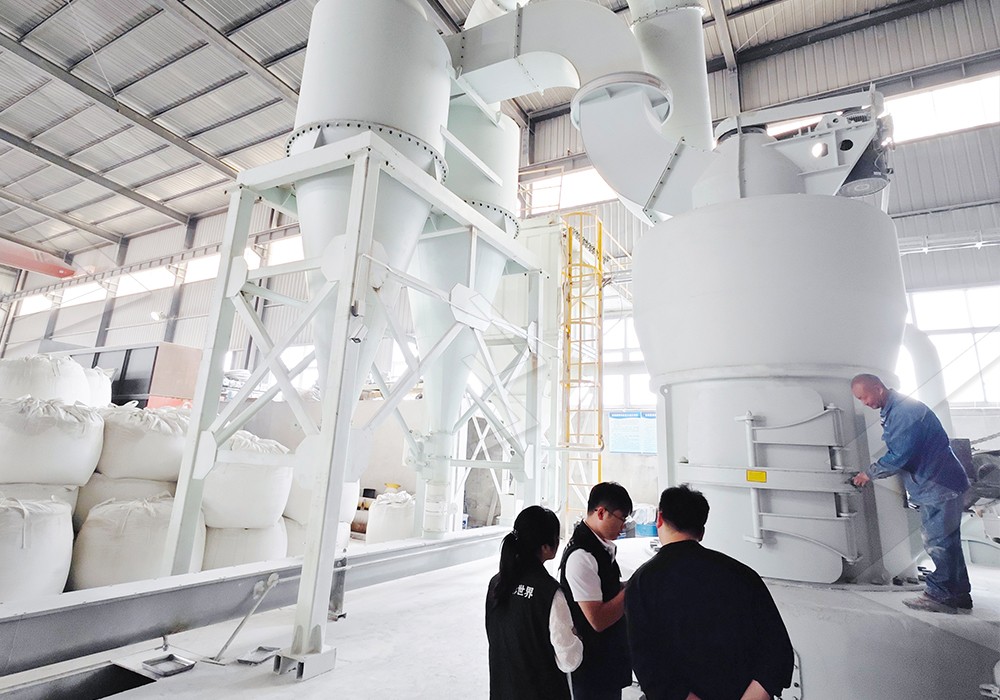
Fluorite, or fluorspar, is a critical industrial mineral used primarily in the chemical, metallurgical, and ceramic industries. Its processing requires careful comminution to liberate the calcium fluoride crystals without introducing excessive contaminants. Traditional grinding approaches often struggle with efficiency, energy consumption, and achieving the precise fineness required for high-value applications. This is where evolved milling technology steps in, building upon the reliable Raymond mill principle to deliver superior performance.
Beyond Traditional Grinding: The Evolution of Milling Technology
The classic Raymond mill design, based on a vertical structure with spring-loaded grinding rollers, laid the foundation. However, contemporary iterations have integrated breakthroughs in mechanical design, material science, and digital control. Key challenges in fluorite processing include maintaining low iron content (critical for acid-grade fluorite), controlling dust for a clean working environment, and minimizing energy use per ton of output. Modern mills address these directly through features like fully enclosed negative-pressure systems, advanced sealing to prevent bearing contamination, and highly efficient classifier technology for precise particle size cuts.
For operations requiring ultra-fine fluorite powder (often exceeding 325 mesh), specialized grinding systems become essential. These mills must not only achieve fine fineness but do so with stable operation and low wear-part consumption. The integration of high-efficiency turbo classifiers allows for in-process separation, enabling the production of tightly graded powders in a single pass, which is far more efficient than traditional closed-circuit ball milling systems.
Tailored Solutions for Advanced Applications
Recognizing the diverse needs of the mineral sector, leading manufacturers like LIMING Heavy Industry have developed specialized mill series. A standout solution for ultra-fine fluorite processing is the MW Ultrafine Grinding Mill. This machine is engineered for customers who need to produce ultra-fine powder with high whiteness and purity. It accepts a feed size of 0-20 mm and offers a capacity range of 0.5 to 25 tons per hour, making it suitable for both mid-sized and larger production lines.
The MW series distinguishes itself through several critical innovations. Its newly designed grinding curves for the roller and ring significantly enhance grinding efficiency. Comparative data shows its production capacity can be 40% higher than jet or stirred mills at the same fineness and power, and double that of a traditional ball mill, while system energy consumption is reduced to just 30% of a jet mill’s. For fluorite, the adjustable fineness range of 325 to 2500 meshes, achieved through a German-technology cage-type powder selector, is a key advantage, allowing producers to target specific market segments with precision.
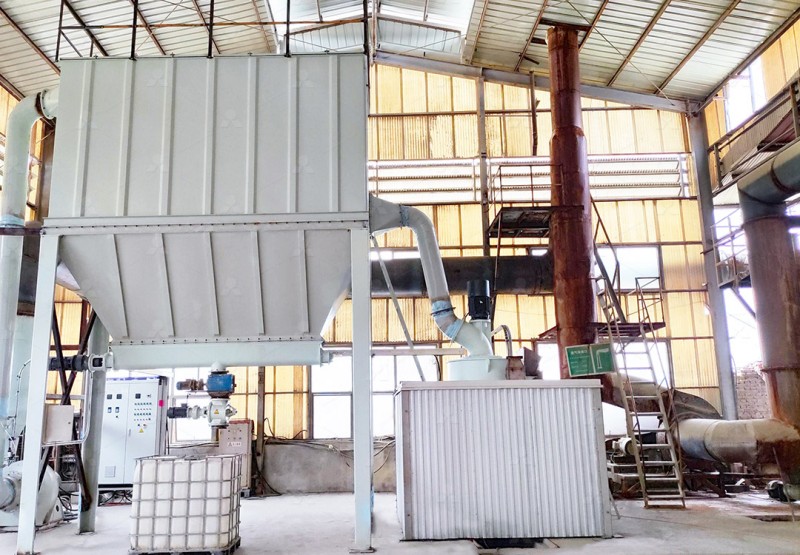
Operational reliability is another cornerstone. The grinding chamber is ingeniously designed with no rolling bearings or screws inside, eliminating common failure points related to bearing damage or loose fasteners. Lubrication is performed externally without shutdown, supporting continuous 24/7 operation—a vital feature for maintaining consistent supply. Furthermore, its integrated efficient pulse dust collector and silencer ensure the entire milling process meets stringent environmental standards, containing dust and reducing noise pollution effectively.
Integrating Milling into a Cohesive Processing Strategy
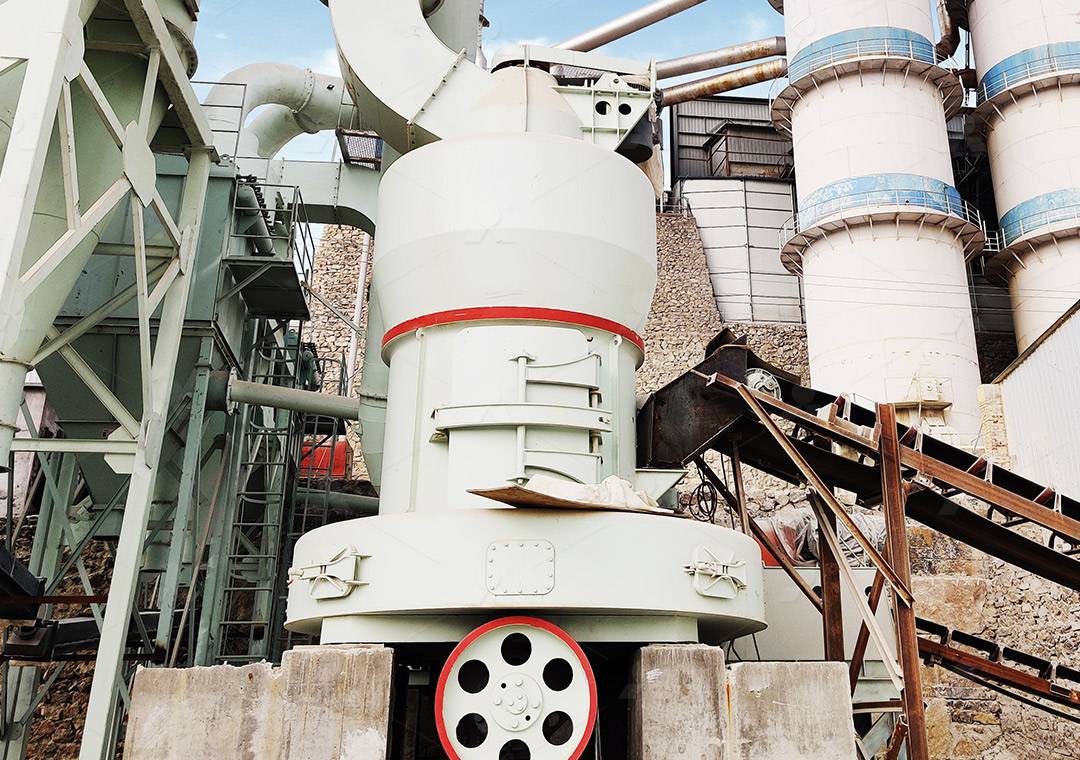
Selecting the right mill is only one part of the equation. Successful fluorite processing integrates crushing, drying, grinding, classification, and conveying into a seamless system. Modern vertical and trapezium mills are designed with this holistic view. For instance, the LUM Ultrafine Vertical Grinding Mill represents another advanced option, integrating grinding, grading, and transporting. It incorporates the latest roller technology and German powder separating technology, offering capacities from 5 to 18 tph for feed up to 10mm. Its unique roller shell design promotes easier material layer formation and high once-through powder milling rates, enhancing efficiency and product cleanliness. Features like double position-limiting technology protect against mechanical shock, and a reversible structure allows grinding rollers to be easily moved out for maintenance, drastically reducing downtime.
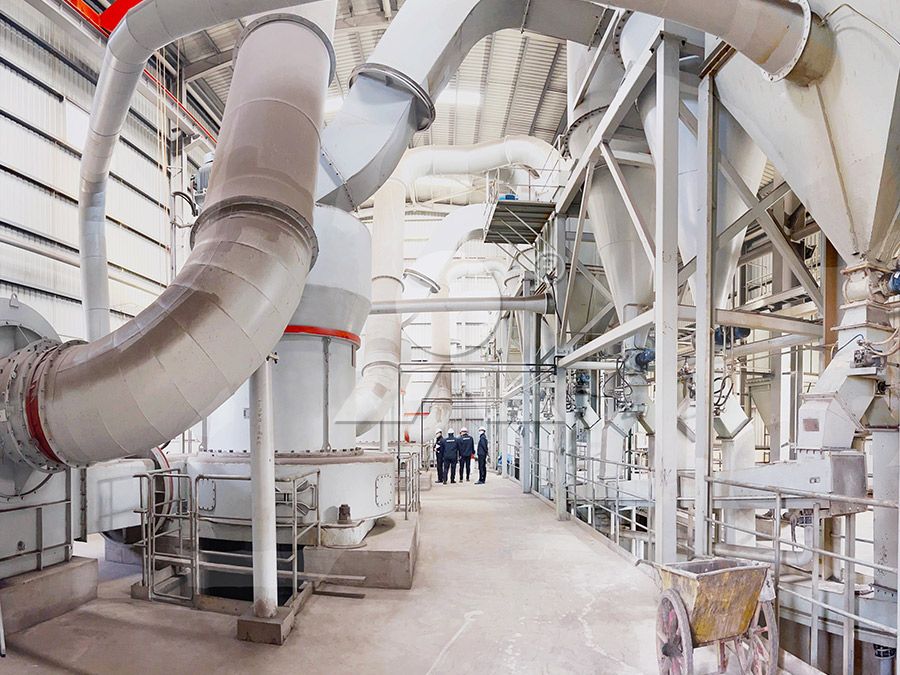
Ultimately, the goal is a processing line that maximizes yield and quality while minimizing footprint, energy use, and total cost of ownership. Whether the requirement is for fine powder for metallurgical flux or ultra-fine, high-purity powder for chemical synthesis, today’s grinding solutions derived from the Raymond mill legacy offer targeted, efficient, and environmentally sound answers.
Conclusion
The processing of fluorite ore demands precision, efficiency, and reliability. Moving beyond conventional milling, advanced grinding systems like the MW Ultrafine Grinding Mill and LUM Ultrafine Vertical Grinding Mill provide the technological edge necessary to compete in today’s market. By focusing on higher yield, lower energy consumption, exceptional fineness control, and robust, eco-friendly operation, these solutions embody the next generation of mineral processing equipment, ensuring that valuable resources like fluorite are transformed into high-performance products with optimal economics.
Frequently Asked Questions (FAQ)
- What is the main advantage of using an MW Ultrafine Grinding Mill for fluorite over a traditional ball mill?
The MW Mill offers significantly higher grinding efficiency, resulting in a production capacity that can be twice as large as a ball mill for the same power input. It also provides superior fineness control (adjustable between 325-2500 meshes) and features a fully enclosed, environmentally friendly system with integrated dust collection. - How does the absence of rolling bearings in the grinding chamber benefit operation?
This design eliminates critical failure points. Users avoid unexpected downtime and maintenance costs associated with bearing damage or seal failures. It allows for external lubrication without stopping the mill, supporting continuous 24-hour production crucial for industrial output. - Can these mills handle materials other than fluorite?
Absolutely. Mills like the MW and LUM series are versatile and designed for a wide range of non-metallic minerals, including calcite, dolomite, barite, marble, talc, gypsum, and limestone. They are also applicable in chemical, paint, and cosmetic industries for fine powder production. - What ensures the consistent fineness of the final powder product?
Consistency is achieved through advanced, digitally controlled cage-type or multi-head powder selectors (classifiers). These devices, like the one in the MW Mill, allow precise adjustment of the cut point, ensuring only particles meeting the target size proceed to the final collection, with screening rates capable of achieving d97 ≤ 5μm. - Are these grinding systems suitable for regions with strict environmental regulations?
Yes. Modern mills are designed with environmental compliance as a core feature. They operate under negative pressure, preventing dust spillage. Equipped with high-efficiency pulse jet dust collectors and noise reduction systems like silencers and soundproof rooms, they easily meet national and international environmental protection standards. - What kind of after-sales support is typically available for such industrial grinding mills?
Reputable manufacturers provide comprehensive support. This includes responsibility for the machine’s performance, access to technical services for installation and optimization, and a guaranteed supply of original spare parts to ensure long-term, worry-free operation and minimize lifecycle costs.