
Raymond Mill for Sale in Jilin: Industrial Grinding Solutions
We provide a wide range of mills — including Raymond mill, trapezoidal mill, vertical mill, ultrafine mill, and ball mill, obtained ISO9001 international quality certification, EU CE certification, and Customs Union CU-TR certification. Suitable for processing minerals such as limestone, phosphate, quicklime, kaolin, talc, barite, bentonite, calcium carbonate, dolomite, coal, gypsum, clay, carbon black, slag, cement raw materials, cement clinker, and more.
The discharge range of these mills can be adjusted to meet specific processing needs, typically from 80-400 mesh, 600-3250 mesh, and can achieve the finest particle size of up to 6000 mesh(D50).
If you are looking for a reliable grinding solution to turn stone or minerals into fine powder, please feel free to contact our online customer service.
Raymond Mill for Sale in Jilin: Industrial Grinding Solutions
For industries across Jilin province, from chemical processing to construction materials, the quest for efficient, reliable, and precise particle size reduction is a constant. The right grinding equipment is not merely a purchase; it’s a strategic investment in productivity, product quality, and operational cost control. While the classic Raymond Mill has served as a dependable workhorse for decades, modern industrial demands often require more advanced, specialized solutions.
Jilin’s diverse industrial base, encompassing sectors like mining, ceramics, and chemical manufacturing, processes a wide array of materials. Each material—from limestone and calcite to talc and barite—presents unique challenges in terms of hardness, moisture content, and desired final fineness. A one-size-fits-all approach to milling simply doesn’t suffice. The evolution of grinding technology has moved beyond basic pulverization to focus on energy efficiency, environmental compliance, and the ability to produce ultra-fine powders with consistent particle distribution.
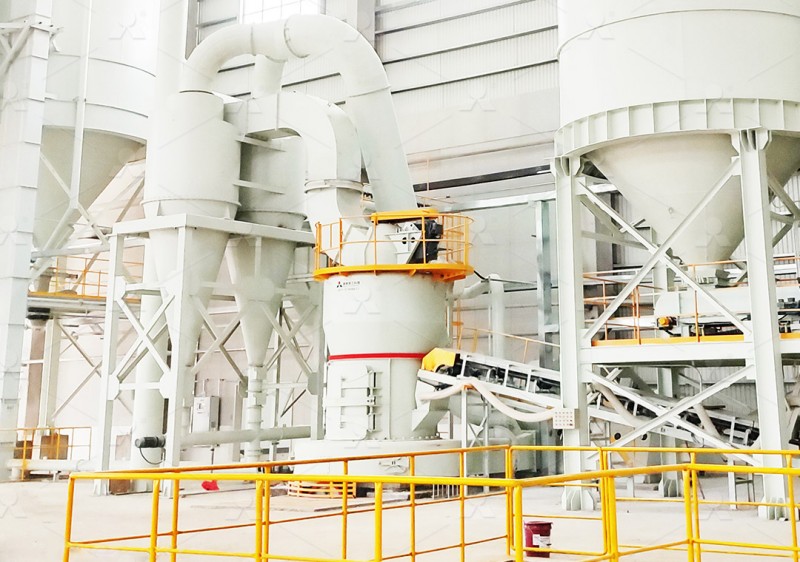
This is where considering a broader portfolio of grinding solutions becomes critical. For operations that have outgrown traditional Raymond Mills or require superior fineness and output, advanced mill designs offer transformative benefits. Two standout technologies that address these modern challenges are our MW Ultrafine Grinding Mill and the LUM Ultrafine Vertical Grinding Mill.
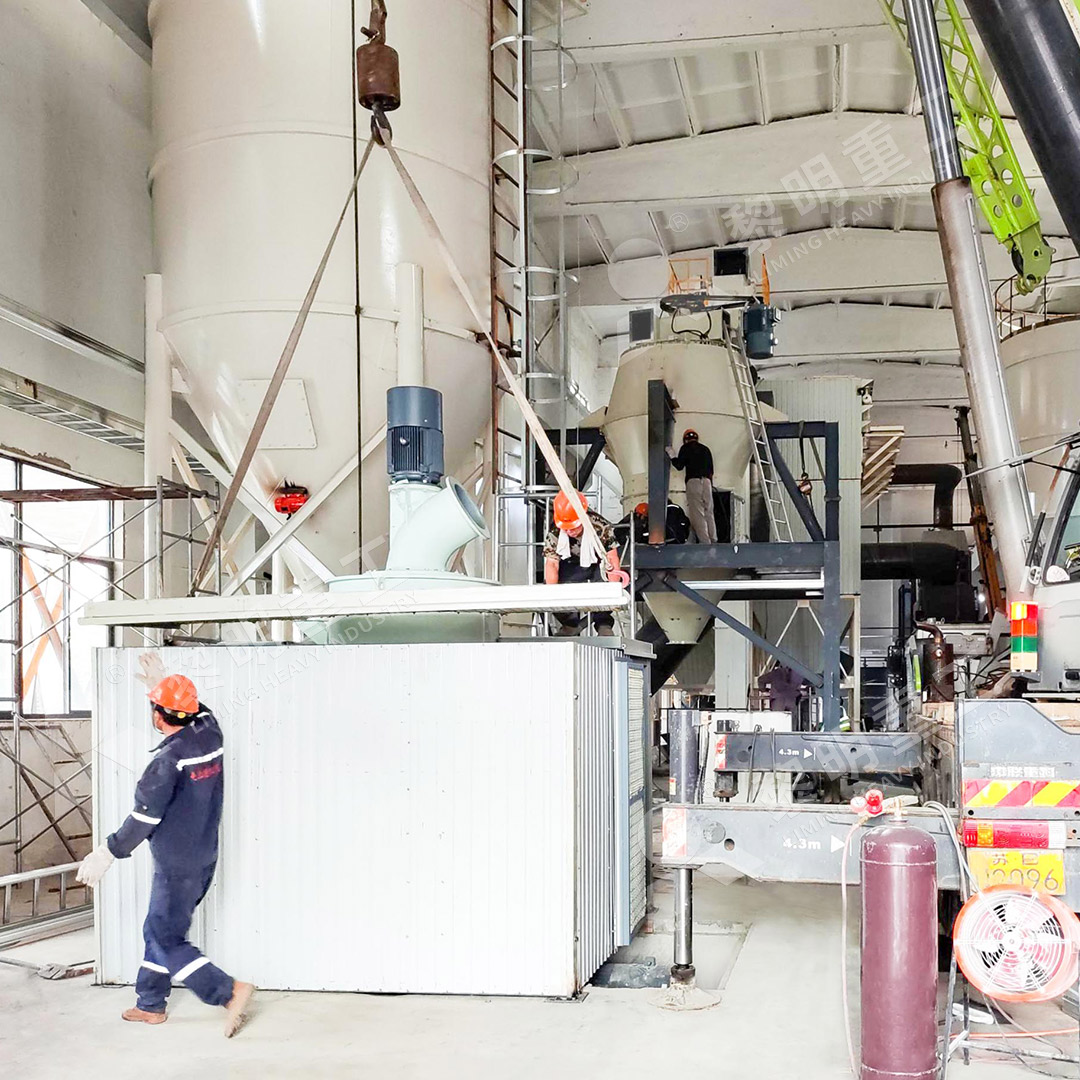
The MW Ultrafine Grinding Mill: Precision in Ultra-Fine Powder Production
Specifically engineered for customers who need to make ultra-fine powder, the MW Ultrafine Grinding Mill represents a leap forward in precision milling. With an adjustable fineness range between 325 and 2500 meshes, it caters to high-value applications in industries like cosmetics, pharmaceuticals, and high-performance plastics where particle size is paramount.
Its core advantages are significant. The newly designed grinding curves of the roller and ring enhance efficiency dramatically, yielding a production capacity up to 40% higher than jet or stirred mills at the same power consumption. A key design innovation is the absence of rolling bearings and screws inside the grinding chamber. This eliminates common failure points, freeing operators from concerns about bearing damage or loose screws causing catastrophic failure. Furthermore, its integrated efficient pulse dust collector and muffler system ensure the entire production process meets stringent environmental standards, a crucial consideration for sustainable operation in Jilin.
The LUM Ultrafine Vertical Grinding Mill: Integrated Efficiency and Stability
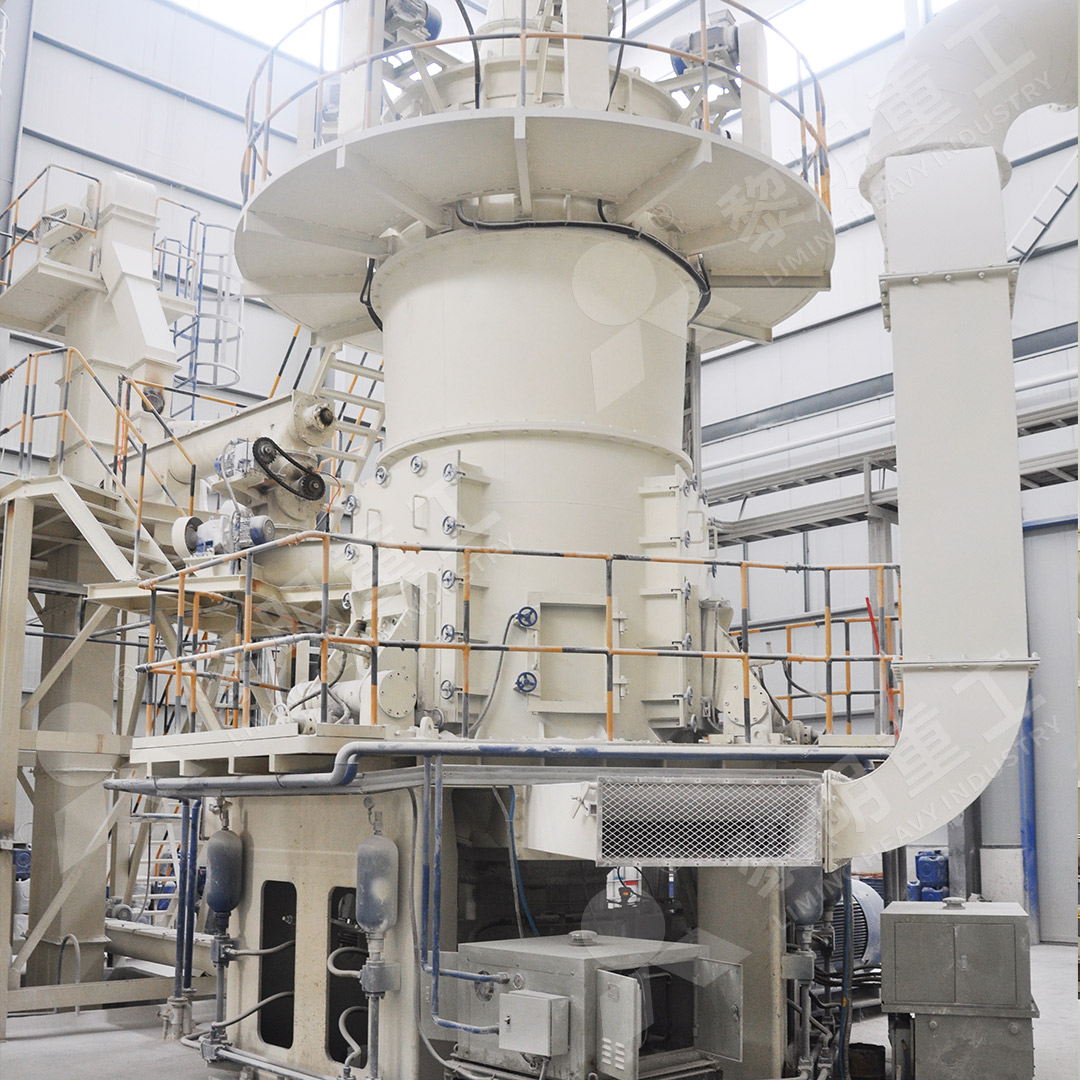
For operations prioritizing high yield, exceptional product quality, and easier maintenance, the LUM Ultrafine Vertical Grinding Mill is an exemplary choice. Independently designed with the latest grinding roller and powder separating technology, it integrates grinding, grading, and transporting into one highly efficient system.
Its unique roller shell and lining plate grinding curve promote easier material layer formation, enabling a high rate of finished product from a single pass. This not only boosts efficiency but also improves the whiteness and cleanliness of outputs like calcium carbonate. The mill incorporates a PLC control system and multi-head powder separating technology, allowing precise control over grinding parameters and reducing energy consumption by 30%-50% compared to conventional mills. A standout feature is its double position-limiting technology, which protects the mill from destructive vibrations, and its reversible structure that allows grinding rollers to be easily moved out for maintenance, drastically reducing downtime.
Choosing the Right Solution for Jilin’s Industries
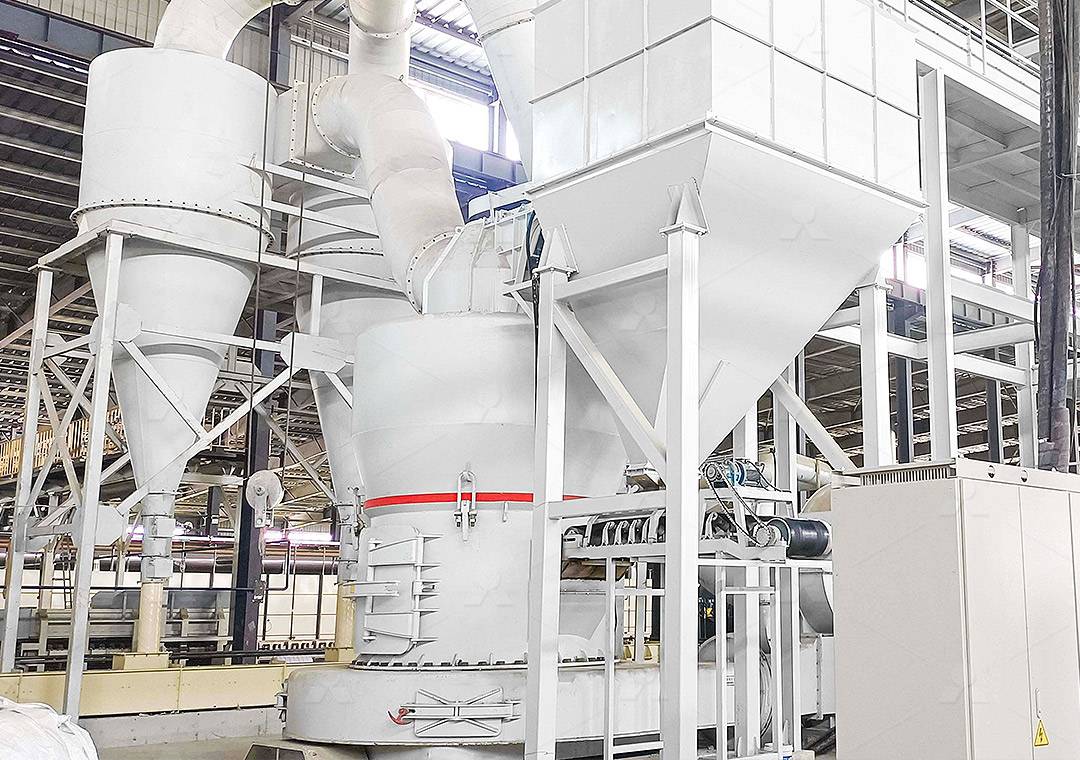
Selecting between these advanced options depends on your specific material, target fineness, and required capacity. The MW series excels in the ultra-fine range (up to 2500 mesh) with superior precision, while the LUM vertical mill offers remarkable energy savings and operational stability for high-volume production of fine powders. Both are backed by comprehensive technical support and a guaranteed supply of original spare parts, ensuring worry-free, long-term operation for plants throughout Jilin.
Upgrading your grinding circuit is a decisive step toward greater competitiveness. By moving beyond conventional Raymond Mill technology to these advanced systems, Jilin-based producers can achieve lower per-ton costs, higher product value, and a smaller environmental footprint.
Frequently Asked Questions (FAQs)
- What is the main difference between a traditional Raymond Mill and your advanced models like the MW or LUM mill?
Traditional Raymond Mills are excellent for coarse to medium fine grinding. Our advanced models are engineered for higher efficiency, much finer output (up to 2500 mesh), significantly lower energy consumption, and integrated environmental controls. They represent the next generation of grinding technology with features like external lubrication, PLC control, and advanced separator designs. - Can the MW Ultrafine Grinding Mill handle hard materials like quartz or feldspar?
The MW Mill is designed for medium-hard and soft non-metallic minerals. For extremely hard materials, we recommend consulting our technical team to assess the specific application. The mill’s robust construction and adjustable parameters make it suitable for a wide range, but material hardness and abrasiveness are key factors in model selection and wear-part life expectancy. - How does the energy savings of 30%-50% in the LUM Mill translate to operational costs?
This reduction directly lowers your electricity consumption per ton of product. For a mill running continuously, this can result in substantial annual cost savings, often justifying the investment in a relatively short period. It also contributes to your facility’s sustainability goals by reducing its carbon footprint. - Are these mills suitable for outdoor installation in Jilin’s climate?
Yes, both the MW and LUM series are designed with robust construction and can be arranged outdoors, which saves on building costs. Key electrical components and lubrication points are protected. We provide specific guidance for winterization in cold climates like Jilin to ensure optimal year-round performance. - What kind of after-sales support and spare parts availability can we expect?
We take full responsibility for every machine we produce. Our support includes comprehensive technical services, installation guidance, and operator training. Crucially, we guarantee a sufficient supply of original, high-quality spare parts—especially for core wear parts like grinding rollers and rings—to minimize downtime and ensure worry-free operation throughout the mill’s lifecycle. - How is dust control managed in these milling systems?
Both the MW and LUM mills are equipped with highly efficient pulse jet dust collectors as part of a closed, negative-pressure system. This ensures no dust pollution escapes during operation, keeping the work environment clean and fully compliant with national and international environmental protection standards.