
Complete Guide to Calcium Carbonate Grinding Plant Setup and Machinery
We provide a wide range of mills — including Raymond mill, trapezoidal mill, vertical mill, ultrafine mill, and ball mill, obtained ISO9001 international quality certification, EU CE certification, and Customs Union CU-TR certification. Suitable for processing minerals such as limestone, phosphate, quicklime, kaolin, talc, barite, bentonite, calcium carbonate, dolomite, coal, gypsum, clay, carbon black, slag, cement raw materials, cement clinker, and more.
The discharge range of these mills can be adjusted to meet specific processing needs, typically from 80-400 mesh, 600-3250 mesh, and can achieve the finest particle size of up to 6000 mesh(D50).
If you are looking for a reliable grinding solution to turn stone or minerals into fine powder, please feel free to contact our online customer service.
Complete Guide to Calcium Carbonate Grinding Plant Setup and Machinery
Establishing a calcium carbonate grinding plant is a significant investment that requires careful planning, from site selection and process design to the critical choice of grinding machinery. The performance of your grinding circuit directly impacts product quality, operational costs, and overall profitability. This guide outlines the key considerations for plant setup and explores the machinery options that can make your project a success.
1. Core Considerations for Plant Setup
A successful plant begins with a solid foundation. Key initial steps include:
- Feedstock Analysis: Thoroughly test the raw limestone or marble. Characteristics like moisture content, hardness (Mohs scale), feed size (typically 0-50mm), and desired final fineness (from coarse fillers at 200 mesh to ultra-fine GCC at 2500+ mesh) dictate the entire process flow.
- Process Flow Design: A standard circuit includes primary crushing, secondary crushing (if needed), raw material storage, grinding, classification, powder collection, and packaging. Drying may be integrated if moisture is high.
- Site & Infrastructure: Ensure adequate space for machinery, material flow, and future expansion. Reliable power supply and dust control systems are non-negotiable for both efficiency and environmental compliance.

2. The Heart of the Operation: Grinding Mill Selection
Selecting the right mill is paramount. The choice depends on capacity, target fineness, and energy efficiency goals. Here’s an overview of common technologies:
- Ball Mills & Raymond Mills: Traditional workhorses suitable for coarser grades. They are robust but often less energy-efficient for producing very fine powders and may have higher wear rates.
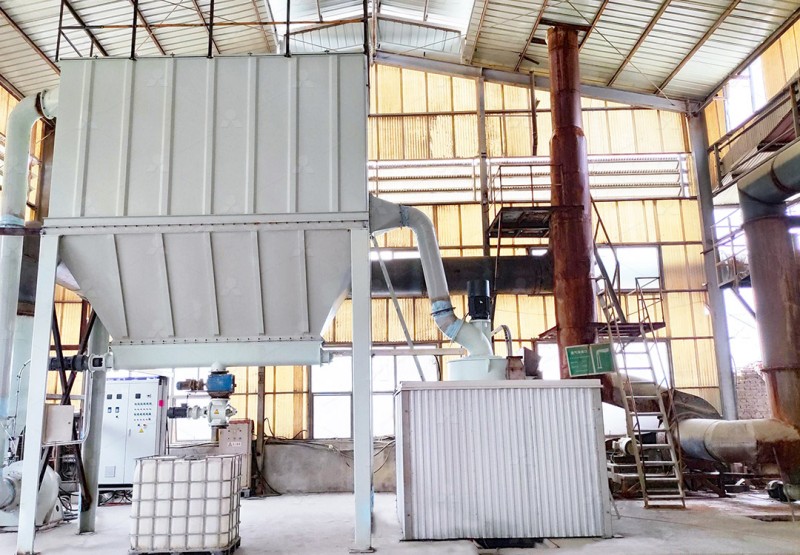
- Vertical Roller Mills (VRM): Like the LM Vertical Grinding Mill, these are excellent for medium to large-scale production (3-340 tph). They integrate drying, grinding, and classification, offering lower energy consumption and a smaller footprint. They are ideal for producing powders in the range of 80-400 mesh for industries like plastics and paints.
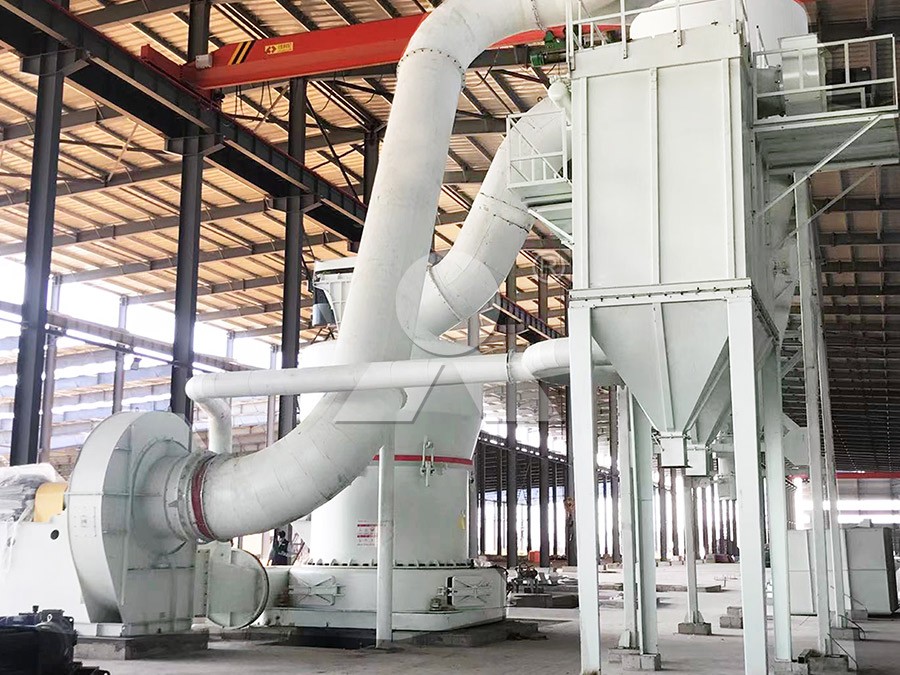
- European-Type Trapezium Mills: Such as the MTW/MTW-Z series, these are advanced versions of pendulum mills. They offer good efficiency for fine and ultra-fine grinding with features like curved air ducts and dilute oil lubrication for lower maintenance, suitable for 325-2500 mesh products.
3. Achieving Ultra-Fine Grades: The Specialized Solution
For high-value applications in pharmaceuticals, high-end plastics, coatings, and food additives, producing calcium carbonate with a fineness of 800 mesh and beyond (up to 2500 mesh) requires specialized technology. This is where ultrafine grinding mills excel.
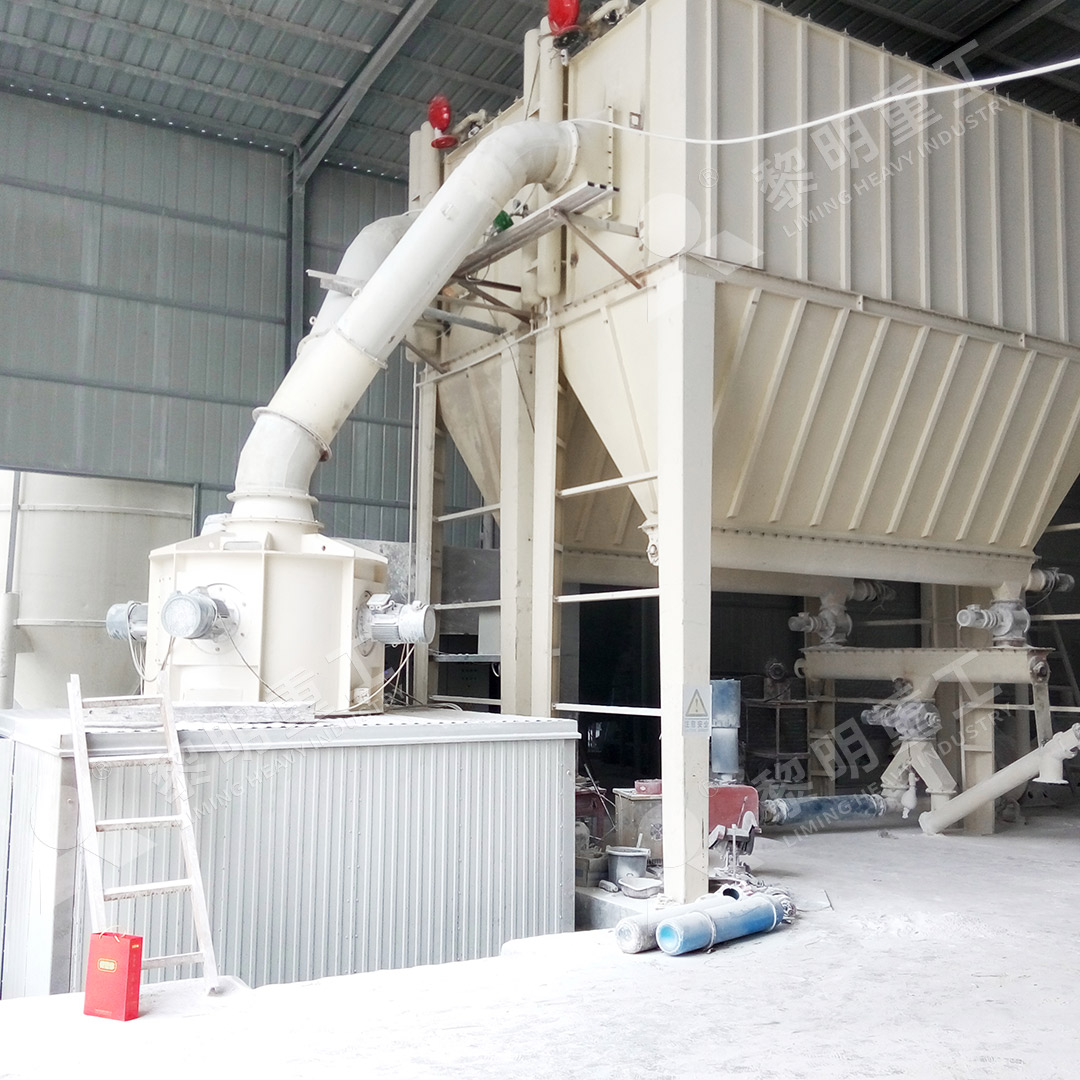
We highly recommend our MW Ultrafine Grinding Mill for such demanding applications. Engineered for precision and reliability, it is designed specifically for customers who need to make ultra-fine powder. Its innovative design features a cage-type powder selector with German technology, allowing precise adjustment of fineness between 325-2500 meshes, with a screening rate capable of achieving d97≤5μm in a single pass. A standout feature is its grinding chamber, which contains no rolling bearings or screws, eliminating common failure points and concerns about bearing damage or loose screws causing machine failure. This design ensures remarkable operational stability and longevity.
Furthermore, the MW series prioritizes environmental sustainability. It comes equipped with an efficient pulse dust collector and muffler, ensuring no dust pollution and low-noise operation that fully complies with national environmental protection standards. With a capacity range of 0.5-25 tph and an input size of 0-20 mm, it offers higher yield and lower energy consumption—reportedly 40% higher output than jet mills under the same power. For a plant focusing on premium ultra-fine GCC, the MW Ultrafine Grinding Mill represents a future-proof, worry-free investment.
4. Auxiliary Systems: Beyond the Grinding Mill
A mill cannot operate in isolation. Critical supporting systems include:
- Feed System: Consistent, controlled feeding via vibrating feeders or screw conveyors is crucial for stable mill operation.
- Classification System: Dynamic classifiers or separators are integral to modern mills (like the one in the MW series) to ensure on-spec fineness and recycle coarse particles.
- Dust Collection & Product Recovery: A high-efficiency pulse-jet baghouse or cyclone system is essential for product recovery and plant cleanliness.
- Automation & Control: A PLC-based control system monitors and adjusts parameters like feed rate, grinding pressure, and classifier speed, ensuring consistent quality and reducing manual intervention.
5. Ensuring Long-Term Success: Installation & Maintenance
Proper installation by qualified technicians lays the groundwork for smooth operation. A comprehensive maintenance plan focusing on wear parts inspection (roller shells, grinding rings), lubrication of external systems (a key advantage of the MW mill’s external lubrication design), and regular checks on classifiers and dust collectors will minimize unplanned downtime. Partnering with a manufacturer that provides complete technical support and a sufficient supply of original spare parts is invaluable for worry-free, continuous operation.
Frequently Asked Questions (FAQ)
1. What is the primary difference between a vertical roller mill and an ultrafine mill for calcium carbonate?
Vertical Roller Mills (e.g., LM series) are excellent for high-capacity production of fine powders (typically up to 400 mesh) and often integrate drying. Ultrafine Mills (e.g., MW series) are specialized for producing much finer powders (325-2500 mesh) with tighter particle size distribution for high-value applications. They employ advanced classification technology and are designed for maximum precision at higher fineness levels.
2. How important is the classifier in a grinding system?
Extremely important. The classifier (or separator) determines the final product fineness. It separates fine,合格 powder from coarse particles that need regrinding. Advanced classifiers, like the multi-head cage-type in the MW Ultrafine Mill, offer high precision, energy efficiency, and the ability to quickly adjust fineness to meet different customer demands.
3. Can your machinery handle wet or damp limestone?
Our Vertical Roller Mills (LM series) are designed with integrated drying capabilities and can handle materials with certain moisture content by introducing hot air. For the MW Ultrafine Grinding Mill, the feed material should ideally be dry. We recommend a pre-drying stage if your raw limestone has high surface moisture to achieve optimal grinding efficiency and prevent clogging.
4. What are the key advantages of the MW Ultrafine Mill’s “no rolling bearing in the chamber” design?
This design offers three major advantages: 1) Eliminates a major failure point – bearings inside the grinding chamber are subject to extreme stress and contamination; 2) Enables external lubrication – lubrication can be performed without shutting down the mill, supporting 24/7 continuous production; 3) Reduces maintenance complexity and cost – there is no risk of bearing seal failure contaminating the product or requiring complex in-chamber repairs.
5. How do you ensure consistent product quality?
Consistency is achieved through a combination of stable feed, precise mill operation (controlled grinding pressure/speed), and a high-precision classifier. Our mills feature digitalized processing for high manufacturing precision and advanced automation controls (PLC systems) that allow operators to accurately maintain key parameters. The short material residence time in mills like the LM and MW series also reduces over-grinding and helps maintain consistent chemical properties.
6. What kind of after-sales support can we expect?
We take full responsibility for every machine we produce. Our support includes comprehensive installation guidance, operator training, and the provision of technical services. Crucially, we maintain a sufficient supply of original spare parts to ensure long-term, worry-free operation and minimize downtime for our customers.