
How Much Does a Raymond Mill Cost? Price Guide & Factors
We provide a wide range of mills — including Raymond mill, trapezoidal mill, vertical mill, ultrafine mill, and ball mill, obtained ISO9001 international quality certification, EU CE certification, and Customs Union CU-TR certification. Suitable for processing minerals such as limestone, phosphate, quicklime, kaolin, talc, barite, bentonite, calcium carbonate, dolomite, coal, gypsum, clay, carbon black, slag, cement raw materials, cement clinker, and more.
The discharge range of these mills can be adjusted to meet specific processing needs, typically from 80-400 mesh, 600-3250 mesh, and can achieve the finest particle size of up to 6000 mesh(D50).
If you are looking for a reliable grinding solution to turn stone or minerals into fine powder, please feel free to contact our online customer service.
How Much Does a Raymond Mill Cost? Price Guide & Factors
As a cornerstone of industrial milling for over a century, the Raymond mill remains a popular choice for fine powder processing. However, asking “How much does a Raymond mill cost?” is akin to asking the price of a car—the answer varies dramatically based on specifications, capacity, and features. This guide will demystify the pricing structure and highlight key factors that influence your investment, helping you make an informed decision for your operation.
Understanding the Price Spectrum: From Basic to Advanced Systems
A traditional, standard-configuration Raymond mill can have a starting price that is relatively accessible for small to medium-scale operations. However, this base price is just the beginning. The final cost is a composite of the core mill, auxiliary equipment (like crushers, feeders, elevators, and dust collectors), electrical systems, and installation. A complete, turnkey powder production line will represent a significantly higher investment than the standalone grinding unit.
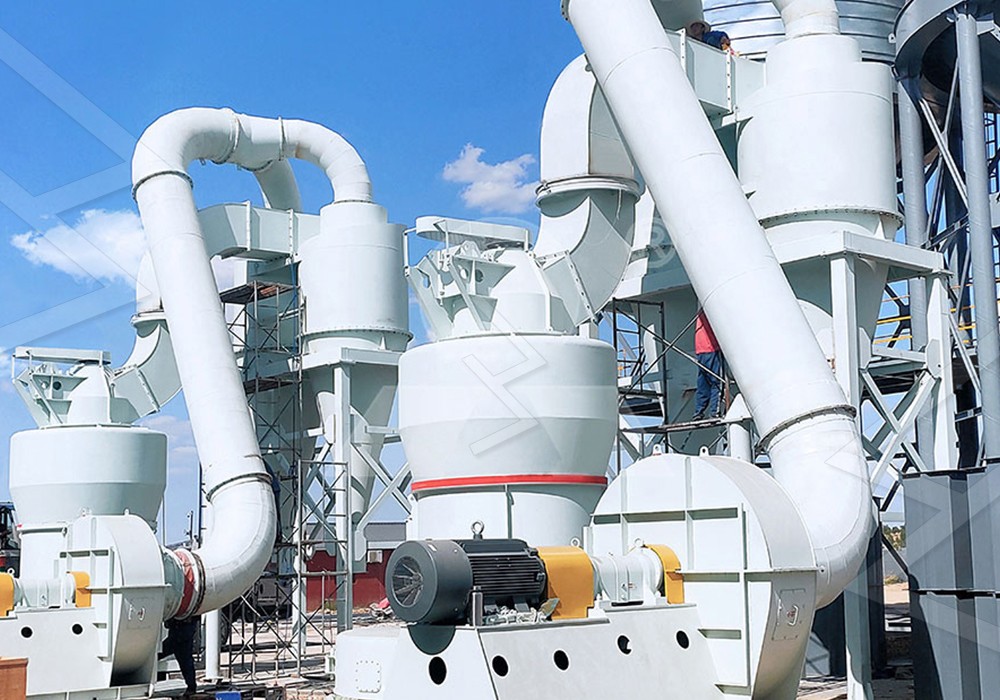
Modern iterations and technological upgrades have expanded the Raymond mill concept. While the classic R-series mill offers reliability for processing materials like coal, coke, and limestone at capacities up to 5 tph, many operations now require higher output, finer powders, or more advanced automation. This is where next-generation mills enter the picture, offering enhanced performance at a different price point that reflects their advanced engineering.
Key Factors That Determine the Final Cost
Several critical elements directly impact the bottom line:
- Capacity & Output (tph): This is the primary driver. A mill rated for 3 tph will cost less than one designed for 25 tph. Your required production volume dictates the size and power of the entire system.
- Fineness Requirements: Achieving ultra-fine powders (e.g., 800 mesh and beyond) necessitates more sophisticated internal classifiers, precision grinding curves, and often higher-powered systems, increasing the cost.
- Material Characteristics: Grinding abrasive materials (like quartz or zircon sand) requires wear parts made from special alloys, impacting both initial cost and long-term maintenance expenses. Moisture content may also mandate integrated drying systems.
- Level of Automation & Control: A basic manual control panel is standard. PLC-based automated control systems that monitor pressure, temperature, and fineness in real-time add cost but improve consistency, efficiency, and reduce labor.
- Environmental & Safety Standards: Integrated high-efficiency pulse dust collectors and noise suppression systems are no longer optional in most regions. The quality and capacity of this ancillary equipment are crucial for compliance and add to the project cost.
- Manufacturer & After-Sales Support: Established manufacturers with proven track records may command a premium, but this is often justified by reliable performance, comprehensive warranties, and access to genuine spare parts and technical support—factors that reduce total lifecycle cost.
Beyond Traditional Raymond: Considering Advanced Grinding Solutions
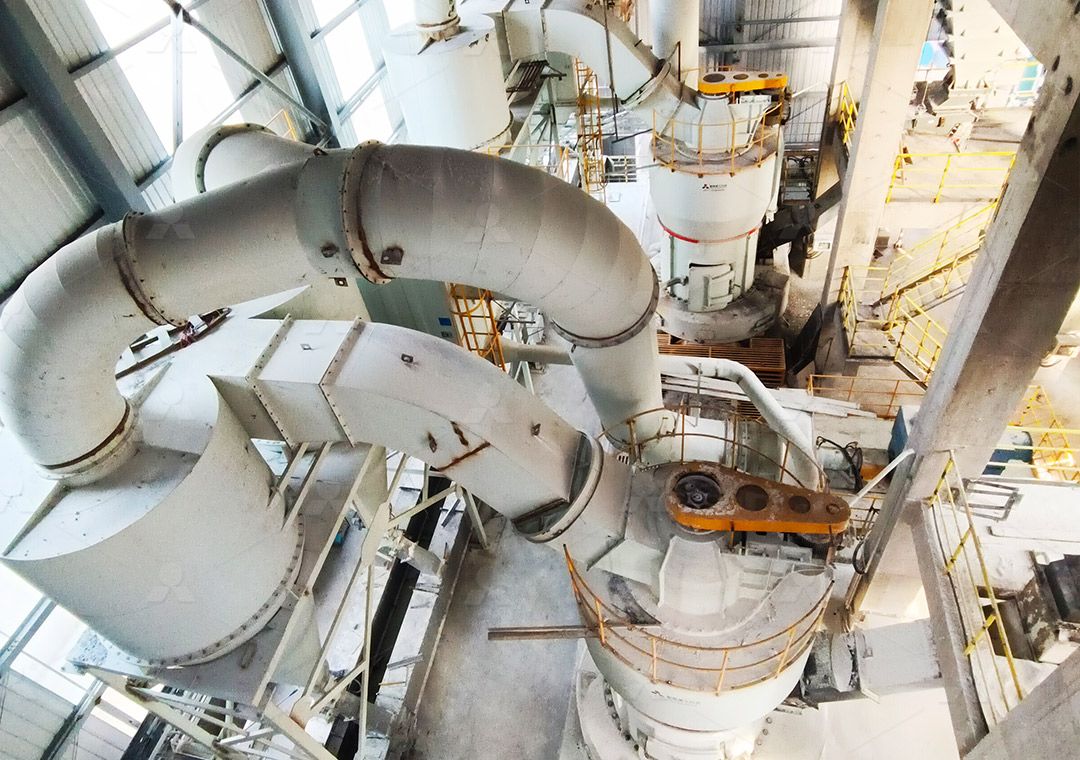
For operations demanding higher capacity, superior energy efficiency, or the ability to produce ultra-fine powders, modern vertical roller mills and enhanced trapezium mills present a compelling alternative. While their initial capital outlay may be higher than a basic Raymond mill, their operational savings and performance can lead to a faster return on investment.
A prime example is our MW Ultrafine Grinding Mill. Engineered for customers who need to make ultra-fine powder between 325-2500 meshes, it represents the next evolution in grinding technology. It features a highly efficient cage-type powder selector based on German technology for precise classification. Notably, its innovative design has no rolling bearings or screws in the grinding chamber, eliminating common failure points and allowing for external lubrication without shutdown. With a capacity range of 0.5-25 tph and a system energy consumption reported to be only 30% of some jet mills, the MW Series offers a high-yield, low-maintenance, and eco-friendly solution for processing minerals like calcite, talc, and barite.
For high-volume production of fine powders, our LUM Ultrafine Vertical Grinding Mill is another standout. Integrating grinding, classifying, and conveying, it boasts a unique roller and lining plate grinding curve that promotes efficient material bed formation. Its multi-head powder separating technology and PLC control system allow for precise cuts and fast switching between product grades, reducing energy consumption by 30%-50% compared to ordinary mills. Features like double position-limiting technology and a reversible roller structure ensure operational stability and simplify maintenance, making it an intelligent choice for large-scale operations.
Total Cost of Ownership: A Broader Perspective
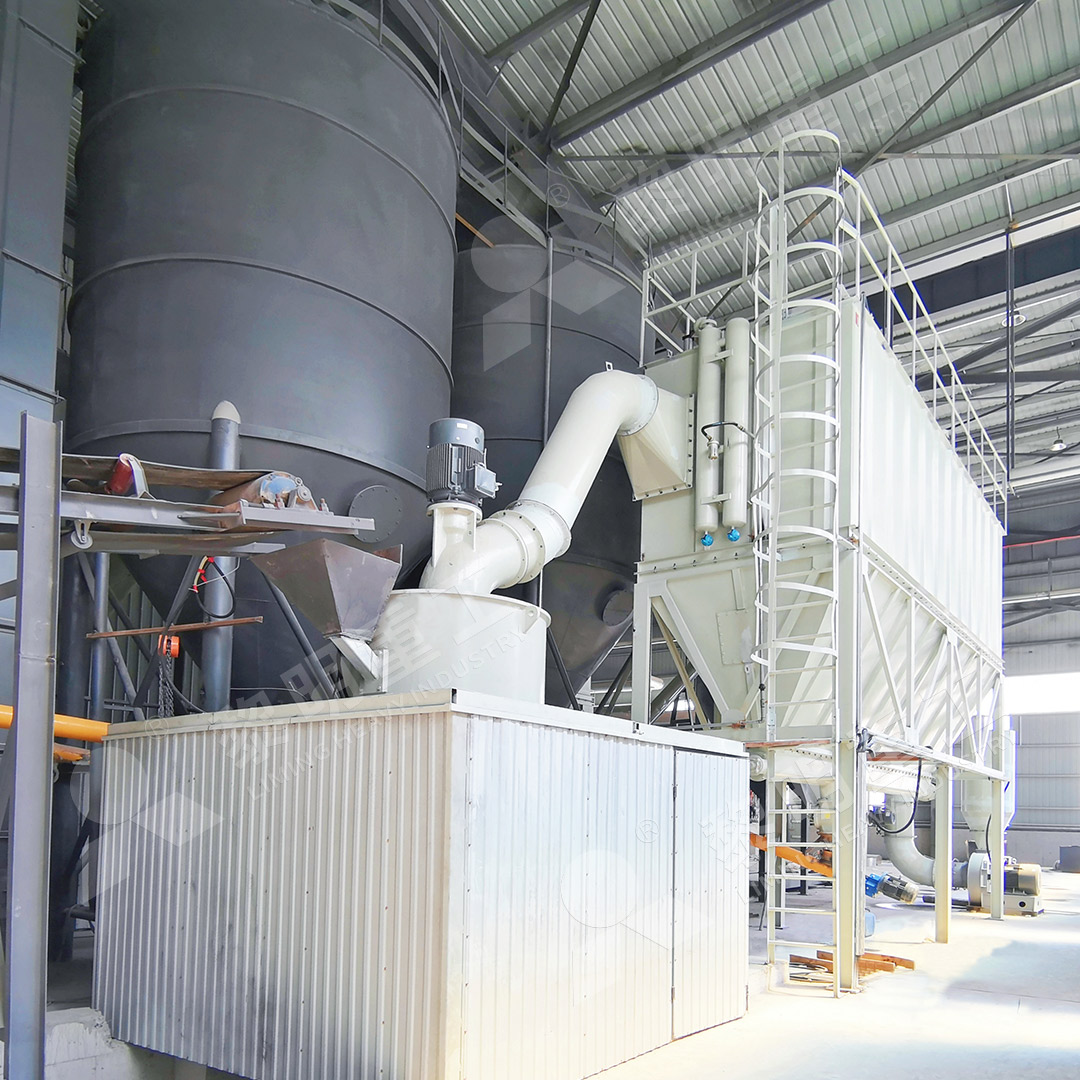
The purchase price is just one component. A professional evaluation must consider the Total Cost of Ownership (TCO):
- Energy Consumption: This is the largest ongoing expense. More efficient mills, though sometimes pricier upfront, can save thousands annually in power costs.
- Wear Part Consumption & Maintenance: Evaluate the cost, lifespan, and ease of replacement for grinding rollers, rings, and liners. Mills designed for easy maintenance reduce downtime costs.
- Operational Labor: Automated systems require less manual intervention, lowering long-term labor costs.
- Yield and Product Quality: A mill that produces a higher percentage of in-spec material on the first pass and offers consistent quality minimizes waste and maximizes revenue.
Making the Right Investment
Determining the cost of a Raymond mill—or any grinding mill—requires a clear analysis of your specific needs: desired output, product fineness, material properties, and site conditions. We recommend consulting directly with our engineering team. By sharing your project parameters, we can provide a detailed quotation for a system—whether a traditional Raymond setup or a more advanced solution like the MW or LUM series—that delivers optimal value and performance for your investment, ensuring your operation is productive and profitable for years to come.
Frequently Asked Questions (FAQ)
1. What is the typical price range for a complete Raymond mill production line?
Prices can range significantly from tens of thousands to several hundred thousand US dollars. A small, basic system for low-capacity, coarse grinding starts at the lower end. A large, fully automated line with advanced pollution control and ultra-fine grinding capability will be at the higher end. A detailed quote based on your specific requirements is essential.
2. Besides the mill itself, what other major costs should I budget for?
Key additional costs include: auxiliary equipment (jaw crusher, elevator, vibrating feeder, silo), high-efficiency dust collection system, electrical control cabinet and motors, installation and commissioning services, foundation construction, and potential costs for shipping and customs clearance.
3. How does the MW Ultrafine Grinding Mill differ from a traditional Raymond mill?
The MW Mill is designed for much finer powder production (up to 2500 mesh vs. typically up to 425 mesh for standard Raymond mills). It uses a different grinding principle and a advanced cage-type separator for higher precision. Its design eliminates internal bearings in the grinding zone, enhancing reliability and allowing non-stop lubrication, which is ideal for continuous, high-purity production.
4. What are the main operational cost savings with mills like the LUM Vertical Mill?
The primary savings come from drastically lower energy consumption (30-50% less than many traditional mills), reduced wear part costs due to optimized grinding curves, and lower maintenance labor costs thanks to features like the reversible roller structure for easy access.
5. How long does it typically take to install and commission a new mill system?
For a standard system, installation and commissioning typically take between 2 to 8 weeks, depending on the complexity of the system, the readiness of the foundation and utilities on site, and the scale of the project. Our engineers provide guidance throughout the process to ensure a smooth startup.
6. Do you provide spare parts and technical support after purchase?
Yes. We maintain a sufficient supply of original spare parts for all our equipment, including the MW and LUM mills. We offer comprehensive after-sales technical support, which can include installation guidance, operational training, maintenance manuals, and remote or on-site troubleshooting assistance to ensure worry-free operation.