
Limestone Grinding Mill for 160 Mesh Powder Production
We provide a wide range of mills — including Raymond mill, trapezoidal mill, vertical mill, ultrafine mill, and ball mill, obtained ISO9001 international quality certification, EU CE certification, and Customs Union CU-TR certification. Suitable for processing minerals such as limestone, phosphate, quicklime, kaolin, talc, barite, bentonite, calcium carbonate, dolomite, coal, gypsum, clay, carbon black, slag, cement raw materials, cement clinker, and more.
The discharge range of these mills can be adjusted to meet specific processing needs, typically from 80-400 mesh, 600-3250 mesh, and can achieve the finest particle size of up to 6000 mesh(D50).
If you are looking for a reliable grinding solution to turn stone or minerals into fine powder, please feel free to contact our online customer service.
Limestone Grinding Mill for 160 Mesh Powder Production
In the realm of industrial mineral processing, the production of high-quality limestone powder at a specific fineness, such as 160 mesh (approximately 96 microns), presents a unique set of challenges. Achieving consistent particle size distribution, maintaining high throughput, and ensuring energy-efficient operation are paramount for profitability and product quality. This article delves into the technical considerations for 160-mesh limestone powder production and explores advanced milling solutions that meet these rigorous demands.
The Significance of 160 Mesh in Limestone Applications
Limestone powder at 160 mesh finds extensive applications across diverse industries. In construction, it serves as a crucial filler in asphalt, concrete, and paints, enhancing density and durability. The agricultural sector utilizes it as a soil conditioner to neutralize acidity. Furthermore, it is a fundamental raw material in the manufacturing of glass, ceramics, and as a desulfurizing agent in power plants. The 160-mesh specification represents a sweet spot where the powder offers optimal surface area for chemical reactivity and physical performance while remaining economical to produce in large volumes. Consistency at this fineness directly impacts the performance of the end product, making the choice of grinding technology critical.
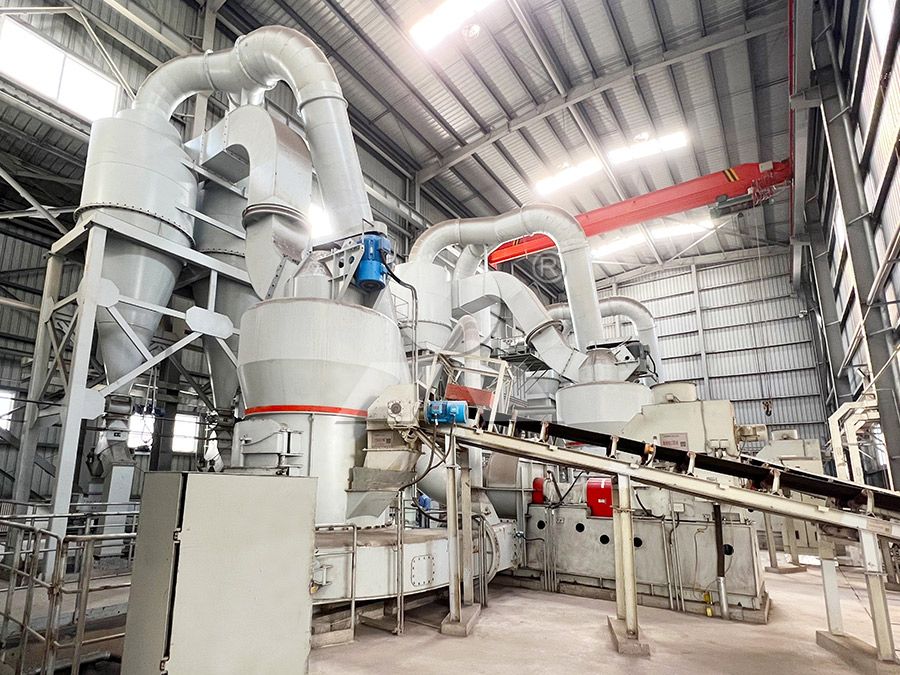
Key Challenges in Fine Limestone Grinding
Producing powder at 160 mesh efficiently requires overcoming several operational hurdles. Traditional grinding methods, such as ball mills, often suffer from high energy consumption, significant wear on grinding media, and excessive heat generation, which can affect the material’s properties. Furthermore, achieving a narrow particle size distribution without excessive fines (over-grinding) is difficult with older technologies. Dust control and noise pollution are also major environmental and workplace concerns that modern facilities must address. Therefore, the ideal grinding mill must offer precise particle size control, robust construction for continuous operation, and integrated systems for environmental protection.
Advanced Milling Technology: The Path to Efficiency
The evolution of grinding technology has led to the development of vertical roller mills and advanced trapezium mills, which have largely superseded older Raymond mill designs for high-capacity, fine grinding applications. These modern mills employ a grinding principle where material is crushed and ground between rotating rollers and a stationary grinding ring or table. This method is inherently more energy-efficient than impact-based or tumbling ball mills. A critical component in achieving precise 160-mesh powder is the integrated high-efficiency powder separator (or classifier), which instantly removes fine particles from the grinding zone, preventing over-grinding and allowing for real-time fineness adjustment.
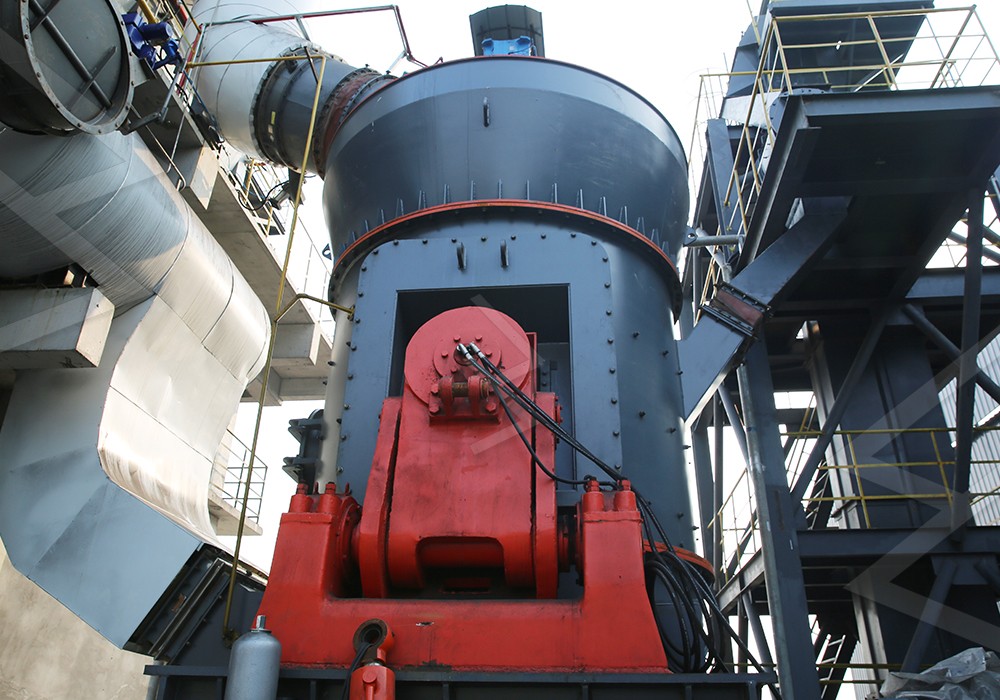
Recommended Solution: MW Ultrafine Grinding Mill
For operations specifically targeting fine powders like 160 mesh with ambitions for even finer grades, the MW Ultrafine Grinding Mill stands out as a premier choice. Engineered for customers requiring ultra-fine powder, this mill excels in the 160-mesh range and far beyond. Its cage-type powder selector, incorporating German technology, provides exceptional precision in particle separation, ensuring a sharp cut and high screening rate. Notably, the MW series offers a significant advantage in operational stability; its grinding chamber contains no rolling bearings or screws, eliminating common failure points and concerns about loose components causing damage. This design allows for external lubrication without shutdown, supporting true 24/7 continuous production.
Beyond reliability, the MW Ultrafine Grinding Mill is built for performance and sustainability. It delivers higher yield with lower energy consumption—achieving up to 40% higher capacity than jet mills for the same power input. From an environmental standpoint, the mill is equipped with an efficient pulse dust collector and muffler system, ensuring the entire production process meets stringent national environmental standards with minimal dust and noise emission. With an adjustable fineness range of 325-2500 meshes, it provides exceptional flexibility for future product development.
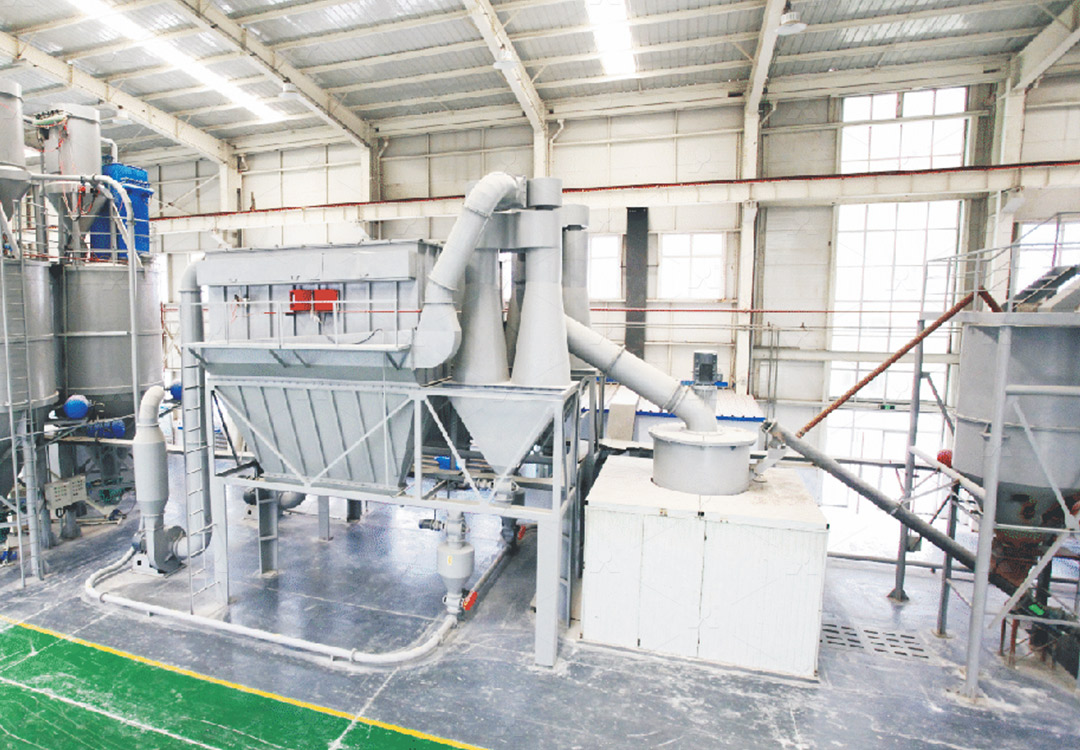
System Integration and Support
Successful powder production extends beyond the mill itself. A complete system includes jaw crushers for primary size reduction, elevators, vibrating feeders, and sophisticated dust collection units. Modern mills feature digitalized processing with CNC-machined core parts for higher precision and durability. Perhaps most importantly, selecting a supplier that guarantees sufficient supply of original spare parts and provides comprehensive technical support is essential for worry-free, long-term operation. This ensures maximum uptime and protects your investment.
Conclusion
Selecting the right limestone grinding mill for 160-mesh powder production is a strategic decision that impacts product quality, operational cost, and environmental compliance. Moving beyond conventional technology to advanced solutions like the MW Ultrafine Grinding Mill enables producers to achieve superior efficiency, remarkable product consistency, and sustainable operation. By focusing on mills with precise classification, robust design, and integrated environmental controls, businesses can secure a competitive edge in the dynamic market for industrial limestone powders.
Frequently Asked Questions (FAQ)
- What is the typical feed size needed for grinding limestone to 160 mesh?
For efficient operation of mills like the MW series, the raw limestone should first be crushed to a small size, typically between 0-20mm, before being fed into the grinding mill by a vibrating feeder. - Can the same mill produce powders finer than 160 mesh?
Yes, advanced mills are designed for flexibility. For instance, the MW Ultrafine Grinding Mill can easily adjust its fineness output from 325 mesh up to 2500 mesh by modifying the speed of its cage-type powder selector, allowing you to produce a range of products with one machine. - How is dust controlled during the grinding process?
Modern grinding systems are closed-circuit and operate under negative pressure. They are equipped with high-efficiency pulse jet dust collectors (baghouses) that capture over 99.9% of airborne particles, ensuring a clean working environment and compliance with environmental regulations. - What is the advantage of having no rolling bearings in the grinding chamber?
This design, as seen in the MW Mill, drastically improves reliability. It removes the risk of bearing seizure or seal failure due to dust ingress—a common problem in harsh grinding environments—and eliminates machine damage from loose screws, leading to much higher availability and lower maintenance costs. - How does the energy consumption compare to a traditional ball mill?
Vertical roller mills and advanced ultrafine mills like the MW series are significantly more energy-efficient. They can reduce specific energy consumption by 30% to 50% compared to traditional ball mills for producing the same fineness of powder, offering substantial savings on operating costs. - Is the fineness of 160 mesh consistent throughout production?
Yes, with an advanced powder separator system, consistency is excellent. The separator continuously removes particles that have reached the target size, preventing them from being over-ground. This results in a stable, narrow particle size distribution (e.g., d97 ≤ 5μm) batch after batch.