
Raymond Mill for Asbestos Ore Grinding: Efficient Powder Processing Equipment
We provide a wide range of mills — including Raymond mill, trapezoidal mill, vertical mill, ultrafine mill, and ball mill, obtained ISO9001 international quality certification, EU CE certification, and Customs Union CU-TR certification. Suitable for processing minerals such as limestone, phosphate, quicklime, kaolin, talc, barite, bentonite, calcium carbonate, dolomite, coal, gypsum, clay, carbon black, slag, cement raw materials, cement clinker, and more.
The discharge range of these mills can be adjusted to meet specific processing needs, typically from 80-400 mesh, 600-3250 mesh, and can achieve the finest particle size of up to 6000 mesh(D50).
If you are looking for a reliable grinding solution to turn stone or minerals into fine powder, please feel free to contact our online customer service.
Raymond Mill for Asbestos Ore Grinding: Efficient Powder Processing Equipment
The processing of asbestos ore into fine, consistent powder is a critical step in numerous industrial applications, from construction materials to specialized textiles. This fibrous mineral requires precise, controlled grinding to liberate its valuable fibers while maintaining their structural integrity and desired aspect ratios. Among the various grinding technologies available, Raymond Mill has long been a cornerstone for this task, offering a reliable and efficient solution for medium-fine powder production.
The Challenge of Asbestos Ore Comminution
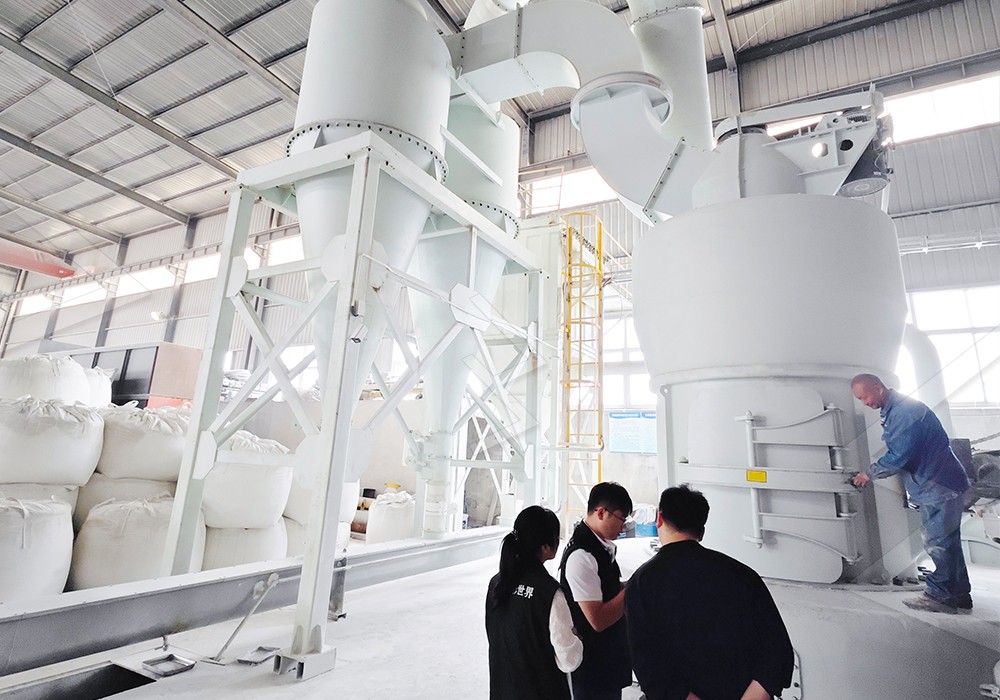
Asbestos ore grinding presents unique challenges. The primary goal is not merely to reduce particle size but to achieve a specific fiber length distribution. Over-grinding can damage the fibers, reducing their reinforcing properties, while under-grinding fails to fully liberate them from the host rock. An ideal grinding system must offer adjustable fineness, stable operation, and minimal contamination. Furthermore, given the health and safety concerns associated with asbestos dust, the milling system must be completely sealed and integrated with high-efficiency dust collection.
Traditional Raymond Mill designs, with their pendulum roller assembly and centrifugal classification, are well-suited for this. They provide a shearing and rolling action that can be gentler on fibrous structures compared to high-impact methods like ball milling. The integrated classifier allows for real-time control over product fineness, typically ranging from 80 to 325 mesh, which covers many asbestos fiber specifications.
Evolution of Grinding Technology: Beyond Traditional Raymond Mills
While classic Raymond Mills are effective, technological advancements have led to more sophisticated, higher-performance vertical roller mills. These modern designs address limitations in capacity, energy efficiency, and fineness range. For operations requiring higher throughput, superior product quality, or the ability to produce ultra-fine powders, upgrading to a next-generation mill is a strategic investment.
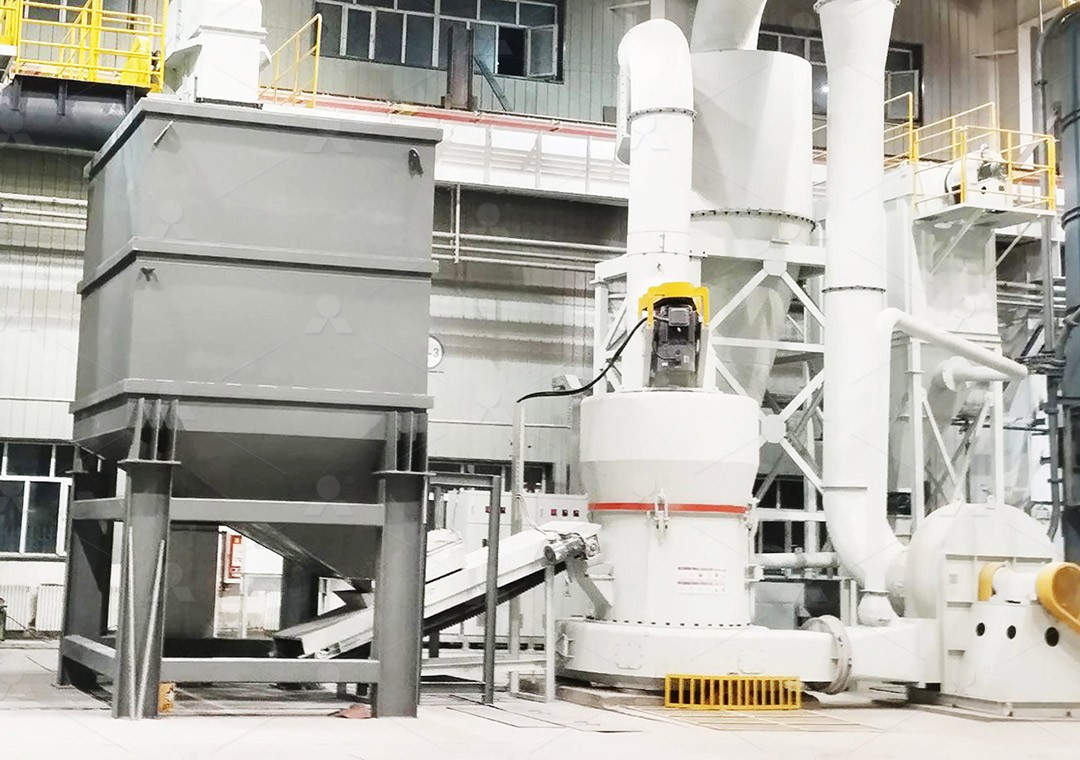
For asbestos ore processing where ultra-fine powders or higher production rates are required, the MW Ultrafine Grinding Mill represents a significant leap forward. Engineered for customers needing to make ultra-fine powder, this machine excels in processing fibrous and non-metallic minerals. With an input size of 0-20 mm and a capacity range of 0.5-25 tph, it handles asbestos ore efficiently. Its newly designed grinding curves for the roller and ring enhance grinding efficiency, yielding up to 40% higher production capacity compared to jet mills at the same fineness and power. Crucially, its cage-type powder selector, adopting German technology, allows precise fineness adjustment between 325-2500 meshes, enabling the production of extremely fine and consistent asbestos powders. The mill’s design eliminates rolling bearings and screws in the grinding chamber, preventing common failure points and enabling worry-free, continuous 24-hour operation. Its integrated efficient pulse dust collector ensures a completely dust-free and environmentally compliant process, a non-negotiable requirement for asbestos handling.
Key Considerations for Selecting Asbestos Grinding Equipment
When specifying equipment for asbestos ore, several factors are paramount:
- Sealed System & Dust Control: The entire milling circuit must operate under negative pressure with no dust leakage. Pulse-jet baghouse collectors are essential.
- Precise Classification: The ability to accurately cut and separate fibers by length/fineness is critical for product grade.
- Wear Resistance: Abrasive components in the ore can cause wear. Mills with easily replaceable, high-wear-resistant rollers and rings minimize downtime.
- Operational Safety & Automation: Automated controls reduce operator exposure and ensure consistent product quality.
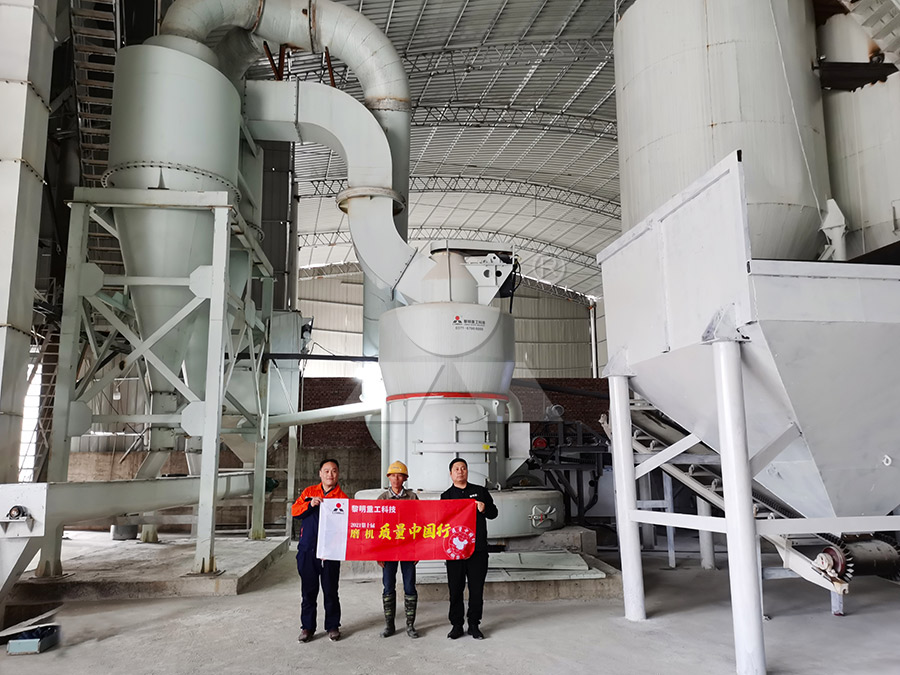
Another excellent option for high-capacity, energy-efficient grinding is the LM Vertical Grinding Mill. This mill integrates crushing, drying, grinding, classifying, and conveying in a single unit. With a large input size (0-70 mm) and high capacity (3-340 tph), it is ideal for large-scale asbestos processing lines. Its vertical structure reduces the footprint by 50% compared to a ball mill system and saves 30%-40% in energy consumption. The material’s short linger time in the grinding zone reduces repeated grinding and helps maintain fiber quality. Like all our premium mills, it operates under full negative pressure with expert-level automation, ensuring a clean, safe, and efficient process.
Conclusion
The effective grinding of asbestos ore demands a balance of precision, reliability, and stringent environmental control. While traditional Raymond Mills provide a proven foundation, modern vertical and ultra-fine grinding mills offer enhanced capabilities in efficiency, fineness range, and operational safety. Investing in advanced technology like the MW Ultrafine Grinding Mill or the LM Vertical Grinding Mill translates to higher product quality, lower operating costs, and a future-proof, environmentally responsible operation. By choosing equipment designed with these principles in mind, producers can optimize their asbestos powder processing for maximum value and compliance.
Frequently Asked Questions (FAQ)
1. What is the typical fineness range achievable for asbestos powder using your grinding mills?
Our equipment covers a wide spectrum. Traditional Raymond Mills are excellent for 80-325 mesh products. For ultra-fine processing, the MW Ultrafine Grinding Mill can consistently produce powders in the range of 325-2500 meshes (approximately 5-45 microns), allowing for precise control over fiber fineness.
2. How do you ensure no dust pollution during the asbestos grinding process?
All our recommended mills, such as the MW and LM series, are designed as fully sealed systems operating under negative pressure. They are equipped with high-efficiency pulse jet dust collectors (baghouses) that capture over 99.9% of particulate matter. This ensures no dust escapes into the workshop, and the exhaust meets strict international environmental standards.
3. Are the grinding rollers and rings easy to maintain and replace?
Yes. Our mills are designed for easy maintenance. For instance, the LUM Ultrafine Vertical Mill features a reversible structure with a hydraulic system, allowing the grinding roller to be easily swung out of the mill body for inspection, liner replacement, or maintenance, significantly reducing downtime.
4. What is the advantage of a vertical mill (like the LM series) over a traditional Raymond Mill for asbestos?
Vertical mills offer higher capacity, greater energy efficiency (30-40% less power), and a more compact footprint. They integrate multiple processes (drying, grinding, classification) into one unit, simplifying the plant layout. The material’s shorter residence time also helps prevent over-grinding of delicate asbestos fibers.
5. Do you provide technical support and original spare parts?
Absolutely. As a manufacturer covering both production and sales, we take full responsibility for every machine we produce. We provide comprehensive technical services, installation guidance, and a guaranteed supply of original spare parts to ensure your long-term, worry-free operation.
6. Can your mills handle the abrasive nature of asbestos host rock?
Yes. Critical wear parts like grinding rollers and rings are made from high-performance, wear-resistant alloy materials developed in-house. Their service life is significantly longer than standard parts, reducing the frequency of replacement and the cost per ton of processed material.