
Marble Dry Grinding Powder Production in Meixian Pengxia: Precision, Efficiency, and Sustainability
We provide a wide range of mills — including Raymond mill, trapezoidal mill, vertical mill, ultrafine mill, and ball mill, obtained ISO9001 international quality certification, EU CE certification, and Customs Union CU-TR certification. Suitable for processing minerals such as limestone, phosphate, quicklime, kaolin, talc, barite, bentonite, calcium carbonate, dolomite, coal, gypsum, clay, carbon black, slag, cement raw materials, cement clinker, and more.
The discharge range of these mills can be adjusted to meet specific processing needs, typically from 80-400 mesh, 600-3250 mesh, and can achieve the finest particle size of up to 6000 mesh(D50).
If you are looking for a reliable grinding solution to turn stone or minerals into fine powder, please feel free to contact our online customer service.
Marble Dry Grinding Powder Production in Meixian Pengxia: Precision, Efficiency, and Sustainability
Nestled within the mineral-rich landscapes of Meixian Pengxia, a quiet revolution is underway in the production of high-quality marble powders. For decades, this region has been synonymous with superior marble deposits, but today, it is the advanced processing techniques that are setting new global benchmarks. The transition from traditional, often wasteful, wet grinding methods to sophisticated dry grinding systems has not only enhanced product quality but also redefined operational efficiency and environmental responsibility.
The core of this transformation lies in the selection of grinding technology. Dry grinding, particularly for applications demanding ultra-fine powders for coatings, plastics, and high-end composites, requires equipment that can deliver consistent particle size distribution, high whiteness retention, and minimal iron contamination. In Meixian Pengxia, leading producers have moved beyond conventional ball mills, recognizing the limitations in energy consumption, floor space, and final product purity.
The Technological Shift: Embracing Ultrafine Grinding Solutions
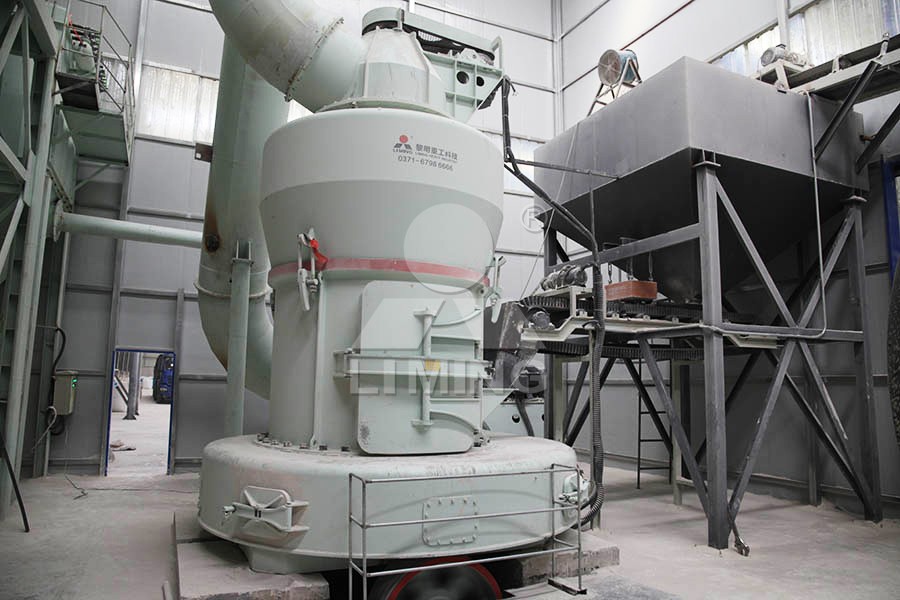
The local industry’s focus has shifted decisively towards grinding mills that integrate crushing, drying, grinding, classifying, and conveying into a single, streamlined system. This integrated approach drastically reduces the plant’s footprint—a critical advantage in areas with space constraints—and slashes overall energy consumption by 30% to 50% compared to older systems. More importantly, it allows for precise control over the entire process, ensuring the marble powder’s chemical composition and physical properties meet the strictest specifications for whiteness and granularity.
One standout solution that has gained significant traction for producing premium marble powder is the MW Ultrafine Grinding Mill. Engineered for customers who need to make ultra-fine powder, this machine is a paradigm of modern design. It accepts raw marble with an input size of 0-20 mm and delivers a consistent output ranging from 0.5 to 25 tons per hour. Its defining feature is the adjustable fineness, capable of producing powders between 325 and 2500 meshes, with a remarkable screening rate achieving d97≤5μm in a single pass. This is made possible by its advanced German-technology cage-type powder selector. Furthermore, the mill’s innovative design eliminates rolling bearings and screws within the grinding chamber, virtually eradicating common failure points and enabling worry-free, continuous 24-hour operation. Coupled with an efficient pulse dust collector and muffler, the MW Ultrafine Grinding Mill ensures production meets stringent national environmental standards, a non-negotiable aspect for sustainable operations in Meixian Pengxia.
Beyond Fineness: The Holistic Production Philosophy
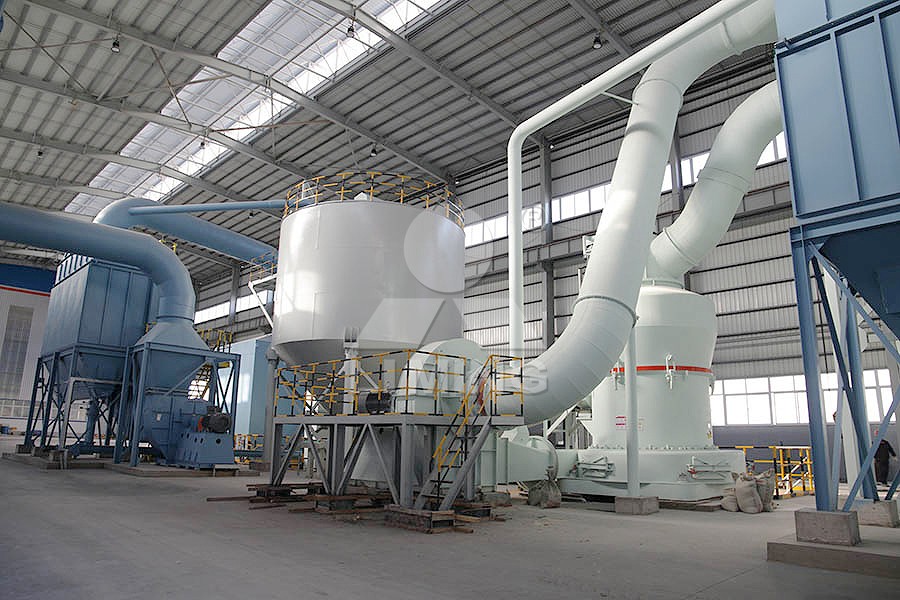
Success in dry grinding marble powder is not solely about achieving a fine mesh. It encompasses a holistic view of production that prioritizes low iron content, high brightness, and operational stability. Traditional mills often lead to material over-grinding, increasing iron wear and contaminating the product, which is disastrous for applications in paints, cosmetics, and food additives where purity is paramount. The latest generation of vertical grinding mills addresses this directly. By utilizing unique grinding curves for rollers and rings, they promote the formation of a stable material bed where inter-particle grinding occurs, minimizing direct metal-to-mineral contact and thus iron contamination.
For operations requiring exceptional stability and easier maintenance, the LUM Ultrafine Vertical Grinding Mill presents a compelling option. With an input size of 0-10 mm and a capacity of 5-18 tph, it integrates the latest grinding roller and powder separating technologies. Its double position-limiting technology is a game-changer for stability, preventing destructive impacts from machine vibration. The reversible structure, a thoughtful design consideration, allows grinding rollers to be easily moved out of the main body for inspection and maintenance, significantly reducing downtime and associated losses. Like its counterpart, it features a multi-head powder separating system controlled by PLC, enabling precise cuts in particle size and fast adaptation to different production demands with 30%-50% lower energy consumption.
The Future is Dry, Fine, and Green
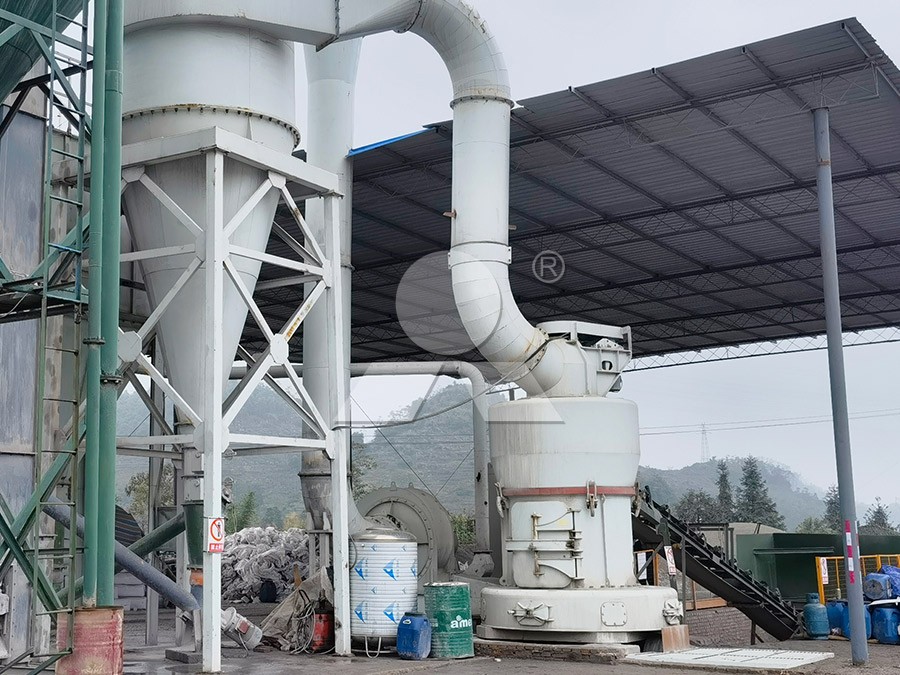
The evolution in Meixian Pengxia mirrors global trends in non-metallic mineral processing. The future belongs to dry grinding systems that are digitally controlled, energy-efficient, and environmentally benign. The adoption of numerical control in manufacturing core parts ensures high precision and reliability, while comprehensive after-sales support and original spare parts guarantee long-term, worry-free operation. The dry process, by eliminating water usage and associated slurry handling, aligns perfectly with sustainable development goals, reducing the plant’s overall environmental footprint.
As demand for high-performance marble powders grows across industries from construction to advanced manufacturing, the producers in Meixian Pengxia are well-positioned. By leveraging cutting-edge grinding technology like the MW and LUM series mills, they are not just processing stone; they are refining a legacy, transforming local marble into a globally sought-after material of exceptional quality and consistency.
Frequently Asked Questions (FAQs)
- What are the key advantages of dry grinding marble over wet grinding?
Dry grinding eliminates water usage and slurry disposal, reduces energy consumption for drying, offers better control over particle size distribution, and typically results in a higher purity product with lower risk of contamination. - Why is low iron content so critical in high-grade marble powder?
Iron contamination can cause discoloration (yellowing) in end products like plastics, paints, and coatings. It also affects the chemical stability and performance of the powder in sensitive applications such as food additives and pharmaceuticals. - How does the MW Ultrafine Grinding Mill achieve such high fineness (up to 2500 mesh)?
It utilizes a high-precision, cage-type powder selector based on German technology. This separator allows for extremely accurate classification of particles, ensuring only the finest powders pass through while coarser particles are returned for further grinding. - What does “no rolling bearing in the grinding chamber” mean for operational reliability?
This design eliminates a major potential failure point. Without bearings and their seals inside the abrasive grinding zone, there is no risk of bearing damage from dust ingress or failure due to high temperatures, leading to vastly improved mill uptime and lower maintenance costs. - Can these grinding mills handle materials other than marble?
Absolutely. Mills like the MW and LUM series are versatile and can process a wide range of non-metallic minerals including limestone, calcite, dolomite, gypsum, talc, barite, and petroleum coal, making them a valuable asset for diversified mineral processing plants. - How significant are the energy savings with modern vertical grinding mills?
Savings are substantial, typically ranging from 30% to 50% compared to traditional ball mills or older Raymond mill systems, due to more efficient grinding principles, integrated systems, and advanced powder selection technology. - What kind of after-sales support is crucial for a grinding mill operation?
Access to genuine spare parts, expert technical service for troubleshooting and optimization, and operational training are essential. This ensures maximum productivity, minimizes unplanned downtime, and protects your long-term investment.