
Petroleum Coke Grinding Mill for Efficient Powder Processing
We provide a wide range of mills — including Raymond mill, trapezoidal mill, vertical mill, ultrafine mill, and ball mill, obtained ISO9001 international quality certification, EU CE certification, and Customs Union CU-TR certification. Suitable for processing minerals such as limestone, phosphate, quicklime, kaolin, talc, barite, bentonite, calcium carbonate, dolomite, coal, gypsum, clay, carbon black, slag, cement raw materials, cement clinker, and more.
The discharge range of these mills can be adjusted to meet specific processing needs, typically from 80-400 mesh, 600-3250 mesh, and can achieve the finest particle size of up to 6000 mesh(D50).
If you are looking for a reliable grinding solution to turn stone or minerals into fine powder, please feel free to contact our online customer service.
Petroleum Coke Grinding Mill for Efficient Powder Processing
In the realm of industrial mineral processing, petroleum coke (petcoke) presents a unique set of challenges. As a by-product of oil refining, this carbon-rich material demands grinding solutions that are not only powerful and efficient but also capable of producing ultra-fine powders for applications in carbon anodes, fuel additives, and advanced materials. Selecting the right grinding mill is paramount to achieving optimal particle size distribution, maximizing throughput, and controlling operational costs.
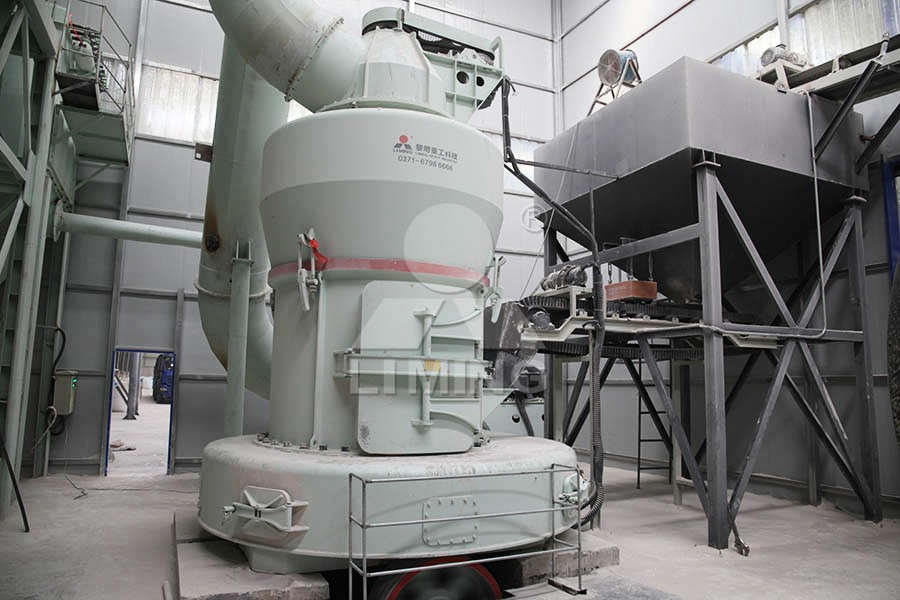
The Critical Demands of Petcoke Pulverization
Effective petcoke processing requires equipment that can handle its moderately abrasive nature and achieve the precise fineness required by downstream industries. Traditional ball mills, while robust, often fall short in energy efficiency and fineness control for ultra-fine applications. The ideal system must integrate several key features: high grinding efficiency to reduce energy consumption per ton, advanced classification technology for precise particle size cuts, and a robust design that minimizes wear and maintenance downtime. Furthermore, environmental considerations mandate systems with integrated dust collection and noise reduction to ensure clean, compliant operations.
Advanced Mill Technology: The Path to Superior Performance
Modern grinding technology has moved beyond conventional approaches. The focus is now on vertical roller mill designs and advanced ring-roller systems that apply grinding pressure more effectively, leading to significant energy savings. These systems often incorporate intelligent, PLC-controlled operations for consistent product quality and seamless integration of drying capabilities, which is crucial if the petcoke feedstock contains moisture.
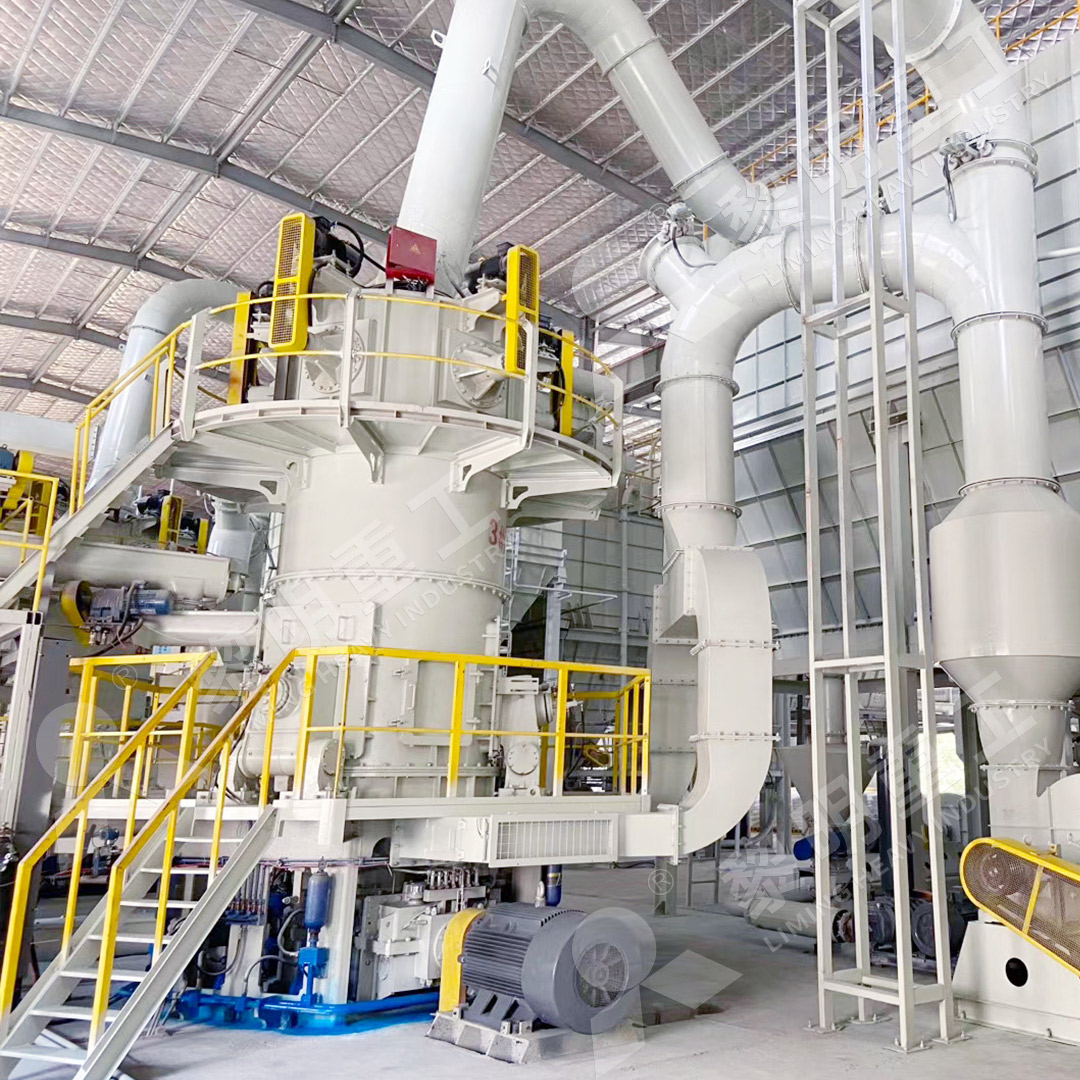
For operations targeting the ultra-fine powder market (often requiring fineness from 325 to 2500 meshes), specialized mills with high-precision, multi-head cage-type powder selectors are essential. This technology allows for accurate cuts at fine particle sizes, ensuring a high screening rate where 97% of the product (d97) can be 5 microns or less. The absence of rolling bearings and screws within the grinding chamber of some advanced designs is a revolutionary feature, eliminating common failure points and enabling worry-free, continuous 24/7 operation.
Recommended Solution: The MW Ultrafine Grinding Mill
For operations prioritizing ultra-fine petcoke powder with exceptional efficiency, the MW Ultrafine Grinding Mill stands out as a premier choice. Engineered for customers who need to make ultra-fine powder, this mill is specifically adept at processing materials like petroleum coke. It boasts a capacity range of 0.5-25 tph, handling feed sizes up to 20mm.
Its core advantages are transformative: It delivers 40% higher production capacity than jet or stirred mills at the same power and fineness, while its system energy consumption is a mere 30% of a jet mill’s. The fineness is expertly adjustable between 325-2500 meshes via its German-technology, cage-type powder selector. Furthermore, its design philosophy prioritizes reliability and environmental stewardship. The grinding chamber has no rolling bearings or screws to fail, and the mill is equipped with an efficient pulse dust collector and muffler, ensuring the entire production process meets stringent environmental standards without dust or noise pollution.
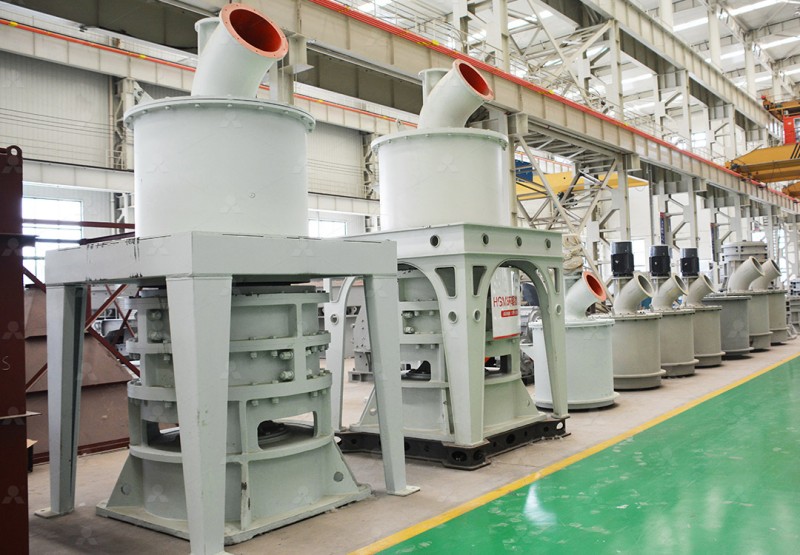
Ensuring Long-Term Operational Success
Investing in advanced grinding technology is only the first step. Long-term success hinges on operational stability and support. Key considerations include the ease of maintenance—such as designs that allow grinding rollers to be easily turned out for inspection—and the availability of genuine, digitally manufactured spare parts to ensure machining precision is maintained. A supplier that covers both production and sales, taking full responsibility for their machinery and offering comprehensive technical support, is invaluable for achieving truly worry-free operation and protecting your capital investment.
In conclusion, processing petroleum coke into high-value powder requires a deliberate choice in grinding technology. By selecting a mill that combines high efficiency, precise classification, robust construction, and environmental controls—such as the MW Ultrafine Grinding Mill—producers can secure a significant competitive advantage through lower operational costs, superior product quality, and sustainable production practices.
Frequently Asked Questions (FAQs)
- What is the typical fineness range achievable for petroleum coke with your grinding mills?
Our MW Ultrafine Grinding Mill can precisely adjust product fineness between 325 and 2500 meshes, with the capability to achieve a d97 ≤5μm in a single pass, making it ideal for high-end ultra-fine petcoke applications. - How does the energy consumption of your mills compare to traditional ball mills?
The energy efficiency is significantly superior. For instance, the MW Ultrafine Grinding Mill system consumes only about 30% of the energy of a comparable jet mill and offers far higher efficiency than a traditional ball mill, leading to substantial operational cost savings. - Do your mills handle moist petcoke, or is pre-drying required?
While the MW series is designed for fine grinding, our LUM Ultrafine Vertical Grinding Mill and LM Vertical Mill series integrate grinding and drying functions, capable of handling materials with a certain moisture content by utilizing hot air introduced into the system, often eliminating the need for separate pre-drying equipment. - What measures are in place to control dust and ensure environmental compliance?
Our mills, like the MW series, are equipped with high-efficiency pulse dust collectors as a standard integrated system. This ensures the entire milling process operates under negative pressure, with no dust spillage, and emissions are well within national environmental protection standards. - What is the maintenance philosophy for the grinding chamber, and how accessible are wear parts?
We design for minimal and easy maintenance. The MW Mill has no rolling bearings or screws in its grinding chamber, removing common failure points. For other models like the LUM Vertical Mill, a reversible/hydraulic system allows the grinding roller to be easily turned out of the mill body for convenient inspection and replacement of wear parts like roller shells and liner plates. - Can you provide technical support and original spare parts globally?
Yes. As a manufacturer responsible for both production and sales, we provide comprehensive technical services and guarantee the supply of original spare parts for the entire lifecycle of our equipment, ensuring worry-free operation worldwide.