
Small Stone Grinding Mill for Sale: Compact Powder Making Machine
We provide a wide range of mills — including Raymond mill, trapezoidal mill, vertical mill, ultrafine mill, and ball mill, obtained ISO9001 international quality certification, EU CE certification, and Customs Union CU-TR certification. Suitable for processing minerals such as limestone, phosphate, quicklime, kaolin, talc, barite, bentonite, calcium carbonate, dolomite, coal, gypsum, clay, carbon black, slag, cement raw materials, cement clinker, and more.
The discharge range of these mills can be adjusted to meet specific processing needs, typically from 80-400 mesh, 600-3250 mesh, and can achieve the finest particle size of up to 6000 mesh(D50).
If you are looking for a reliable grinding solution to turn stone or minerals into fine powder, please feel free to contact our online customer service.
Small Stone Grinding Mill for Sale: Compact Powder Making Machine
In the world of mineral processing and powder production, the quest for efficiency, precision, and compactness is never-ending. Whether you’re a small-scale operator, a research facility, or an industrial plant requiring dedicated fine-powder lines, the demand for a reliable, small-footprint grinding mill is significant. The ideal machine must deliver consistent fineness, handle a variety of materials, and operate with minimal environmental impact—all without occupying a vast factory floor.
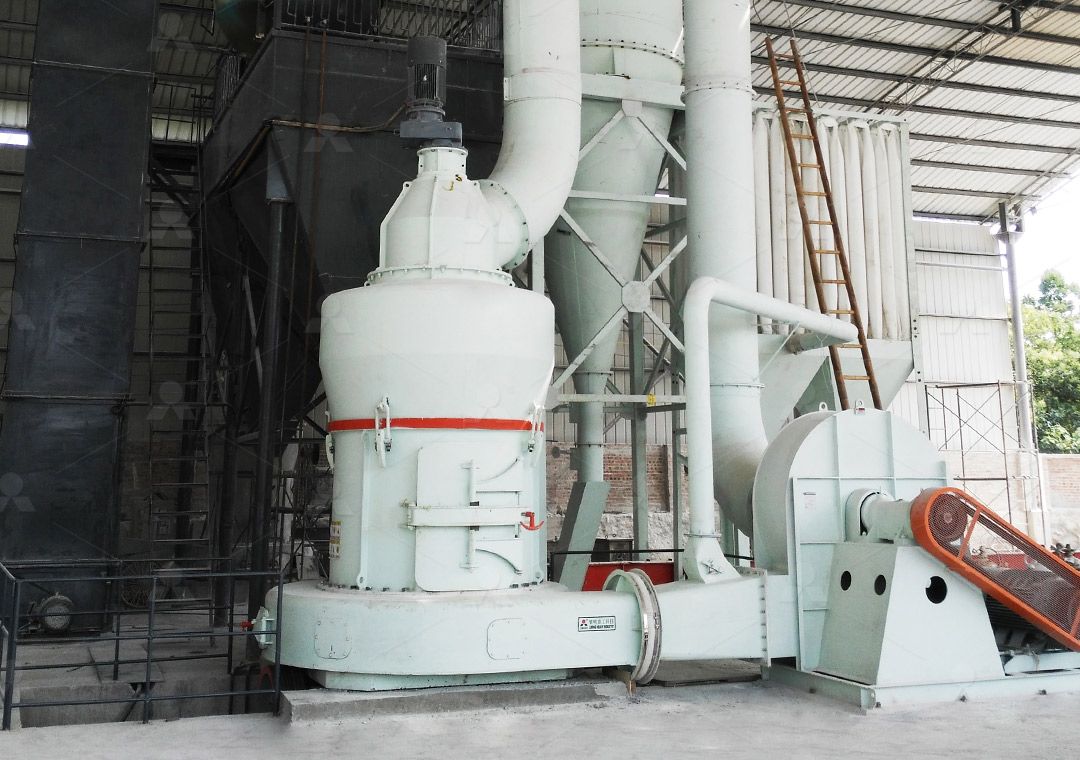
Modern compact grinding mills are engineering marvels, designed to pack powerful performance into a streamlined package. They are far removed from the bulky, energy-intensive ball mills of the past. Today’s solutions integrate advanced grinding mechanics, intelligent powder classification, and comprehensive environmental controls. For applications ranging from producing fillers for plastics and paints to creating food-grade additives and specialized ceramic powders, a well-chosen small grinding mill is the cornerstone of productivity.
Key Considerations for a Compact Grinding Solution
Selecting the right mill involves more than just matching a horsepower rating. Critical factors include the feed size (typically 0-20mm for fine grinding), desired capacity (often between 0.5 to 25 tons per hour for compact units), and the target fineness range, which can extend from coarse 100-mesh powders to superfine 2500-mesh products. The material’s abrasiveness and moisture content also dictate the mill’s internal design and wear resistance.
Beyond specifications, operational excellence is paramount. A superior compact mill should offer:
- Energy Efficiency: Advanced grinding curves and classifier designs that maximize yield per kilowatt-hour.
- Easy Maintenance: Features like external lubrication systems and accessible grinding components to minimize downtime.
- Environmental Compliance: Integrated pulse-jet dust collectors and noise suppression systems for clean, quiet operation.
- Precision Control: The ability to finely adjust product fineness and maintain consistent particle size distribution.
Spotlight on Advanced Compact Mill Technology
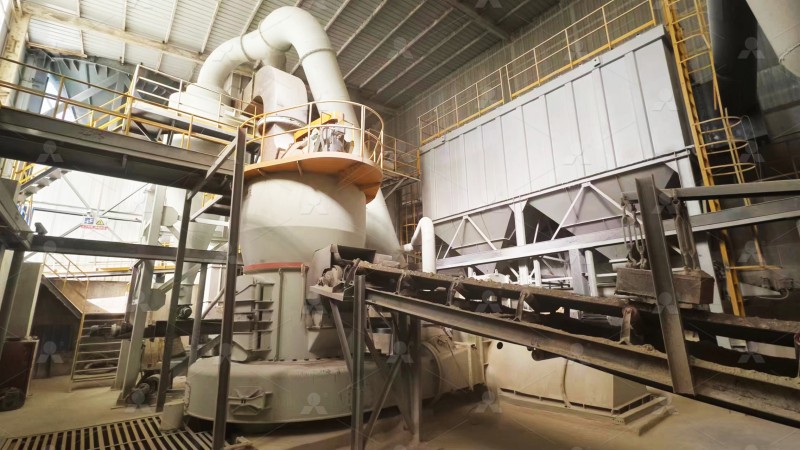
For operations that demand ultra-fine powders with exceptional efficiency, the MW Ultrafine Grinding Mill stands out as a premier choice. This machine is engineered specifically for customers who need to produce high-value, ultra-fine powder from materials like limestone, calcite, dolomite, and talc. With an input size of 0-20 mm and a capacity range of 0.5-25 tph, it is versatile enough for various production scales.
What sets the MW series apart is its intelligent design focused on reliability and performance. Its newly designed grinding curves for the roller and ring enhance efficiency, reportedly offering 40% higher capacity than jet mills at the same power and fineness. A standout feature is its cage-type powder selector, utilizing German technology to allow precise fineness adjustment between 325 and 2500 meshes. Perhaps most notably for maintenance crews, the grinding chamber contains no rolling bearings or screws, eliminating common failure points and concerns about loose parts causing damage. Coupled with an efficient pulse dust collector, it ensures an eco-friendly production process that meets stringent environmental standards.
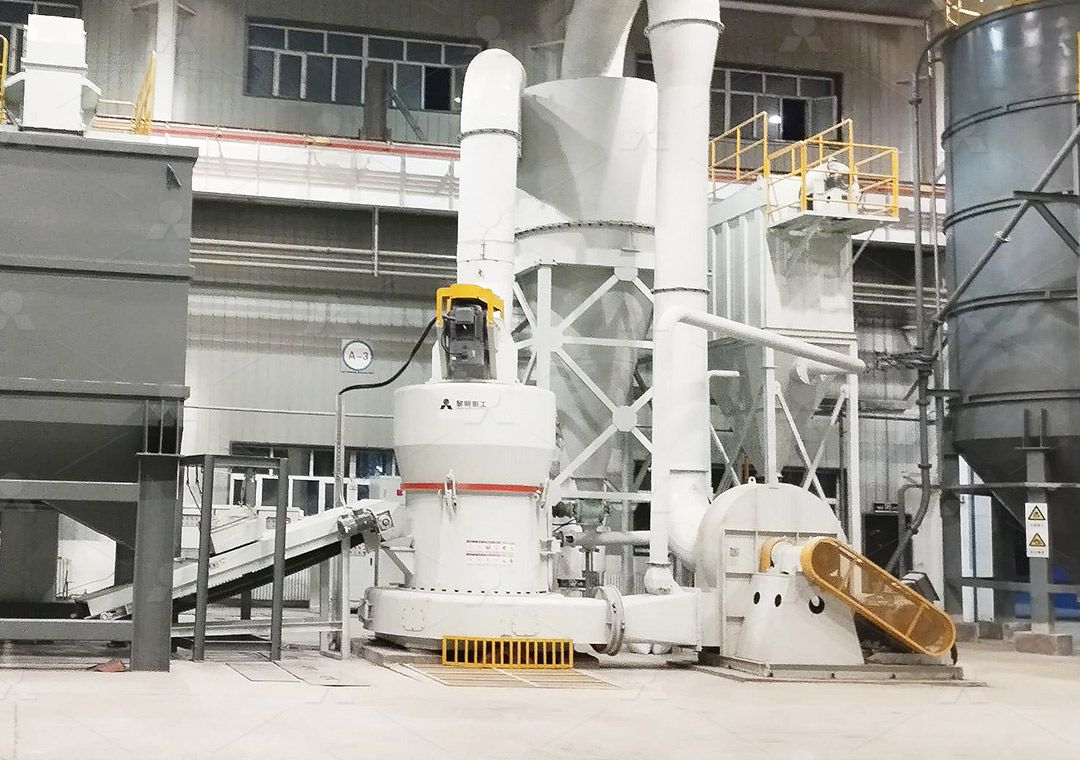
Another formidable contender in the space-saving category is the LUM Ultrafine Vertical Grinding Mill. Its vertical structure is inherently compact, integrating grinding, classifying, and conveying. With an input size of 0-10 mm and capacity of 5-18 tph, it excels in producing superfine dry powders. Its design incorporates unique roller shell and lining plate curves that promote stable material layer formation, enabling high rates of finished product in a single pass. This not only boosts efficiency but also improves the whiteness and cleanliness of the final powder—a critical factor for many industrial applications.
The Bottom Line: Maximizing Output in Minimal Space
Investing in a modern small stone grinding mill is an investment in precision, efficiency, and operational flexibility. The latest models prove that compact size does not mean compromised capability. By focusing on innovative grinding mechanics, smart material flow, and built-in environmental protection, these machines deliver professional-grade powder production suitable for the most demanding chemical, industrial, and construction applications.
When evaluating options, prioritize mills from manufacturers that support their machines with a full suite of technical services and genuine spare parts. This ensures long-term, worry-free operation and protects your investment. The right compact mill will not only save floor space but also reduce energy bills, simplify maintenance, and provide the consistent powder quality that your processes depend on.
Frequently Asked Questions (FAQs)
- What is the typical fineness range achievable with a compact ultrafine mill like the MW series?
Compact ultrafine mills, such as the MW Ultrafine Grinding Mill, are designed to produce powders in a wide fineness range, typically from 325 meshes (about 45 microns) up to 2500 meshes (approximately 5 microns or D97 ≤5μm), adjustable via an advanced cage-type powder selector. - How does the absence of rolling bearings in the grinding chamber benefit operation?
Eliminating rolling bearings and screws from the grinding chamber removes critical points of potential failure. It prevents issues related to bearing damage, seal failures, and machine damage from loose screws, significantly enhancing operational reliability and reducing unplanned maintenance. - Can these compact mills handle hard or abrasive materials?
Yes, models like the MW and LUM mills are built with wear-resistant materials for components like grinding rollers and rings. They are suitable for a variety of medium-hardness materials, including limestone, calcite, barite, and dolomite. For extremely hard or highly abrasive materials, consulting with the manufacturer for specific material testing is recommended. - What environmental features are integrated into these mills?
Modern compact mills are designed with environmental stewardship in mind. They are typically equipped with high-efficiency pulse jet dust collectors that capture over 99.9% of process dust, and integrated mufflers or noise reduction rooms to keep operational noise well within acceptable limits, ensuring full compliance with environmental standards. - What does “worry-free operation” mean in terms of manufacturer support?
“Worry-free operation” signifies comprehensive support from the manufacturer. This includes responsibility for the machine’s performance, the provision of expert technical services for installation and troubleshooting, and a guaranteed supply of original, precision-engineered spare parts to ensure optimal performance and longevity of the equipment.