
Ceramic Vertical Grinding Mill for High-Efficiency Powder Processing
We provide a wide range of mills — including Raymond mill, trapezoidal mill, vertical mill, ultrafine mill, and ball mill, obtained ISO9001 international quality certification, EU CE certification, and Customs Union CU-TR certification. Suitable for processing minerals such as limestone, phosphate, quicklime, kaolin, talc, barite, bentonite, calcium carbonate, dolomite, coal, gypsum, clay, carbon black, slag, cement raw materials, cement clinker, and more.
The discharge range of these mills can be adjusted to meet specific processing needs, typically from 80-400 mesh, 600-3250 mesh, and can achieve the finest particle size of up to 6000 mesh(D50).
If you are looking for a reliable grinding solution to turn stone or minerals into fine powder, please feel free to contact our online customer service.
Introduction to Ceramic Vertical Grinding Technology
The demand for ultra-fine powders in industries such as ceramics, paints, cosmetics, and advanced materials has driven the development of more efficient grinding technologies. Traditional ball mills and jet mills often fall short when it comes to energy efficiency, product purity, and consistent particle size distribution. This is where the ceramic vertical grinding mill steps in as a game-changer. Designed for high-efficiency powder processing, this equipment integrates advanced crushing, grinding, classifying, and conveying functions into a single, compact system. Unlike conventional mills that rely on impact or attrition alone, the vertical grinding mill uses a unique combination of roller pressure and material bed grinding to achieve exceptional fineness and throughput.
One of the standout advantages of this technology is its ability to process materials with minimal iron contamination. In ceramic applications, even trace amounts of iron can discolor the final product or alter its chemical properties. By eliminating direct contact between grinding rollers and the millstone, and by using wear-resistant ceramic components, these mills ensure that the finished powder remains pure and bright. Whether you are grinding limestone for building materials or calcite for cosmetics, the ceramic vertical grinding mill delivers consistent quality with every batch.
Key Design Innovations for Higher Efficiency
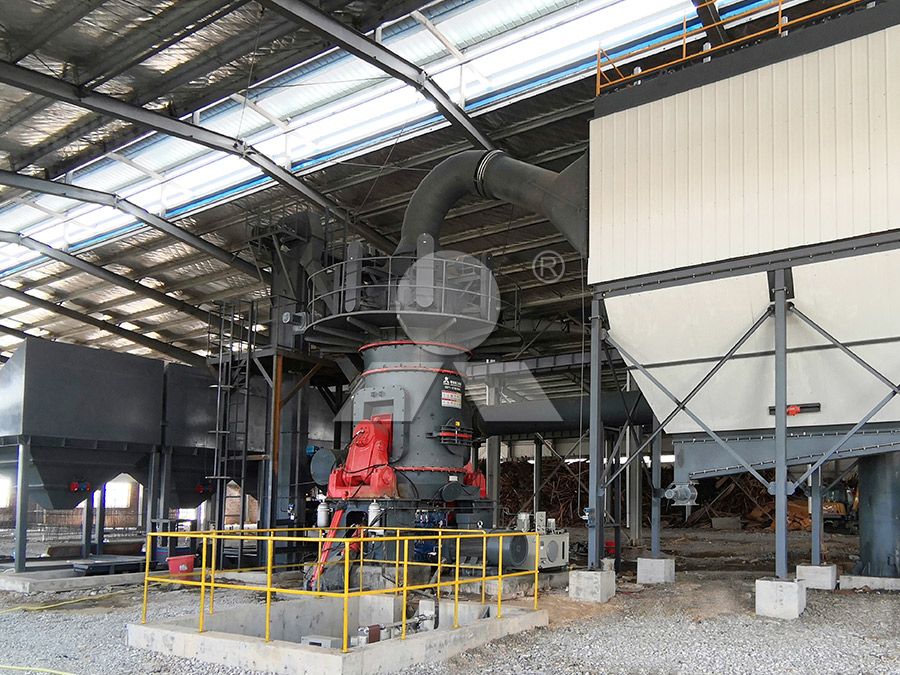
Modern ceramic vertical grinding mills are built around several proprietary design features that directly improve grinding efficiency and reduce operational costs. The first is the use of a multi-head powder separator, which allows for precise control over particle size distribution. This technology enables the mill to achieve a fineness range from 325 mesh up to 2500 mesh, with a screening rate reaching d97 ≤ 5 microns in a single pass. This level of precision is critical for industries where particle size directly affects product performance, such as in high-end ceramics and pharmaceutical excipients.
Another key innovation is the elimination of rolling bearings and screws inside the grinding chamber. Traditional mills often suffer from bearing failures or loose screws that lead to unplanned downtime. In the ceramic vertical mill, the lubricating system is installed externally on the main shaft, allowing for continuous operation without shutdown for lubrication. This design not only improves reliability but also extends the service life of the machine. For operations that run 24 hours a day, this means higher productivity and lower maintenance costs.
Environmental and Operational Benefits
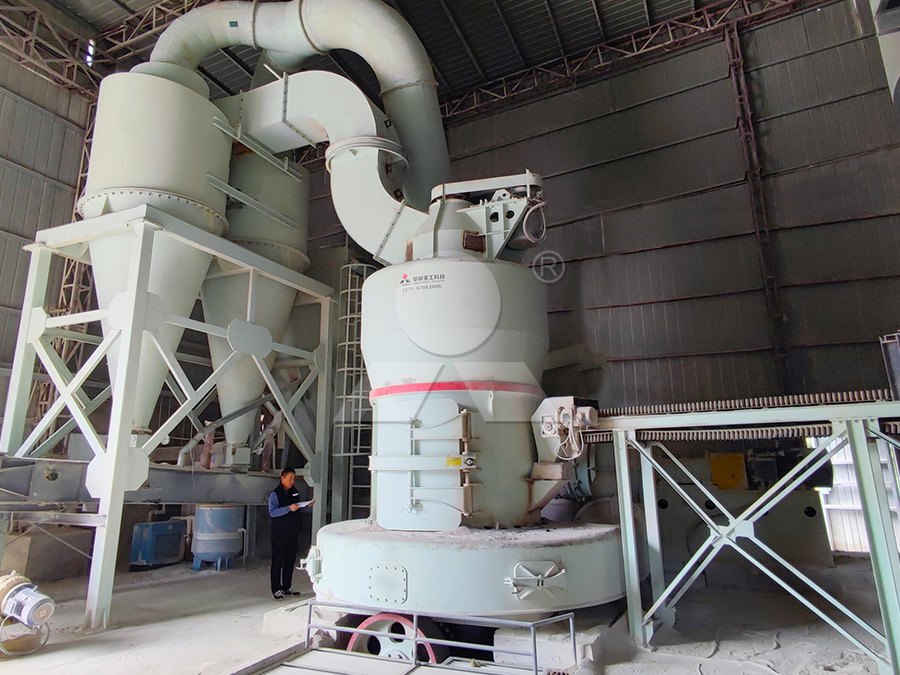
Environmental compliance is no longer optional in the powder processing industry. The ceramic vertical grinding mill addresses this with a fully integrated pulse dust collector and a silencer system. The entire milling circuit operates under negative pressure, which prevents dust from escaping into the work environment. This closed-loop design ensures that the system meets strict national environmental standards without requiring additional add-on equipment. The noise levels are also significantly reduced thanks to the muffler and noise elimination room, making the mill suitable for installation in urban or noise-sensitive areas.
From an operational standpoint, the vertical mill offers a high degree of automation. PLC-based control systems allow operators to adjust grinding pressure, separator speed, and feed rate remotely. This digitalized processing ensures that every batch of powder meets the exact specifications required, whether it is for a high-gloss paint formulation or a medical-grade additive. The ability to switch between different product recipes quickly and accurately reduces waste and improves overall equipment effectiveness.
For customers looking to achieve ultra-fine powders with maximum energy efficiency, LIMING’s MW Ultrafine Grinding Mill is an excellent choice. This machine features newly designed grinding curves that boost production capacity by 40% compared to jet mills, while consuming only 30% of the energy. With an input size of 0–20 mm and a capacity range of 0.5–25 tph, it is ideal for small to medium-scale operations that demand high yields and low operating costs.
Material Versatility and Application Range
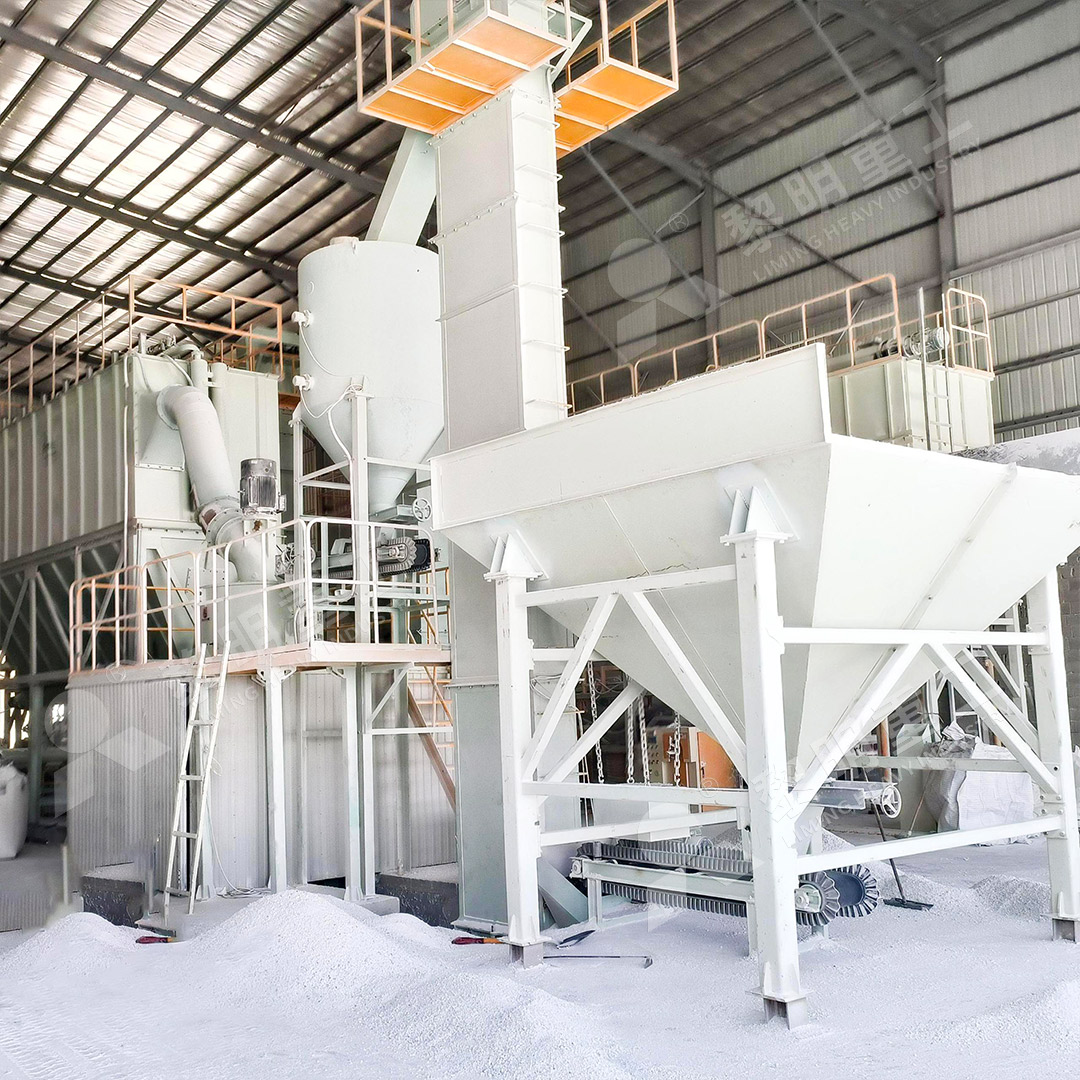
The ceramic vertical grinding mill is not limited to ceramics alone. It handles a wide variety of materials including limestone, calcite, dolomite, petroleum coal, gypsum, barite, marble, talc, and coal powder. In the chemical industry, it is used for processing pigments, fillers, and additives. In the cosmetics and food sectors, it grinds ingredients to the fine, consistent particle sizes required for smooth textures and stable formulations. The mill’s ability to process materials with a Mohs hardness of up to 7 and moisture content below 10% makes it a versatile workhorse for any grinding application.
When the requirement escalates to higher capacities and even finer powders, LIMING’s LUM Ultrafine Vertical Grinding Mill steps in. With a capacity of 5–18 tph and an input size of 0–10 mm, the LUM series integrates Taiwan grinding roller technology and German powder separating technology. It reduces energy consumption by 30–50% compared to common mills, and its double position-limiting technology ensures stable operation even under challenging conditions. The reversible structure allows easy maintenance, reducing downtime and keeping production lines running.
Working Principle and Process Flow
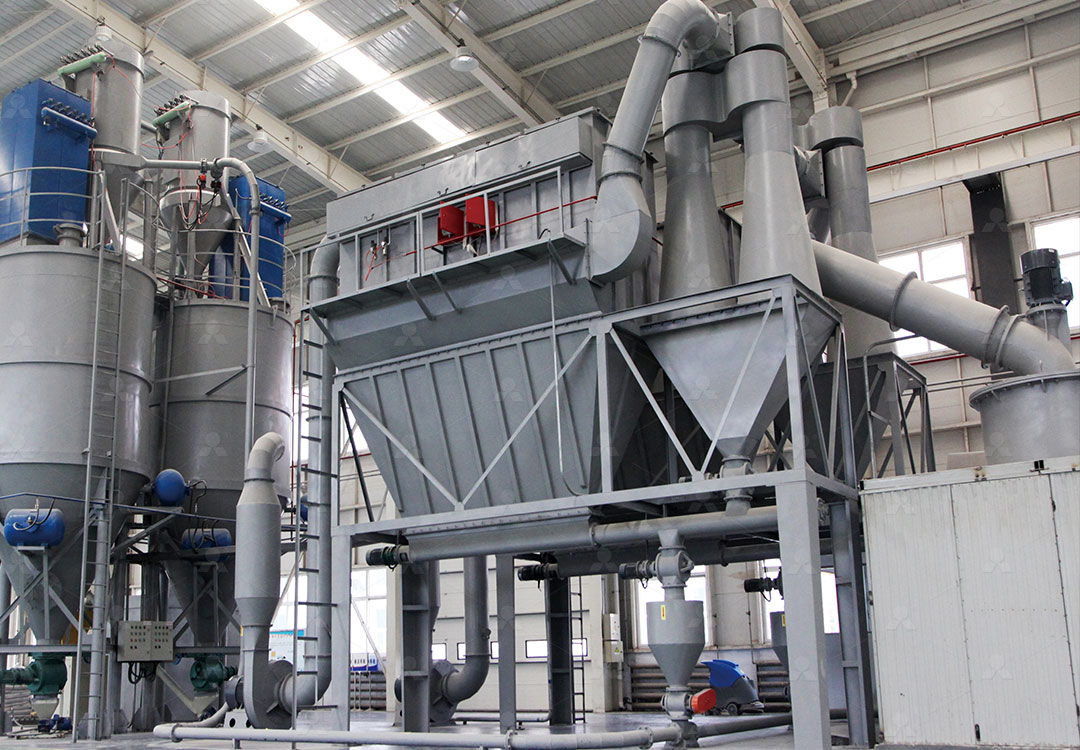
The working principle of a ceramic vertical grinding mill is straightforward but highly effective. The main motor drives the millstone to rotate through a reduction gearbox. Material enters from the center of the millstone and moves outward under centrifugal force. As it passes between the grinding rollers and the millstone, it is crushed and ground. The ground material is then carried by an air stream to a classifier. Coarse particles are returned to the millstone for further grinding, while fine particles pass through and are collected in a dust collector or cyclone separator.
This closed-circuit design ensures that only particles of the desired size exit the system. The classifier speed can be adjusted in real time to change the fineness of the final product. This flexibility allows a single mill to produce multiple grades of powder without mechanical changes. The entire process is controlled by a centralized PLC system, which can be integrated into existing plant automation networks for seamless operation.
Conclusion
The ceramic vertical grinding mill represents a significant leap forward in powder processing technology. Its combination of high efficiency, low energy consumption, environmental compliance, and material versatility makes it an indispensable tool for modern manufacturing. Whether you are producing ceramic glazes, pharmaceutical excipients, or industrial fillers, this mill delivers the performance and reliability you need to stay competitive. With models like the MW Ultrafine Grinding Mill for smaller capacities and the LUM Ultrafine Vertical Grinding Mill for larger throughputs, LIMING offers solutions that fit every production scenario. Investing in this technology means investing in higher yields, better product quality, and a cleaner future.
Frequently Asked Questions (FAQ)
- What is the typical fineness range achievable with a ceramic vertical grinding mill?
Most models can adjust fineness between 325 mesh and 2500 mesh (approximately 5 to 44 microns). With advanced classifiers, some mills can achieve d97 ≤ 5 microns in a single pass. - How does the ceramic vertical mill compare to a ball mill in terms of energy consumption?
The ceramic vertical mill typically consumes 30% to 50% less energy than a ball mill for the same throughput. It also has a smaller footprint and produces less noise. - Can the mill handle materials with high moisture content?
Yes, the vertical mill can handle materials with moisture content up to 10%. For higher moisture, an integrated drying system using hot air can be added to the circuit. - What maintenance is required for the grinding rollers?
The grinding rollers are designed for easy replacement. Many models feature a reversible structure that allows the roller to be swung out for inspection and maintenance without removing heavy components. Regular checks on the hydraulic system and lubrication are recommended. - Is the system environmentally friendly?
Yes. The mill operates under negative pressure with a pulse dust collector and silencer, ensuring minimal dust emission and low noise levels. It meets or exceeds international environmental standards. - What is the difference between the MW Ultrafine Grinding Mill and the LUM Ultrafine Vertical Grinding Mill?
The MW series is designed for smaller capacities (0.5–25 tph) and offers high energy savings compared to jet mills. The LUM series handles higher capacities (5–18 tph) and incorporates advanced roller and separator technology for even finer powders and lower energy consumption. - Can the mill be integrated into an existing automated production line?
Absolutely. The mill is equipped with a PLC-based control system that supports remote operation and can be easily integrated into existing plant automation systems for centralized control.