
Key Features of LM170 Vertical Roller Mill: A Comprehensive Overview
We provide a wide range of mills — including Raymond mill, trapezoidal mill, vertical mill, ultrafine mill, and ball mill, obtained ISO9001 international quality certification, EU CE certification, and Customs Union CU-TR certification. Suitable for processing minerals such as limestone, phosphate, quicklime, kaolin, talc, barite, bentonite, calcium carbonate, dolomite, coal, gypsum, clay, carbon black, slag, cement raw materials, cement clinker, and more.
The discharge range of these mills can be adjusted to meet specific processing needs, typically from 80-400 mesh, 600-3250 mesh, and can achieve the finest particle size of up to 6000 mesh(D50).
If you are looking for a reliable grinding solution to turn stone or minerals into fine powder, please feel free to contact our online customer service.
Introduction to the LM170 Vertical Roller Mill
When it comes to large-scale grinding, the LM170 Vertical Roller Mill stands as a workhorse in the industry. This machine is not just another piece of equipment; it is a complete system designed to handle everything from crushing and drying to grinding and classifying. Over the years, I have seen many mills come and go, but the LM170 has carved out a reputation for reliability and efficiency that is hard to match.
What sets this mill apart is its ability to process a wide range of materials—from limestone and coal to slag and cement—with a remarkable input size of up to 70 mm and a capacity ranging from 3 to 340 tph. Whether you are in the power generation sector or the construction materials business, this mill adapts to your needs without missing a beat.
Integrated Design for Lower Investment Costs
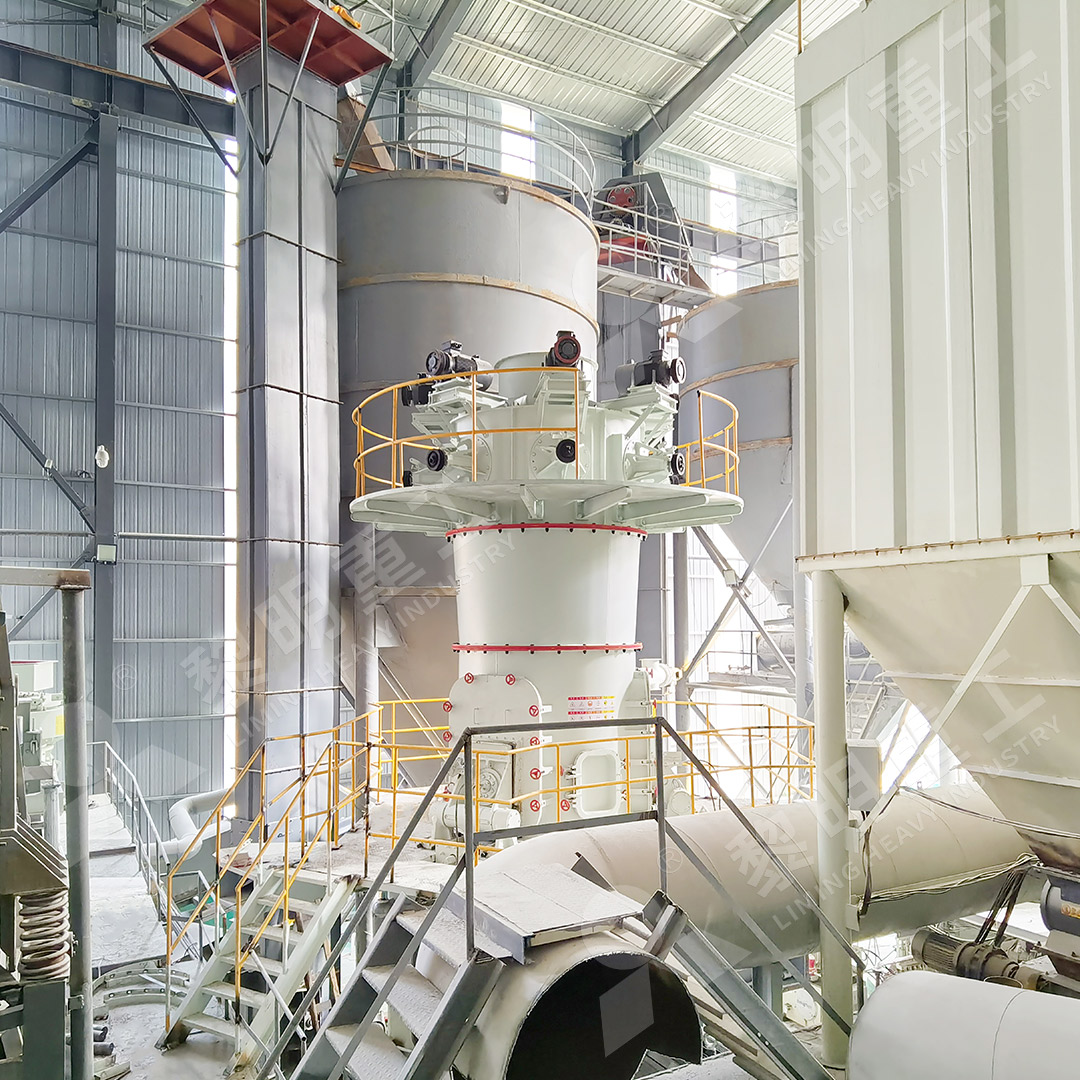
One of the first things you will notice about the LM170 is how it integrates multiple functions into one unit. Traditional grinding setups often require separate crushers, dryers, and classifiers, which eat up floor space and drive up costs. The LM170 eliminates this by combining crushing, drying, grinding, separating, and conveying in a single, compact system.
Here is a real-world advantage: the occupational area is roughly 50% of what you would need for a ball-milling system. That is not just about saving square footage—it means lower civil engineering costs, less steel structure, and a simpler layout. Plus, because the LM170 can be arranged outdoors, you avoid the expense of building a massive enclosure. Over the lifespan of a project, these savings add up quickly.
Optimized Operation and Lower Operating Costs
I have talked to plant managers who were skeptical about vertical roller mills until they ran the numbers. The LM170 delivers lower energy consumption—30% to 40% less than traditional ball mills—without sacrificing throughput. This efficiency comes from the optimized grinding curve of the roller and the millstone, which reduces the grinding time per particle.
Another critical factor is the abrasion of vulnerable parts. The LM170 uses wear-resistant alloys and a design that makes core parts easy to inspect and replace. You are not looking at weeks of downtime for a simple maintenance task; the checks are straightforward, and the spare parts are readily available. For those who have struggled with ball mills that seem to eat through liners, this is a breath of fresh air.
Short Grinding Time and Low Iron Content
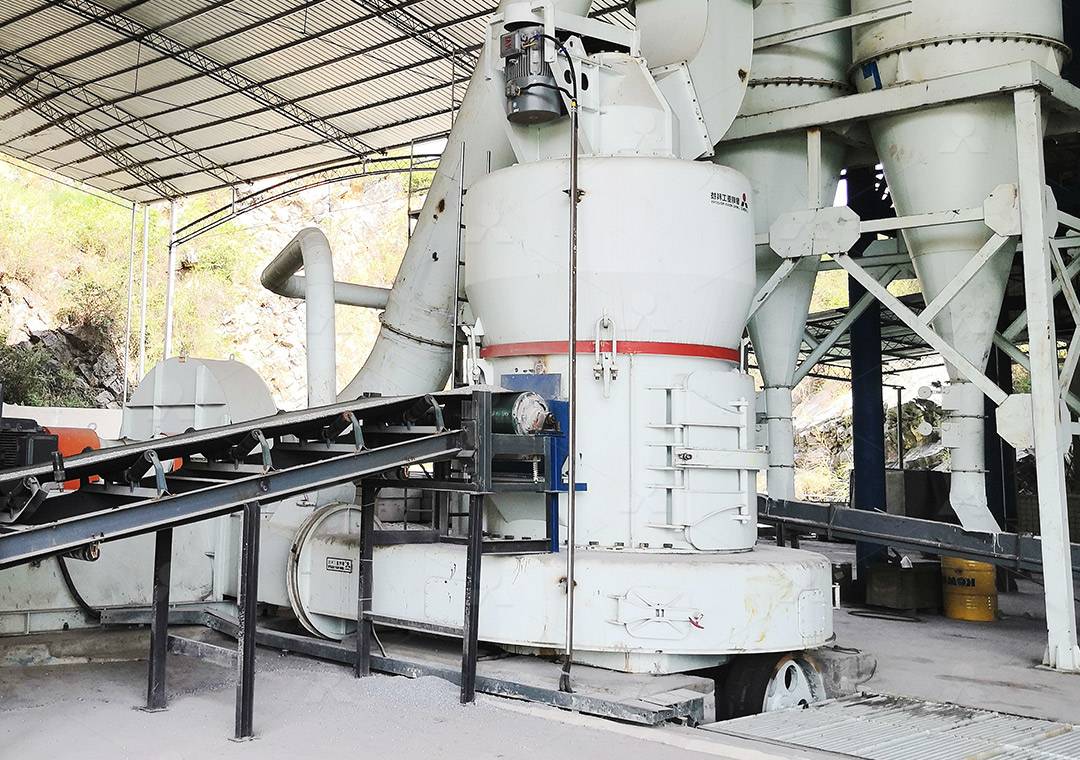
One concern in industries like white cement or high-purity fillers is iron contamination. The LM170 addresses this head-on. Because the grinding roller and millstone do not make direct contact, mechanical wear generates minimal iron. The materials linger in the mill for only 2 to 3 minutes, which is far shorter than in a ball mill. This short residence time reduces the chance of over-grinding and allows for precise control over particle size and chemical composition.
For applications where whiteness and purity are non-negotiable, such as in the production of marble or talc powders, this feature alone can justify the investment. The iron generated from any minor wear is easy to remove downstream, so your final product meets the highest standards.
Environmental Performance and Automation
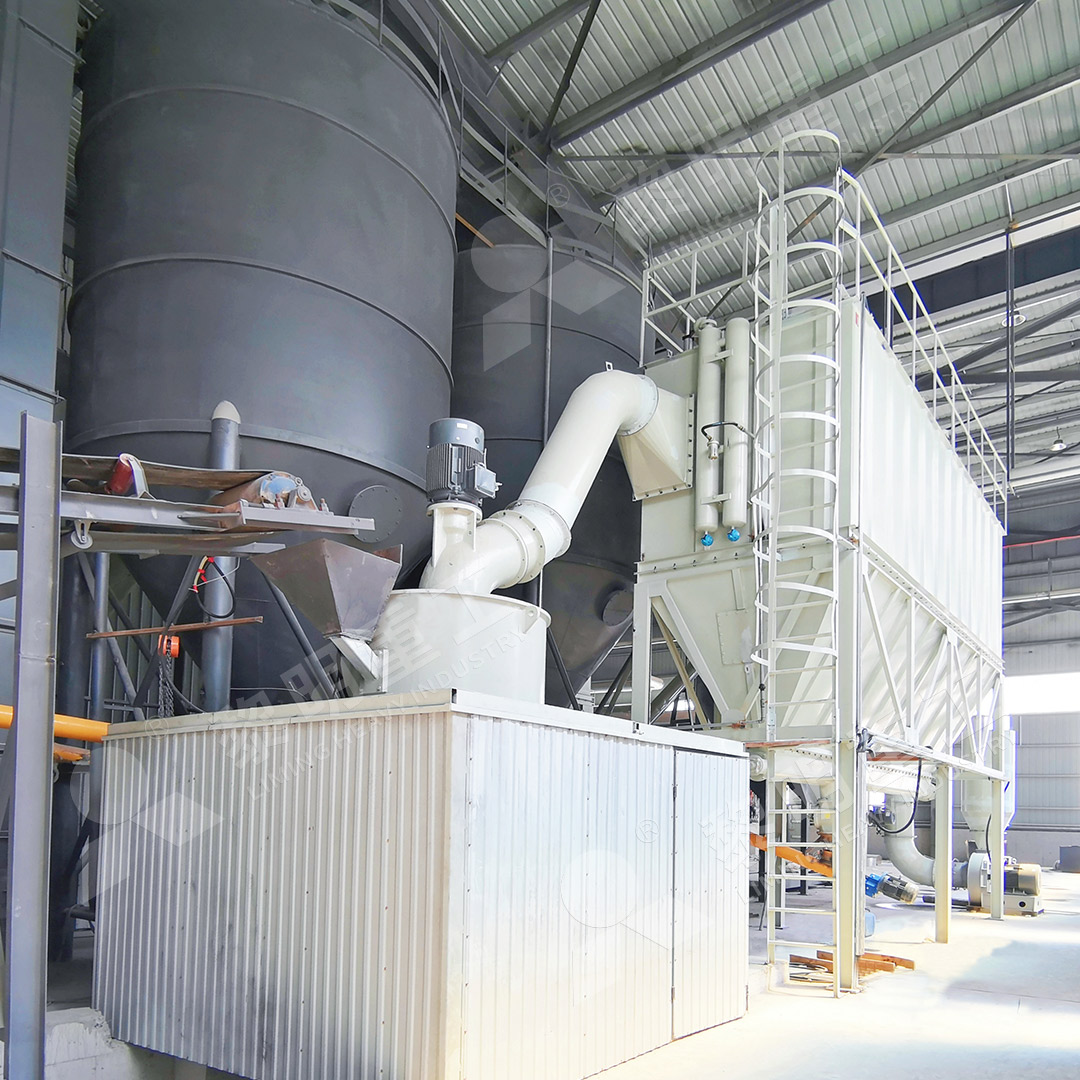
Nobody wants to deal with dust clouds or noise complaints. The LM170 operates under negative pressure with a fully sealed system, which means no dust spills into the work environment. The emission levels are well below international standards, making it easier to pass environmental inspections.
Automation is another strong suit. The mill is equipped with an expert-level control system that allows free switching between remote control and local operation. You can monitor grinding pressure, temperature, and feed rates from a control room, which reduces the need for on-site personnel. This is one of those features that looks good on paper but becomes indispensable when you are running three shifts.
Digitalized Processing and Precision Manufacturing
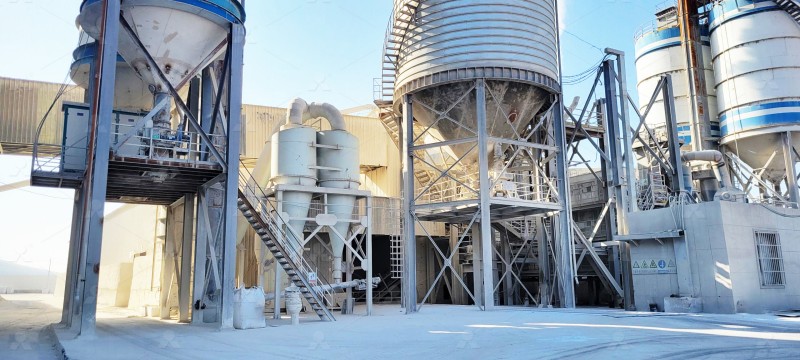
Behind every great machine is the manufacturing process. At LIMING, we have tens of lines of numerical control machine tools. Every step—cutting, bending, planing, milling, and paint spraying—is controlled numerically. This ensures that the core parts, such as the grinding roller shells and the separator rotors, are machined to tight tolerances.
What does this mean for you? It means consistent performance from day one. It means that replacement parts fit perfectly without field modifications. And it means that the mill you install today will perform the same way five years down the line, assuming proper maintenance.
Sufficient Spare Parts Supply and Technical Support
One thing that frustrates mill operators is waiting weeks for a simple bearing or seal. LIMING takes responsibility for every machine we produce. We maintain a comprehensive inventory of original spare parts, from grinding rings to oil seals. Our technical services team is just a call away, ready to help with everything from troubleshooting to optimization.
If you are looking for a machine that can handle ultrafine grinding with extreme precision, I would also recommend looking into our MW Ultrafine Grinding Mill. It is specifically designed for customers who need powders between 325 and 2500 mesh, with a capacity of 0.5 to 25 tph. The MW uses a cage-type powder selector based on German technology, ensuring a d97≤5μm screening rate in a single pass.
Frequently Asked Questions
- Q: What is the typical maintenance schedule for the LM170?
A: We recommend inspecting the grinding roller shells and millstone liners every 500 to 1000 operating hours, depending on the material abrasiveness. The hydraulic system and seals should be checked monthly. A full overhaul is typically needed after 8000 to 12000 hours of operation. - Q: Can the LM170 handle materials with high moisture content?
A: Yes. The mill integrates a drying function using hot air from an external source. It can handle materials with up to 15% moisture, and in some configurations, up to 20%, as long as the drying capacity is properly sized. - Q: How does the LM170 compare to a ball mill in terms of power consumption?
A: The LM170 typically consumes 30% to 40% less energy than a ball mill for the same capacity. This is due to the efficient grinding mechanism and the elimination of the need for a separate classifier. - Q: Is it difficult to switch between different products (e.g., from limestone to slag)?
A: Not at all. The automatic control system allows you to adjust parameters such as grinding pressure, separator speed, and feed rate. A product changeover usually takes less than an hour, including purging the system. - Q: What kind of foundation is required for the LM170?
A: The mill requires a reinforced concrete foundation designed to handle static and dynamic loads. We provide detailed foundation drawings and recommend a minimum depth based on soil conditions. Typically, the foundation cost is lower than that for a ball mill due to the smaller footprint. - Q: Can the LM170 be used for ultrafine grinding below 10 microns?
A: While the LM170 is optimized for medium to fine grinding (typically 80% passing 200 mesh or finer), for ultrafine applications below 10 microns, we recommend the MW Ultrafine Grinding Mill or the LUM Ultrafine Vertical Grinding Mill. Both are designed specifically for that fineness range. - Q: How loud is the LM170 during operation?
A: The mill is relatively quiet compared to ball mills. Typical noise levels are around 80 to 85 dB(A) at one meter, which is well within most workplace safety regulations. For further reduction, optional silencers and enclosures are available. - Q: What is the warranty period for the LM170?
A: We offer a standard two-year warranty on the main components, including the gearbox, motor, and grinding table. Wear parts such as roller shells and liners are covered under a separate policy based on operating hours. - Q: Do you provide training for operators?
A: Yes. We include on-site training for your operators and maintenance team as part of the commissioning package. We also provide detailed manuals and access to our online support portal. - Q: What are the power requirements for the LM170?
A: The main motor typically ranges from 200 kW for the smallest model up to 1800 kW for the largest. We provide a detailed electrical specification sheet with every proposal to help you plan your power infrastructure.