
Where to Buy Iron Ore Grinding Mill Liners and Grinding Plates
We provide a wide range of mills — including Raymond mill, trapezoidal mill, vertical mill, ultrafine mill, and ball mill, obtained ISO9001 international quality certification, EU CE certification, and Customs Union CU-TR certification. Suitable for processing minerals such as limestone, phosphate, quicklime, kaolin, talc, barite, bentonite, calcium carbonate, dolomite, coal, gypsum, clay, carbon black, slag, cement raw materials, cement clinker, and more.
The discharge range of these mills can be adjusted to meet specific processing needs, typically from 80-400 mesh, 600-3250 mesh, and can achieve the finest particle size of up to 6000 mesh(D50).
If you are looking for a reliable grinding solution to turn stone or minerals into fine powder, please feel free to contact our online customer service.
Introduction
When you are running an iron ore grinding operation, the longevity and efficiency of your mill largely depend on the quality of its internal components. Two of the most critical wear parts are the mill liners and grinding plates. These components endure constant impact, abrasion, and high temperatures. Finding a reliable source for these parts is not just about price; it is about ensuring consistent production, reducing downtime, and optimizing your total cost of ownership.
Understanding the Role of Liners and Grinding Plates
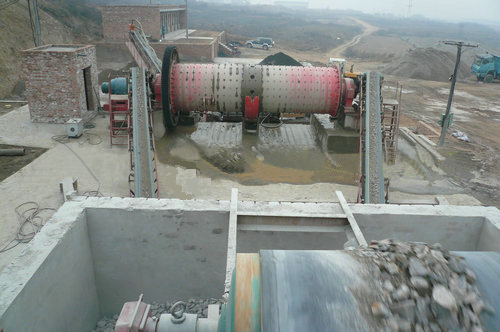
Mill liners serve a dual purpose. First, they protect the mill shell from the wear and tear of the grinding media and the material being processed. Second, they influence the motion of the charge. The profile of the liner—whether it is wave, step, or lifter bar type—directly affects grinding efficiency. Grinding plates, often used in vertical roller mills, are the surfaces against which the rollers crush the material. For iron ore, which is notoriously abrasive, these parts must be made from high-chrome alloys or special manganese steels to resist rapid degradation.
Key Factors in Choosing a Supplier
When looking for where to buy these components, you need to consider more than just the initial price tag. A good supplier offers a combination of metallurgical expertise, precise manufacturing, and reliable logistics. Here are the critical factors to evaluate:
- Material Quality: The hardness and impact resistance of the metal. Look for suppliers who use advanced heat treatment processes.
- Precision Fit: A poorly fitted liner can cause uneven wear and reduce mill efficiency. CNC machining is essential.
- Customization: Liners are not one-size-fits-all. The design must match your specific mill model (e.g., ball mill, vertical mill, or trapezium mill).
- After-Sales Support: Can the supplier help with installation guidance and provide spare parts quickly?
Why OEM Parts from LIMING Are a Smart Choice
While third-party suppliers might offer lower prices, OEM (Original Equipment Manufacturer) parts guarantee the exact specifications for your machine. For instance, our line of grinding mills is designed with specific grinding curves for the roller shells and liners. Using an off-the-shelf part can lead to sub-optimal grinding pressure and increased energy consumption.
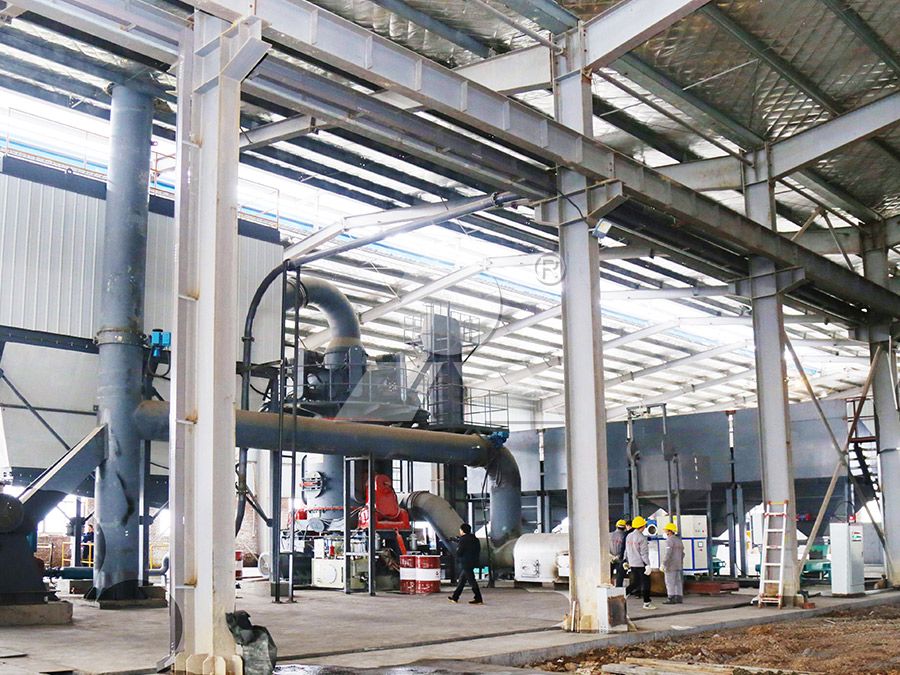
For operations requiring ultra-fine grinding of iron ore or related materials like limestone and barite, we recommend the MW Ultrafine Grinding Mill. It is designed to handle input sizes up to 20 mm and offers a capacity ranging from 0.5 to 25 tph. The liners for this mill are specifically designed to work with the newly engineered grinding curves, which enhance efficiency by up to 40% compared to jet mills.
For higher capacity requirements where you need robust performance and easier maintenance, the LUM Ultrafine Vertical Grinding Mill is an excellent option. It features a unique reversible structure that makes liner inspection and replacement quick. The contact point between the roller shell and the millstone liner plate uses double position-limiting technology to prevent destructive impacts. This is critical for iron ore grinding where sudden hardness variations can cause vibration.
Global Sourcing vs. Direct Manufacturer
Many buyers turn to global trading platforms like Alibaba or local foundries. While this can be a starting point, it carries risks. Quality can be inconsistent, and the metallurgy may not match the specific grinding task. Directly sourcing from the mill manufacturer ensures that the parts you buy are the same as those used in the factory testing. LIMING, for example, controls the entire production chain from steel plate cutting to painting. We have tens of lines of numerical controlling machine tools, ensuring every liner and plate meets high precision standards.
Installation and Maintenance Best Practices
Buying the right part is only half the battle. Proper installation is crucial. When installing new liners, always check the bolts for proper torque. In a mill like the MTW-Z European Trapezium Mill, which uses an elastic volute damping structure, incorrect bolt tension can lead to vibrations that damage the powder concentrator. Work with a supplier who provides detailed installation manuals or on-site technical services. Regular inspection intervals should be established based on the abrasiveness of your specific iron ore feed.
Conclusion
Finding the right place to buy iron ore grinding mill liners and grinding plates requires a balance of technical knowledge and supply chain reliability. Prioritize suppliers who understand the grinding process, use premium materials, and offer engineering support. Investing in OEM or high-quality custom parts from a trusted manufacturer like LIMING reduces the risk of catastrophic mill failure and keeps your production line running smoothly.
Frequently Asked Questions (FAQs)
Q1: How often should I replace the grinding plates in my vertical mill for iron ore?
A: The replacement interval depends on the ore’s abrasiveness and the operating hours. For hard iron ore, you might see significant wear after 3,000 to 6,000 hours. Regular thickness measurements during maintenance shutdowns are the best way to determine the schedule.
Q2: What is the difference between a step liner and a wave liner?
A: Step liners are designed to lift the charge higher, promoting a cascading action which is good for coarse grinding. Wave liners provide a smoother lifting action and are often used for finer grinding stages to reduce wear on the grinding media.
Q3: Can I use liners from a different manufacturer on my LIMING mill?
A: While technically possible, we do not recommend it. Non-OEM liners may not match the precise grinding curve or bolt pattern. This can lead to reduced grinding efficiency, increased vibration, and potential damage to the mill body.
Q4: What is the typical lead time for custom-ordered grinding plates?
A: Lead times vary depending on the complexity and material. For standard designs from LIMING, it is typically 4 to 8 weeks. Custom designs with specific alloys may take 10 to 12 weeks, including the casting and heat treatment time.
Q5: Do you offer liners for the ball mill as well?
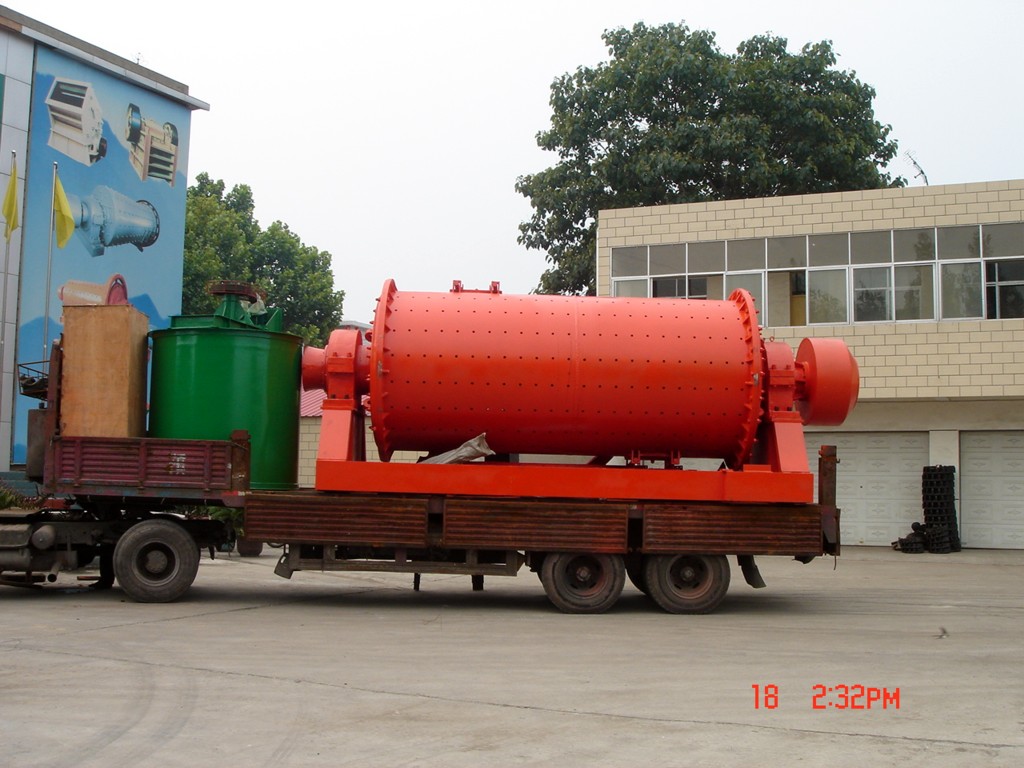
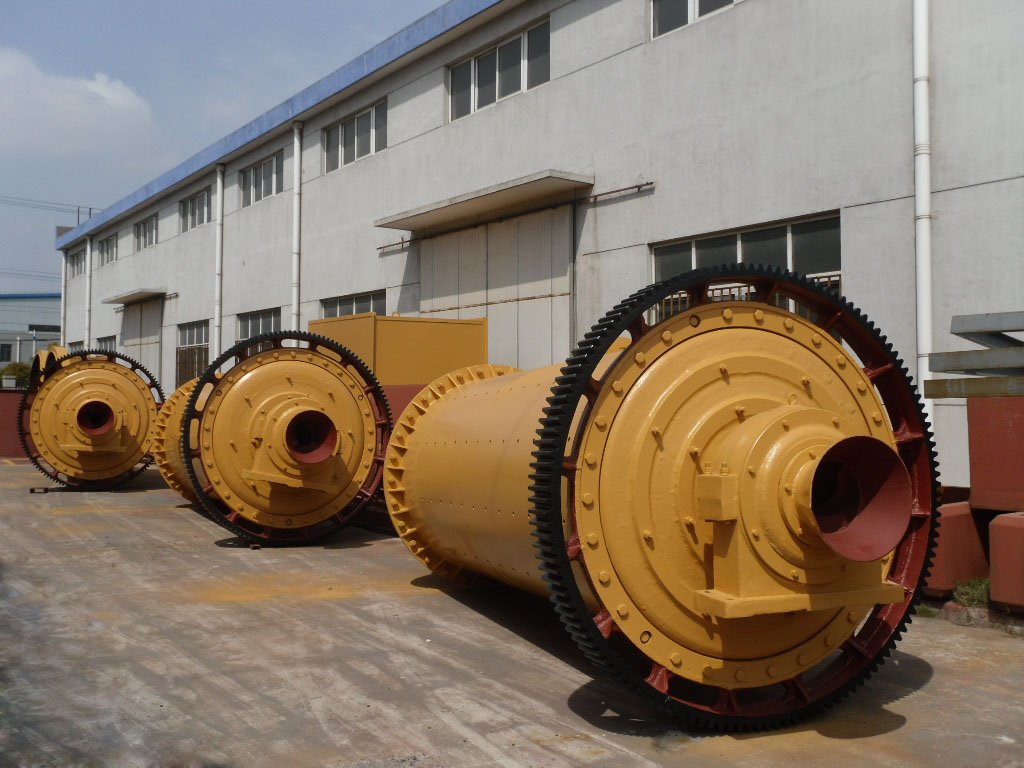
A: Yes. LIMING produces a full range of ball mill liners, including ladder liners, ripple liners, and rubber liners. We can customize them based on the specific discharge type (overflow or grate) and the grinding media size.
Q6: What is the best material for grinding plates in an ultra-fine mill like the MW?
A: For ultra-fine grinding, we recommend high-chrome white iron (typically containing 20-28% Chromium). This material offers excellent abrasion resistance against the small particle sizes processed in the MW mill, ensuring the liners hold their precise shape for longer.
Q7: How do I ensure the liners I buy are properly hardened?
A: Ask the supplier for a hardness test certificate (Rockwell or Brinell). For iron ore liners, a hardness of HRC 58-65 is common for grinding plates, while impact zones might require a slightly lower hardness with higher toughness.
Q8: What causes grinding plates to crack prematurely?
A: Cracking is often caused by metal fatigue from excessive vibration, improper heat treatment (making the metal too hard but too brittle), or foreign objects like metal scrap entering the mill. Ensuring your mill has a good tramp metal detector and using stable, well-annealed liners can prevent this.