
GY130 High Pressure Suspension Raymond Mill for Fine Powder Grinding: A Technical Deep Dive
We provide a wide range of mills — including Raymond mill, trapezoidal mill, vertical mill, ultrafine mill, and ball mill, obtained ISO9001 international quality certification, EU CE certification, and Customs Union CU-TR certification. Suitable for processing minerals such as limestone, phosphate, quicklime, kaolin, talc, barite, bentonite, calcium carbonate, dolomite, coal, gypsum, clay, carbon black, slag, cement raw materials, cement clinker, and more.
The discharge range of these mills can be adjusted to meet specific processing needs, typically from 80-400 mesh, 600-3250 mesh, and can achieve the finest particle size of up to 6000 mesh(D50).
If you are looking for a reliable grinding solution to turn stone or minerals into fine powder, please feel free to contact our online customer service.
GY130 High Pressure Suspension Raymond Mill for Fine Powder Grinding
In the demanding world of mineral processing and fine powder production, achieving consistent particle size distribution and high throughput with energy efficiency remains a paramount challenge. The GY130 High Pressure Suspension Raymond Mill stands as a robust and refined solution, engineered to meet these rigorous demands for materials with Mohs hardness below 9.3 and humidity under 6%. This machine represents a significant evolution from traditional Raymond mill designs, incorporating advanced suspension and pressurization technologies to deliver superior grinding performance for fine powders ranging from 80 to 600 mesh.
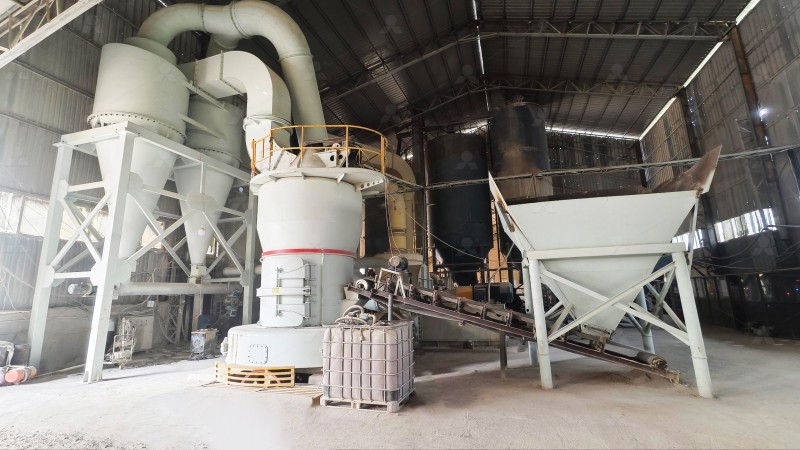
Core Design and Operational Advantages
The GY130 distinguishes itself through its high-pressure spring suspension system. This innovative design allows the grinding roller assembly to exert a consistent and adjustable pressure—up to 1200kg—against the grinding ring. This increased grinding force, compared to conventional mills, directly translates to higher crushing capacity and finer output for hard, abrasive materials. The system’s resilience also acts as a shock absorber, protecting the mainframe from vibration and oversized materials, thereby enhancing operational stability and component longevity.
Another cornerstone of the GY130’s efficiency is its closed-circuit, negative pressure pneumatic conveying system. From feeding to classification and final collection, the entire process is enclosed, virtually eliminating dust emission. The integrated high-efficiency cyclone powder collector and pulse-jet bag filter ensure a clean working environment and high product recovery rates exceeding 99%. This makes the mill particularly suitable for industries with strict environmental and health regulations.
Precision Engineering for Consistent Quality
At the heart of the GY130’s performance is its precision grinding assembly. The grinding rollers and rings are forged from high-chromium alloy or other wear-resistant materials, dramatically extending service life and maintaining grinding geometry for consistent fineness. The centrifugal classifier, driven by an independent variable-frequency motor, offers precise control over particle size. Operators can easily adjust the classifier’s rotor speed to produce the desired fineness without stopping the mill, enabling flexible production to meet varying customer specifications.
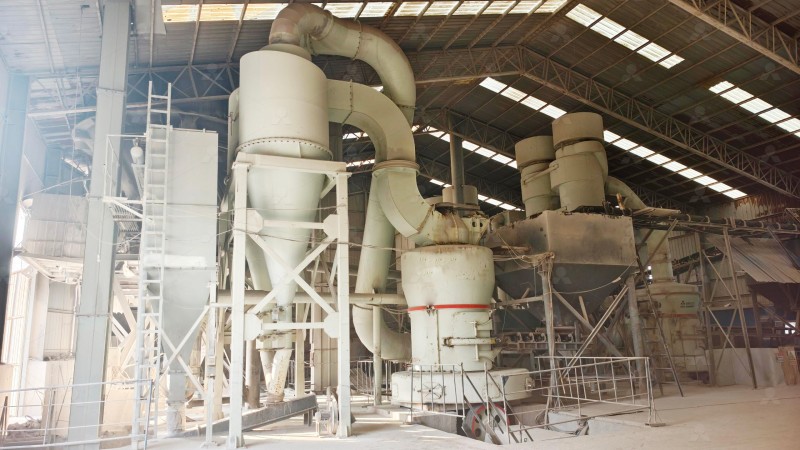
Where the GY130 Excels and When to Consider an Upgrade
The GY130 High Pressure Suspension Raymond Mill is exceptionally effective for processing non-flammable, non-explosive minerals such as barite, calcite, potassium feldspar, talc, marble, limestone, dolomite, fluorite, lime, activated clay, and glass. Its capacity typically ranges from 1 to 10 tons per hour, depending on material characteristics and final fineness.
However, for applications requiring ultra-fine powders in the range of 325 to 2500 meshes, or for processing heat-sensitive materials, our engineering team often recommends a technological upgrade. While the GY130 is superb for fine grinding, our MW Ultrafine Grinding Mill is specifically designed for the next level of fineness. The MW series achieves this through its advanced cage-type powder selector and optimized grinding curve, offering a production capacity up to 40% higher than jet mills for the same power consumption. Its unique design, with no rolling bearings or screws in the grinding chamber, eliminates common failure points and allows for external lubrication without shutdown, enabling true 24/7 continuous operation for high-volume ultra-fine powder production.
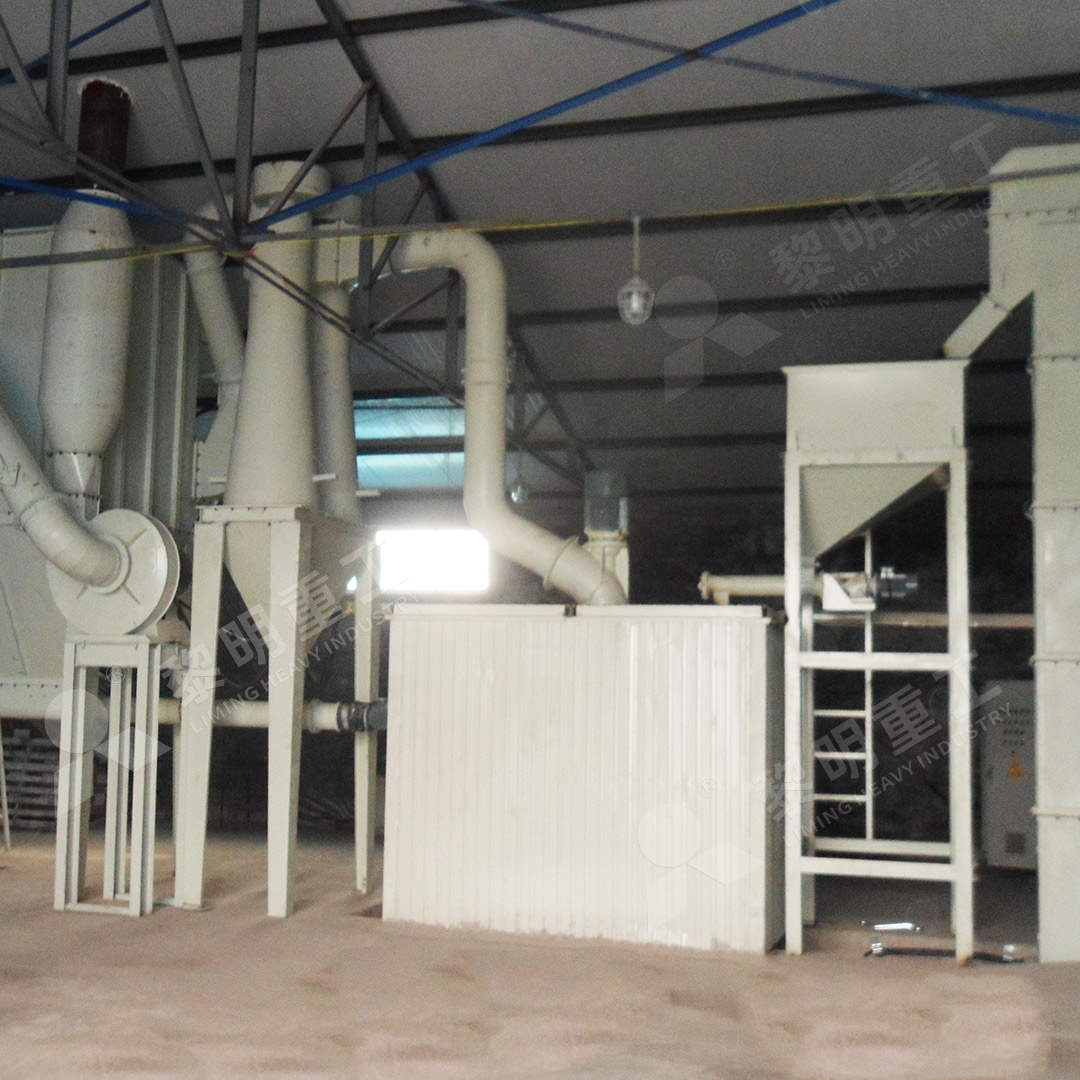
For projects demanding the ultimate in vertical integration, energy savings, and large-scale production of superfine powders from materials like limestone and calcite, the LUM Ultrafine Vertical Grinding Mill presents a compelling alternative. Integrating grinding, grading, and transportation, the LUM mill features German powder separating technology and a unique roller shell design. Its reversible structure allows grinding rollers to be easily swung out for maintenance, drastically reducing downtime. With energy consumption 30%-50% lower than common grinding mills and superior product whiteness, the LUM series is engineered for modern, high-output powder plants.
Conclusion
The GY130 High Pressure Suspension Raymond Mill remains a workhorse for reliable fine powder production. Its strength lies in its robust construction, adjustable high-pressure grinding, and efficient, dust-free operation. For operations looking to expand into ultra-fine powder markets or significantly boost efficiency and automation, leveraging our portfolio by integrating the MW or LUM series mills can provide a strategic technological advantage, ensuring your processing capabilities remain at the industry’s forefront.
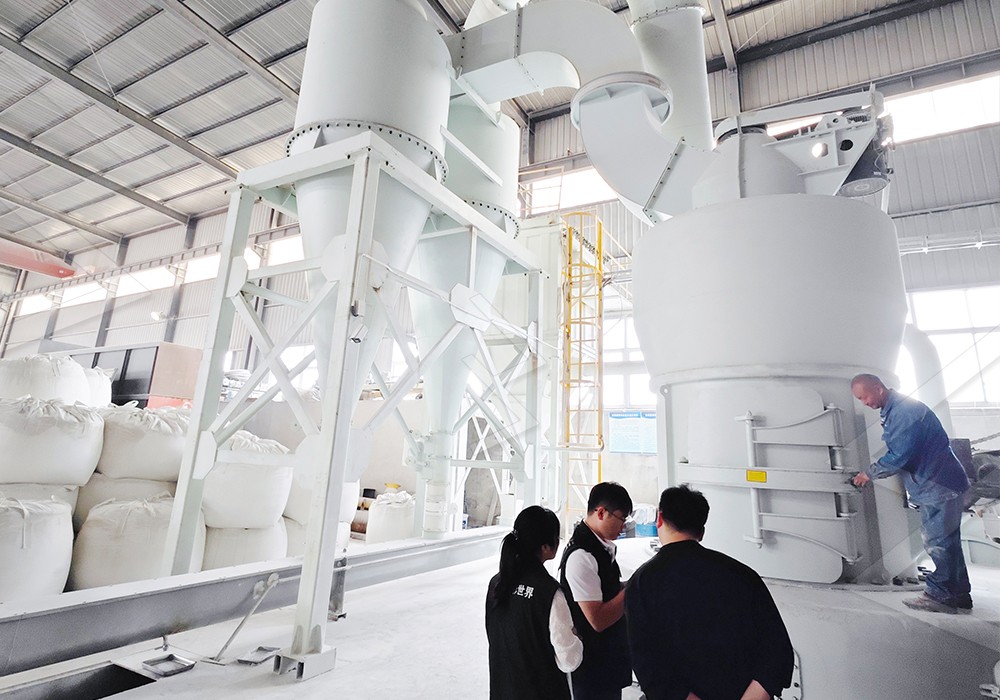
Frequently Asked Questions (FAQs)
1. What is the primary difference between the GY130 Raymond Mill and a traditional ball mill?
The GY130 utilizes a roller-spring system to apply high pressure for grinding against a stationary ring, combined with air classification. This method is generally more energy-efficient, offers better control over particle size, and has a smaller footprint than a ball mill, which relies on tumbling steel balls for impact grinding.
2. Can the GY130 handle moist materials?
The standard GY130 is designed for materials with humidity less than 6%. For materials with higher moisture content, an integrated drying system with a hot air furnace can be added to the circuit to dry and grind simultaneously, though feed size and capacity may be adjusted.
3. How often do the grinding rollers and rings need replacement?
Wear life depends entirely on the abrasiveness of the processed material. For moderately abrasive minerals like calcite, parts can last several thousand hours. For highly abrasive materials, life will be shorter. Using high-quality, wear-resistant alloy parts from the original manufacturer is crucial for optimal lifespan and consistent performance.
4. What factors influence the final output fineness of the mill?
Key factors include: the rotational speed of the classifier (the primary adjustment), the grinding pressure applied by the spring system, the feed rate (faster feeding can lead to coarser product), and the inherent hardness and grindability of the raw material.
5. Is the system operation automated?
The core grinding and classification process is stable and requires minimal intervention once set. Modern installations often include PLC control systems for monitoring main motor current, temperature, and pressure, allowing for automated feed control and alarm functions to ensure safe, stable operation.
6. When should I consider an ultrafine mill like the MW series over the GY130?
Consider the MW Ultrafine Grinding Mill when your target product fineness exceeds 600 mesh (25μm) and reaches into the 2500 mesh (5μm) range. The MW mill’s specialized separator and grinding geometry are designed for higher precision in this ultra-fine spectrum, often with better energy efficiency for these specific applications.