
Vertical Mill for Kaolin Powder Processing: Efficiency & Application
We provide a wide range of mills — including Raymond mill, trapezoidal mill, vertical mill, ultrafine mill, and ball mill, obtained ISO9001 international quality certification, EU CE certification, and Customs Union CU-TR certification. Suitable for processing minerals such as limestone, phosphate, quicklime, kaolin, talc, barite, bentonite, calcium carbonate, dolomite, coal, gypsum, clay, carbon black, slag, cement raw materials, cement clinker, and more.
The discharge range of these mills can be adjusted to meet specific processing needs, typically from 80-400 mesh, 600-3250 mesh, and can achieve the finest particle size of up to 6000 mesh(D50).
If you are looking for a reliable grinding solution to turn stone or minerals into fine powder, please feel free to contact our online customer service.
Vertical Mill for Kaolin Powder Processing: Efficiency & Application
In the realm of industrial mineral processing, kaolin stands out for its widespread use in ceramics, paper, paints, and advanced materials. Achieving the desired ultra-fine particle size and high whiteness for these applications demands precision grinding technology. Among the various milling solutions, vertical roller mills have emerged as a superior choice, offering a compelling blend of efficiency, product quality, and environmental compliance. This article explores the critical role of vertical mills in kaolin processing and highlights advanced technological solutions.
The Kaolin Processing Challenge
Kaolin, or china clay, requires careful processing to preserve its inherent brightness and structure. Traditional grinding methods, such as ball mills, often lead to issues like iron contamination, excessive energy use, and inconsistent particle size distribution. These drawbacks can compromise the final product’s quality, affecting its opacity, viscosity, and overall performance in end-use applications. The industry’s shift towards finer grades and stricter environmental standards has accelerated the adoption of more advanced milling systems.
Why Vertical Mills are the Optimal Choice
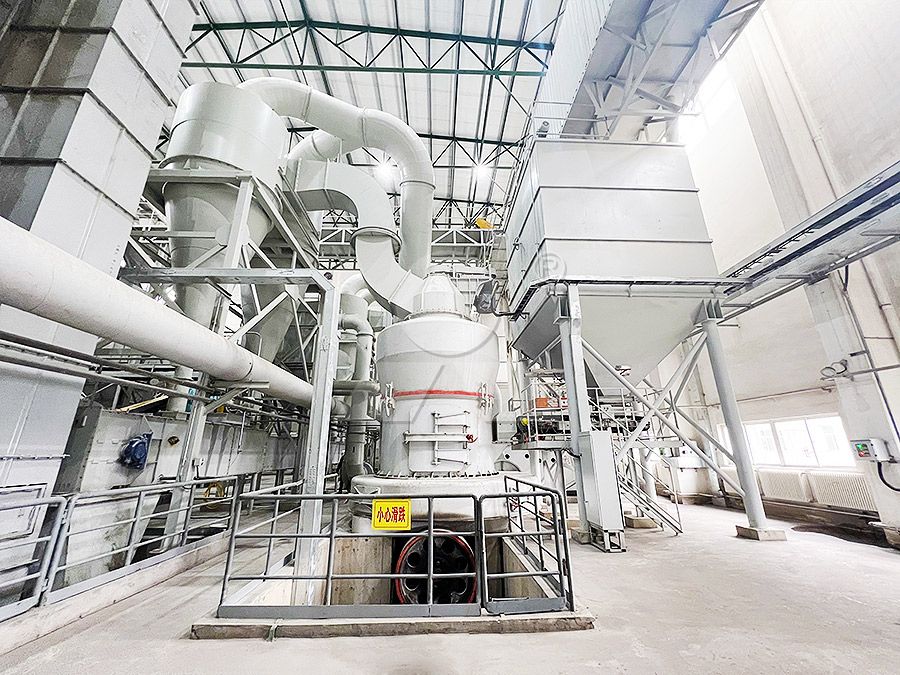
Vertical roller mills (VRMs) are engineered to overcome the limitations of conventional mills. Their core advantage lies in their integrated drying, grinding, classifying, and conveying system within a single, compact unit. For moisture-sensitive materials like kaolin, the ability to dry with hot air during grinding is a significant benefit. The fundamental principle involves material being fed onto a rotating grinding table and crushed under pressure by grinding rollers. The ground material is then pneumatically transported to an integrated high-efficiency classifier, where precise particle separation occurs.
This design translates into several key operational benefits for kaolin:
- Superior Energy Efficiency: VRMs consume 30-50% less energy compared to traditional ball mills, as grinding occurs under direct pressure rather than through inefficient impact and attrition.
- Exceptional Product Quality: The short material residence time minimizes over-grinding and reduces the risk of iron contamination from mechanical wear, crucial for maintaining kaolin’s whiteness.
- Precise Particle Size Control: Advanced dynamic classifiers allow for tight control over the top particle size and a narrow, consistent particle size distribution, essential for high-value kaolin products.
- Compact Footprint & Lower Noise: The vertical design occupies significantly less space than a ball mill circuit, and its enclosed, negative-pressure operation results in lower dust emissions and noise levels.
Advanced Solutions for Ultra-Fine Kaolin Production
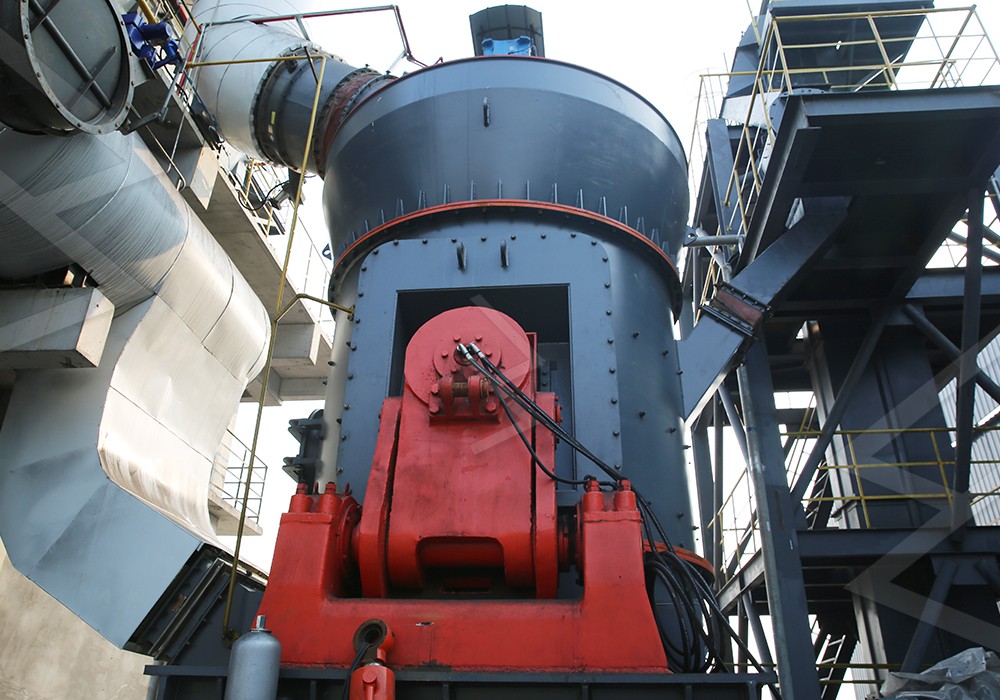
For producers targeting the high-end market with ultra-fine kaolin powders (often exceeding 1250 mesh), specialized grinding technology is paramount. Standard vertical mills can be pushed to their limits here. This is where purpose-built ultrafine grinding mills excel. A prime example is the MW Ultrafine Grinding Mill. This machine is specifically engineered for customers requiring ultra-fine powder between 325-2500 meshes. It incorporates a highly efficient cage-type powder selector based on German technology, ensuring precise separation with a screening rate that can achieve d97≤5μm in a single pass. Notably, its grinding chamber is designed without rolling bearings or screws, eliminating common failure points and enabling worry-free, continuous 24-hour operation. Coupled with an efficient pulse dust collector, it ensures an eco-friendly production process ideal for high-purity kaolin.
Another formidable option for high-quality kaolin is the LUM Ultrafine Vertical Grinding Mill. This mill integrates the latest grinding roller and powder separating technologies. Its unique roller shell and lining plate grinding curve are designed to easily generate a stable material layer, enabling a high rate of finished product from a single pass. This not only boosts efficiency but also enhances the whiteness and cleanliness of the kaolin powder. Features like double position-limiting technology protect the mill from destructive vibration, while a reversible structure allows for easy maintenance of the heavy grinding rollers, minimizing downtime.
Application Spectrum and Future Outlook
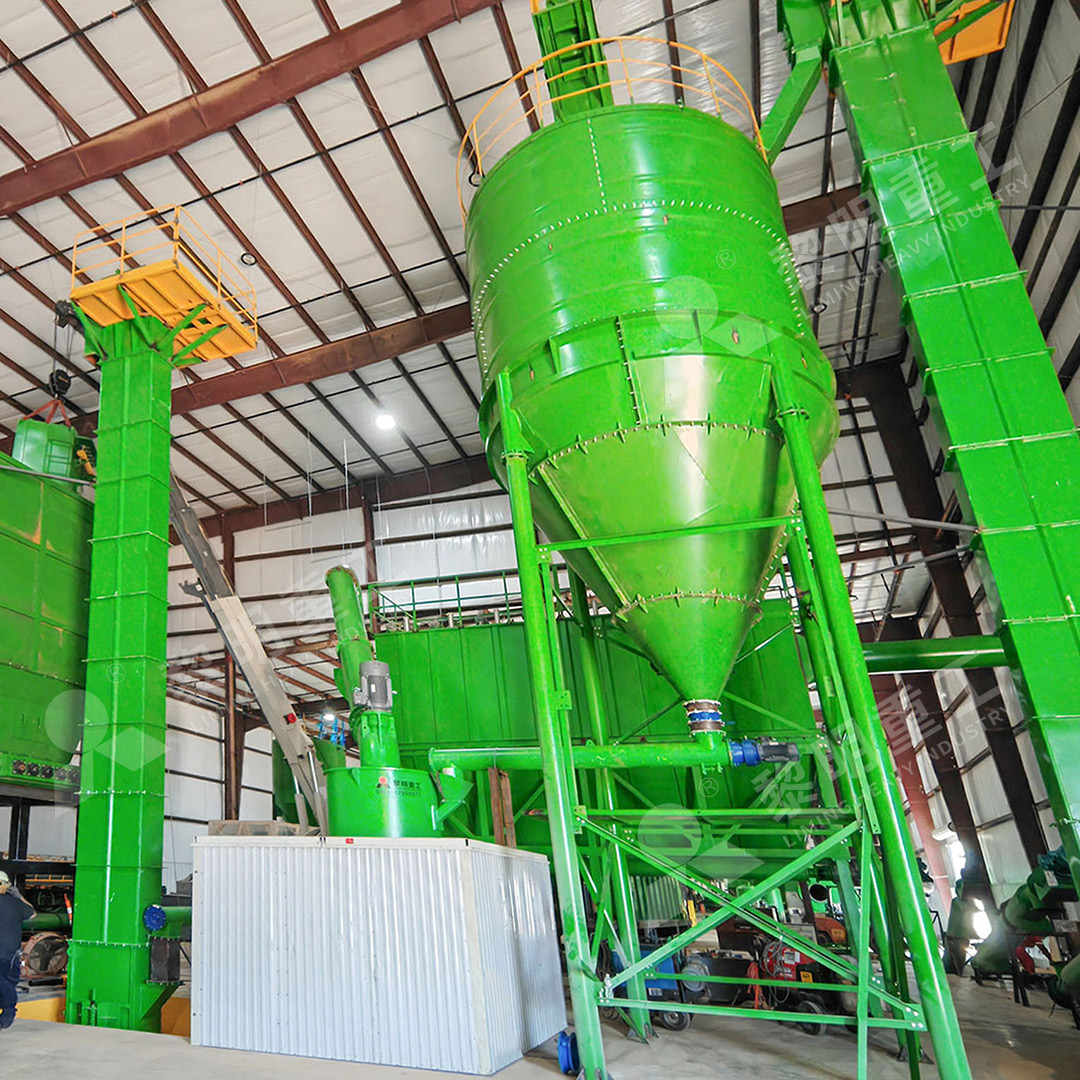
The application of finely ground kaolin from vertical mills is vast. In the paper industry, it improves gloss, opacity, and printability. For paints and coatings, it enhances suspension, brightness, and durability. In ceramics, it contributes to strength, whiteness, and plasticity. The consistency and purity achieved by modern VRMs are unlocking new possibilities in polymers, pharmaceuticals, and advanced composites.
The future of kaolin processing is inextricably linked to intelligent, efficient, and clean technology. Vertical mills, particularly advanced models like the MW and LUM series, are at the forefront of this evolution. They represent not just a piece of machinery, but a comprehensive processing system that delivers tangible returns through lower operational costs, higher product value, and sustainable production practices.
Frequently Asked Questions (FAQ)
1. What is the main advantage of a vertical mill over a ball mill for kaolin?
The primary advantages are significantly higher energy efficiency (30-50% savings), better control over product fineness and whiteness (due to less iron contamination), and a much smaller physical footprint. Vertical mills also integrate drying, which is beneficial for processing kaolin with residual moisture.
2. How fine can a vertical mill grind kaolin?
Standard vertical mills can reliably produce kaolin powder in the range of 325 to 600 mesh. For ultra-fine production up to 2500 mesh (d97 ≤ 5μm), specialized mills like the MW Ultrafine Grinding Mill are required, which feature advanced high-precision classifiers.
3. Is dust control a problem with vertical mills for kaolin?
No, modern vertical mills are designed as negative-pressure, fully enclosed systems. They are equipped with high-efficiency pulse jet baghouse dust collectors, ensuring virtually dust-free operation and compliance with strict environmental regulations.
4. How is the fineness of the final kaolin powder adjusted?
Fineness is precisely controlled by adjusting the speed of the integrated dynamic classifier (separator). Increasing the classifier speed allows only finer particles to pass, resulting in a finer product, and vice-versa. This adjustment is typically simple and can be done during operation.
5. What about wear and maintenance of the grinding parts?
Grinding rollers and tables are protected with high-performance wear-resistant materials. Mills like the LUM series feature reversible roller designs and hydraulic systems that allow rollers to be easily swung out for maintenance, drastically reducing downtime for part inspection or replacement.
6. Can a vertical mill handle kaolin with varying moisture content?
Yes, one of the key features of vertical roller mills is their ability to simultaneously dry and grind. By introducing hot air into the grinding chamber, they can effectively handle kaolin feed with a certain level of moisture, making them highly versatile.