
Raymond Mill for Ore Grinding: Key Features and Applications
We provide a wide range of mills — including Raymond mill, trapezoidal mill, vertical mill, ultrafine mill, and ball mill, obtained ISO9001 international quality certification, EU CE certification, and Customs Union CU-TR certification. Suitable for processing minerals such as limestone, phosphate, quicklime, kaolin, talc, barite, bentonite, calcium carbonate, dolomite, coal, gypsum, clay, carbon black, slag, cement raw materials, cement clinker, and more.
The discharge range of these mills can be adjusted to meet specific processing needs, typically from 80-400 mesh, 600-3250 mesh, and can achieve the finest particle size of up to 6000 mesh(D50).
If you are looking for a reliable grinding solution to turn stone or minerals into fine powder, please feel free to contact our online customer service.
Raymond Mill for Ore Grinding: Key Features and Applications
In the demanding world of mineral processing, achieving consistent and efficient size reduction is paramount. For decades, the Raymond Mill has stood as a cornerstone technology for fine grinding of ores and non-metallic minerals. Its enduring popularity stems from a robust design that balances performance, reliability, and operational cost. This article explores the core principles, modern advancements, and key applications of Raymond Mill technology, while highlighting how contemporary iterations have evolved to meet today’s industrial and environmental standards.
The Enduring Legacy and Core Working Principle
The classic Raymond Mill operates on a centrifugal grinding principle. The system typically includes the mill mainframe, classifier, blower, cyclone separator, and piping. The process begins with crushed material being fed into the grinding chamber. A rotating central shaft equipped with suspended grinding rollers swings outward due to centrifugal force, pressing against a stationary grinding ring. The material is scooped by a shovel blade and fed between the rollers and the ring, where it is pulverized.
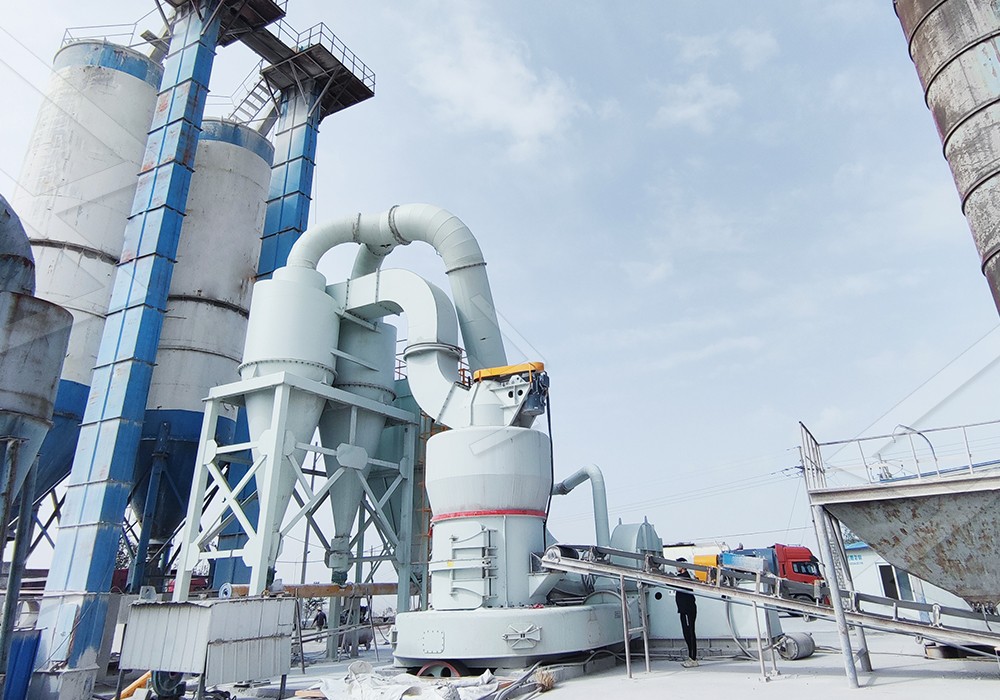
The ground particles are carried by the air stream from the blower into an integrated classifier. Here, coarse particles are rejected and returned for further grinding, while fine product passes through the classifier blades. The final product is then collected in a cyclone or bag filter. This closed-circuit system ensures controlled fineness and minimizes dust emissions.
Key Features of Modern Raymond Mill Systems
While the fundamental principle remains, modern Raymond-type mills incorporate significant upgrades that enhance efficiency, control, and sustainability.
- Enhanced Grinding Efficiency: Contemporary designs feature optimized grinding curves for rollers and rings, improving the contact area and material bed formation. This leads to higher throughput and lower specific energy consumption compared to older models and traditional ball mills for similar fineness.
- Advanced Classifier Technology: The heart of product fineness control. Modern mills utilize high-efficiency, cage-type or turbine classifiers with adjustable rotor speeds. This allows for precise control over particle size distribution, enabling producers to target specific mesh sizes from coarse (80 mesh) to relatively fine (325 mesh) ranges reliably.
- Environmental and Operational Integrity: Today’s systems are designed as negative-pressure or closed-loop operations. Integrated pulse-jet baghouse dust collectors ensure that dust emissions are kept far below regulatory limits. Furthermore, features like centralized grease lubrication or dilute oil lubrication systems for grinding rollers reduce maintenance frequency and improve operational hygiene.
- Durability and Ease of Maintenance: Key wear parts like grinding rollers and rings are now manufactured from advanced alloy materials, offering service life several times longer than traditional high manganese steel. Modular and split designs on certain components allow for easier replacement, minimizing downtime.
Primary Industrial Applications
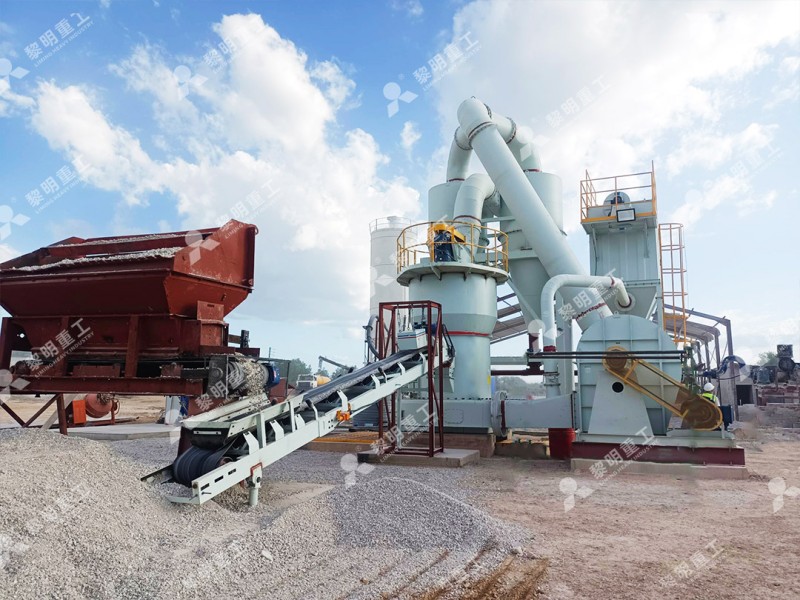
Raymond Mills are exceptionally versatile, serving a wide array of industries by processing non-explosive, non-flammable materials with Mohs hardness below 9.3 and humidity less than 6%.
- Mining and Minerals: Fine grinding of barite, calcite, potassium feldspar, talc, marble, limestone, dolomite, fluorite, lime, activated clay, activated carbon, bentonite, kaolin, cement, phosphate rock, gypsum, glass, and other materials.
- Construction Materials: Production of fine powders for cement blends, gypsum for wallboard, and various fillers.
- Metallurgy & Chemical Industry: Preparation of pulverized coal for kilns and boilers, and processing of various chemical raw materials.
The ability to produce consistent powders in the 80-325 mesh range makes it ideal for applications where controlled particle size is critical for downstream processes, reactivity, or product quality.
Beyond Traditional Raymond: The Push for Ultrafine Grinding
As industry demands shift towards higher-value, superfine powders, the technology has evolved. For applications requiring fineness between 325 and an impressive 2500 meshes, traditional roller mills reach their limit. This is where next-generation, ultra-fine grinding mills take center stage.
For customers seeking to produce ultra-fine powder with superior efficiency, our MW Ultrafine Grinding Mill represents a significant leap forward. Engineered for high yield and low energy consumption, its innovative design features a cage-type powder selector based on German technology for precise particle separation, achieving a screening rate of d97≤5μm in a single pass. Notably, its grinding chamber eliminates rolling bearings and screws, removing common failure points and enabling external lubrication without shutdown for true 24/7 operational capability. Coupled with an efficient pulse dust collector, it delivers high-precision, eco-friendly production for materials like limestone, calcite, dolomite, and specialty chemicals.
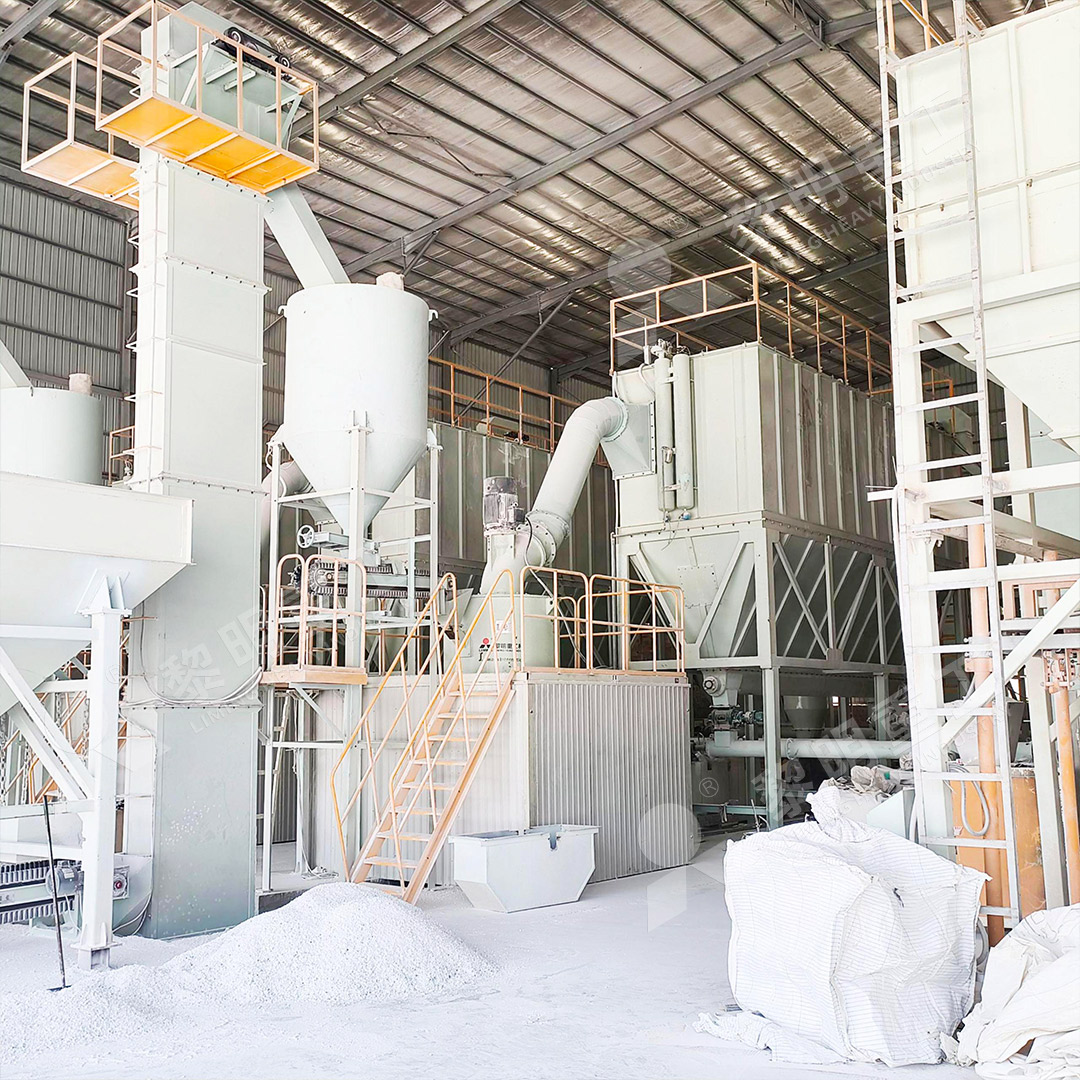
For operations prioritizing vertical integration and large-scale production of fine powders, the LUM Ultrafine Vertical Grinding Mill is an exemplary choice. Integrating grinding, classifying, and transporting, it boasts a unique roller shell design that promotes stable material layer formation for higher one-pass yield and better product whiteness. Its multi-head powder separating technology, controlled by a PLC system, allows for precise cuts and fast switching between product specifications while reducing energy consumption by 30%-50%. The reversible roller structure greatly simplifies maintenance, ensuring operational continuity.
Conclusion
From its robust origins to today’s highly efficient and environmentally sound systems, Raymond Mill technology continues to be a vital solution for ore and mineral grinding. The choice of system—from a reliable, traditional Raymond setup to an advanced ultra-fine vertical mill—depends on the target fineness, capacity, and material characteristics. By leveraging modern designs that focus on energy savings, precise classification, and operational reliability, producers can achieve optimal grinding performance that meets both economic and environmental goals.
Frequently Asked Questions (FAQ)
- What is the typical particle size range achievable with a standard Raymond Mill?
Traditional Raymond Mills are excellent for producing powders in the range of 80 to 325 mesh (180 to 45 microns). Finer adjustments within this range are made by controlling the speed of the integrated classifier. - How does an Ultrafine Mill like the MW series differ from a traditional Raymond Mill?
The MW Ultrafine Grinding Mill is engineered for much finer outputs, from 325 to 2500 mesh. It employs a more advanced, high-precision cage-type selector, a different grinding chamber geometry, and often operates at higher rotational speeds to achieve ultrafine particle sizes with high classification accuracy. - What are the main advantages of a vertical grinding mill (like LUM) design?
Vertical mills like the LUM series offer a smaller footprint, integrated drying/grinding/classifying, higher grinding efficiency due to direct roller pressure on a bed of material, and typically lower energy consumption per ton of product compared to traditional horizontal ball or Raymond mills. - Can these mills handle moist materials?
Standard configurations are designed for materials with low moisture content (typically <6%). However, many modern vertical mill designs can be equipped with hot air intake systems to simultaneously dry and grind materials with higher moisture content. - How is dust control managed in these grinding systems?
Modern systems are designed as closed-loop, negative-pressure circuits. The final collection is handled by high-efficiency pulse-jet baghouse filters or cyclone separators, ensuring dust emissions are minimal and compliant with strict environmental regulations. - What factors most influence the wear rate of grinding parts?
The abrasiveness of the processed material (Mohs hardness), the required production fineness (finer grinding can increase wear), and the throughput capacity are primary factors. Using wear parts made from specialized alloys can dramatically extend service life.