
Power Plant Desulfurization Limestone Grinding Mill Sales and Specifications
We provide a wide range of mills — including Raymond mill, trapezoidal mill, vertical mill, ultrafine mill, and ball mill, obtained ISO9001 international quality certification, EU CE certification, and Customs Union CU-TR certification. Suitable for processing minerals such as limestone, phosphate, quicklime, kaolin, talc, barite, bentonite, calcium carbonate, dolomite, coal, gypsum, clay, carbon black, slag, cement raw materials, cement clinker, and more.
The discharge range of these mills can be adjusted to meet specific processing needs, typically from 80-400 mesh, 600-3250 mesh, and can achieve the finest particle size of up to 6000 mesh(D50).
If you are looking for a reliable grinding solution to turn stone or minerals into fine powder, please feel free to contact our online customer service.
Power Plant Desulfurization Limestone Grinding Mill Sales and Specifications
In the critical arena of power generation, environmental compliance is not just a regulatory hurdle—it’s a cornerstone of sustainable operation. Flue Gas Desulfurization (FGD) systems stand as the primary defense against sulfur dioxide emissions, and at the heart of the most common wet scrubbing processes lies a fundamental component: finely ground limestone. The efficiency, reliability, and cost-effectiveness of the entire desulfurization process hinge directly on the performance of the limestone grinding mill. Selecting the right equipment is therefore a decision of paramount importance, impacting operational expenditure, emission targets, and plant uptime.
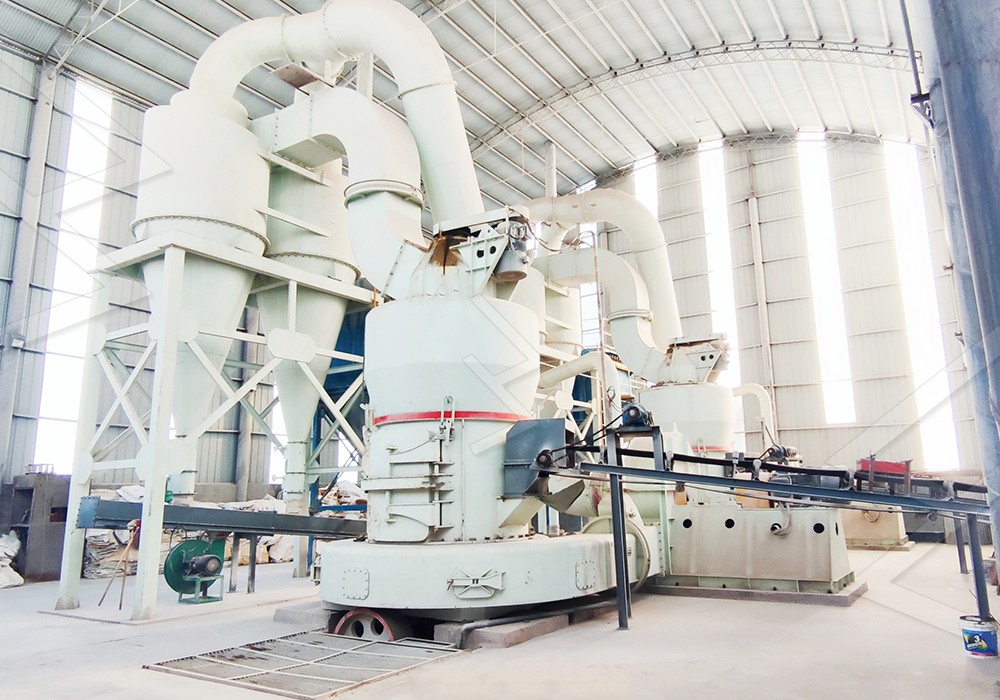
The ideal mill for power plant desulfurization must excel across several key parameters. It must deliver a consistent product fineness, typically ranging from 325 to 2500 meshes, to maximize the reactive surface area of the limestone slurry. High capacity and energy efficiency are non-negotiable for large-scale, continuous operation. Furthermore, the system must be engineered for robustness with minimal maintenance requirements, operate with low noise levels, and integrate effective dust collection to uphold stringent environmental and workplace standards. The challenge lies in finding a machine that balances these demanding technical specifications with long-term operational economy.
Critical Considerations for Mill Selection
When evaluating grinding mills for FGD limestone preparation, engineers focus on a core set of performance indicators. Throughput capacity must align with the boiler size and SO2 removal requirements. Energy consumption per ton of product is a major driver of operating costs. The system’s footprint is also crucial, especially in retrofit scenarios where space is constrained. Perhaps most importantly, the mill’s design dictates its availability; complex internal bearings, difficult-to-access grinding elements, and unreliable powder separation can lead to excessive downtime. Modern solutions aim to simplify mechanics while enhancing control over the grinding and classification processes.
Advanced Mill Technologies for Superior Performance
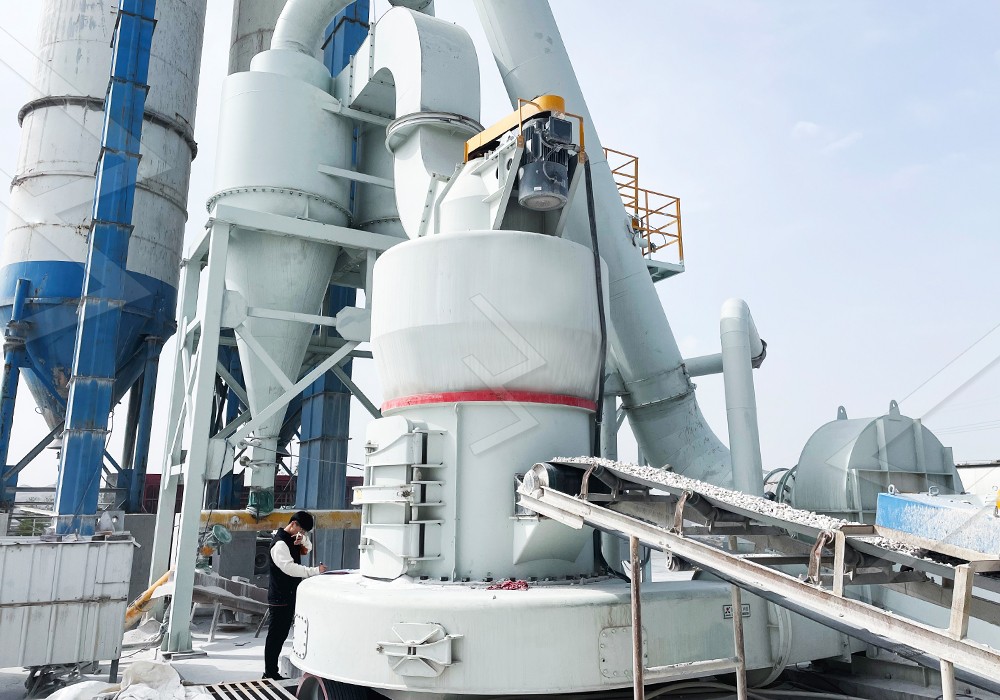
The evolution of grinding technology has moved decisively towards vertical roller mill (VRM) designs for such industrial applications. VRMs integrate drying, grinding, classification, and conveying into a single, compact unit, offering significant advantages in energy efficiency and space utilization. For power plant desulfurization, where consistent, ultra-fine limestone powder is the goal, the latest generation of ultrafine vertical grinding mills represents the optimal choice.
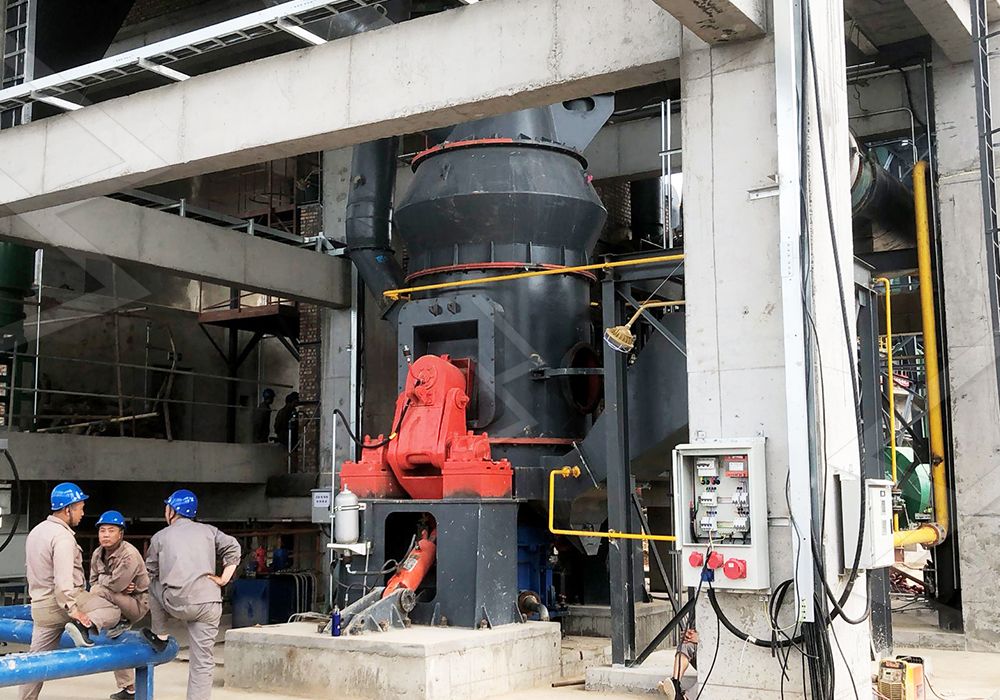
Among the leading solutions in this category, our LUM Ultrafine Vertical Grinding Mill is engineered specifically to meet the rigorous demands of high-volume mineral processing. Independently designed with advanced grinding roller and German powder separating technology, it integrates ultrafine powder grinding, grading, and transporting seamlessly. For FGD limestone, it offers a decisive advantage: a uniquely designed roller shell and lining plate grinding curve that promotes stable material layer formation. This design enables a high rate of finished product yield from a single pass, dramatically enhancing grinding efficiency while improving the whiteness and purity of the final powder—a key quality metric. With an input size of 0-10 mm and a capacity range of 5-18 tph, it is perfectly scaled for many desulfurization circuits.
For operations requiring a different balance of capacity and fineness, our MW Ultrafine Grinding Mill presents another compelling option. This mill is designed for customers dedicated to producing ultra-fine powder with exceptional operational stability. A standout feature for maintenance teams is the absence of rolling bearings and screws within the grinding chamber itself. This innovative design eliminates common failure points, freeing operators from concerns about bearing damage or seal failures, and prevents machine damage from loose screws. The mill’s cage-type powder selector allows precise fineness adjustment between 325-2500 meshes. With an input size of 0-20 mm and a capacity of 0.5-25 tph, the MW series provides excellent flexibility. Its higher yield and lower energy consumption—reportedly 40% higher capacity than some jet mills with only 30% of the energy use—translate directly into lower cost per ton of desulfurization agent produced.
Beyond the Machine: Ensuring Operational Excellence
Investing in advanced technology is only the first step. Long-term, worry-free operation depends on digital manufacturing precision, comprehensive after-sales support, and ready access to genuine spare parts. Our mills are manufactured using tens of lines of numerical control machine tools, ensuring high machining precision for all core components. Furthermore, we take full responsibility for every machine we produce. We provide complete technical services and guarantee the supply of original spare parts, ensuring your desulfurization grinding system operates continuously and efficiently, safeguarding your plant’s environmental compliance and productivity.
Frequently Asked Questions (FAQ)
1. What is the typical fineness range required for limestone powder in wet FGD systems?
For optimal reactivity in wet scrubbers, limestone powder generally needs a fineness of 90% passing 325 mesh (44 μm) or finer. Many modern systems target even finer grinds, up to 2500 meshes, to maximize surface area and absorption efficiency. Our LUM and MW series mills are specifically designed to achieve and consistently maintain this critical fineness spectrum.
2. How does a vertical grinding mill save energy compared to a traditional ball mill for this application?
Vertical roller mills like the LUM and MW series are significantly more energy-efficient due to their grinding principle. They utilize a bed of material between rollers and a table, employing primarily compression grinding, which is less energy-intensive than the impact and attrition of tumbling balls in a ball mill. Additionally, VRMs integrate drying with waste heat, further reducing energy consumption by 30% to 50% compared to ball mill systems.
3. What are the key maintenance advantages of the MW Ultrafine Grinding Mill’s “no rolling bearing in the chamber” design?
This design is a major breakthrough for reliability. By placing all critical rolling bearings outside the abrasive grinding chamber, they are shielded from fine limestone dust ingress, which is the primary cause of premature bearing failure. This leads to dramatically extended bearing life, eliminates frequent lubrication interventions inside the mill, and allows for external lubrication without shutdown, supporting continuous 24/7 operation.
4. Can your mills handle variations in the moisture content of the raw limestone?
Yes, both the LUM Ultrafine Vertical Mill and our larger LM Vertical Grinding Mill series are designed as air-swept grinding systems that integrate drying. By introducing hot air from the power plant’s waste heat sources (if available) or an auxiliary heater into the mill, they can effectively handle limestone with a certain moisture content, drying and grinding it in a single step, simplifying the process flow.
5. How is the final product fineness controlled and adjusted in your mills?
Fineness is precisely controlled through advanced, multi-head cage-type powder selectors (classifiers). In our mills, the speed of the classifier rotor is adjustable via the PLC control system. Increasing the rotor speed allows only finer particles to pass, resulting in a finer product, while decreasing it yields a coarser powder. This allows operators to easily adjust fineness to meet specific FGD process requirements in real-time.
6. What dust collection systems are integrated with your grinding mills?
Our grinding systems are designed as negative-pressure, closed-loop circuits. They are equipped with high-efficiency pulse jet baghouse dust collectors. This ensures that all process air is thoroughly filtered before release, resulting in no dust pollution during operation. The emission concentration comfortably meets and exceeds international environmental protection standards.