
Efficient Vertical Roller Mill by Liming: Key Features for Industrial Grinding
We provide a wide range of mills — including Raymond mill, trapezoidal mill, vertical mill, ultrafine mill, and ball mill, obtained ISO9001 international quality certification, EU CE certification, and Customs Union CU-TR certification. Suitable for processing minerals such as limestone, phosphate, quicklime, kaolin, talc, barite, bentonite, calcium carbonate, dolomite, coal, gypsum, clay, carbon black, slag, cement raw materials, cement clinker, and more.
The discharge range of these mills can be adjusted to meet specific processing needs, typically from 80-400 mesh, 600-3250 mesh, and can achieve the finest particle size of up to 6000 mesh(D50).
If you are looking for a reliable grinding solution to turn stone or minerals into fine powder, please feel free to contact our online customer service.
Introduction: The Evolution of Industrial Grinding
In the world of industrial grinding, efficiency is not just a buzzword—it’s the backbone of profitability and operational excellence. Over the past decade, the demand for finer powders, higher throughput, and lower energy consumption has driven manufacturers to rethink traditional milling technologies. Liming Heavy Industry, with decades of hands-on experience in crushing and grinding equipment, has responded with a suite of vertical roller mills that are redefining what’s possible in mineral processing.
Whether you’re grinding limestone for desulfurization plants, producing ultrafine powders for the cosmetics industry, or processing coal for power generation, the right mill can make or break your operation. This article dives into the key features that make Liming’s vertical roller mills stand out from the crowd, focusing on practical benefits that matter to plant managers and process engineers.
Higher Yielding, Lower Energy Consumption: The Core Advantage
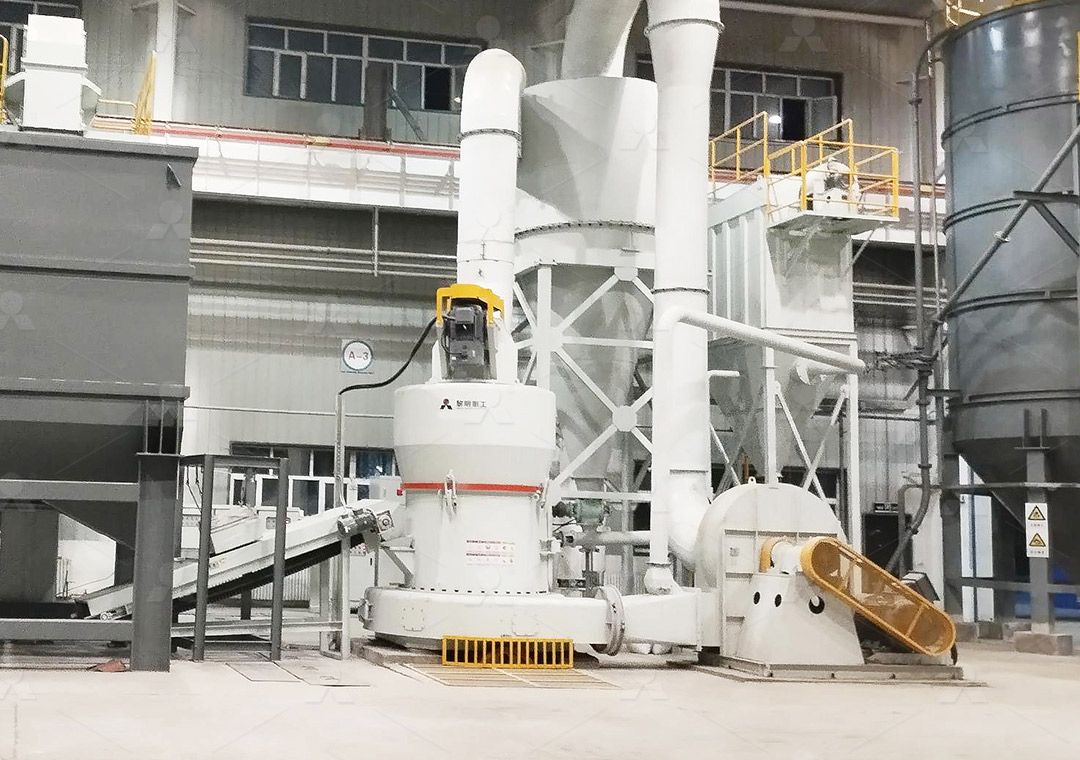
One of the most compelling reasons to switch to a vertical roller mill is the dramatic reduction in energy usage without sacrificing output. Liming’s engineering team has focused intensely on optimizing the grinding curves of roller shells and ring liners. The result is a mill that delivers a 40% higher capacity compared to jet mills and stirred mills under the same power conditions, and twice the yield of traditional ball mills. The system energy consumption? Only 30% of what a jet mill requires.
This is not just theoretical. In field applications processing materials like calcite, barite, and marble, users consistently report lower electricity bills and higher daily tonnages. The key lies in the unique roller and ring profile that creates an efficient material bed, minimizing unnecessary recirculation and maximizing the proportion of finished product on the first pass.
Adjustable Fineness: From 325 to 2500 Mesh with Precision
Not every application demands the same particle size. Some industries, like paint and cosmetics, require ultra-fine powders in the range of d97 ≤ 5μm. Others, like construction materials, may be satisfied with 400 mesh. Liming’s vertical mills, particularly the MW Ultrafine Grinding Mill, offer exceptional flexibility. The cage-type powder selector, based on German technology, allows operators to adjust fineness between 325 and 2500 mesh with minimal downtime.
This adjustability is achieved through a multi-head selector system that can be configured based on your specific yield and sieving rate requirements. It means one machine can serve multiple product lines, reducing the need for dedicated mills for each specification. For plant managers, this translates to lower capital expenditure and greater agility in responding to market changes.
No Rolling Bearings or Screws in the Grinding Chamber: A Reliability Breakthrough
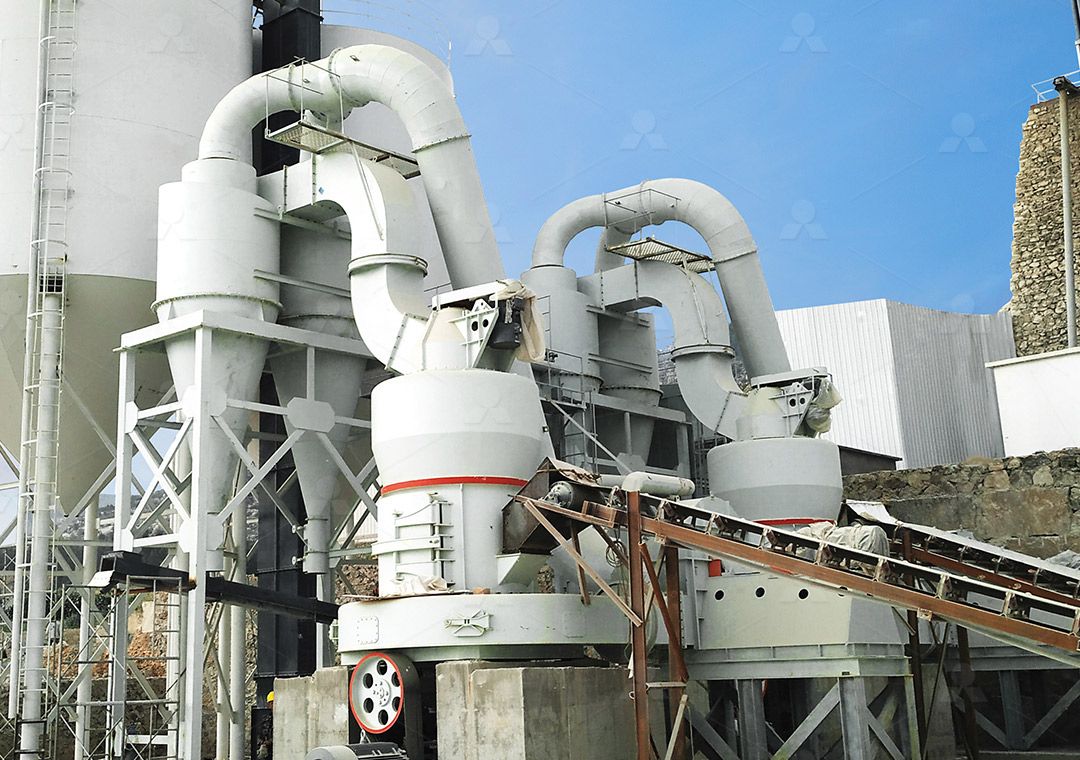
Traditional mills often suffer from mechanical failures caused by bearing damage or loose screws inside the grinding chamber. These issues lead to unplanned shutdowns, costly repairs, and lost production time. Liming addressed this head-on by designing a grinding chamber that contains zero rolling bearings and no screws. This eliminates the most common failure points entirely.
Instead, the lubricating device is mounted externally on the main shaft. This design allows for lubrication without stopping the machine, enabling continuous 24-hour operation. For industries where every hour of downtime represents thousands of dollars in lost revenue, this feature alone can justify the investment in a Liming vertical mill.
Environmental Compliance: Dust Collection and Noise Reduction
Regulatory pressure around dust emissions and noise pollution is tightening globally. Liming’s vertical mills are engineered to meet the strictest environmental standards without requiring expensive add-ons. The MW Ultrafine Grinding Mill, for instance, comes equipped with a high-efficiency pulse dust collector that captures virtually all particulate matter. The system operates under negative pressure, ensuring that no dust escapes into the workspace.
Noise is another concern, especially in facilities located near residential areas. Liming integrates mufflers and noise elimination rooms into the mill design. The result is a grinding system that not only performs but also keeps the workplace safe and compliant. This is not just about avoiding fines—it’s about building a sustainable operation that your community can support.
Digital Manufacturing: Precision You Can Count On
While the mill’s performance in the field is what ultimately matters, the quality of its construction is a strong predictor of long-term reliability. Liming operates dozens of numerical control machine tools for cutting, bending, planing, milling, and painting. Every core component is machined to tight tolerances, ensuring that parts fit precisely and wear evenly.
This digital approach to manufacturing also means that replacement parts are consistent. If you need a new roller shell or liner plate, you can be confident that it will match the original specifications exactly. For maintenance teams, this reduces the time spent on adjustments and tuning.
Spare Parts Availability: Keeping Your Mill Running
No matter how well a machine is built, wear parts will eventually need replacement. Liming takes full responsibility for every mill it produces, from the smallest Raymond mill to the largest LM vertical mill. The company maintains a comprehensive inventory of original spare parts, including grinding rollers, rings, powder selectors, and sealing components.
Technical support is available to help you diagnose issues, plan maintenance schedules, and optimize performance. This level of after-sales service is rare in the heavy equipment industry, but it’s a cornerstone of Liming’s commitment to its customers. The goal is simple: ensure worry-free operation for the life of the machine.
Product Spotlight: MW Ultrafine Grinding Mill and LUM Ultrafine Vertical Grinding Mill
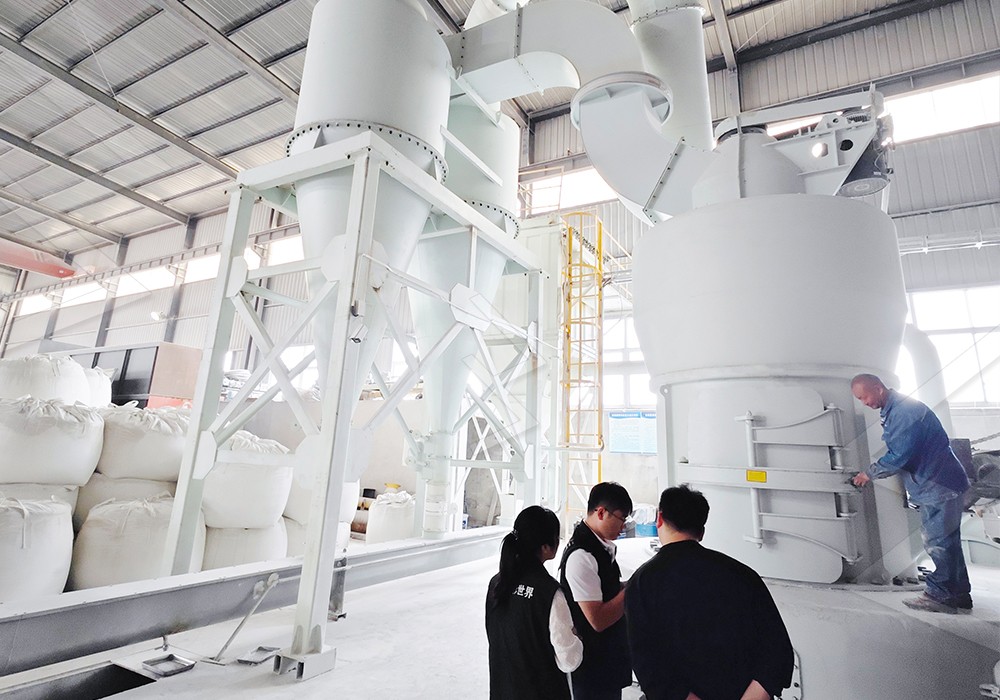
For customers who need to produce ultra-fine powders with fineness ranging from 325 to 2500 mesh, the MW Ultrafine Grinding Mill is an excellent choice. It handles input sizes up to 20 mm and delivers capacities from 0.5 to 25 tph. The integrated pulse dust collector and muffler make it suitable for environmentally sensitive applications. Typical materials include limestone, calcite, dolomite, barite, marble, talc, gypsum, and petroleum coke. It is widely used in chemical processing, paint manufacturing, cosmetics production, medicine, and food additives.
If you need a higher capacity solution with advanced powder separating technology, consider the LUM Ultrafine Vertical Grinding Mill. It accepts feed sizes up to 10 mm and offers throughput from 5 to 18 tph. The LUM series features Taiwan grinding roller technology and German powder separation technology. Its double position-limiting technology prevents destructive vibrations, and the reversible structure simplifies roller and liner maintenance. This mill is ideal for superfine dry powder processing of non-metal ores like calcite, marble, limestone, talc, barite, and dolomite.
Both mills embody Liming’s philosophy of combining high efficiency with low operating costs. They are designed to deliver consistent product quality while minimizing energy consumption and environmental impact.
Working Principle: How the Vertical Roller Mill Operates
Understanding the working principle helps operators get the most out of the equipment. In Liming’s vertical roller mills, the main motor drives the millstone (or grinding table) through a reduction gearbox. Material is fed onto the center of the millstone, where centrifugal force moves it outward toward the grinding zone. Rollers, mounted on a rotating turnplate, press against the material, crushing it between the roller shell and the ring liner.
The grinding process is continuous. Fine material is carried upward by an air stream to a powder separator, where a rotating turbine selects particles of the desired size. Coarse particles drop back to the millstone for further grinding, while fine powder is collected in a cyclone or bag filter. The entire system operates under negative pressure, preventing dust leakage. For mills equipped with hot air, like the LM Vertical Coal Mill, drying occurs simultaneously with grinding, allowing high-moisture feeds to be processed efficiently.
Why Choose Liming Vertical Roller Mills?
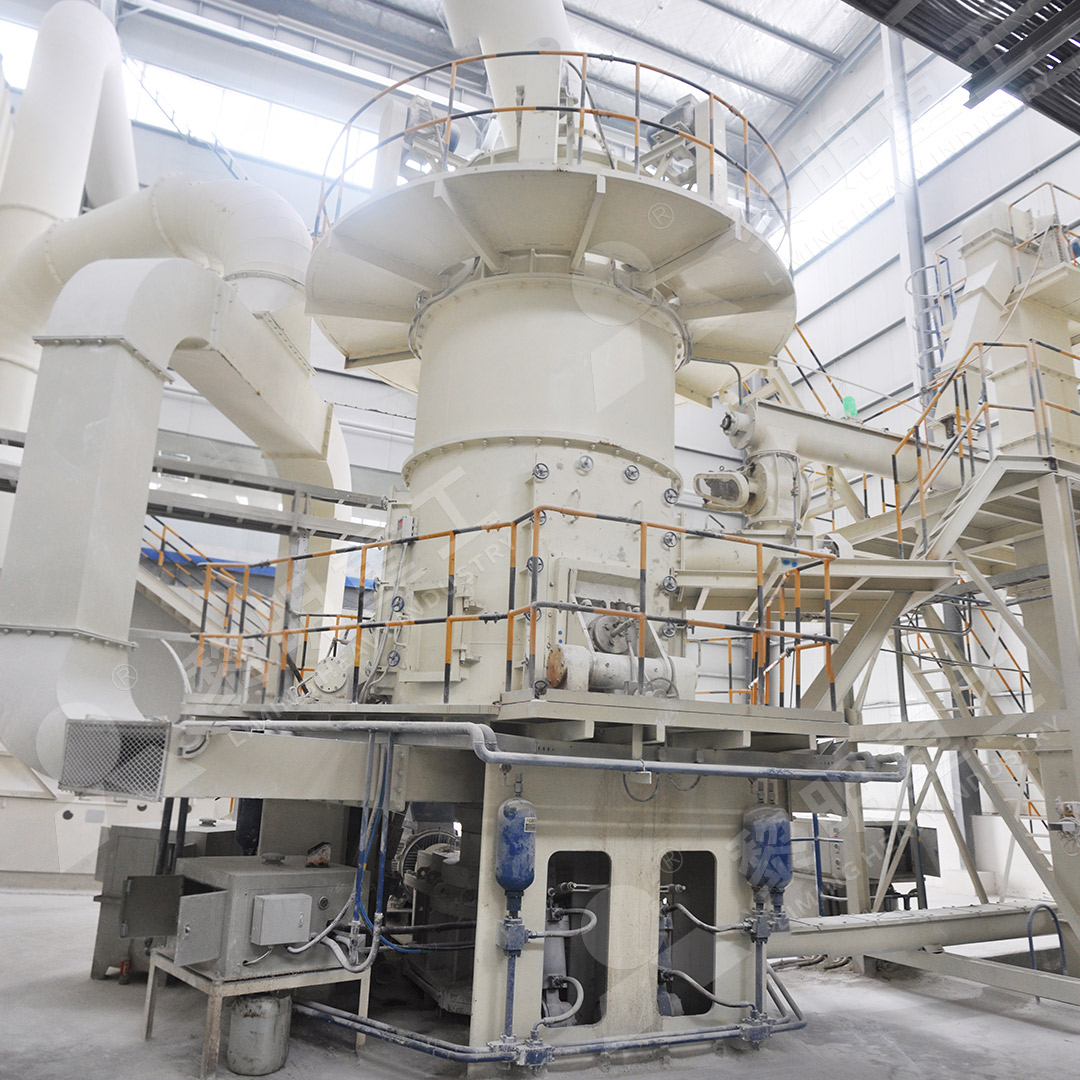
The decision to invest in new grinding equipment should be based on hard data: energy savings, uptime, product quality, and total cost of ownership. Liming’s vertical roller mills deliver on all fronts. They are built to last, designed for easy maintenance, and supported by a global network of parts and service centers.
Whether you are expanding an existing plant or building a new one, Liming offers a range of mills to match your specific needs. From the compact Raymond mill to the high-capacity LM Vertical Grinding Mill, there is a solution for every application. Contact your local Liming representative to arrange a test grind with your material and see the difference for yourself.
Frequently Asked Questions (FAQ)
- Q: What is the maximum feed size for the MW Ultrafine Grinding Mill?
A: The MW Ultrafine Grinding Mill accepts feed sizes up to 20 mm. For larger materials, a primary crusher should be used to reduce the feed size before milling. - Q: Can the LUM Ultrafine Vertical Grinding Mill produce powders finer than 2500 mesh?
A: The LUM mill is typically capable of producing fineness between 325 and 2500 mesh. For applications requiring d97 ≤ 5μm, the MW mill may be a better fit due to its specialized cage-type separator. - Q: How often do grinding rollers need to be replaced?
A: Replacement intervals depend on the abrasiveness of the material and the total operating hours. For most limestone and calcite applications, roller shells can last 6,000 to 8,000 hours. Liming stocks original spare parts to minimize downtime. - Q: Is it possible to automate the mill operation?
A: Yes. Liming mills can be integrated with PLC-based control systems that monitor feed rate, grinding pressure, separator speed, and bearing temperatures. Remote control and data logging are available for advanced users. - Q: What is the power consumption compared to a ball mill?
A: Liming vertical roller mills typically save 30% to 50% in energy consumption compared to traditional ball mills. In some applications, the savings can be even higher when processing materials like coal or slag. - Q: Do I need a separate dryer for moist materials?
A: For materials with moisture content up to about 10-15%, the mill can dry and grind simultaneously using hot gas injected into the grinding chamber. For higher moisture, a pre-drying step may be recommended. - Q: Can your mills handle sticky or fibrous materials?
A: Liming mills are optimized for brittle, non-metallic minerals. Sticky or fibrous materials may cause build-up on the grinding table or separator. We recommend consulting with our application engineers for non-standard materials. - Q: What warranty do you offer on new mills?
A: Liming provides a standard warranty covering defects in materials and workmanship. Extended service contracts and performance guarantees are available on a case-by-case basis. Contact our sales team for specific terms.