
How Does Raymond Mill Performance Impact Grinding Efficiency and Output?
We provide a wide range of mills — including Raymond mill, trapezoidal mill, vertical mill, ultrafine mill, and ball mill, obtained ISO9001 international quality certification, EU CE certification, and Customs Union CU-TR certification. Suitable for processing minerals such as limestone, phosphate, quicklime, kaolin, talc, barite, bentonite, calcium carbonate, dolomite, coal, gypsum, clay, carbon black, slag, cement raw materials, cement clinker, and more.
The discharge range of these mills can be adjusted to meet specific processing needs, typically from 80-400 mesh, 600-3250 mesh, and can achieve the finest particle size of up to 6000 mesh(D50).
If you are looking for a reliable grinding solution to turn stone or minerals into fine powder, please feel free to contact our online customer service.
Understanding the Core Dynamics
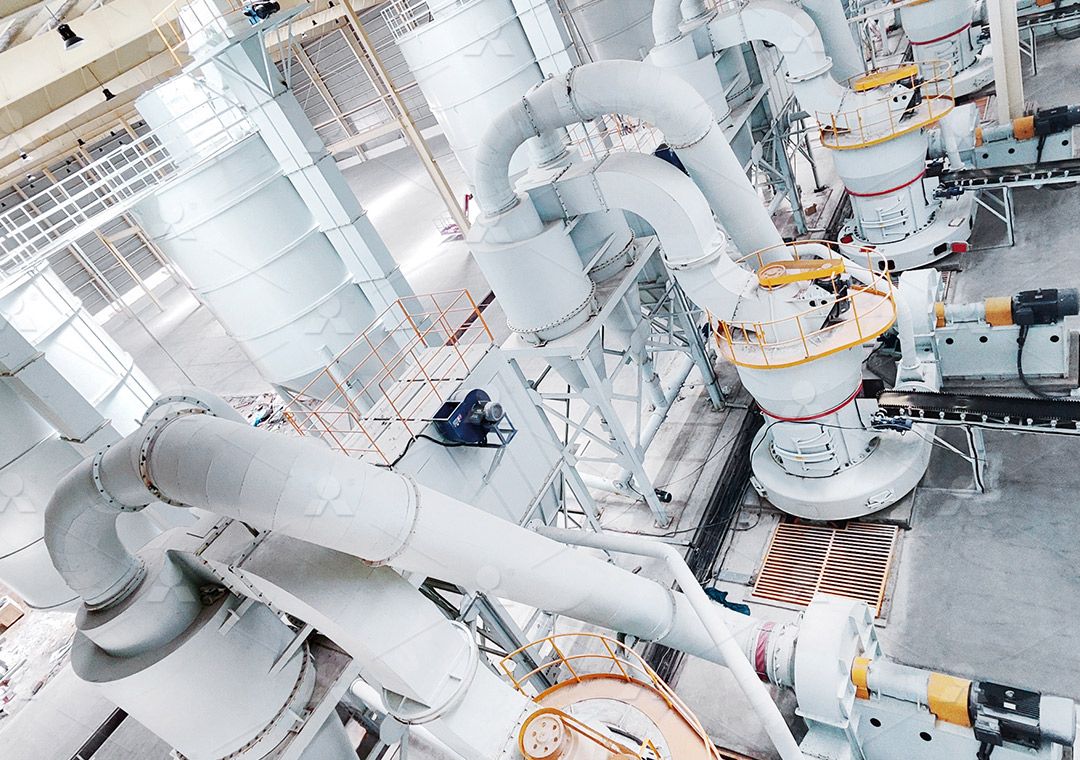
When we talk about grinding mills, the Raymond mill often comes to mind as a workhorse in many industries. But the real question is not just whether it works, but how its performance directly dictates the efficiency and output of your entire operation. A mill that underperforms can become a bottleneck, cutting into profits and wasting energy. This article digs into the mechanical and operational factors that make or break a Raymond mill’s performance.
The Grinding Mechanism and Roller Wear
At the heart of any Raymond mill is the grinding roller and ring assembly. The efficiency of this process hinges on the condition of these parts. When rollers and rings wear unevenly, the grinding pressure distribution becomes inconsistent. This leads to a phenomenon we often see in older mills: some material gets over-ground into ultrafine dust, while larger particles slip through without proper reduction. This inconsistency directly impacts output because the separator has to work harder to sieve out the coarse material, sending it back for re-grinding. This recycling loop eats into capacity. For operations needing a consistent product, this is a silent killer of throughput.
A properly maintained mill with optimized roller clearance can achieve a much higher first-pass yield. This means less material circulating internally, freeing up the mill to process fresh feed. We have seen plants increase their hourly output by over 15% simply by switching to a mill with a newer, more efficient grinding curve design, such as the one found in our advanced models.
Airflow and Classification: The Hidden Efficiency Drivers
It is easy to focus only on the grinding zone, but the performance of the air blower and the powder concentrator is equally critical. In a Raymond mill, the air stream is responsible for lifting the ground material to the separator. If the fan is underpowered or the air duct is poorly designed, the material sits too long in the grinding chamber, leading to over-grinding and wasted energy. This not only reduces efficiency but also increases the wear rate on the grinding components.
The separator, or classifier, is the gatekeeper. A low-efficiency separator allows coarse particles to pass through as finished product, ruining quality, or forces too many fines back to the mill, wasting energy. Modern cage-type separators, like those used in our equipment, provide precise cut points. This precision ensures that only particles meeting the exact fineness specification leave the system. This directly boosts output because you are not wasting energy grinding material that is already fine enough.
Material Characteristics and Feed Control
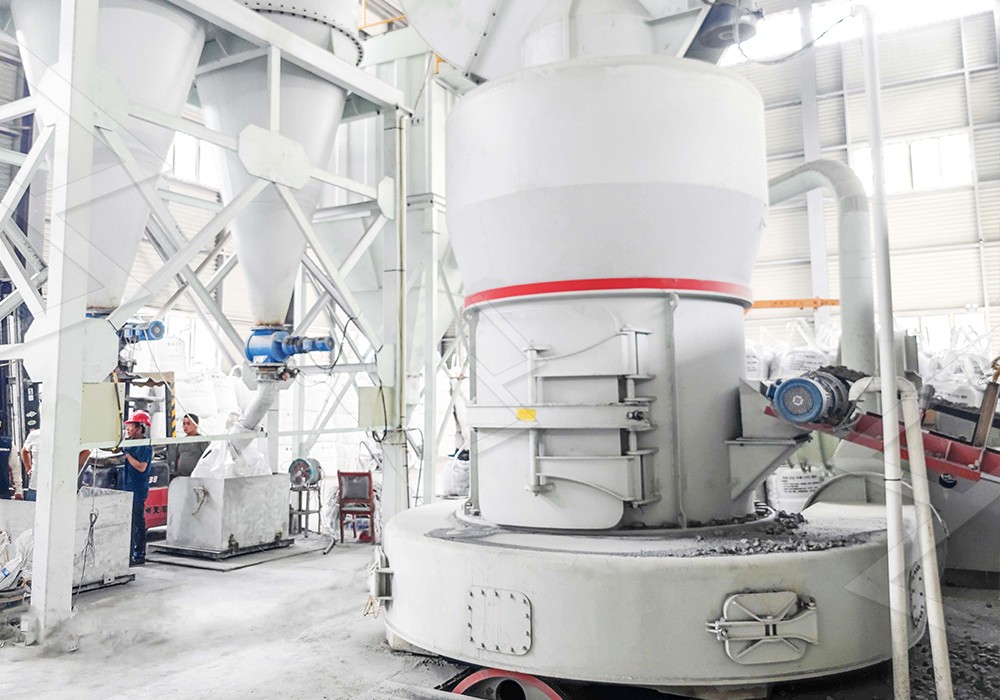
Performance is not just about the machine; it is about the marriage between the machine and the material. Moisture content is a major factor. Materials with high moisture can lead to clogging in the grinding chamber and the discharge chute, causing unscheduled downtime that kills average output. Similarly, the hardness of the material directly dictates the power draw and the wear rate. A Raymond mill designed for soft limestone will struggle with hard quartz.
Consistent feed control is another area where performance is won or lost. A surge of material overloads the mill, causing the grinding pressure to drop and the separator to choke. Starving the mill, on the other hand, wastes energy and leads to inefficient grinding action. Automated feeding systems that regulate input based on the mill’s current load are essential for maintaining peak efficiency. This is where the digital processing and automation built into modern mills, such as the MW Ultrafine Grinding Mill, make a significant difference. Its intelligent control system adjusts feed rates in real-time to maintain optimal grinding conditions.
Energy Consumption and System Design
Efficiency is often measured in terms of energy consumption per ton of output. A mill that consumes less power for the same output is inherently more profitable. The system design plays a huge role here. For instance, mills that utilize a closed-circuit airflow system with efficient dust collectors, like the pulse dust collector on our premium models, reduce the energy lost to moving extraneous air. The grinding curve itself matters. A curve designed to crush material with a rolling action rather than a sliding action uses less energy and causes less wear.
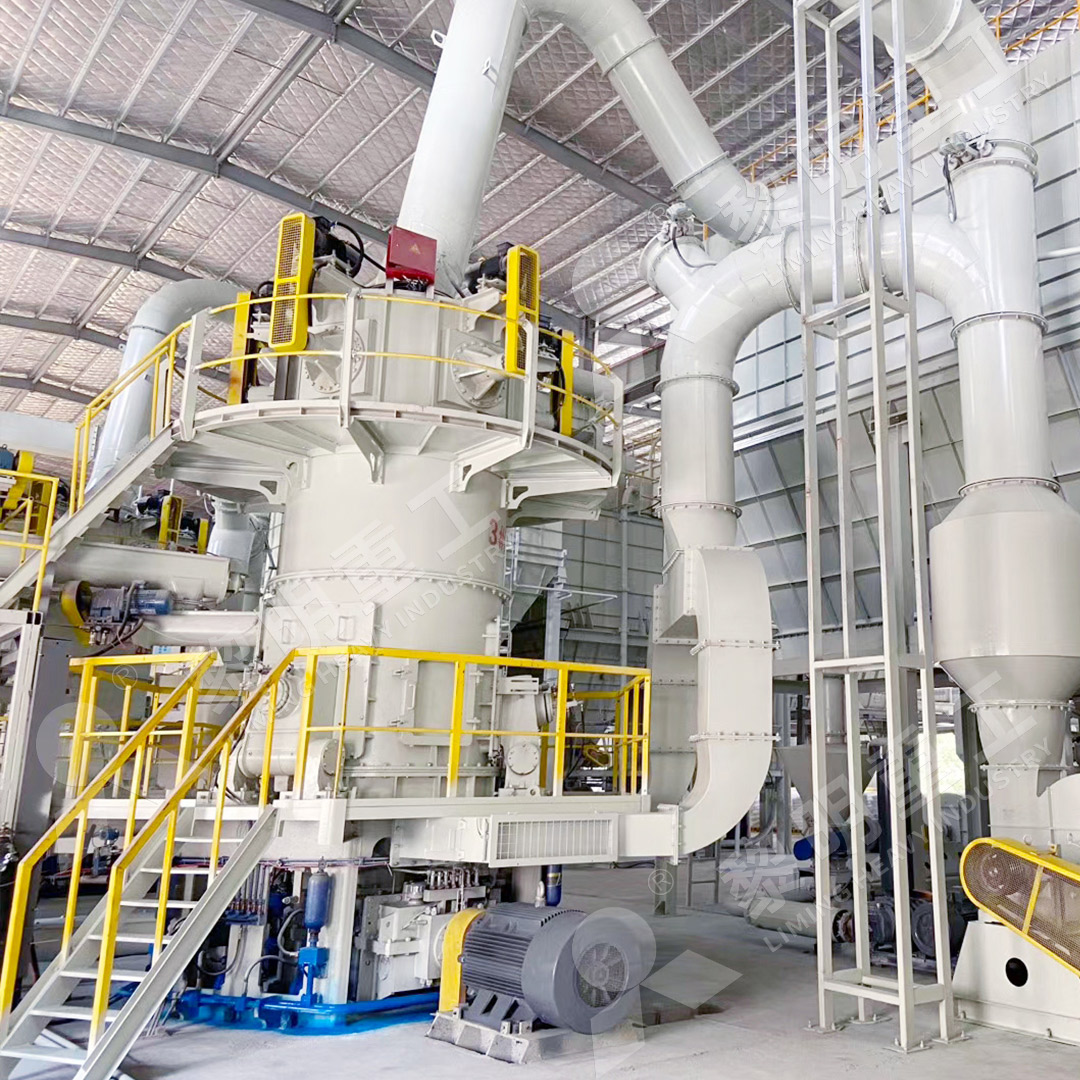
When comparing traditional Raymond mills to more modern designs, the difference is stark. The older models often suffer from high energy consumption because of inefficient grinding paths and poor air circulation. This is why upgrading to a more sophisticated unit can cut energy bills by 30% or more while boosting capacity. For those looking for the highest efficiency and finest output, the LUM Ultrafine Vertical Grinding Mill represents a leap forward. It integrates the grinding and classification into a single, compact vertical system, drastically reducing energy loss and maximizing contact time between the material and the grinding rollers.
Maintenance and Longevity
Performance is not a one-time snapshot; it is a trend over time. A mill that is easy to maintain will spend more time running and less time broken down. The design of the grinding chamber matters here. Mills with rolling bearings and screws inside the chamber are prone to failure from dust ingress and vibration. The lubricant can leak, and screws loosen, leading to catastrophic damage. A design that eliminates these internal components, such as the no-screw, no-rolling-bearing design found in newer mills, dramatically improves reliability.
External lubrication systems allow for 24-hour operation without shutdowns for greasing. This directly increases the effective operating hours per year, raising the total output. When you combine this with wear-resistant materials on the rollers and rings, you get a machine that holds its performance level for much longer, providing a lower total cost of ownership. The use of numerical control machining in production ensures that every part fits perfectly, reducing vibration and extending the life of the entire assembly.
Conclusion
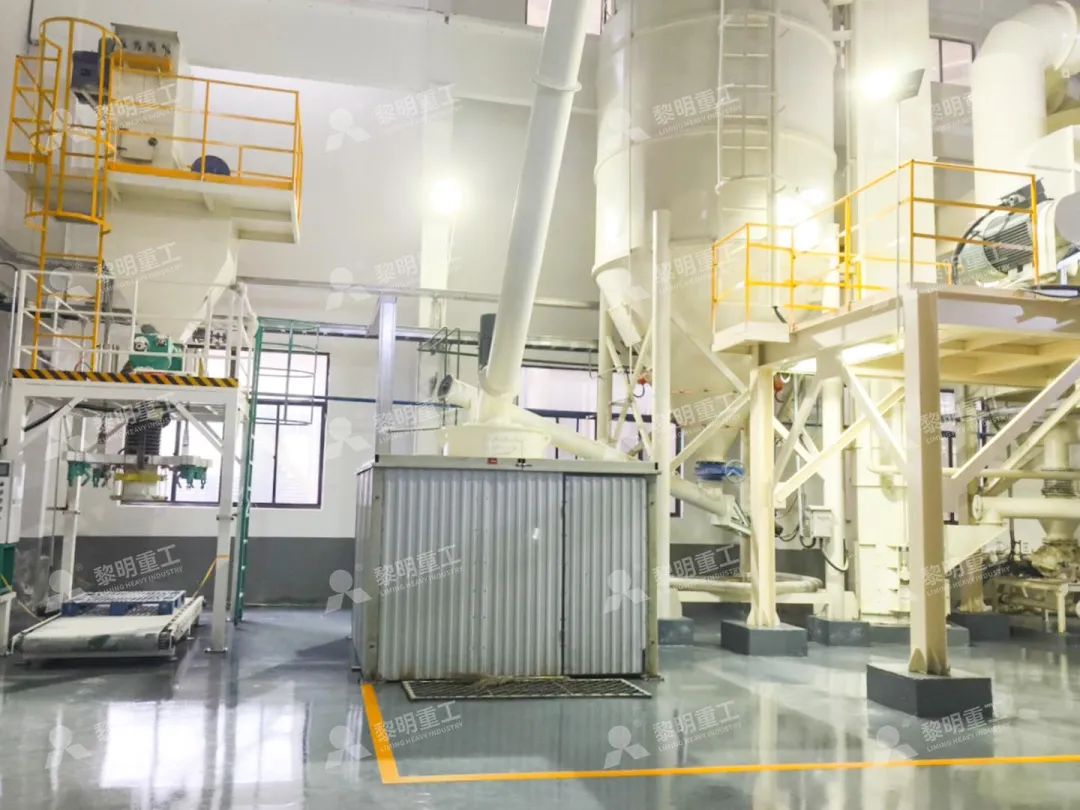
The performance of a Raymond mill is the sum of many parts: the grinding geometry, the classification efficiency, the quality of the air system, the control of the feed, and the ease of maintenance. Each of these factors plays a direct role in determining how much powder you can produce per hour and how much it costs you to make it. To maximize output and efficiency, you need to look beyond the basic design and invest in modern features like optimized grinding curves, external lubrication, and high-precision separators. Whether you choose the flexibility of the MW Ultrafine Grinding Mill or the heavy-duty throughput of the LUM Ultrafine Vertical Grinding Mill, upgrading your equipment is the most direct way to see a real return on your grinding operation.
Frequently Asked Questions (FAQ)
1. What is the primary factor that limits the output of a Raymond mill?
The primary factor is usually the efficiency of the internal classification system. If the separator cannot effectively distinguish fine from coarse powder, a large amount of material gets recirculated, reducing the effective capacity for new feed. Airflow and grinding roller wear are secondary critical factors.
2. How does moisture in the feed material affect grinding performance?
Moisture is a major problem. It causes the ground material to stick to the grinding chamber walls, inside the separator vanes, and in the discharge pipes. This leads to blockages, increased power consumption, and frequent shutdowns for cleaning. For best performance, feed material should have a moisture content below 6% for most Raymond mill applications.
3. Can I adjust the fineness of the product without changing the grinding rollers?
Yes, you can adjust the fineness by changing the rotational speed of the powder separator (classifier). Increasing the speed forces the separator to reject coarser particles, resulting in a finer product. However, this usually reduces total output because more material is returned for re-grinding. The fineness range of the MW Ultrafine Grinding Mill can be adjusted between 325 and 2500 mesh using this method.
4. What is the main advantage of having no rolling bearings or screws inside the grinding chamber?
This design eliminates two major failure points. Rolling bearings are susceptible to dust contamination and high-temperature failures. Loose screws can damage the grinding ring and rollers. Removing these components increases machine uptime and dramatically reduces maintenance costs. It also allows for an external lubrication system, which enables 24-hour continuous operation.
5. How does the grinding curve of the roller and ring affect energy consumption?
A properly designed grinding curve ensures that the material is effectively crushed and sheared in a single pass, rather than being repeatedly ground. Newer curves, like those in our MW series, are designed to generate a material layer that facilitates inter-particle grinding. This reduces the energy needed to achieve the target fineness, often resulting in 30-40% lower power consumption compared to older, straight-curve designs.
6. Why does the LUM Ultrafine Vertical Grinding Mill have a higher capacity than a traditional Raymond mill of similar size?
The LUM mill uses a vertical grinding table and roller system, which creates a larger grinding area and a more efficient material bed. This allows for higher throughput because the material is ground in a thin layer under controlled pressure, and the integrated classifier quickly removes the finished powder. This design eliminates the bottlenecks associated with the shovel and ring mechanism in traditional Raymond mills.