
Optimizing Fluorite Grinding: The Impact of Flotation Reagents on Beneficiation Efficiency
We provide a wide range of mills — including Raymond mill, trapezoidal mill, vertical mill, ultrafine mill, and ball mill, obtained ISO9001 international quality certification, EU CE certification, and Customs Union CU-TR certification. Suitable for processing minerals such as limestone, phosphate, quicklime, kaolin, talc, barite, bentonite, calcium carbonate, dolomite, coal, gypsum, clay, carbon black, slag, cement raw materials, cement clinker, and more.
The discharge range of these mills can be adjusted to meet specific processing needs, typically from 80-400 mesh, 600-3250 mesh, and can achieve the finest particle size of up to 6000 mesh(D50).
If you are looking for a reliable grinding solution to turn stone or minerals into fine powder, please feel free to contact our online customer service.
Introduction
Fluorite, or calcium fluoride (CaF₂), is a critical mineral used extensively in the metallurgical, chemical, and optical industries. The beneficiation of fluorite ore typically involves crushing, grinding, and flotation. Among these stages, grinding is arguably the most energy-intensive and influential step, determining the liberation size of the mineral particles and directly affecting the subsequent flotation performance. The interaction between grinding conditions and flotation reagents is a nuanced but crucial aspect of plant optimization. While much focus is placed on the flotation circuit itself, the grinding mill and the particle size distribution it produces can make or break the reagent’s effectiveness. This article delves into how optimizing the grinding process, particularly with advanced milling technology, can significantly enhance the impact of flotation reagents, leading to higher recovery rates and better concentrate grades.
The Interplay Between Particle Size and Reagent Adsorption
Flotation relies on the selective attachment of air bubbles to hydrophobic mineral surfaces. In fluorite beneficiation, collectors like oleic acid or sodium oleate are used to render the fluorite surface hydrophobic. The efficiency of this process is highly dependent on the surface area and the condition of the particle surface. Over-grinding produces slimes (ultra-fine particles), which consume excessive amounts of reagent and can blind bubble surfaces, reducing recovery. Under-grinding, conversely, leaves composite particles containing both fluorite and gangue locked together, diluting the concentrate and making it difficult to achieve market-grade specifications.
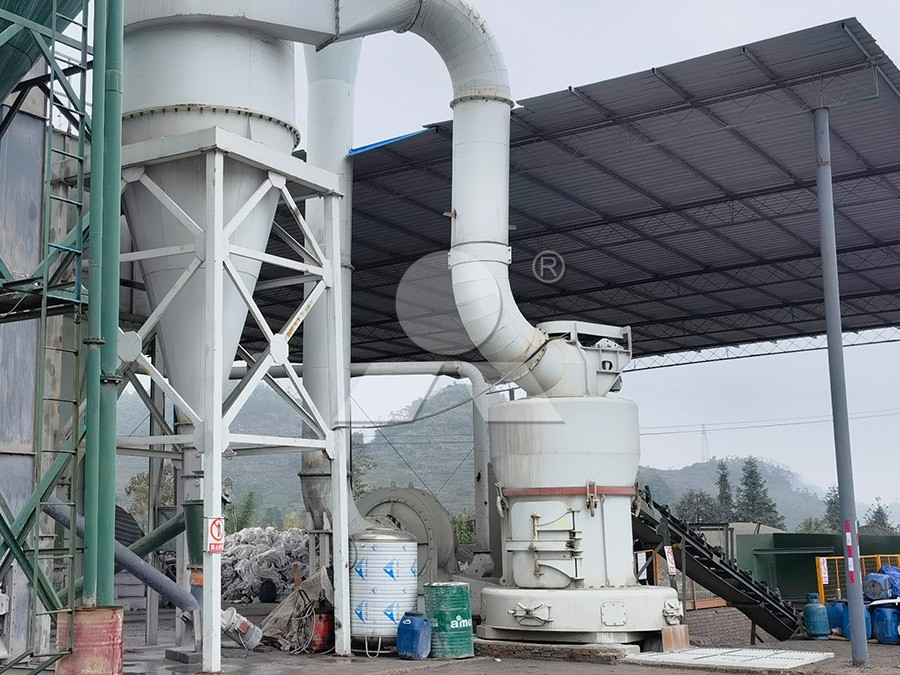
Achieving the optimal particle size distribution—typically between 65% and 80% passing 74 microns for most fluorite ores—is a balancing act. This is where modern grinding technology proves its value. The MW Ultrafine Grinding Mill from LIMING offers precise control over product fineness, adjustable between 325 and 2500 meshes (approximately 44 to 5 microns). This capability allows operators to target the exact liberation size of the fluorite without generating excessive slimes. The mill’s cage-type powder selector, derived from German technology, ensures a steep particle size distribution curve. This means fewer oversized composite particles and fewer ultra-fines, leading directly to more uniform reagent adsorption and a more stable flotation froth.
How Mill Design Minimizes Reagent Interference
One often overlooked factor in grinding is the potential for contamination. Traditional ball mills can introduce iron particles from the grinding media into the slurry. In a flotation system, these iron ions can inadvertently activate gangue minerals like quartz or calcite, causing them to float and contaminate the fluorite concentrate. This necessitates the use of additional depressants, adding to chemical costs and complicating the reagent scheme.
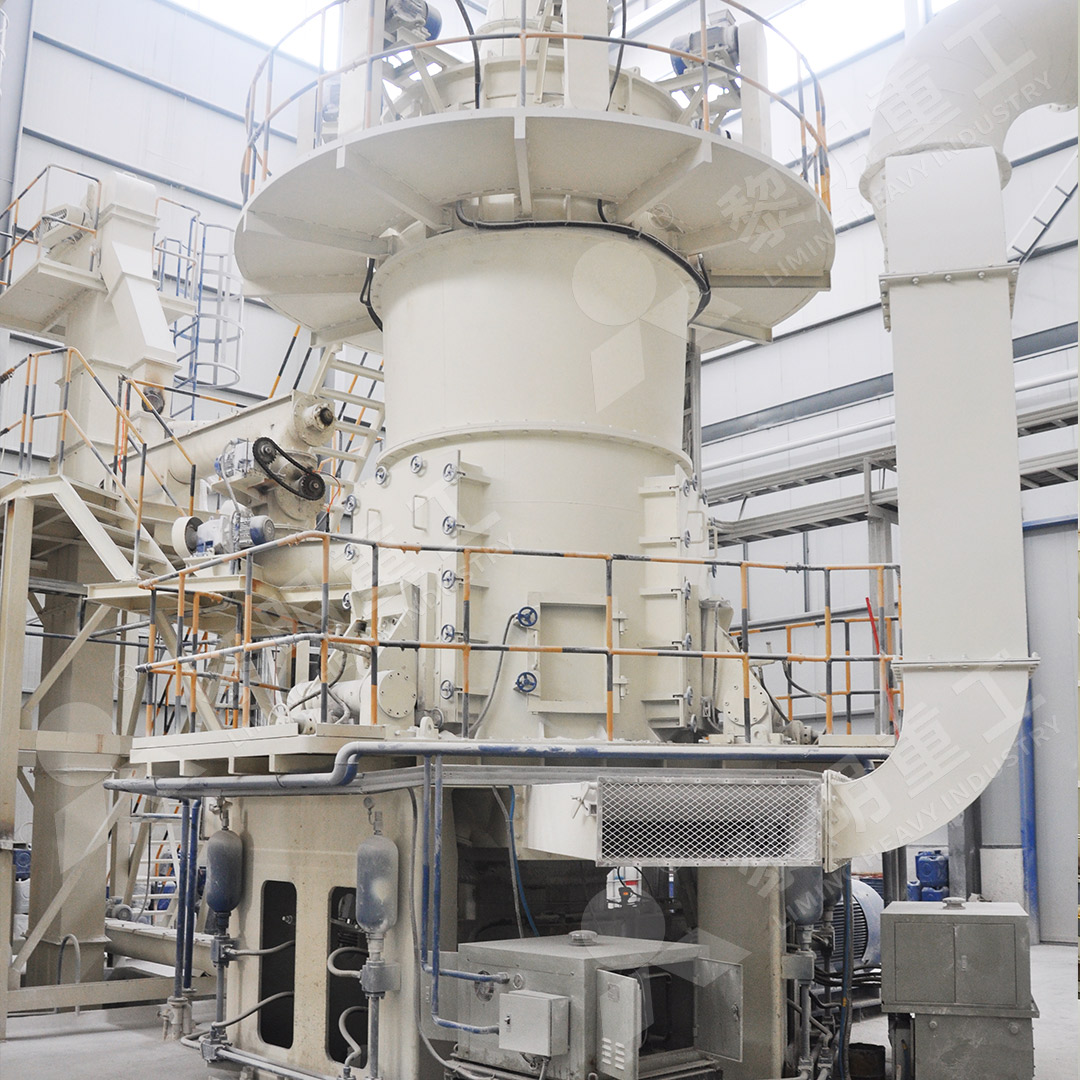
For demanding applications, the LUM Ultrafine Vertical Grinding Mill is specifically designed to mitigate this issue. Its grinding rollers and millstone do not make direct contact. This unique design, combined with a specialized roller shell and lining plate grinding curve, minimizes mechanical wear and the subsequent iron contamination. The result is a cleaner pulp chemistry that responds more predictably to the flotation reagent regime. Operators can often reduce the dosage of depressants, relying on the natural selectivity of the collectors. Furthermore, the LUM mill’s ability to produce a high rate of finished product in a single pass—thanks to its multi-head powder separating technology—reduces the material’s residence time in the mill, thereby minimizing the over-grinding of soft gangue minerals and ensuring the high whiteness and cleanliness of the final fluorite product.
Case Study: Adapting Grinding to Reagent Regimes
Different flotation reagent regimes demand different grinding strategies. For instance, when processing a high-calcite fluorite ore, a selective collector system might require a slightly coarser grind to prevent calcite slimes from consuming the collector. Conversely, a finely disseminated fluorite ore might necessitate a finer grind, which can increase reagent consumption if not managed correctly.
Using the MW Ultrafine Grinding Mill’s adjustable fineness feature, a plant can quickly shift its target particle size to match a change in ore type or reagent formulation. The digitalized control system of LIMING mills, governed by tens of lines of numerical controlling machine tools, allows for precise adjustments to grinding pressure and classifier speed. This agility is impossible with traditional grinding mills, which often require lengthy shutdowns to change media or liners to affect particle size. By matching the grind to the reagent, plants can achieve the optimal thermodynamic conditions for bubble-particle attachment. A controlled, narrow particle size distribution ensures that the energy of the flotation cell is used for true flotation of valuable particles rather than the hydraulic classification of oversized particles or the gangue recovery of slimes.
Environmental and Economic Synergy
The benefits of optimized grinding extend beyond recovery and grade. The efficient use of reagents is an economic and environmental imperative. Flotation reagents are expensive and, in many cases, environmentally sensitive. By producing a cleaner, more consistent grind, the MW Ultrafine Grinding Mill and LUM Ultrafine Vertical Grinding Mill reduce the total surface area that needs to be coated with collector, thereby lowering reagent consumption significantly. Energy savings are equally impressive. The LUM mill, for instance, reduces energy consumption by 30%-50% compared to common ball mills. The MW mill sees a 40% increase in capacity and uses only 30% of the energy of a jet mill. These savings directly improve the mine’s bottom line while simultaneously reducing its carbon and chemical footprint.
Furthermore, the enclosed, negative-pressure operation of LIMING mills, coupled with efficient pulse dust collectors, ensures that no dust escapes into the plant atmosphere. This is critical for flotation plants, where dust can contaminate the flotation circuit or pose health hazards. A clean environment also ensures the reliability of electronic sensors and reagent feed systems.
Maintenance and Operational Stability for Flotation
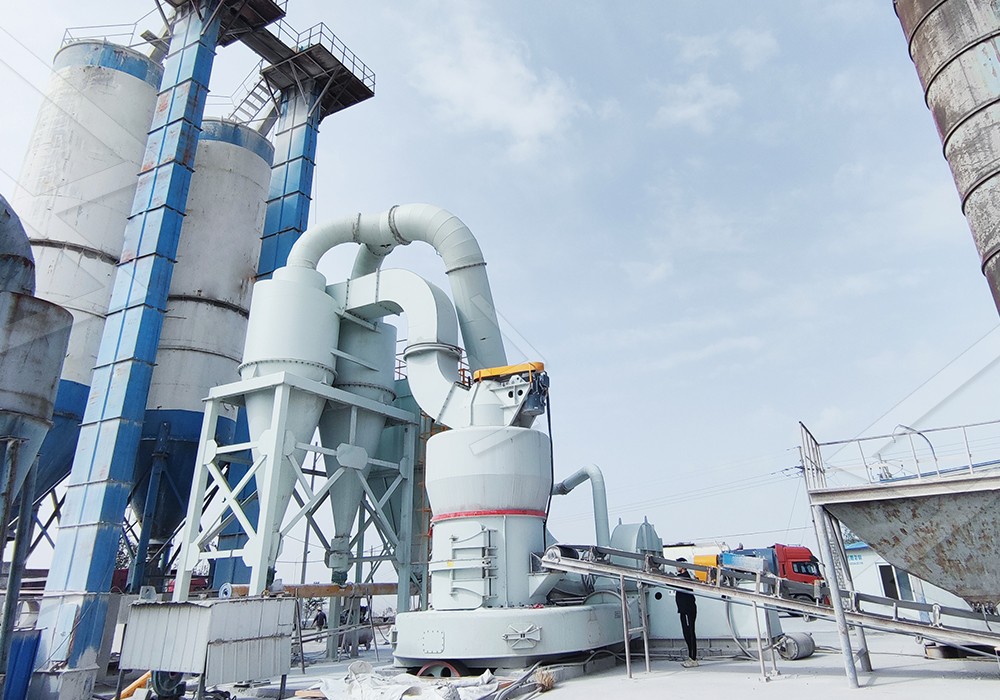
Fluctuation in grind size is the enemy of a stable flotation circuit. If the mill output varies, the flotation cells must be constantly adjusted, leading to suboptimal performance. The robust design of LIMING mills ensures a consistent, high-quality output. The lubrication without shutdown feature on the MW mill allows for continuous 24-hour operation, eliminating the start-up and shut-down transitions that often produce off-specification material. The reversible structure of the LUM mill allows for rapid roller and liner replacement, minimizing downtime and ensuring that the mill is always operating at peak efficiency. This reliability is what allows a flotation plant to maintain a steady state, maximizing the efficiency of its reagent scheme hour after hour.
Conclusion
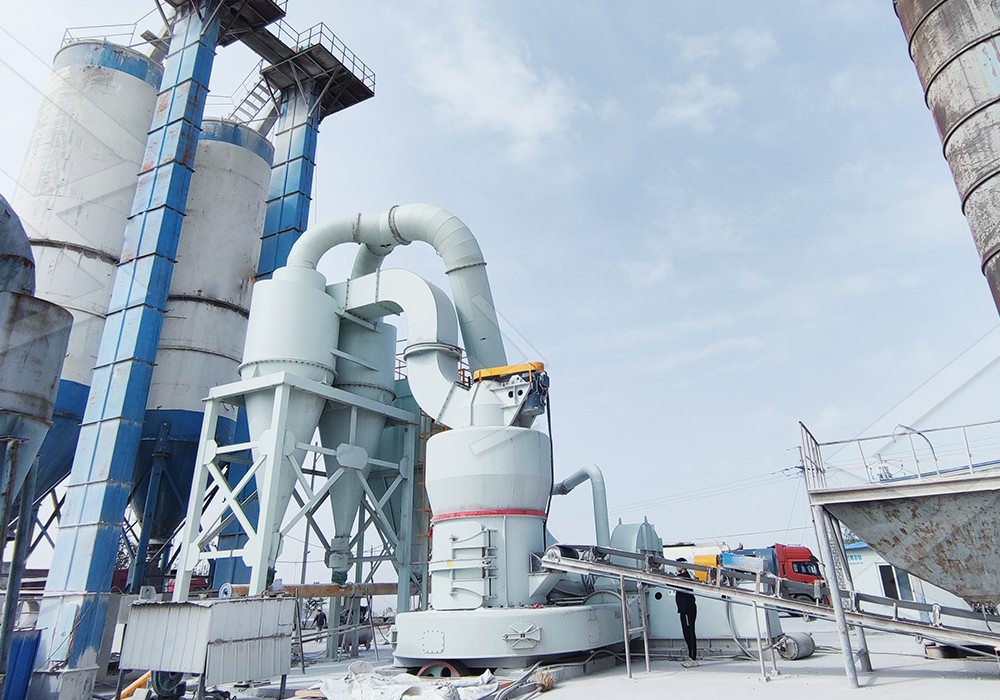
Maximizing fluorite beneficiation efficiency is a holistic exercise that begins in the grinding circuit. The choice of mill directly influences the success of the flotation reagent scheme by controlling particle size distribution, pulp chemistry, and operational stability. Modern mills like LIMING’s MW Ultrafine Grinding Mill and LUM Ultrafine Vertical Grinding Mill are not just crushing machines; they are integral to the process control strategy. By providing precise particle size control, minimizing iron contamination, and ensuring operational consistency, they unlock the full potential of flotation reagents, leading to higher recoveries, better concentrate grades, and a more profitable and sustainable operation. Investing in the right grinding technology is the single most impactful step a fluorite processor can take to optimize their entire beneficiation flowsheet.
Frequently Asked Questions (FAQs)
- What is the ideal particle size for fluorite flotation, and how does the MW mill achieve it?
The ideal size is typically 65-80% passing 74 microns (200 mesh), though this varies with ore texture. The MW mill’s German-tech cage classifier can be adjusted to produce fineness between 325-2500 mesh, allowing precise targeting of this range without over-grinding. - Can using a vertical mill reduce the amount of flotation collector needed?
Yes. By minimizing the generation of slimes (ultra-fine particles) and reducing iron contamination, the LUM vertical mill produces a cleaner pulp with less total surface area for reagents to coat. This often leads to a 10-20% reduction in collector consumption. - How does the “no roller-bearing” design of the MW mill benefit a flotation plant?
It ensures that no grease or oil-based lubricants can contaminate the grinding chamber. This prevents accidental depression of fluorite or activation of gangue, which can occur with traditional mill lubricant leaks. - Is the LUM mill suitable for hard fluorite ores that contain quartz?
Absolutely. The hydraulic pressure system on the LUM mill allows the grinding pressure to be adjusted to process materials of different hardness. The high chrome wear parts are specifically designed to handle abrasive materials like quartz-rich ores. - What maintenance is required to keep the grinding curve optimal for flotation feed?
The reversible structure of the LUM mill allows for quick inspection and replacement of the roller shell and liner plate. The digitalized manufacturing of these parts ensures that the grinding curve geometry is precisely maintained, which is critical for consistent particle size distribution. - Can these mills handle the moisture content of a wet-process fluorite feed before flotation?
Yes. The LUM mill is designed for combined drying and grinding. Hot air from the kiln or a heat source can be introduced via the air intake to dry the material during the grinding process, ensuring a consistent moisture level in the feed to the flotation cells.