
Water Slag Micro Powder Grinding Mill: Unlocking Value from Industrial Byproducts
We provide a wide range of mills — including Raymond mill, trapezoidal mill, vertical mill, ultrafine mill, and ball mill, obtained ISO9001 international quality certification, EU CE certification, and Customs Union CU-TR certification. Suitable for processing minerals such as limestone, phosphate, quicklime, kaolin, talc, barite, bentonite, calcium carbonate, dolomite, coal, gypsum, clay, carbon black, slag, cement raw materials, cement clinker, and more.
The discharge range of these mills can be adjusted to meet specific processing needs, typically from 80-400 mesh, 600-3250 mesh, and can achieve the finest particle size of up to 6000 mesh(D50).
If you are looking for a reliable grinding solution to turn stone or minerals into fine powder, please feel free to contact our online customer service.
Water Slag Micro Powder Grinding Mill: Unlocking Value from Industrial Byproducts
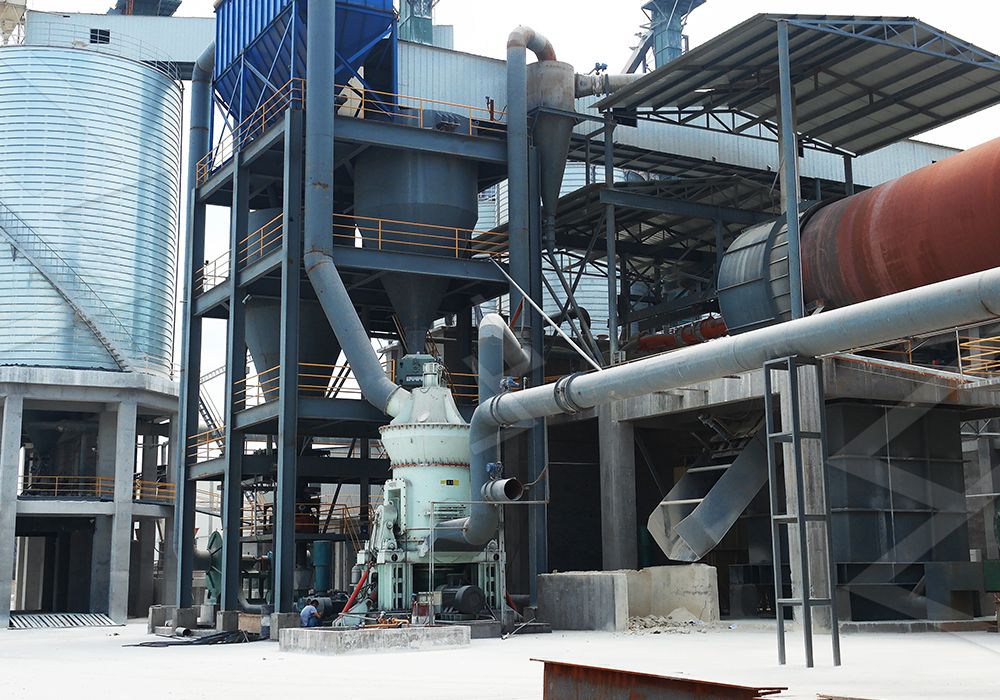
The modern industrial landscape is increasingly defined by efficiency and sustainability. A key challenge for industries like steel manufacturing is the effective management of byproducts, with water-quenched blast furnace slag (water slag) being a prime example. Once considered mere waste, water slag is now recognized as a valuable resource for producing supplementary cementitious materials (SCM) like GGBS (Ground Granulated Blast-furnace Slag). The transformation from coarse, granular slag to a highly reactive micro powder is where advanced grinding technology proves its worth. This process not only adds significant economic value but also contributes to a circular economy by reducing landfill use and lowering the carbon footprint of construction materials.
The Grinding Challenge: From Granules to Micro Powder
Grinding water slag into a fine powder suitable for high-performance applications is no simple task. The material’s hardness and abrasiveness demand robust equipment, while the target fineness—often requiring a specific surface area exceeding 400 m²/kg—calls for precision and efficiency. Traditional ball mills, while common, often struggle with high energy consumption, significant wear on grinding media, and limited control over particle size distribution. The ideal solution must achieve a consistent, ultra-fine product while operating reliably, maintaining low operational costs, and adhering to stringent environmental standards for dust and noise.
Engineering Excellence for Slag Processing
Modern grinding solutions have evolved to meet these exacting demands head-on. The focus has shifted towards vertical roller mill (VRM) technology and advanced ultrafine grinding systems, which offer a superior approach. These systems integrate multiple processes—drying (if needed), grinding, classifying, and conveying—into a single, compact footprint. Their design inherently promotes energy efficiency by utilizing a bed-compaction grinding principle rather than impact-based crushing, leading to direct power savings. Furthermore, advanced dynamic classifiers allow for precise control over the final product’s fineness, ensuring the slag powder meets the strict activity index requirements for premium SCMs.
Recommended Solution: The LUM Ultrafine Vertical Grinding Mill
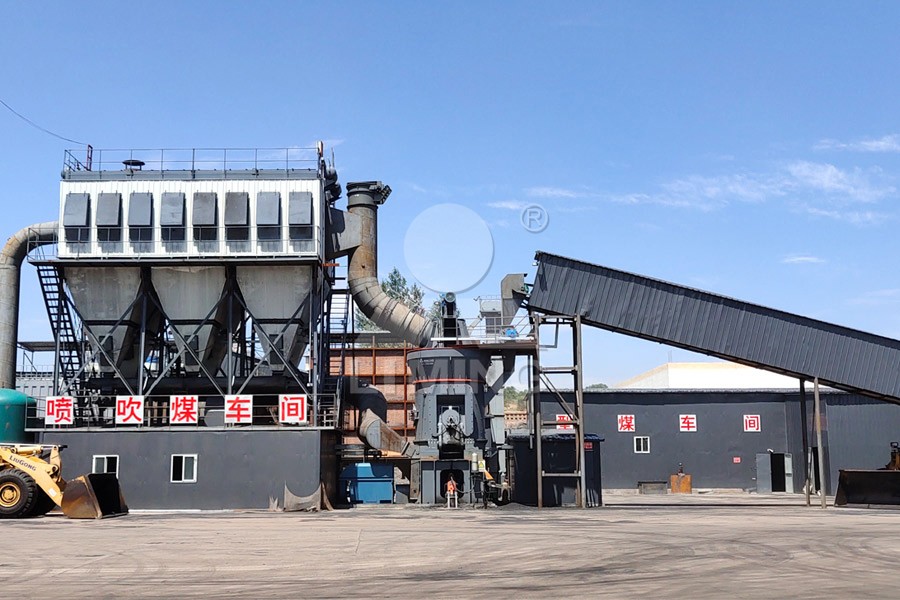
For operations prioritizing the production of ultra-fine water slag powder with exceptional efficiency and product quality, the LUM Ultrafine Vertical Grinding Mill stands out as a premier choice. Independently designed with a capacity range of 5-18 tph for feed sizes up to 10mm, the LUM mill incorporates cutting-edge technology. It features the latest grinding roller technology and German powder separating technology, enabling it to produce superfine dry powder with high whiteness and cleanliness. Its unique roller shell and lining plate grinding curve are engineered to generate a stable material layer, facilitating high-yield, single-pass milling that greatly enhances working efficiency.
A key advantage for demanding, continuous operations is its reversible structure. This innovative design, coupled with a hydraulic adjustment system, allows operators to easily and swiftly move the grinding roller out of the mill body for inspection, maintenance, or replacement of wear parts like the roller shell and liner plate. This feature dramatically reduces downtime and associated losses. Additionally, its double position-limiting technology (electronic and mechanical) ensures operational stability by preventing destructive impacts between the roller and millstone, even under variable feed conditions.
A Robust Alternative: The LM Vertical Slag Mill
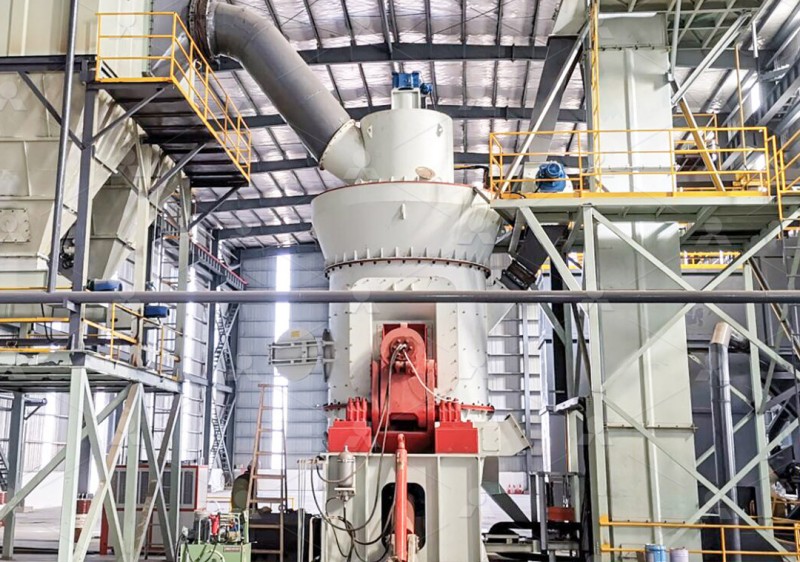
For larger-scale slag processing needs, the dedicated LM Vertical Slag Mill is an exceptionally robust and efficient solution. Specifically engineered for grinding industrial wastes like water slag and steel slag, it integrates drying, grinding, powder selection, and conveying into one unit. With a capacity ranging from 7-100 t/h, it handles input sizes of 38-65mm. Its vertical structure reduces the covered area by approximately 50% compared to a ball mill system, while its energy consumption is slashed by 30-40%. This mill excels in producing powder with uniform fineness and a high screening rate, making it ideal for the production of cement and high-quality concrete. Its negative-pressure operation ensures a dust-free environment, aligning with modern environmental protocols.
Conclusion: Investing in Advanced Grinding Technology
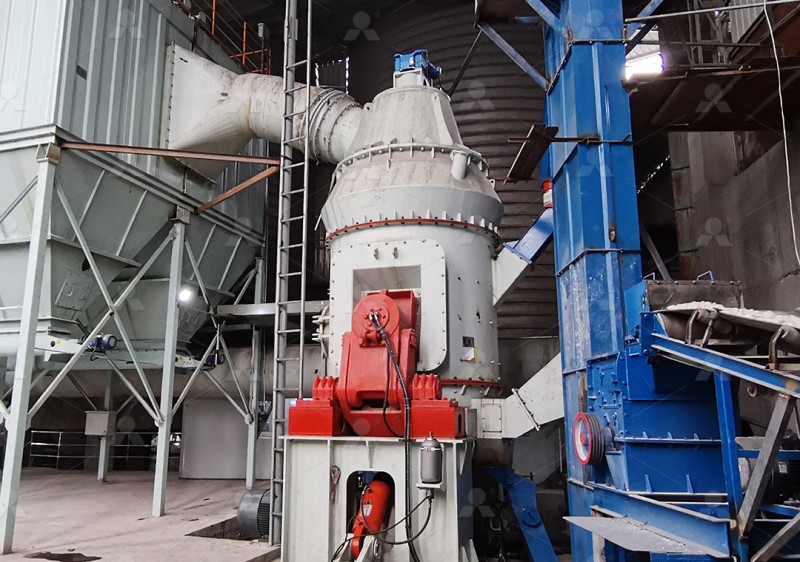
The decision to process water slag into a valuable micro powder is a strategic move towards sustainability and profitability. However, the success of this venture hinges entirely on the capabilities of the grinding equipment. By selecting a mill engineered for abrasion resistance, energy efficiency, precise classification, and operational reliability—such as the LUM Ultrafine Vertical Grinding Mill or the LM Vertical Slag Mill—producers can ensure a consistent, high-quality product that commands a premium in the market. This investment not only transforms an industrial byproduct into a resource but also future-proofs operations against rising energy costs and tightening environmental regulations.
Frequently Asked Questions (FAQ)
1. What is the typical fineness range achievable for water slag powder with your recommended mills?
Our LUM Ultrafine Vertical Grinding Mill and LM Vertical Slag Mill are capable of producing water slag powder with a specific surface area that can be tailored to meet standard industry specifications, commonly ranging from 400 m²/kg to over 550 m²/kg. The final fineness is precisely controlled by the integrated high-efficiency powder separator.
2. How does the energy consumption compare to a traditional ball mill system?
The vertical grinding technology employed in our mills is significantly more energy-efficient. The LM Vertical Slag Mill, for instance, typically reduces energy consumption by 30% to 40% compared to a conventional ball mill system of equivalent output, due to its efficient grinding principle and integrated design.
3. Are these mills suitable for handling other materials besides water slag?
Absolutely. While excellently suited for water slag and steel slag, the LUM mill is designed for various non-metallic minerals like limestone, calcite, and dolomite. The LM Vertical Slag Mill’s robust construction also makes it suitable for a range of industrial waste materials and non-metallic ores.
4. What are the key maintenance considerations, and how is wear managed?
Maintenance is simplified through design. The LUM mill’s reversible structure allows easy roller access. Wear parts like grinding rollers and tables are made from high-performance, wear-resistant alloys, offering a service life 1.7-2.5 times longer than traditional materials. A centralized automated lubrication system further reduces manual intervention.
5. How is dust control managed during the grinding process?
Both recommended mills operate under a fully sealed, negative-pressure system. This design ensures that no dust spills into the workshop. They are equipped with high-efficiency pulse jet bag dust collectors (or can be connected to a plant’s central system), resulting in clean operation and emissions that far exceed standard environmental requirements.
6. What level of automation do these grinding systems offer?
Our mills feature expert-level automatic control systems. They allow for remote monitoring and control, automatic adjustment of grinding pressure and feed rates, and seamless integration into broader plant automation networks. This ensures stable operation, consistent product quality, and reduced labor costs.