
3R Raymond Mill for Diatomite Grinding: Efficient Powder Processing Solution
We provide a wide range of mills — including Raymond mill, trapezoidal mill, vertical mill, ultrafine mill, and ball mill, obtained ISO9001 international quality certification, EU CE certification, and Customs Union CU-TR certification. Suitable for processing minerals such as limestone, phosphate, quicklime, kaolin, talc, barite, bentonite, calcium carbonate, dolomite, coal, gypsum, clay, carbon black, slag, cement raw materials, cement clinker, and more.
The discharge range of these mills can be adjusted to meet specific processing needs, typically from 80-400 mesh, 600-3250 mesh, and can achieve the finest particle size of up to 6000 mesh(D50).
If you are looking for a reliable grinding solution to turn stone or minerals into fine powder, please feel free to contact our online customer service.
3R Raymond Mill for Diatomite Grinding: Efficient Powder Processing Solution
In the realm of industrial mineral processing, diatomite presents a unique set of challenges and opportunities. This naturally occurring, soft, siliceous sedimentary rock is prized for its high porosity, low density, and abrasive silica content. Transforming raw diatomaceous earth into a consistent, fine powder suitable for filtration aids, fillers, absorbents, or insulation materials demands a grinding solution that balances efficiency, product quality, and operational reliability. For decades, the 3R Raymond Mill has stood as a proven and trusted technology for this precise application.
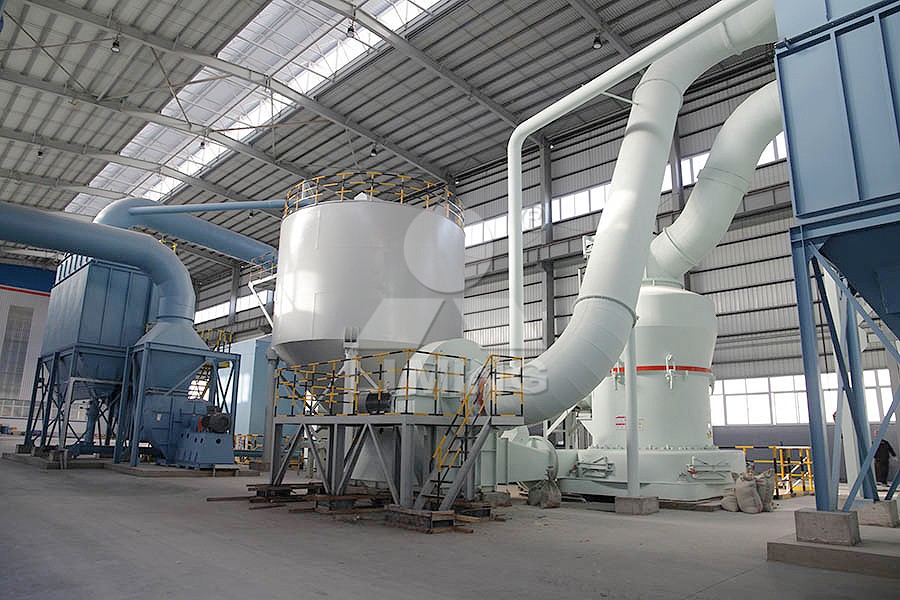
Understanding the Diatomite Grinding Challenge
Successful diatomite processing hinges on preserving its delicate structure while achieving the target fineness, typically ranging from 150 to 800 meshes. Over-grinding can destroy the porous, honeycomb-like fossilized diatom skeletons, diminishing the product’s functional value. Conversely, under-grinding fails to liberate the desired particle size distribution. The ideal mill must apply controlled, shearing and compressive forces, offer precise particle size classification, and manage the material’s inherent abrasiveness to minimize wear on machine components.
The 3R Raymond Mill: A Time-Tested Design Optimized for Performance
The 3R series Raymond Mill, an evolution of the classic pendulum roller mill design, is engineered to meet these demands. Its operational principle is both elegant and effective. The system feeds crushed diatomite centrally onto a rotating grinding ring. Under centrifugal force, the material moves outward under three grinding rollers suspended from a revolving spider. The rollers, pressed against the ring by centrifugal force and mechanical springs, pulverize the material. A built-in fan creates an air stream that carries the ground powder upward to an integrated classifier.
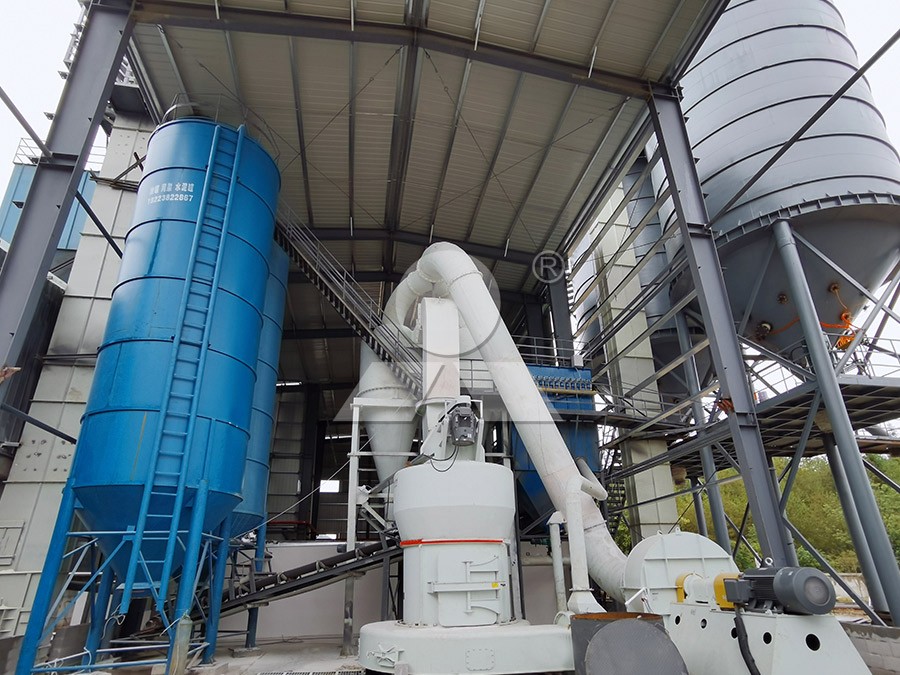
This internal dynamic classifier is key. It rejects oversized particles, returning them to the grinding zone for further size reduction, while allowing properly sized fines to pass through to the collection system. This closed-circuit grinding within a single machine ensures consistent product fineness without the need for external, multi-stage classification for many applications. The mill’s straightforward mechanical design translates to robust construction, ease of operation, and relatively low maintenance requirements compared to more complex systems.
Key Advantages for Diatomite Producers
- Controlled Grinding Action: The pendulum roller mechanism provides a rolling and grinding action that is less likely to over-crush the fragile diatom structures compared to high-impact mills.
- Adjustable Fineness: By adjusting the speed of the classifier rotor or the airflow, operators can precisely control the product’s top size and fineness distribution to meet various market specifications.
- Proven Durability: Critical wear parts like grinding rolls and rings can be fabricated from alloy steels or even ceramic composites to withstand the abrasive nature of silica, extending service life.
- System Integration: The mill’s self-contained nature—integrating grinding, classification, and conveying via airflow—makes for a compact footprint and simplified plant layout.
- Operational Simplicity: With fewer moving parts in the grinding chamber than many alternatives, the 3R Raymond Mill is known for its reliability and ease of maintenance.
Evolving Beyond Tradition: When to Consider Advanced Solutions
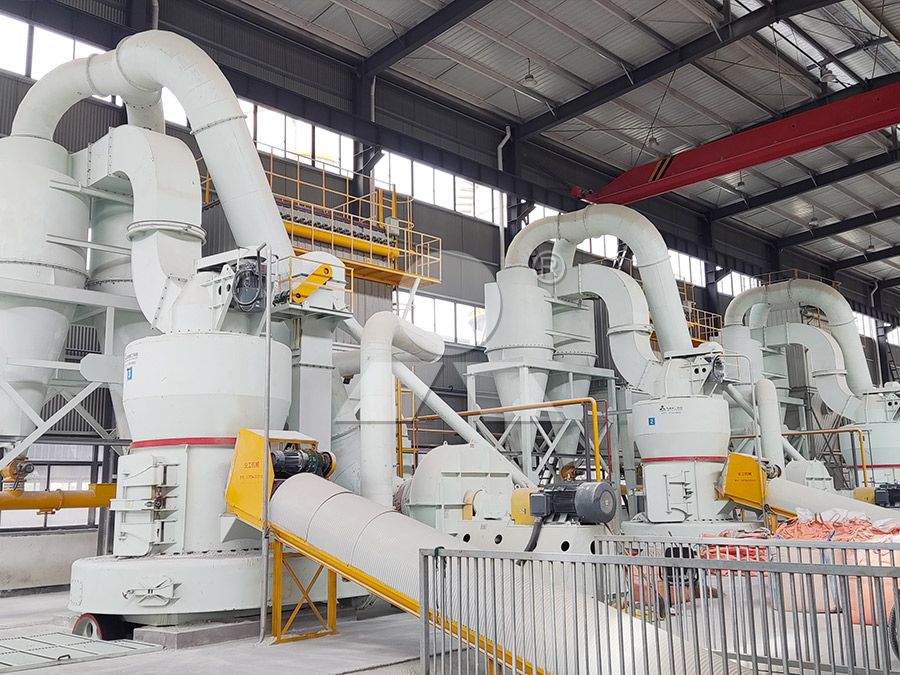
While the 3R Raymond Mill remains an excellent choice for standard diatomite powder production, evolving market demands for ultra-fine powders (exceeding 800 meshes), higher throughput, or exceptional product whiteness may call for more advanced technology. For operations looking to push the boundaries of efficiency and product quality, Liming Heavy Industry’s MW Ultrafine Grinding Mill presents a compelling next-generation solution.
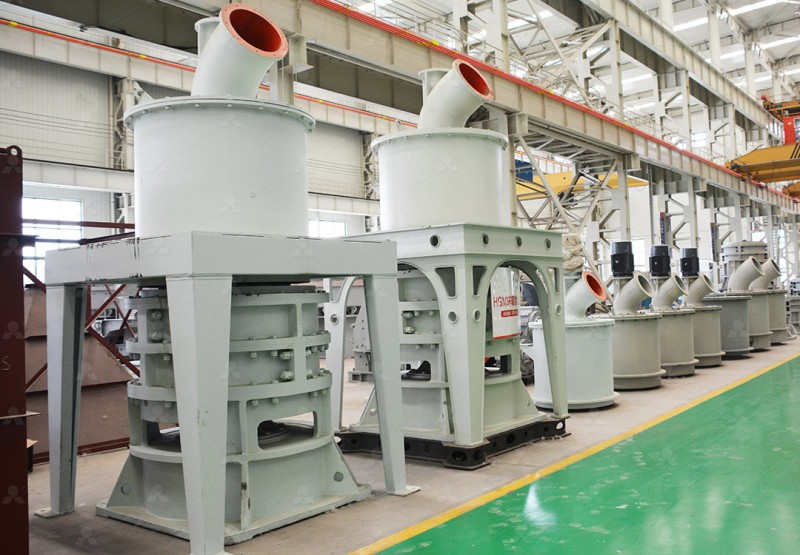
Specifically engineered for ultra-fine powder production, the MW series addresses several limitations of traditional designs. It achieves a remarkable fineness range from 325 to 2500 meshes, far surpassing typical Raymond Mill capabilities. Its innovative grinding curve and cage-type powder selector, incorporating German technology, enhance grinding efficiency and classification accuracy. Notably, its grinding chamber eliminates rolling bearings and screws, a design that virtually eliminates failures related to bearing seals or loose fasteners—a significant advancement in reliability. Furthermore, its external lubrication system allows for maintenance without shutdown, supporting continuous 24/7 production crucial for large-scale operations. For diatomite processors targeting high-value, superfine products, the MW Ultrafine Grinding Mill offers a technologically superior path forward.
For high-capacity projects requiring integrated drying of moist diatomite feed, our LM Vertical Grinding Mill is another formidable option. It combines crushing, drying, grinding, and classification in a single unit, offering a footprint 50% smaller than a ball mill system and reducing energy consumption by 30-40%. Its short material retention time minimizes over-grinding and helps maintain product characteristics.
Conclusion
The 3R Raymond Mill continues to be a cornerstone of diatomite processing, offering a reliable, efficient, and cost-effective solution for producing a wide range of powder grades. Its simplicity and proven track record make it a wise choice for many operations. However, as industry standards rise, exploring advanced mills like the Liming MW Ultrafine Grinding Mill or the LM Vertical Grinding Mill can unlock new levels of productivity, product fineness, and operational stability. The optimal choice ultimately depends on your specific feed material, target product specifications, and production goals.
Frequently Asked Questions (FAQs)
1. What is the typical output fineness range of a 3R Raymond Mill for diatomite?
A standard 3R Raymond Mill can reliably produce diatomite powder in the range of 80 to 400 meshes. With optimized adjustments and possibly an external classifier, this range can sometimes be extended, but for consistent production above 400-500 meshes, an ultrafine grinding mill is recommended.
2. How abrasive is diatomite on the mill’s wear parts?
Diatomite is moderately to highly abrasive due to its silica content. Wear on grinding rolls and rings is expected. Using wear-resistant alloy materials or ceramic linings can significantly extend the service life of these parts and reduce maintenance frequency.
3. Can the 3R Raymond Mill handle diatomite with high moisture content?
The basic 3R Raymond Mill is primarily a dry grinding mill. If the raw diatomite has high moisture, pre-drying is necessary before feeding into the mill. For integrated drying and grinding, a vertical roller mill like the LM series is a more suitable choice.
4. What are the main advantages of the MW Ultrafine Grinding Mill over a traditional Raymond Mill for diatomite?
The MW Mill offers a much wider fineness range (up to 2500 mesh), higher grinding efficiency with lower energy consumption per ton of fine product, and a more reliable design with no internal bearings in the grinding zone. It is specifically designed for high-value, superfine powder production.
5. How important is dust collection in a diatomite grinding system?
Extremely important. Diatomite powder is very fine and lightweight, posing a significant dust control challenge. Both the 3R Raymond Mill and the MW Mill should be equipped with high-efficiency pulse jet baghouse dust collectors to ensure a clean working environment and meet environmental regulations.
6. What factors influence the final whiteness of the ground diatomite powder?
Final whiteness is primarily determined by the raw ore quality. However, the grinding process can influence it. Mills that cause less iron contamination from wear (like the MW Mill with its special chamber design) or have short material retention times (like the LM Vertical Mill) help preserve the natural whiteness of the product.